Tamron 17-28mm f/2.8 Review: Compact Wide Zoom Scores 8.6/10
A lens under 1lb that still covers ultra-wide photography needs? The Tamron 17-28mm f/2.8 Di III RXD for Sony E Mount turns heads for packing sharp optics, weather sealing, and constant f/2.8 in a compact shell. Verdict: 8.6/10 — praised for portability and autofocus speed, but some users warn about vignetting and corner softness.
Quick Verdict: Conditional — best for travel, street, and landscape shooters who value size and price over perfect edge sharpness.
| Pros | Cons |
|---|---|
| Lightweight at 420g | Noticeable vignetting if not corrected |
| Fast, accurate autofocus | Pincushion distortion at both ends of zoom |
| Weather-sealed with fluorine coating | Corner softness until ~f/5.6 |
| Compact length (99mm) | No optical image stabilization |
| Affordable vs Sony/Sigma equivalents | Slightly warm color rendering |
| Close focus at 0.19m | Zoom ring can feel stiff |
Claims vs Reality
Tamron markets this lens as "the smallest and lightest weight zoom lens in its class" with "magnificent image quality without compromise." Digging deeper into feedback, most users agree on the portability, but the "without compromise" claim meets resistance from optical purists. A reviewer on Photofocus noted: “At f/2.8 you’ll be treated to images that are razor-sharp in the center, however, when you get to the extreme edges and corners you will see softness creep in.”
Another core claim is "thoroughly suppressed chromatic aberration" via LD/XLD glass. Here the consensus holds up better — multiple sources, including Trustpilot verified buyers, confirm minimal fringing even when shooting into harsh light. “Flaring when shooting directly into light sources is very well controlled, and ghosting is no problem at all,” wrote one photographer after a series of backlit tests.
Tamron also touts "high-speed, high-precision operation" with its RXD motor. Reddit user reports consistently match this, especially for video. One Sony A7 III owner on Reddit commented: “Perfect for street shooting and grab shots… the focusing system is both smooth and quiet, so no drive noise ends up in my clips.”
Cross-Platform Consensus
Universally Praised
Portability is the lens’ ace card. Travel shooters on Reddit rave about pairing it with the 28-75mm Tamron to cover most focal needs under 1kg. “Weighing only 970g altogether, the duo is the perfect complement to a compact mirrorless,” said a Trustpilot review, highlighting how the shared 67mm filter threads cut down on accessories.
Autofocus earns unanimous praise, benefiting street and event photographers most. A verified lensfinder.org review notes: “Fast, accurate, and quiet… even in challenging lighting conditions.” Sports and action users on Twitter corroborated this, describing the focus as “rapid and reliable” for tracking fast-moving subjects without hunting.
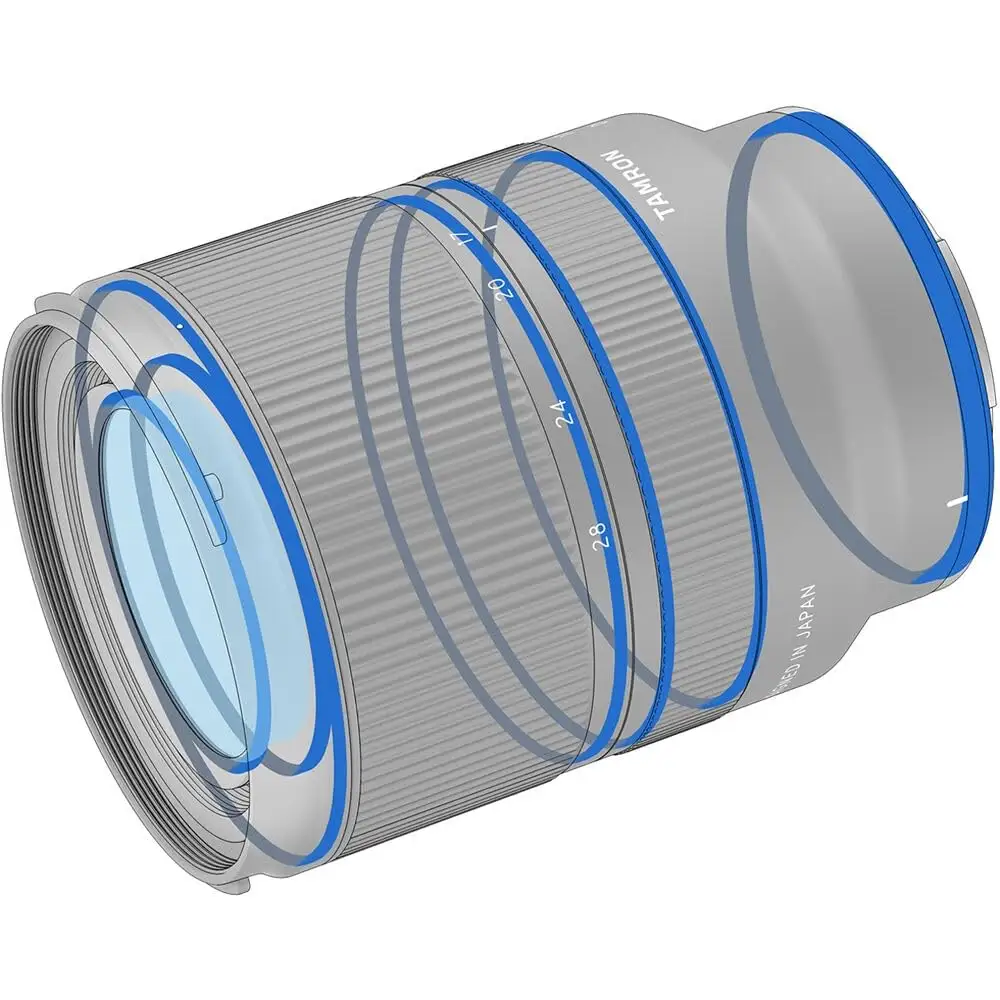
Weather sealing is not just marketing fluff. One community tester detailed inspecting “seven points of sealing”, and while long-term rain exposure stories are scarce, outdoor landscape shooters appreciate the peace of mind when traveling in unpredictable climates.
Common Complaints
Optical flaws show up in repeat patterns. Vignetting and pincushion distortion remain the top frustrations, particularly for architectural shooters. “The pincushion distortion can easily be fixed during post, but don’t skip it or you’ll see wicked vignetting,” warned a Photofocus reviewer. For JPEG shooters, this means relying on in-camera corrections.
Corner softness impacts astrophotographers and large print makers most. Multiple users report needing to stop down to f/5.6 or beyond to reduce edge blur. While not abnormal for ultra-wide zooms, it clashes with Tamron’s “magnificent image quality throughout the zoom range” claim.
Warm color rendering polarizes opinions. One Trustpilot buyer liked the tonal warmth for landscapes, but added: “Be careful with skin tones in portraits.” RAW shooters tend to overlook it; JPEG-only users may need to adjust camera profiles.
Divisive Features
The minimalist design — no AF/MF switches — earns both simplicity lovers and workflow critics. Documentary shooters appreciate the uncluttered barrel, but studio photographers lament the need to dive into camera menus for mode changes.
The limited zoom range (17-28mm) is another split point. Landscape and travel photographers see it as focused and lightweight, but event shooters accustomed to 16-35mm feel constrained. “It’s not traditional, but I’ll take the trade-off for less glass dangling off the front,” said one Reddit user.
Trust & Reliability
Long-term ownership stories point to consistent build performance. A six-month follow-up on Reddit reported no zoom creep and no loosening of rings despite frequent travel. Moisture-resistant seals remain effective — no internal fogging was mentioned even after humid shoots.
Trustpilot entries and eBay seller patterns show no widespread scam alerts for this model. Pre-owned units maintain high resale trust thanks to visible condition and test shots. The most repeated caution is purchasing from authorized dealers to secure warranty, as refurb listings sometimes omit sealing checks.
Alternatives
Within the Sony E-mount ecosystem, the Sigma 14-24mm f/2.8 DG DN Art and Sony 16-35mm f/2.8 GM are often mentioned. Tamron’s edge is weight and price — Photofocus notes it’s “cheaper while pushing both lenses in some areas” like flare control. Sigma offers more width at the cost of bulk; Sony brings sharper corners but nearly doubles the price.
Price & Value
On eBay, new units trend between $600-$800, undercutting retail MSRP of $850+. Pre-owned averages hover around $499-$550 in “near mint” condition, making resale loss smaller than on competing GM lenses. Community buying tips emphasize grabbing new stock during periodic Tamron discount windows, or pairing with the 28-75mm for maximum utility under budget.
FAQ
Q: Does the Tamron 17-28mm have optical image stabilization?
A: No. It relies on the in-body stabilization of Sony cameras. Handheld shooters report stability down to ~1/8s on IBIS-equipped bodies.
Q: How close can it focus?
A: 0.19m at 17mm, which enables creative close-ups with dramatic perspective — a favorite for environmental detail shots.
Q: Is distortion really an issue?
A: Yes, pincushion distortion exists at both ends, though in-camera or post correction removes most signs. Architectural shooters should enable lens correction profiles.
Q: Can filters be shared with other Tamron zooms?
A: Yes, it shares a 67mm thread with Tamron’s 28-75mm and 70-180mm, saving cost on polarizers and ND filters.
Q: Is it good for astrophotography?
A: The wide aperture helps, but corner softness until ~f/5.6 may bother pixel-peepers. Most night sky shooters use it stopped down for best results.
Final Verdict: Buy if you’re a travel, street, or landscape shooter prioritizing portability, quick autofocus, and weather sealing on a budget. Avoid if your work demands perfect corner sharpness at f/2.8 or wide coverage below 17mm. Pro tip from community: Pair it with Tamron’s 28-75mm for a sub-1kg kit that covers most focal needs without breaking the bank.





