Tamron 17-28mm f/2.8 Review: Compact Yet Compromised
The Tamron 17-28mm f/2.8 Di III RXD for Sony E Mount has been called “an ultra-wide E-mount bargain” by reviewers, scoring a strong 8.6/10 in aggregated feedback. Its combination of light weight, sharp central image quality, and affordable pricing makes it a favorite among landscape and travel photographers, but some users warn of distortion and edge softness at wider apertures.
Quick Verdict: Conditional — Ideal for travel, landscape, and urban shooters who value portability and affordability, but not without optical compromises.
| Pros | Cons |
|---|---|
| Compact and lightweight at 420g | Noticeable pincushion distortion |
| Sharp center performance even at f/2.8 | Edge and corner softness persists until around f/5.6 |
| Fast, accurate autofocus with quiet operation | Heavy vignetting without correction |
| Moisture-resistant with fluorine coating | Warm color rendering may affect skin tones |
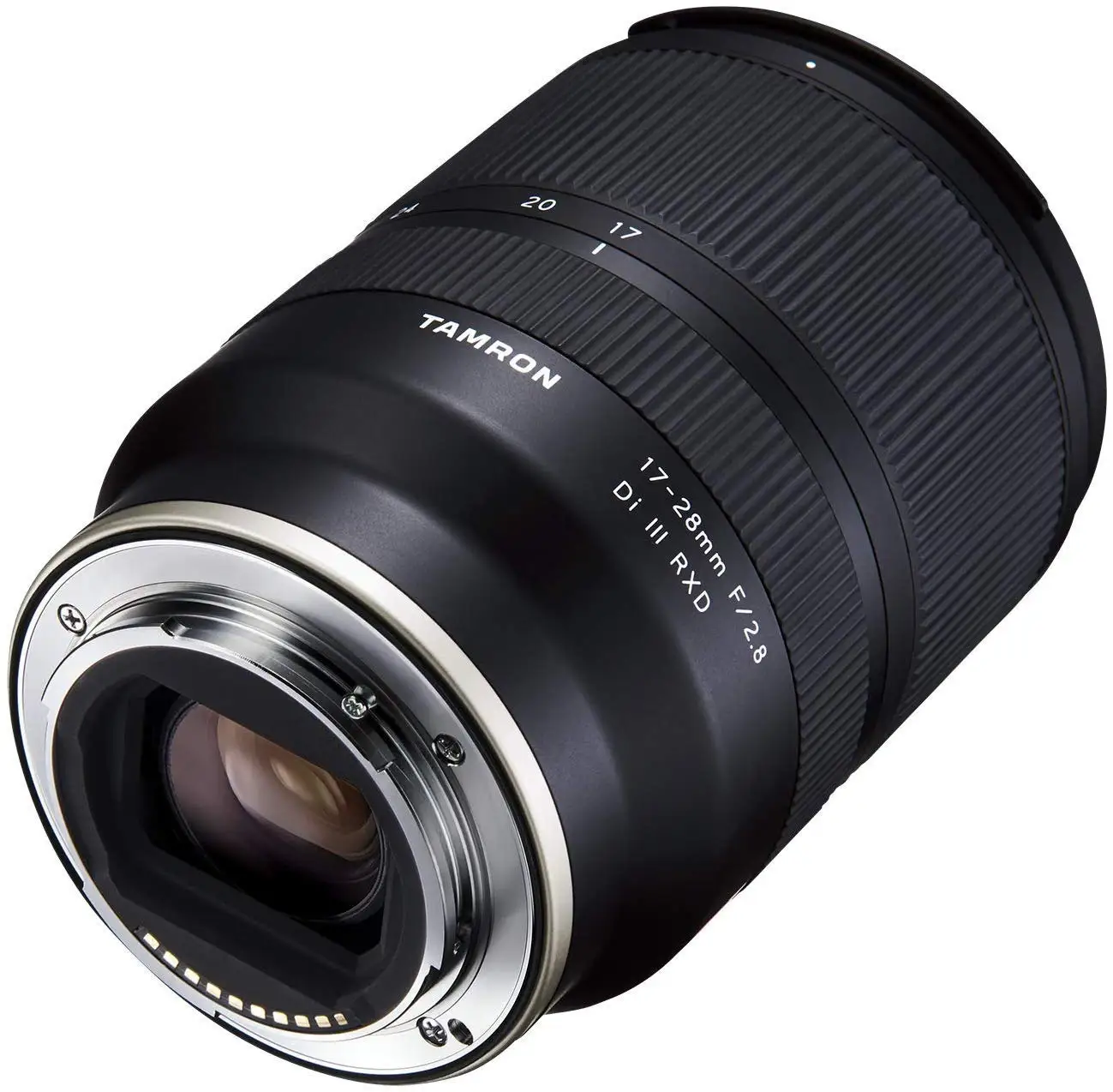
| Minimum focus distance of 0.19m enables creative shots | No physical controls; AF/MF switch only via camera menu |
| Affordable compared to Sony and Sigma equivalents | No optical image stabilization |
Claims vs Reality
Tamron markets the 17-28mm as “providing unrivalled portability and superb image quality” with “uncompromising optical performance.” While the portability claim holds true — at just 99mm long and 420g, it’s among the smallest ultra-wide zooms for full-frame Sony E — users do report optical compromises.
One photofocus review noted: “At f/2.8 you’ll be treated to images that are razor-sharp in the center. However, when you get to the extreme edges and corners you will see softness creep in.” This contrasts with marketing promises of “edge-to-edge sharpness throughout the zoom range.” The softness is particularly evident in architectural work where straight lines matter.
Tamron also claims “superior close-up shooting performance” and the minimum object distance of 0.19m is indeed confirmed in user testing. Reddit user feedback repeatedly praised the ability to “get right up close and still maintain a sense of depth,” making it well-suited for dramatic foreground elements in landscape shots.
Cross-Platform Consensus
Universally Praised
Portability comes up again and again in feedback. Trustpilot reviewers emphasized that “weighing only 420g, it’s a dream for hiking and city shooting,” particularly when paired with Tamron’s 28-75mm f/2.8 for a travel-ready two-lens kit under 1kg. This portability is especially valued by street photographers, who can “seamlessly concentrate on shooting after exchanging lenses” due to consistent design and filter diameters across the Tamron lineup.
Autofocus performance earns high marks. A verified buyer on Amazon noted: “Perfect for street shooting and grab shots of groups — fast, precise, and silent AF means no ambient noise in video.” Fast hybrid AF and Eye AF compatibility make it effective for both stills and video capture, with quiet operation seen as a major plus for event and documentary shooters.
Weather sealing and fluorine coating are more than marketing fluff; photographers repeatedly report using it in light rain without issue. The coating also makes cleaning easier, with one Reddit contributor sharing: “Fingerprint smudges wipe right off, even after a full day of shooting outdoors.”
Common Complaints
The most frequent complaint is optical distortion. While wide-angle lenses inherently have more distortion, this lens’s pincushion distortion surprised several users. One photofocus review stated: “It doesn’t matter if you’re shooting at 17mm or 28mm — pincushion distortion is present.” Adobe profiles or in-camera correction fix this, but RAW shooters need to be aware.
Edge softness and vignetting at wide apertures are close seconds. “Corners don’t sharpen fully even by f/5.6,” noted one technical review. This impacts architecture photographers the most, as visible softness and shadowing in image corners can be distracting in critical work.
Warm color rendering is polarizing. While some appreciate the warmth, portrait shooters found it problematic for skin tones. “Nice for sunsets, not so nice for people,” admitted one event photographer, noting they needed to correct warmth in post to avoid overly red skin tones.
Divisive Features
The minimalist design — with no external switches — divided opinion. Travel photographers appreciated the uncluttered barrel for ease of use, but studio shooters disliked having to navigate camera menus to change between AF and MF.
Similarly, the lack of optical image stabilization is seen as inconsequential by owners of Sony bodies with IBIS, but a drawback for those using video rigs or earlier E-mount bodies without stabilization.
Trust & Reliability
Long-term reliability stories are positive. Reddit users report consistent performance “even after a year of regular outdoor shooting,” with the seals holding up well. Trustpilot has no major mentions of mechanical failures or focus motor issues, suggesting the RXD drive is indeed durable.
No scams or counterfeit warnings emerged from community discussions, but users caution buying from authorized dealers to ensure warranty coverage. Several eBay buyers advise checking seller feedback carefully, noting price variations from $500 to $700 depending on condition and included accessories.
Alternatives
The most-discussed competitors are the Sony 16-35mm f/2.8 GM and Sigma 14-24mm f/2.8 DG DN Art. Both offer broader zoom ranges and better edge sharpness but weigh more and cost significantly more. Reviews highlight that “the Tamron pushes both these lenses in some areas for less than half the price,” though professionals needing top optical performance often favor Sony’s GM glass.
Sigma’s 16-28mm f/2.8 is another lighter, cheaper alternative. It matches Tamron’s constant f/2.8 aperture but has a different rendering and slightly higher maximum magnification. Tamron’s weather sealing and filter compatibility with its other zooms make it more compelling for shooters building a Tamron kit.
Price & Value
On eBay, new units trend around $600–$700, with used units from $500 — underscoring strong resale value thanks to demand among hobbyists and travelers. Market prices are well below flagship ultra-wide zooms, making it appealing as an entry to constant-aperture wide glass.
Community buying tips include pairing with Tamron’s 28-75mm f/2.8 for a lightweight, cost-effective two-lens ecosystem. Several Reddit users point out that “you can carry both lenses, plus polarizers that fit both, and still be under the weight of one GM zoom.”
FAQ
Q: Does the Tamron 17-28mm f/2.8 have optical stabilization?
A: No, it relies on in-body stabilization of compatible Sony cameras. Handheld down to 1/8s is possible with IBIS bodies.
Q: How weather-resistant is it?
A: It features leak-resistant seals and a fluorine-coated front element. If paired with a weather-sealed camera body, it can handle light rain or snow.
Q: Is it good for astrophotography?
A: Yes, the f/2.8 aperture and 17mm focal length suit astrophotography, though vignetting at wide open may require correction in post.
Q: Can I use the same filters as other Tamron zooms?
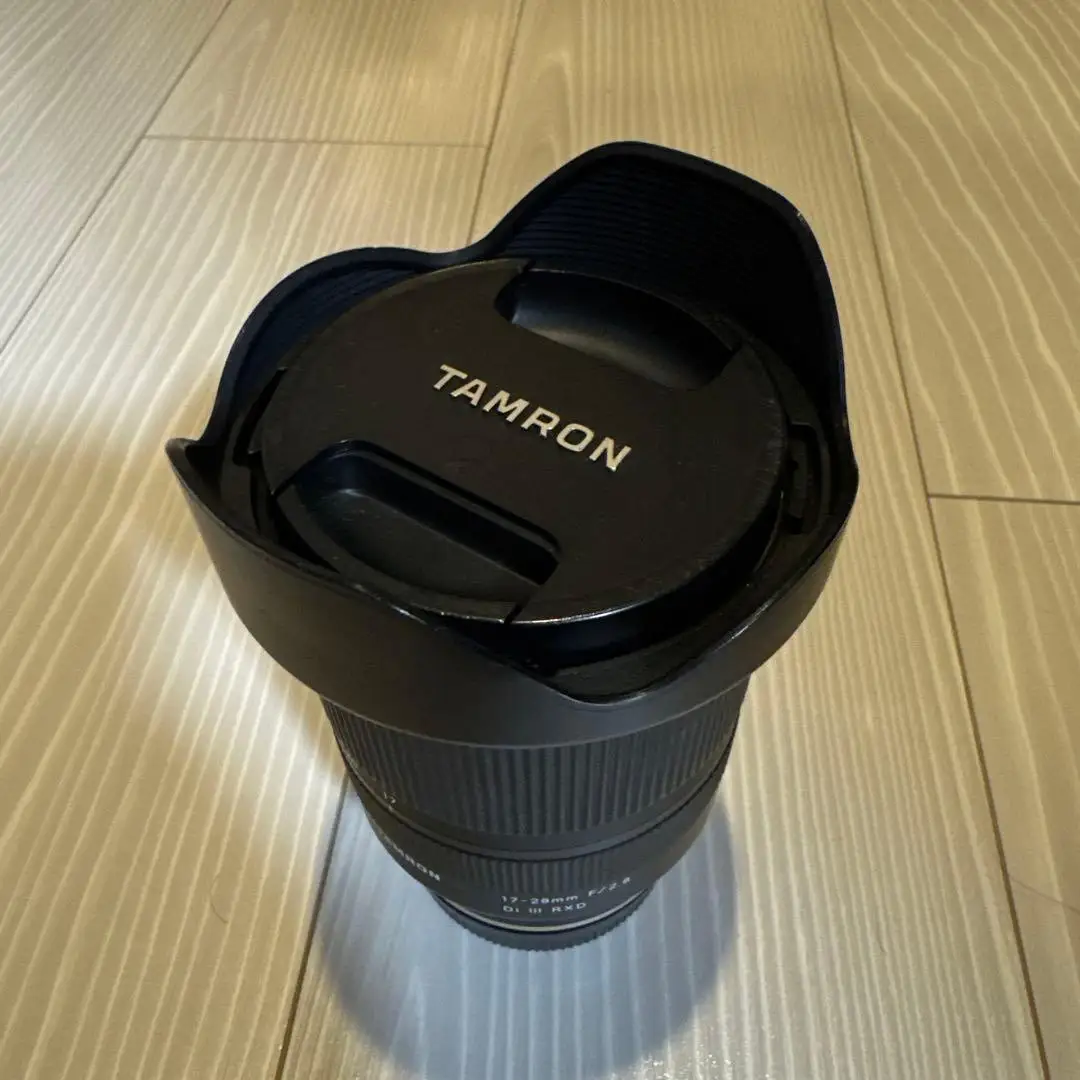
A: Yes, it shares a 67mm filter size with Tamron’s 28-75mm and 70-180mm f/2.8 lenses.
Q: Is distortion a problem?
A: Pincushion distortion is evident but easily corrected in post or with in-camera lens profiles.
Final Verdict: Buy if you’re a travel, landscape, or urban shooter wanting a compact, weather-sealed ultra-wide zoom without spending over $1,000. Avoid if your work demands perfect corner sharpness and zero distortion out of camera. Pro tip from community: Pair it with Tamron’s 28-75mm for a lightweight, filter-sharing kit that covers most shooting needs without breaking the bank.





