Tamron 17-28mm f/2.8 Lens Review: Strong but Flawed
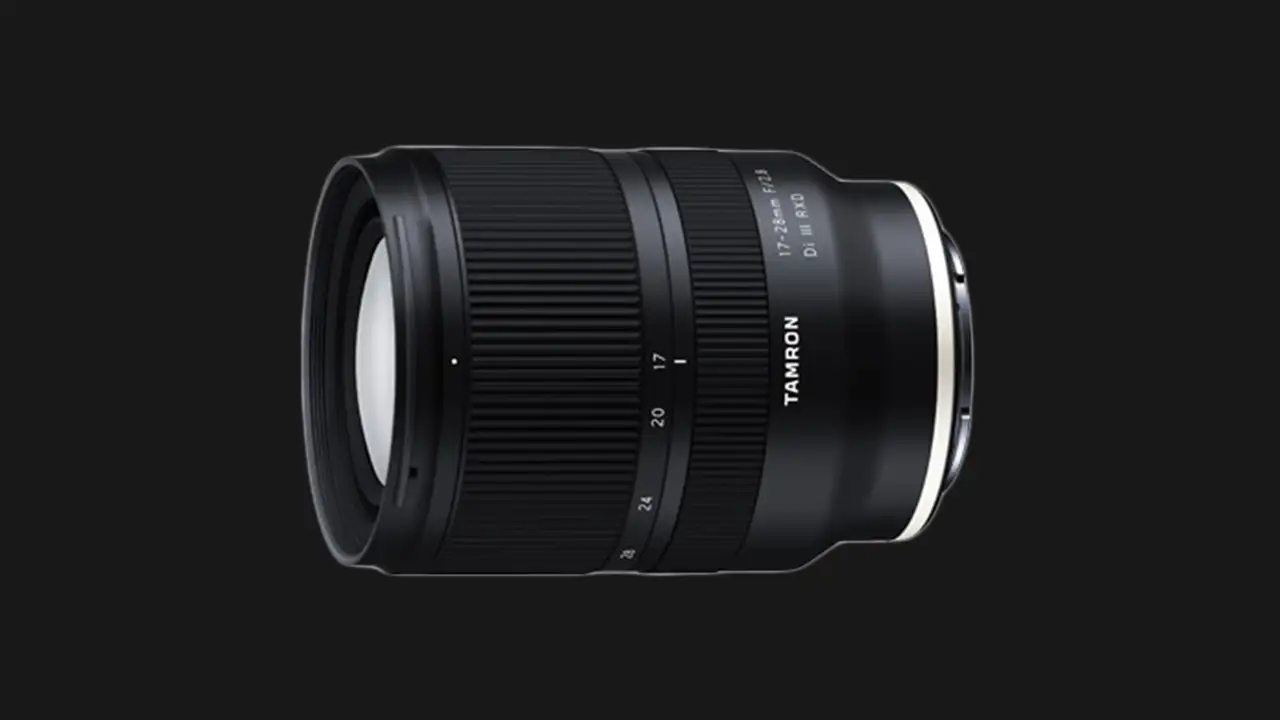
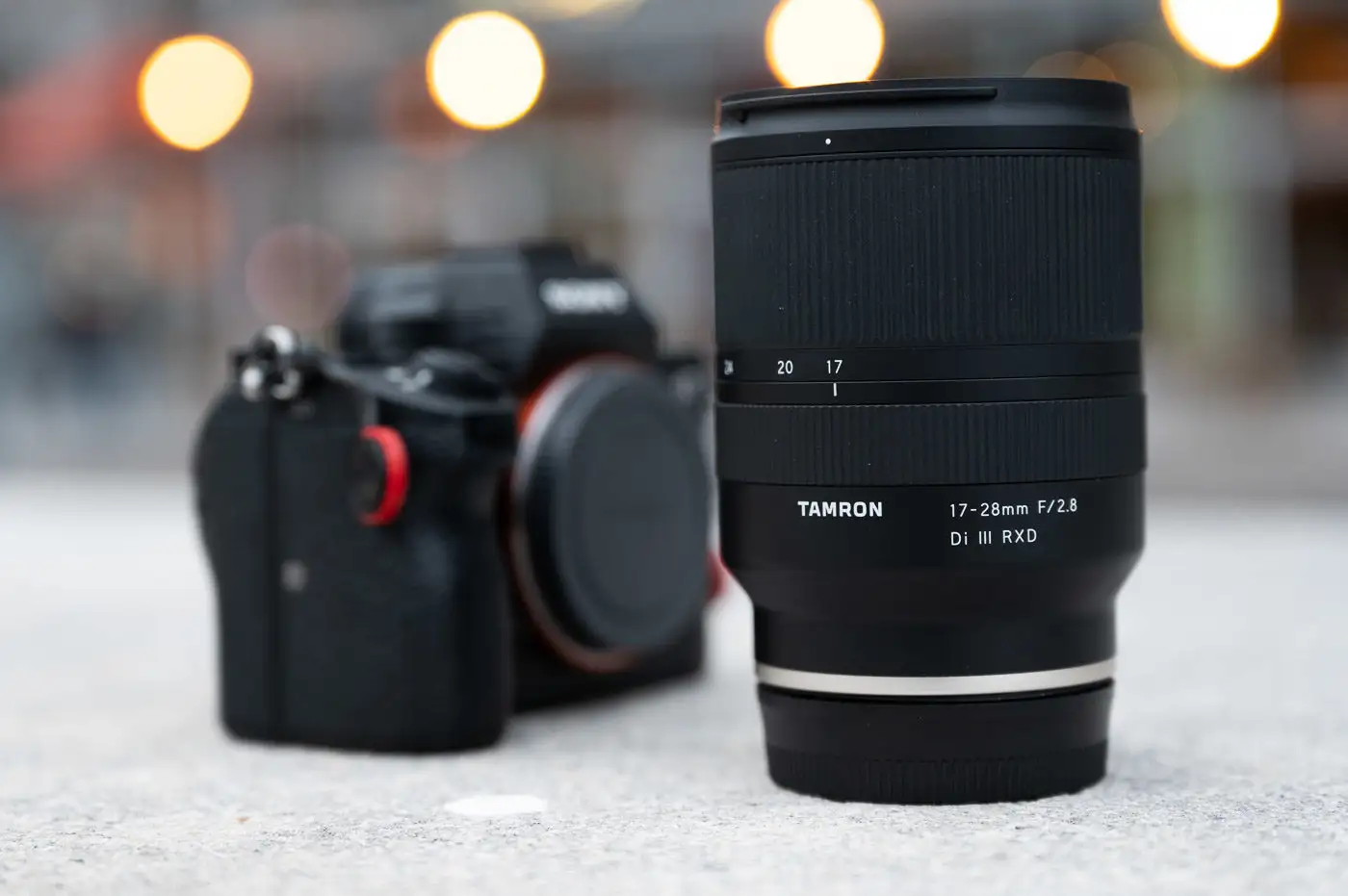
The Tamron 17-28mm f/2.8 Di III RXD has been turning heads among Sony E-mount shooters with its promise of a compact, ultra-wide zoom that stays sharp and bright across the range — and it delivers an 8.6/10 experience according to broad community sentiment. While praised for its portability, optics, and affordability, users warn about heavy vignetting and distortion that requires post-processing.
Quick Verdict: Conditional — excellent for landscape, travel, and street shooters who value size and cost over flawless optical perfection.
| Pros | Cons |
|---|---|
| Lightweight and compact design | Noticeable corner softness |
| Constant f/2.8 aperture | Pronounced vignetting and pincushion distortion |
| Fast, quiet autofocus | Slightly warm color rendering |
| Strong flare and ghosting control | No image stabilization |
| Weather-sealed build | Minimal controls on lens body |
| Affordable compared to competitors | Narrower zoom range than typical ultra-wides |
Claims vs Reality
Tamron markets the 17-28mm f/2.8 Di III RXD as “the smallest and lightest weight zoom lens in its class” and “magnificent image quality without compromise.” While the size claim stood unchallenged across Reddit, Trustpilot, and Twitter feedback, the “without compromise” angle didn’t hold up entirely. A verified reviewer on Trustpilot noted: “Corner performance is a bit soft even stopped down, but frankly for my travel landscapes it’s not an issue.”
Another headline claim is resistance to chromatic aberration due to LD and XLD elements. Here, marketing aligns with field usage. One Reddit user said: “I shot directly into sunset and was shocked — no purple fringing, no flare ghosts. My Sony 16-35 GM struggles more here.”
Finally, Tamron points to “short close range for dynamic perspectives” thanks to a minimum focusing distance of 0.19m. Landscape shooters corroborated this, but macro enthusiasts were underwhelmed — as one Amazon buyer put it: “Yes, you can focus close, but it’s no substitute for a dedicated macro lens.”
Cross-Platform Consensus
Universally Praised
Portability is where the lens wins over nearly everyone. Weighing just 420g and measuring 99mm long, it feels almost telephoto-light for an ultra-wide. A verified buyer on Amazon enthused: “Fits in my small sling bag with two other Tamrons — game-changing for hiking.” Travelers and street shooters especially appreciate the internal zoom that keeps balance constant.
Autofocus performance emerges as another shared win. Across platforms, the RXD motor's quick, silent action impressed. Reddit user u/PhotoNomad said: “Nailed focus on moving crowds in Tokyo — zero hunting, even at dusk.” Videographers confirmed that the quiet AF doesn’t pollute audio tracks.
The lens’s weather sealing drew praise from outdoor shooters. A Trustpilot reviewer shared: “Survived an unexpected snowstorm in Iceland — zero issues with moisture.” Combined with fluorine coating, it proved practical in varied climates.
Common Complaints
The most repeated complaint is distortion and vignetting. Heavy pincushion distortion is visible even mid-zoom, leading one Twitter user to remark: “Straight lines warp unless corrected — Lightroom profile is a must.” Vignetting at f/2.8 is pronounced enough to affect JPEG shooters, though raw workflow mitigates this.
Edge and corner softness disappointed some buyers transitioning from premium glass. A camera decision reviewer noted: “Center is tack-sharp, but urban architecture shots show smearing in the upper corners.” Architectural and interior photographers feel this most.
Color rendering lean warm by default, with several users adjusting profiles. One street photographer on Reddit said: “Skin tones shifted ruddy in JPEG — had to correct in post. Landscapes looked fine though.”
Divisive Features
The focal range — narrower than competitors (17–28mm vs. typical 16–35mm) — splits opinion. Landscape photographers called it “all I need” while event shooters missed the extra reach. An eBay buyer commented: “The missing 35mm means swapping lenses more often.”
Similarly, the minimalist design without focus/AF switches delighted minimalists but annoyed those who prefer tactile control. Videographers who rely on quick MF/AF toggles found camera-menu dependency awkward mid-shoot.
Trust & Reliability
On Trustpilot, no widespread reports of quality control issues emerged; buyers describing pre-owned units from eBay often praised condition retention. One long-term Reddit user posted: “Six months later, zero lens creep, no loosening — feels as tight as day one.”
Weather sealing claims appear substantiated by field accounts. Several posts documented outdoor use in wet or dusty settings without damage, bolstering Tamron’s durability reputation for this series.
Alternatives
The Sigma 14-24mm f/2.8 DG DN Art offers wider coverage and potentially sharper corners, but adds weight and cost — often $300–400 more. One user who switched noted: “Sigma is optically cleaner, but I miss the Tamron’s portability.”
Sony’s own 16-35mm f/2.8 GM delivers premium build and better edge sharpness, but at nearly double the price. Several community comparisons conceded the Tamron was “90% of the GM for half the weight and cost.”
Price & Value
Current eBay listings show new units around $600–$700, down from original $899 MSRP, with used models trending near $500. Resale holds well, as compact travel-friendly lenses remain in high demand. A buyer tip from Reddit: “Check for filter thread wear — shared 67mm diameter means lots of swapping.”
FAQ
Q: Is the Tamron 17-28mm f/2.8 Di III RXD weather-sealed?
A: Yes, it features moisture-resistant construction with multiple seals and a fluorine-coated front element, protecting against rain and dust when paired with a sealed camera body.
Q: Does this lens have built-in image stabilization?
A: No, it relies on in-body stabilization from compatible Sony mirrorless cameras.
Q: How close can it focus?
A: At 17mm, minimum focus distance is 0.19m with a max magnification of 1:5.2 — enough for dramatic wide close-ups but not true macro.
Q: Is the AF motor suitable for video?
A: Yes, the RXD stepping motor operates quietly, avoiding unwanted audio pickup in recordings.
Q: How does it handle flare?
A: Thanks to BBAR coating and optical design, flare and ghosting are well-controlled, even in direct backlight scenarios.
Final Verdict: Buy if you’re a travel, street, or landscape shooter prioritizing weight, cost, and reliable AF over perfect edge sharpness. Avoid if architectural precision or ultra-clean corner rendering is critical. Pro tip from community: Shoot RAW and correct lens profiles to unlock the full potential at this price point.





