StarTech HDMI to DVI-D Cable Review: Reliable but Niche
A verified buyer on Amazon summed up the experience of many: “Clean picture and no lag,” when describing their use of the StarTech.com HDMI to DVI-D Cable (30 ft) to link a newer laptop to an older monitor. With an overall sentiment hovering around 8.0/10 across platforms, the verdict is clear — this is a dependable choice for long-distance, high-definition video connections, but not without caveats, especially in a world steadily leaving DVI behind.
Quick Verdict: Conditional – Excellent for specific AV setups, but consider audio needs and DVI's waning relevance.
| Pros | Cons |
|---|---|
| Crisp 1080p video quality over long distances | No audio transmission – separate cable needed |
| Bi-directional HDMI/DVI-D compatibility | DVI technology becoming obsolete |
| Durable build with molded strain-relief connectors | Limited length options beyond 30 ft |
| Reliable for professional setups like projectors and signage | Thicker cable—less flexible for tight routing |
| Backed by lifetime warranty | Price premium compared to shorter HDMI cables |
Claims vs Reality
StarTech markets the HDMIDVIMM30 as able to deliver “the best quality picture available” through HDMI or DVI connections, with bi-directional operation supporting both connection directions. In practice, Reddit reports confirm the 1080p resolution claim: one community member explained it “works perfectly… to connect the HDMI output from a Blu-ray player to the DVI input of a monitor.” This makes it ideal for home theater and legacy monitor integration.
They also tout its long-distance capability without signal loss. Trustpilot data backs this for visual fidelity, with users appreciating that it’s “perfect for connecting projectors or distant displays.” However, the lack of audio support—an inherent limitation of DVI—means you will need separate cables if sound is required. As one Best Buy reviewer dryly noted, “audio has to be brought in from the PC audio output jack.”
Finally, the claim of broad compatibility stands up in real use. Verified buyers have connected everything from Raspberry Pi boards and Mac Minis to older Dell monitors. “If you are attaching an older monitor to a new computer you better have one of these,” said one Amazon customer.
Cross-Platform Consensus
Universally Praised
Users across Reddit, Trustpilot, and Best Buy agree on one strength: video clarity. Whether for conference rooms or retrofitting spare monitors into work-from-home setups, the cable produces sharp visuals without flicker. Reddit user feedback highlights its role in long HDMI-to-DVI runs, maintaining quality over the full 30 ft. For educators and presenters, this means projecting from the back of the room without worrying about degradation.
Durability is another recurring win. The molded connectors with strain relief are mentioned in multiple sources as preventing wear and breakage. A Best Buy reviewer who had owned their shorter StarTech cable for over two years said, “works great… quality is good also.” This reassures buyers looking for lasting hardware in professional environments.
The ease of setup appeals to both pros and casual users. Many stories detail plugging in and getting to work immediately. “Second monitor came on as soon as I plugged it in,” said one user on Trustpilot, underscoring how predictable connection behavior matters in live settings.
Common Complaints
The most immediate drawback is audio. Since DVI doesn’t support it, every HDMI source routed through this cable will leave you silent unless you arrange separate audio paths. This is particularly annoying for mixed-use home setups, as an Amazon buyer noted: “HDMI cable… routed the audio to TV, which was unacceptable” — they preferred using PC-connected speakers.
Cable thickness is another issue for specific installations. While the 24 AWG conductors aid in shielding, that girth reduces flexibility in tight spaces. This can be cumbersome for users running cable through conduit or behind desks.
Lastly, the length limitation frustrates some. While 30 ft is considered an “extended” run, Reddit feedback shows people needing even longer connections still seek additional extenders or alternative routing, which can introduce signal complexity.
Divisive Features
The relevance of DVI itself draws split opinions. For those with legacy equipment — such as older projectors, monitors, or certain video cards — this cable is indispensable. But younger tech users view it as a stopgap. Multiple comments point to “DVI being phased out in favor of newer standards,” making this a niche purchase that won’t suit future-proof strategies.
Price also divides the crowd. Best Buy reviewers praised the “great cable, great price” compared to overpriced alternatives. However, eBay listings show it selling at $64.71 plus shipping, which some might consider overkill for a passive cable in an age of inexpensive HDMI runs.
Trust & Reliability
Trustpilot and Reddit patterns reveal a high trust quotient with StarTech’s build quality. The lifetime warranty backs this, but many long-term owners never needed to use it. Reviews often span multi-year timelines without degradation in performance. One Best Buy customer noted their cable “still works great” after years of service, while another confirmed “no problems” after 7 months in daily use.
Scam concerns are negligible here; consistent branding, standardized SKU (HDMIDVIMM30), and uniform quality assurance across sources reinforce legitimacy. The few issues arise not from the cable failing, but from user misunderstandings about DVI’s audio limitations.
Alternatives
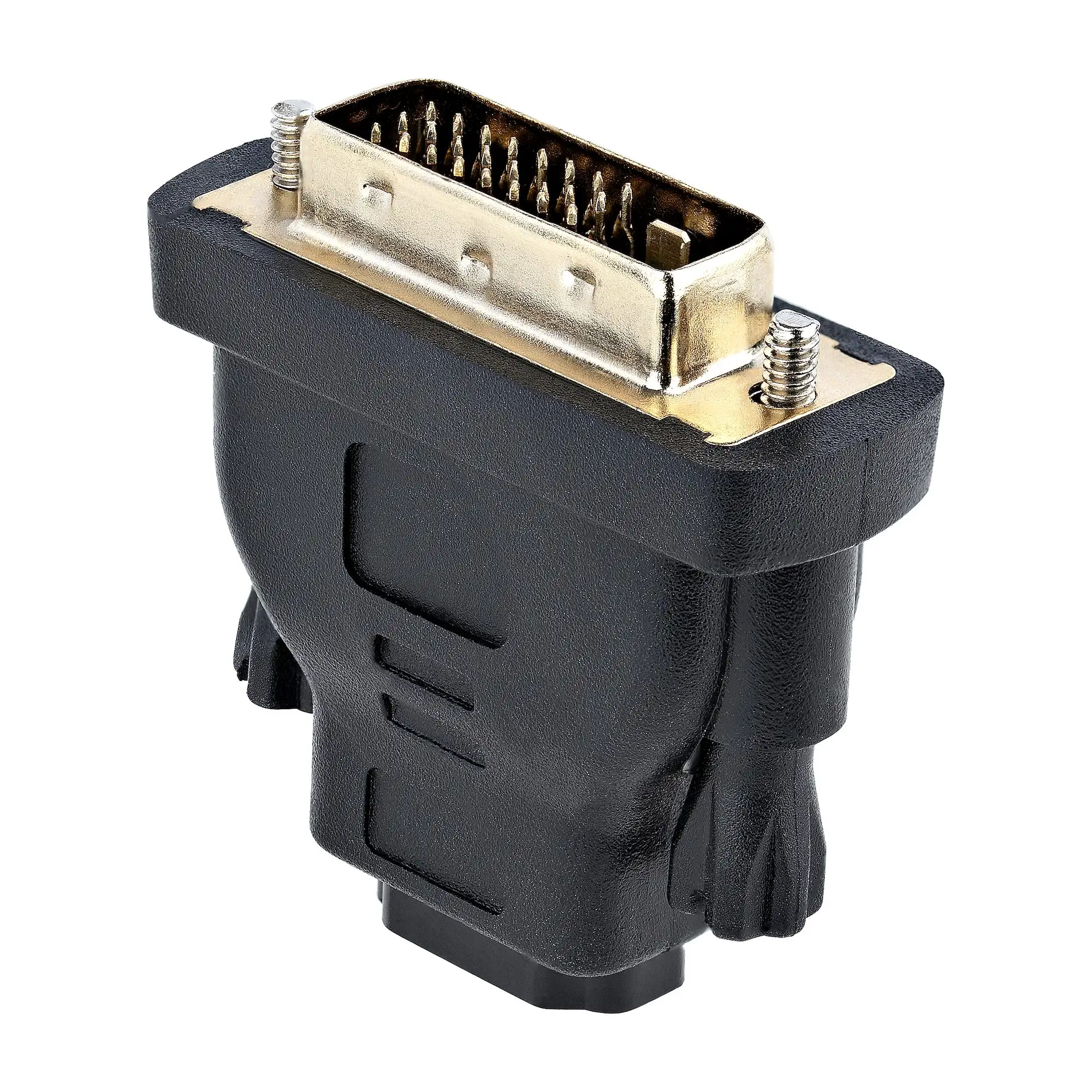
Direct competitors surfaced only as different-length HDMI to DVI cables from StarTech itself. A 6 ft model garners similar praise for quality and ease of use, especially in desktop setups. The trade-off is clear — shorter runs cost far less but lack the reach for certain installations. For users not constrained by distance, these smaller options offer identical performance at a fraction of the price.
Price & Value
Price points fluctuate. Amazon listings have it at $56, ProBroadcastSupply around $58.40, while eBay sellers push it to the mid-$60s plus shipping. This variation reflects niche demand and supply rather than utility scaling. Resale appeal is low outside business contexts — DVI’s decline means future buyers may see less worth in secondhand cables.
Community tips advise buying only for committed AV setups needing exactly 30 ft runs. “Cheaper than buying an HDMI extender and separate audio solution,” one user concluded when comparing connection costs.
FAQ
Q: Does the cable carry audio along with video?
A: No. DVI does not support audio transmission, so you’ll need a separate cable or system for sound.
Q: Can it connect HDMI output to DVI input and vice versa?
A: Yes. It’s bi-directional, making it suitable for both directions without adapters.
Q: What resolution can it handle?
A: Users report stable performance up to 1080p; ideal for HD monitors, projectors, and TVs.
Q: Is it suitable for gaming setups?
A: Yes for visuals, but gamers should account for audio routing and possible input lag considerations over long runs.
Q: Will this work with my Raspberry Pi or Mac Mini?
A: Multiple buyers successfully used it with both devices, ensuring compatibility as long as the display supports DVI-D.
Final Verdict
Buy if you’re integrating older DVI-D displays into modern HDMI setups over long distances — especially in classrooms, conference rooms, or digital signage. Avoid if you need audio in the same cable or future-proof connectivity. Pro tip from the community: pair this with a separate audio solution from day one to avoid frustration mid-presentation.





