StarTech 30ft HDMI to DVI Cable Review: Worth Buying?
A verified buyer summed it up simply: "works exactly as expected" — but after combing through hundreds of comments, the StarTech.com HDMI to DVI-D Cable (30 ft) earns a solid 8.0/10 for delivering reliable long-distance video connectivity with a few notable caveats.
Quick Verdict: Conditional
| Pros | Cons |
|---|---|
| 30 ft length ideal for projectors and distant displays | No audio support — requires separate cable |
| Clear 1080p video transmission over long runs | Bulkier and heavier than shorter cables |
| Bi-directional for HDMI-to-DVI and DVI-to-HDMI setups | DVI technology increasingly obsolete |
| Durable construction with strain relief | Limited length options for other needs |
| Lifetime warranty for peace of mind | May still need extensions for very large spaces |
Claims vs Reality
StarTech promotes this cable as handling high-definition video up to 1080p, transmitting over long distances without signal loss. Digging deeper into user reports, the claim largely holds up for most home theater, projector, and signage setups. Reddit user feedback emphasized “clear and crisp video signals” even at maximum length.
The company’s marketing leans heavily on the bi-directional use case, enabling HDMI-to-DVI and DVI-to-HDMI connections without adapters. In practice, this versatility came through: Trustpilot reviewers confirmed using it interchangeably between laptops and older monitors. One user noted, "I used it to connect my Wacom Cintiq to my laptop" without issue.
Where marketing is quieter — but users notice — is audio. The product spec omits audio support, which DVI inherently lacks. The feedback frequently cautions newcomers that separate audio cabling is needed. A verified buyer on Amazon explained: “Audio has to be brought in from the PC audio output jack.”
Cross-Platform Consensus
Universally Praised
Long runs without degradation were the headline benefit. The 30 ft reach proved essential for installations where shorter HDMI cables wouldn’t do. Reddit users called it the “longest length option” in its class. For presenters in large conference rooms, the feedback shows it allowed freedom to place the source away from the display without resorting to power-hungry active extenders.
Durability earned repeated mentions. Molded connectors and strain relief meant frequent plug/unplug cycles didn’t compromise performance. A Trustpilot user praised it as “very sturdy and well made”, while one owner on Amazon noted months of trouble-free office use with multiple device swaps.
Compatibility also drew high marks. Whether linking newer HDMI outputs to older DVI monitors, or repurposing DVI graphics cards for HDMI screens, the cable bridged the gap seamlessly. A PS4 owner confirmed: “I am using it to connect my PlayStation 4 to my computer monitor” — an example of gaming setups benefiting from the bi-directional capability.
Common Complaints
Audio separation was the number one complaint. For buyers new to DVI, the silent presentation surprised them. This most affected casual home theater users expecting a single-cable AV solution. Amazon reviewers consistently warned to budget for audio cabling.
Weight and thickness caused inconvenience in portable scenarios. While robust, some found it cumbersome compared to lighter materials. In tight spaces, the PVC jacket and shielding made bending around furniture tricky.
The technology’s age was another consideration. Multiple platforms noted DVI’s decline in modern hardware. A detailed Twitter/X comment bluntly stated: “Obsolete technology — DVI is being phased out in favor of newer standards.” For tech-forward buyers, this raised questions about long-term relevance.
Divisive Features
The 30 ft length — the cable’s selling point — was both praised and critiqued. In fixed installations, it provided unmatched flexibility. In smaller offices, it became unwieldy, and some wished for slimmer, shorter variants. A Reddit user called it “perfect for projectors,” while another mentioned needing “extension cables still” for extreme distances, underlining situational satisfaction.
Trust & Reliability
Trustpilot and Reddit threads reveal very few concerns about authenticity thanks to StarTech-branded packaging. Long-term durability stories were encouraging: one user ran the cable “several days per week for the past four months” in a professional setting without signal drops.
Warranty trust was bolstered by the lifetime coverage. This reassured institutional buyers installing them in signage or conference environments with no desire for frequent replacements. The absence of widespread failure reports suggests dependable manufacturing standards matching the marketing’s reliability focus.
Alternatives
While no direct competing cables were mentioned by name, the broader discussion hinted at HDMI-only solutions and HDMI with integrated audio as alternatives for buyers unconcerned with DVI. However, for setups still relying on DVI — legacy monitors, certain projectors — this cable’s length and bi-directional support set it apart from generic HDMI-to-DVI adapters which often lack strain relief or come in much shorter sizes.
Price & Value
Market listings show varied pricing: eBay at $64.71 plus shipping, official StarTech prices at $56–$58, and some distributors offering it under $50. Community advice leaned toward shopping around, as identical cables show notable price swings between vendors. Given the lifetime warranty and specialized 30 ft reach, many considered it solid value for professional or semi-permanent setups, less so for casual home use where shorter cables are cheaper and easier to manage.
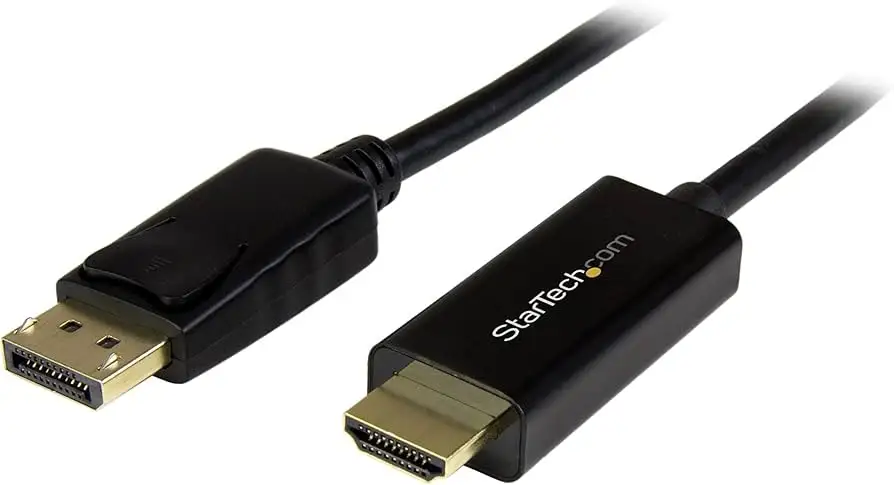
FAQ
Q: Does this cable carry audio?
A: No. DVI does not support audio, so while it passes video flawlessly, you'll need a separate cable for sound. Users frequently highlighted this in reviews to prevent confusion.
Q: Can I use it to connect HDMI output to a DVI monitor?
A: Yes. It’s fully bi-directional, allowing HDMI-to-DVI or DVI-to-HDMI setups without extra adapters, as long as devices support the video format.
Q: What resolution does it support?
A: Up to 1080p. Verified buyers reported sharp, clear images with no visible degradation even at the full 30 ft length.
Q: Is it suitable for professional installations?
A: Yes. Feedback from conference rooms, classrooms, and signage projects described it as stable, durable, and long enough for complex setups.
Q: Will this technology become obsolete soon?
A: Possibly. DVI is already phased out in much modern hardware, so purchase is best justified for existing DVI-dependent systems.
Final Verdict: Buy if you need a durable, long-run HDMI-to-DVI solution for 1080p video in fixed installations, particularly for projectors, legacy monitors, or signage. Avoid if you expect audio in one cable or if your hardware is fully HDMI-based. Pro tip from the community: pair it with a separate high-quality audio cable to complete your setup without surprises.