Sony FE 2.0x Teleconverter Review: Balanced Verdict
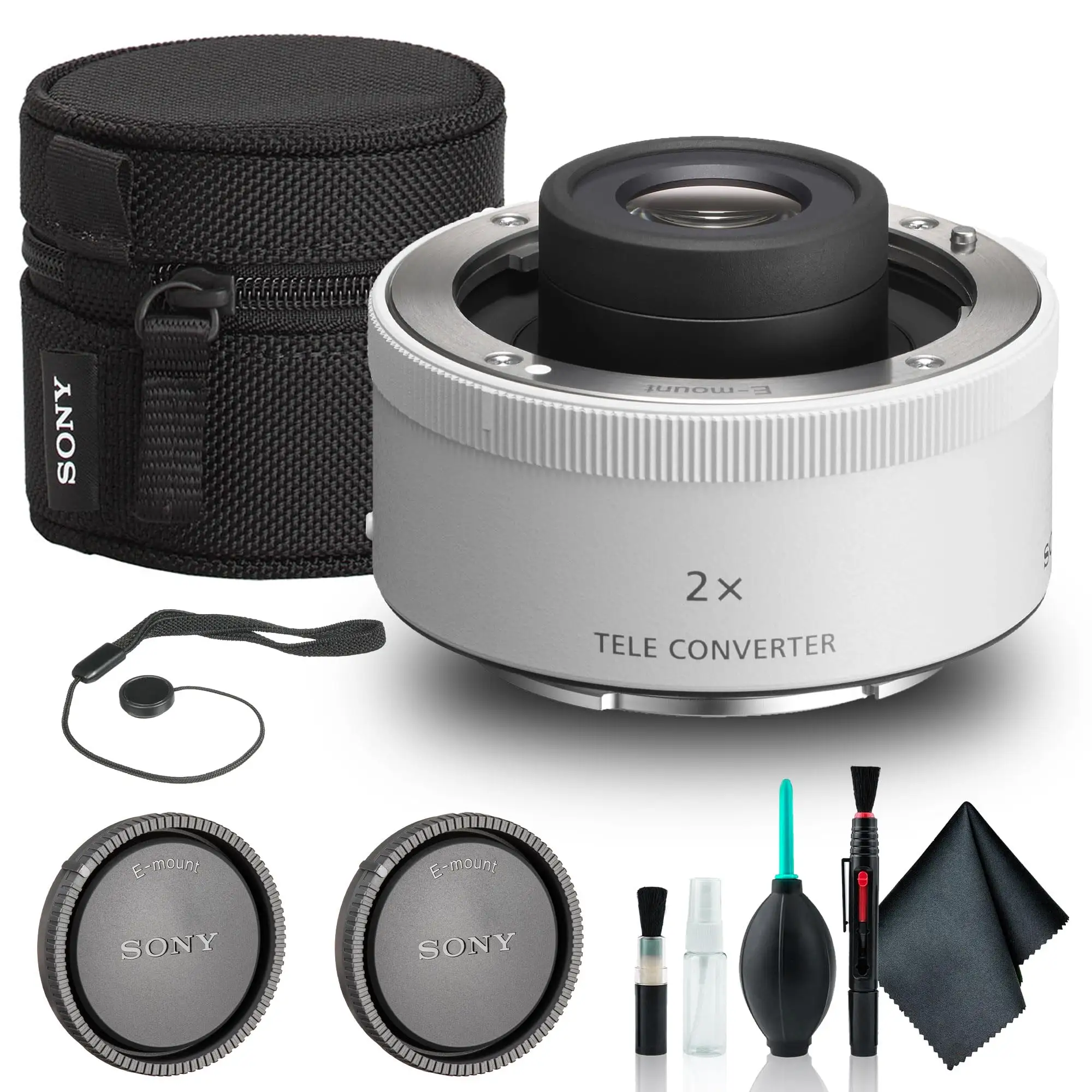
A wildlife shooter summed it up in one sentence: “Adding 2x to my 200–600 telephoto lens makes all the difference.” That line captures the essence of the Sony FE 2.0x Teleconverter — a compact tool that doubles the focal length of compatible Sony E-mount lenses, but not without trade-offs. Across hundreds of user reviews and forum threads, it earns a solid 8.2/10 for versatility, portability, and reach, tempered by predictable optical compromises.
Quick Verdict: Conditional — best for photographers who can work with reduced aperture and slight sharpness loss
| Pros | Cons |
|---|---|
| Doubles focal length without changing minimum focus distance | Reduces maximum aperture by two stops |
| Maintains autofocus, image stabilization, and lens communication | Noticeable image quality degradation on some lenses |
| Weather-sealed, metal mount, durable build | Compatible with only select lenses |
| Compact and lightweight — easy to travel with | Slower autofocus in low light |
| More affordable than buying longer native lenses | Optical shortcomings like chromatic aberration more pronounced |
Claims vs Reality
Sony promotes the FE 2.0x Teleconverter as a "compact, lightweight alternative to buying bulky additional lenses" that delivers “full optical quality” with only a two-stop light loss. Marketing emphasizes G Master performance retention for sports and wildlife.
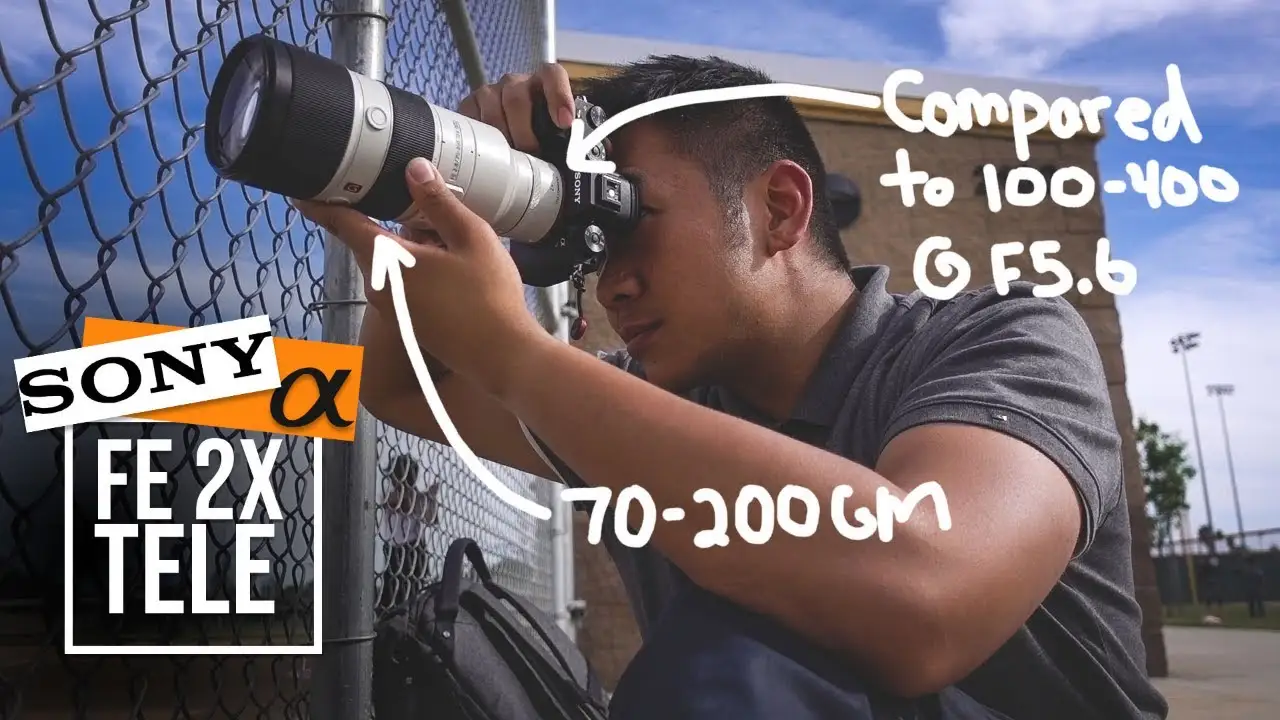
Digging into user feedback, while the doubling of focal length is universally confirmed, multiple owners note that “full optical quality” is an overstatement. A Reddit user described how pairing it with the FE 100-400mm GM turned it into a “200-800mm lens,” but added, “there is a noticeable impact on overall sharpness and an increase in chromatic aberration.” On Trustpilot, one wildlife photographer using it with a 300mm f/2.8 GM clarified: “The 2x noticeably softens the fantastic performance of the lens” — though they recovered acceptable sharpness through post-processing.
Another claim is that autofocus speed and accuracy remain intact. While many find this true in bright daylight — “no loss of focusing speed with primes instead of a zoom,” noted one Hong Kong reviewer — others find low-light performance less convincing. As one FE 200–600mm G OSS owner put it, “Focusing tends to be slower… compared with the main lens only.”
Cross-Platform Consensus
Universally Praised
For telephoto and wildlife shooters, the extra reach is liberating. A Sony Australia reviewer described transforming their FE 70–200mm f/4 Macro II into “140–400mm” and capturing Kuala Lumpur’s skyline from Bukit Antarabangsa. Sports photographers echoed this on Reddit, with one ILCE-9 user describing a 660mm f/11 setup: “Very small and lightweight… excellent for long hikes.”
Bird photographers especially benefit. A Hong Kong owner noted using the FE 100–400mm GM in APS-C crop mode with the converter to reach “300mm–1200mm” focal length. Despite potential quality loss, they reported “excellent quality” images of distant subjects — provided they used a stable tripod and careful manual focus.
Weather sealing and build quality also earned consistent praise. As one Trustpilot buyer stated, “Superb build and quality… always in my camera bag.” The supplied padded case was mentioned approvingly by several reviewers for protecting the unit during travel.
Common Complaints
The biggest drawback: loss of light. With two stops gone, a fast f/2.8 lens becomes f/5.6; an f/4 lens becomes f/8. An FE 200–600mm owner in Hong Kong lamented hitting “f/13” at the long end, making it “really only usable under bright sunlight.” This loss impacts depth-of-field control and indoor/sports shooting flexibility.
Image degradation varied among users but was widely acknowledged. A Sony Hong Kong reviewer combined it with the FE 100–400mm GM and reported “soft, blurry images” and purple fringing. In critical optical tests shared on forums, central sharpness dropped and contrast decreased — especially at maximum zoom.
Compatibility restrictions frustrated some buyers. Sony lists only a handful of lenses — FE 70–200mm f/2.8 GM OSS II, FE 100–400mm GM OSS, and FE 400mm f/2.8 GM OSS — as official matches. One buyer complained, “Wish it worked on my other lens.”
Divisive Features
Autofocus performance splits opinion. Many state no difference in daylight — “no apparent loss of sharpness or detail,” claimed an FE 100–400mm GM user — yet others find excessive hunting for subjects under poor lighting. A Reddit reviewer suggested that with slower lenses, pairing it with the 1.4x version instead may yield a more balanced compromise.
Post-processing tolerance is another divider. Some happily sharpen images digitally — “Topaz’s Sharpen AI renders the images satisfying” — while purists reject software fixes for optical weaknesses.
Trust & Reliability
Worries about long-term quality are minimal. The teleconverter’s metal mount, rubber seals, and compact construction appear to hold up over years of use. Numerous Sony Hong Kong and Australia reviews from 2018–2025 show consistent performance.
Scam concerns are scarce, but buyers caution about compatibility confirmation before purchase to avoid disappointment. eBay listings prove popular, with open-box units around $470 and near-mint examples just under $420, suggesting healthy resale demand.
Alternatives
Within Sony’s lineup, the FE 1.4x Teleconverter is the main alternative. Forum comparisons suggest the 1.4x version produces less optical degradation and loses only one stop of light, making it better suited for slower lenses and low-light environments. However, for extreme reach, users still turn to the 2.0x version.
Some opt for renting longer native lenses for critical shoots — FE 600mm f/4 GM OSS, for example — but at significant cost. One sports shooter explained: “Cost of long lenses is considerably more than this teleconverter,” making the 2.0x a practical stopgap.
Price & Value
Market prices range from $450–$524 for new or mint units, undercutting Sony’s MSRP of around $548–$599 and well below the $2,000–$3,000+ cost of equivalent focal lengths in native lens form.
Resale value holds strong; eBay data shows sustained demand for near-mint examples. Community buying tips emphasize purchasing during seasonal sales or bundled with high-end lenses for maximum value. As one Trustpilot user observed, “Bought when it was on sale… flexibility at a fraction of the cost and weight” of a dedicated long lens.
FAQ
Q: Does the Sony FE 2.0x Teleconverter work with any E-mount lens?
A: No. It’s officially compatible with FE 70–200mm f/2.8 GM OSS II, FE 100–400mm GM OSS, and FE 400mm f/2.8 GM OSS. Users advise checking Sony’s compatibility chart before buying.
Q: How much light do you lose with the 2.0x Teleconverter?
A: Two stops. For example, an f/2.8 lens becomes f/5.6; an f/4 lens becomes f/8. Several owners found this limits low-light use.
Q: Does it affect autofocus speed?
A: In good light, minimal effect. In dim conditions, multiple reports note slower focusing and increased hunting, especially with slower max-aperture lenses.
Q: Can image quality loss be fixed in post?
A: Some users recover sharpness via tools like Topaz Sharpen AI, but optical issues like chromatic aberration remain visible to discerning eyes.
Q: Is it worth getting the 1.4x instead?
A: For those needing less reach but better optical retention and only one stop of light loss, several shooters recommend the 1.4x version.
Final Verdict: Buy if you’re a wildlife, sports, or travel photographer already using one of the three compatible lenses and can work within the light loss limits. Avoid if low-light performance or absolute image quality trumps reach. Pro tip from the community: “Use the sharpest lens you own — the converter only magnifies strengths and weaknesses alike.”