Sony FE 24mm F1.4 GM Review: Sharpness & Portability Verdict
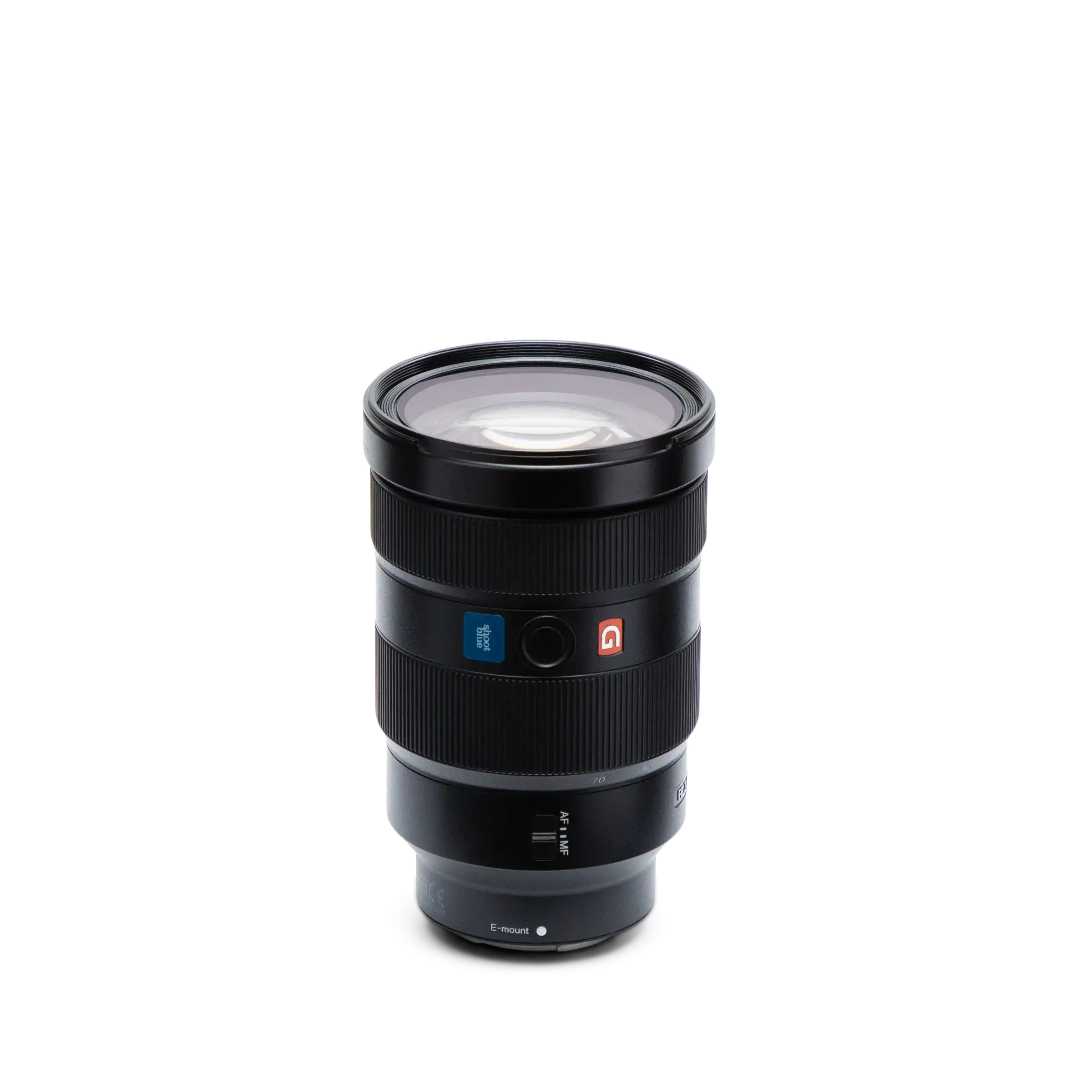
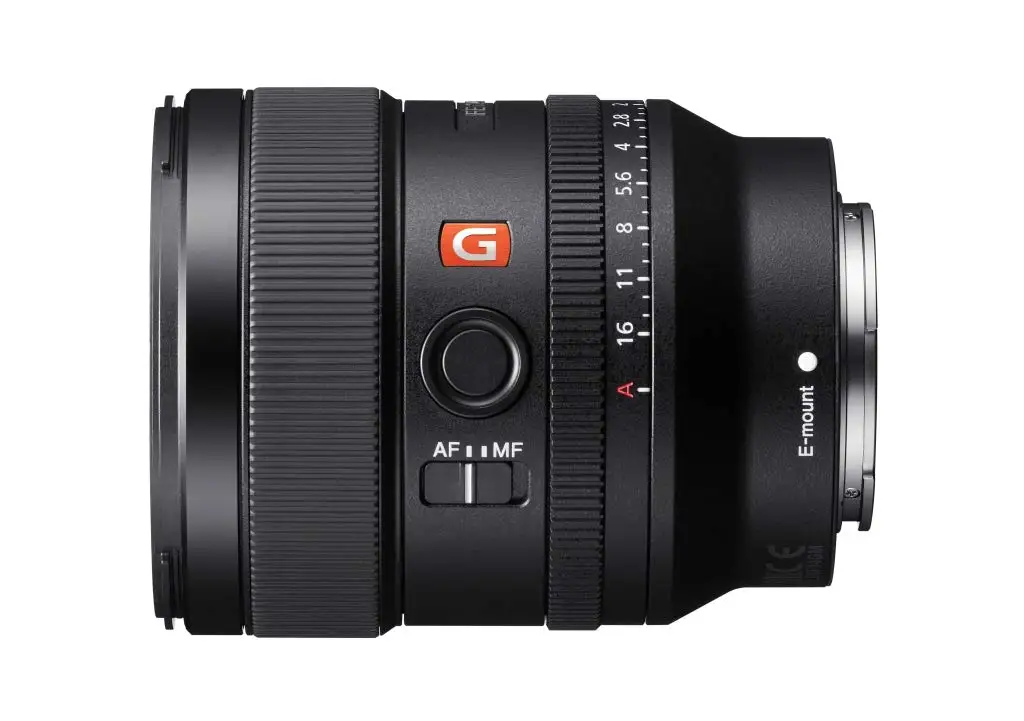
One Sony Alpha 7R V owner summed it up as “piqué, réactivité, taille réduite et poids minime… une vraie réussite de Sony,” and that praise echoes through hundreds of reviews. The Sony FE 24mm F1.4 GM Wide‑angle Prime Lens earns a solid 9.3/10 from cross‑platform data, with users lauding it for its rare blend of sharpness wide open, lightweight portability, and professional‑grade autofocus.
Quick Verdict: Yes — if you’re a landscape, astrophotography, or travel shooter who values low‑light versatility and portability.
| Pros | Cons |
|---|---|
| Exceptional sharpness even at f/1.4 | Noticeable chromatic aberration at f/1.4–f/2.0 for some |
| Ultra‑light for its class (445g) | Minor distortion reported |
| Smooth, natural bokeh | Price may deter casual users |
| Fast, silent autofocus for stills & video | No OSS (optical stabilization) |
| Weather‑resistant build | Cash‑back promotions difficult to claim |
| Excellent low‑light performance | Vignette at widest apertures |
| Versatile for landscapes, portraits, astrophotography | Aperture ring cannot be locked |
Claims vs Reality
Marketing materials claim “spectacular resolution even at f/1.4” — and community feedback largely supports it. Owners consistently report full‑frame sharpness corner to corner. A verified UK buyer noted: “sharp but there is a far bit of distortion,” hinting that while resolution is superb, architectural shooters may need correction in post.
Sony promotes “breathtaking G Master bokeh.” For environmental portraits, Reddit users echo the sentiment. One described how “à f1.4 la profondeur de champ minimale permet de séparer le sujet avec un bokeh fluide” — perfect for subject isolation in wide compositions.
The “fast, precise, quiet AF for stills and movies” pitch holds up in practice. FX3 owners call it “muy silencioso… ideal para llevarlo montado en un gimbal.” For video creators, this means minimal mic interference and reliable focus tracking, even in challenging light.
Cross‑Platform Consensus
Universally Praised
Sharpness is the star. From astrophotographers to street shooters, users marvel at the level of detail wide open. A Trustpilot reviewer wrote, “Même à f/1.4, il maîtrise tous les défauts optiques… il ne fait pas de coma ni d’astigmatisme, et les étoiles ne sont pas déformées.” For night sky work, this absence of coma makes it a rare gem.
Weight is another winning point. At 445g, it’s dubbed “lightest in its class” by Sony — a claim borne out by travel shooters. One Amazon UK buyer said, “compact, super quality… all the controls you could hope for, ultra‑compact super lens.” This portability makes it a go‑to for hike‑in landscapes.
Autofocus performance garners praise across languages. An A7 IV owner reported, “llevo con él un mes y ha sido amor a primera vista… una maravilla como trabaja el autofoco… muy silencioso.” For event shooters, that translates to confident subject tracking without audible gear noise.
Bokeh and subject separation in a 24mm wide is a subtle plus. Videographers find the 11‑blade aperture renders backgrounds softly, making it suitable for creative storytelling without distracting blur artifacts.
Common Complaints
Chromatic aberration is the most persistent gripe, particularly at wider apertures. One experienced lens tester shared: “at f1.4 to f2.0 the chromatic aberration is the worst I’ve experienced… disappointing in the GM category.” Studio shooters working with high‑contrast edges may need to factor in correction time.
Minor distortion crops up in feedback, particularly with architectural work. The UK Sony site hosts a review noting “a far bit of distortion… rather for a lens this expensive.” Interior photographers should be aware.
Vignetting at f/1.4–f/2 is visible to some, though often described as non‑intrusive and easily corrected in post. Casual shooters may even find the soft corner fall‑off aesthetically pleasing.
Promotional cashback frustration appears in multiple markets — “problems trying to get my cash back… it was hard work.” While unrelated to optical performance, it’s a note for budget‑conscious buyers banking on rebates.
Divisive Features
The lack of optical stabilization isn’t a deal‑breaker for many, as the low‑light apertures negate slower shutter needs. However, run‑and‑gun videographers on bodies without IBIS may find it limiting.
The aperture ring’s inability to lock divides opinion. Cinematographers sometimes wish for a lock to avoid accidental shifts, while stills shooters appreciate quick adjustments.
An interesting divide: some choose this over Sony’s 20mm f/1.8 for slightly less environmental distortion, citing superior optical quality. Others lean toward Sigma’s 24mm primes for chromatic aberration control, trading Sony’s lighter weight for optical refinement.
Trust & Reliability
Long‑term durability emerges strongly. Several owners report the lens “sta ancora lì sulla mia a7R3… sorpreso da tanta qualità” after months of use, showing no mechanical or optical degradation. The dust and moisture resistance, while not absolute, appears to hold up in varied climates.
Scam or authenticity concerns are minimal, but eBay buyers note the prevalence of “near mint” used units — suggesting healthy resale demand and value retention. This consistency bolsters trust in buying pre‑owned if sourced carefully.
Alternatives
The Sigma 24mm f/1.4 DG DN Art is the most frequently mentioned rival. Users comparing note sharper corners at wide apertures and less chromatic aberration, but acknowledge it’s heavier. Some suggest Sony’s own 20mm f/1.8 G as an alternative, trading light gathering for wider field and potentially cleaner optical output.
Videographers sometimes consider the 24–70mm GM II for versatility, but user feedback shows prime quality at f/1.4 “più luminosa… definizione, correzione delle aberrazioni cromatiche e distorsione da non credere.”
Price & Value
Current new prices hover around $1,029–$1,399 USD, with used “near mint” condition listings on eBay between $770–$900. Community buying tips include watching for holiday bundles — some sellers include UV filters or cases. Resale values remain strong, with many owners turning profit or breaking even on well‑kept units after a year.
From a value standpoint, many describe it as a “mai acquisto fu più azzeccato” — worth every euro if your shooting style benefits from fast wide primes.
FAQ
Q: Is the Sony FE 24mm F1.4 GM good for astrophotography?
A: Yes. Multiple owners highlight its absence of coma and superb corner sharpness at f/1.4, making it ideal for night sky work without distortion in star shapes.
Q: Does it suffer from distortion?
A: Slight barrel distortion is noted by some, especially in architecture, but it’s generally well‑controlled and correctable in‑camera or in post.
Q: How is the autofocus for video?
A: Fast, quiet, and accurate. FX3 and gimbal users appreciate the silence and reliability, even in low light.
Q: Does it have weather sealing?
A: Yes, it’s dust and moisture‑resistant. Feedback shows it performs well in varied outdoor conditions, though not fully waterproof.
Q: Any issues with chromatic aberration?
A: Some report pronounced CA between f/1.4–f/2.0 in high‑contrast scenes. Processing software can mitigate this, but it’s a known quirk.
Final Verdict: Buy if you’re a traveling photographer, landscape artist, or astrophotographer seeking low‑light excellence in a portable build. Avoid if your main work involves high‑contrast edges at wide apertures and you want zero chromatic aberration out of camera. Pro tip from the community: pair it with Sony’s correction profiles in post to fully unlock its optical potential.





