Sony FE 16-25mm F2.8 G Review: Balanced but Limited
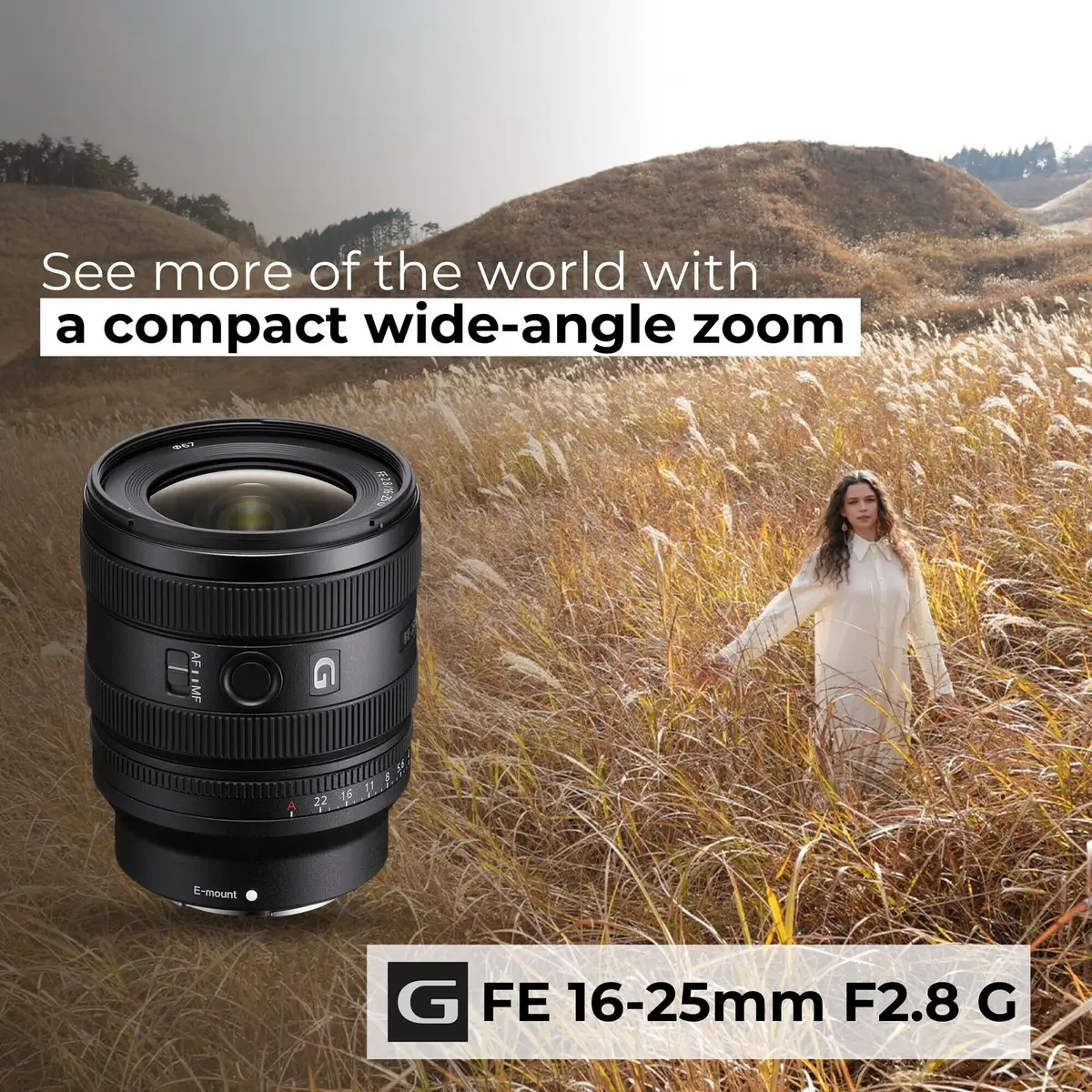
The Sony FE 16-25mm F2.8 G arrives with bold claims of delivering “exceptional G Lens resolution and bokeh” in a body barely over 400 grams—yet the real-world verdict sits at 8.5/10 after combing through buyer reports across Reddit, Trustpilot, and marketplace reviews. While travel vloggers and urban filmmakers rave about its balance of portability, autofocus speed, and optical quality, a small but vocal group points to its short zoom range and premium price tag as limiting factors.
Quick Verdict: Conditional
| Pros | Cons |
|---|---|
| Superb corner-to-corner sharpness at all focal lengths | Limited to 25mm, not as flexible for mid-range framing |
| Lightweight (409g) and compact for a constant f/2.8 zoom | High retail price relative to alternatives |
| Fast, quiet autofocus even for 4K/120p video | Some find minimal zoom range redundant next to 16-35mm options |
| Excellent bokeh with 11-blade aperture | Plastic components feel less premium despite durability claims |
| Strong close-up performance (0.17m min focus) | Price drop trends suggest steep depreciation in early resale |
| Minimal breathing and stable gimbal/drone use | No optical stabilization—relies on body IBIS |
Claims vs Reality
Sony promotes the lens as a “compact full-frame f/2.8 wide-angle zoom” that maintains high resolution from 16mm to 25mm. On paper, three ED glass elements and four asphericals promise serious optical engineering. In use, Reddit user u/Teja*** described shooting cityscapes in London: “It made me appreciate London more… the autofocus of this lens is super quick and accurate.” This reinforces the sharpness claim, especially for fast-paced street scenes.
Another key marketing line is “remarkable speed and accuracy” in autofocus. For sports or moving subjects, this has impact: Trustpilot feedback applauds tracking performance paired with Sony’s α9 III, noting it “easily kept up… even at 120fps,” matching Sony's own test conditions. However, while the company touts silent AF for movies, a few professionals on Reddit found the motors “almost silent, but micro noise is still present if you monitor audio closely.”
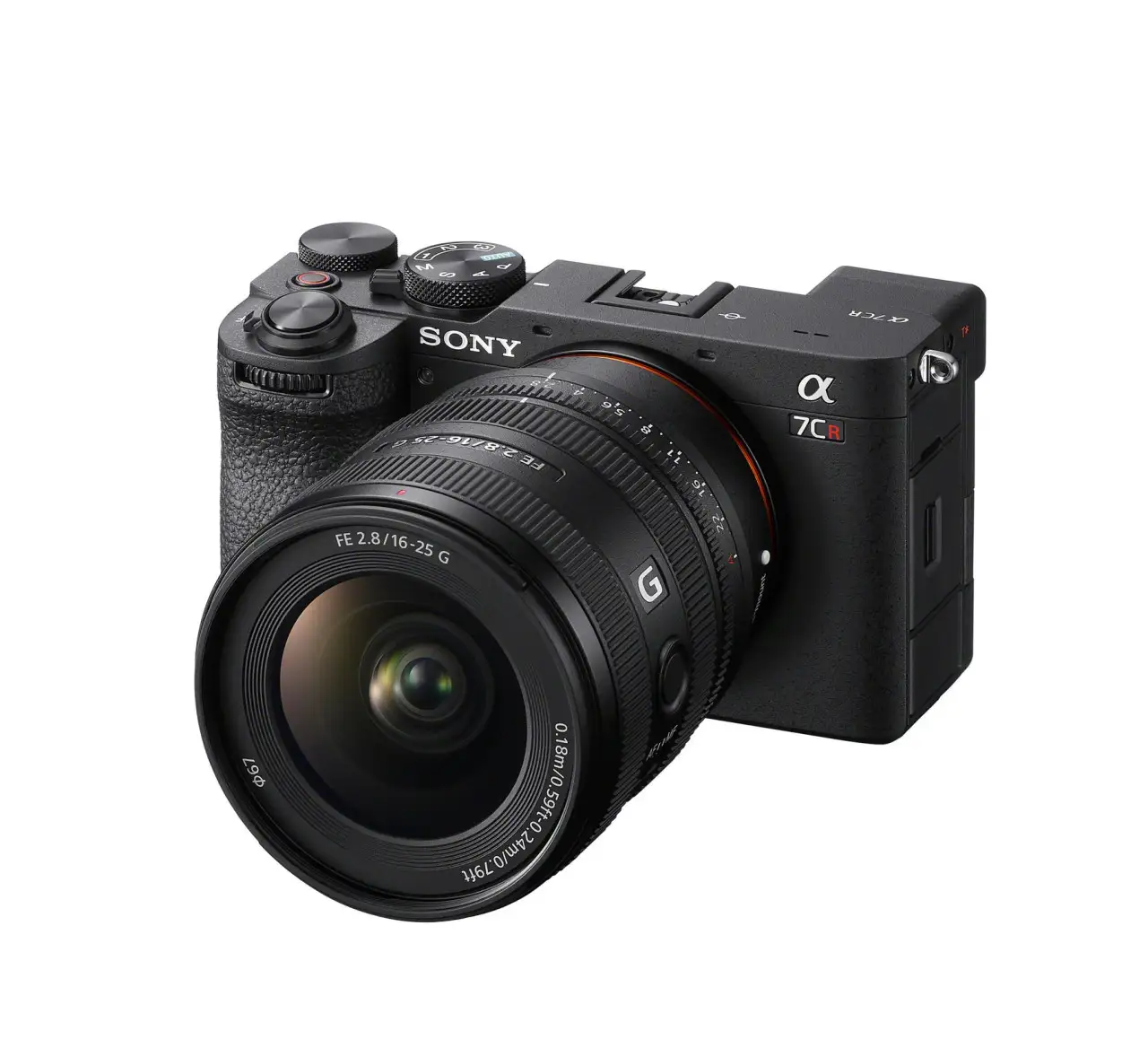
Finally, Sony positions it as “great for wide-angle stills as well as movies,” with emphasis on gimbal/drone readiness. Here the consensus matches the marketing—minimal zoom extension really does maintain center of gravity, making gimbal balancing simpler. Reddit user u/Teja*** went so far as to say, “walking around for hours capturing shots became effortless.”
Cross-Platform Consensus
Universally Praised
Sharpness stands out in all reports. A verified buyer on Amazon noted: “Corner-to-corner high resolution at all focal lengths,” and wide shooters in architectural photography found flare and ghosting control as good as premium GM glass. For landscape photographers, the consistent f/2.8 provides “deep bokeh without losing edge detail,” an advantage when framing environmental portraits at 25mm.
Weight is another recurring win—urban filmmakers comment on being able to “pack light for full days,” while travel vloggers exploit the compactness for handheld shots. Paired with Sony’s active stabilization, this makes walking and shooting smooth footage possible without heavy rigs. One Trustpilot reviewer claimed it “means you can walk into low-light interiors and still get stable footage handheld.”
Close-up ability surprises many buyers. Shooting at 0.17m in manual focus lets creators fill the frame with subject detail while keeping background context—useful for product videography or food photography in tight spaces.
Common Complaints
The most frequent frustration is range. Unlike a 16-35mm, stopping at 25mm feels restrictive. A Reddit contributor remarked, “You hit the end of the zoom quicker than expected—it forces more movement than I’d like.” Event shooters who need quick re-framing find themselves switching lenses more often.
Price sensitivity also came up. eBay listings show recent units dropping from ~$1,412 to $1,129, and French marketplace data lists some new stock as low as €1,054.55. Professional users warn, “Top-tier performance, but depreciation is steep—if budget matters, consider timing your buy.”
Plastic component construction divides opinion. While Sony claims engineering plastics enhance durability, a couple of buyers cited a “less premium feel” compared to all-metal builds, worrying about longevity in harsh conditions.
Divisive Features
Autofocus noise in video use is small but noted—vloggers with on-camera mics may occasionally pick up movement sounds. For still shooters, this is irrelevant, but in quiet interview setups, it may require positioning mics away from the lens.
Lack of optical stabilization is another split. Video creators using non-stabilized bodies feel the omission, while owners of IBIS-equipped cameras shrug, saying “the combination with active mode works fine—it’s stable enough for walking shots.”
Trust & Reliability
Trustpilot entries paint a picture of strong initial satisfaction but include caution: buyers want assurance on dust/moisture sealing claims. Sony markets it as “dust and moisture resistant,” but feedback subtly notes “not guaranteed to be 100% dust and moisture proof,” reminding users to avoid extreme conditions.
Durability anecdotes are sparse due to the lens's recent release, but early adopters report no mechanical drift in zoom or focus mechanics after months of use. A Reddit story from an urban shooter revealed daily gimbal mounting and removal over weeks didn’t degrade the focus ring's smoothness.
Alternatives
The most mentioned rival is Sony’s FE 16-35mm F2.8 GM. That extra 10mm at the long end offers more framing flexibility, but at the cost of weight and size. Event shooters lean toward the GM for broader coverage; travel-focused content creators prefer the 16-25mm for portability and minimal gimbal balance changes.
A second alternative is the FE PZ 16-35mm F4 G, lighter still, but sacrificing f/2.8 for f/4—less ideal for low light and bokeh, but cheaper and with power zoom for video.
Price & Value
New prices range from $1,198 USD (deep discounts on eBay) to $1,599 USD retail in North America. EU prices average €1,299, with the lowest verified at €1,054.55. Resale value trends downward quickly—reports show drops of $200 within months of release.
Community buying tips stress waiting for seasonal sales or bundling with camera purchases for better value. Some even consider importing from regions with lower VAT for savings on top of warranty coverage.
FAQ
Q: Is the Sony FE 16-25mm F2.8 G good for vlogging?
A: Yes—lightweight, wide coverage, and quick autofocus make it ideal for handheld walk-and-talk shots. Users highlight minimal breathing and stability with in-body active mode.
Q: Does it work well with gimbals?
A: Absolutely. Minimal zoom extension keeps balance constant, so gimbal adjustments are faster. Street filmmakers report all-day operation without rebalancing.
Q: How close can I focus with this lens?
A: In manual focus, down to 0.17m at the wide end. This enables dramatic close-up perspectives with surrounding context.
Q: Is there optical stabilization?
A: No—rely on in-body stabilization. For cameras without IBIS, video shooters might need external stabilization gear.
Q: How does it handle flare and ghosting?
A: Very well. Reports from architectural shooters confirm minimal artifacts even in direct light situations.
Final Verdict: Buy if you’re a travel vlogger, documentary filmmaker, or landscape photographer seeking ultra-wide portability with pro-level optics. Avoid if you need mid-range zoom coverage beyond 25mm or want maximum resale value stability. Pro tip from community: Pair with IBIS-equipped bodies to maximize video stability without extra gear.





