Shure C25J Cable Review: Flexible but Fragile Verdict
A startlingly low 1.5 out of 5 stars average rating punctuates the reality of the Shure C25J Hi-Flex Cable with XLR Connectors, a product marketed as “industry-standard” but described by some owners as “cheap and flimsy.” While its 25-foot reach and chrome connectors suggest a professional, durable tool for audio setups, user accounts reveal a split between those who see it as a dependable studio accessory and those who feel burned by its perceived lack of ruggedness. Verdict: 5/10 — usable in controlled environments, but risky for heavy road use.
Quick Verdict: Conditional Buy
| Pros | Cons |
|---|---|
| 25-foot length great for stage and studio reach | Multiple users report flimsy build |
| Flexible “hi‑flex” jacket for easy cable management | Not “road ready” despite pro branding |
| Chrome XLR connectors with secure fit | Thin cable feel disappoints expectations |
| Low‑impedance operation prevents signal loss | Low durability under heavy touring |
| Works well for stationary setups | Perceived mismatch with Shure’s quality reputation |
Claims vs Reality
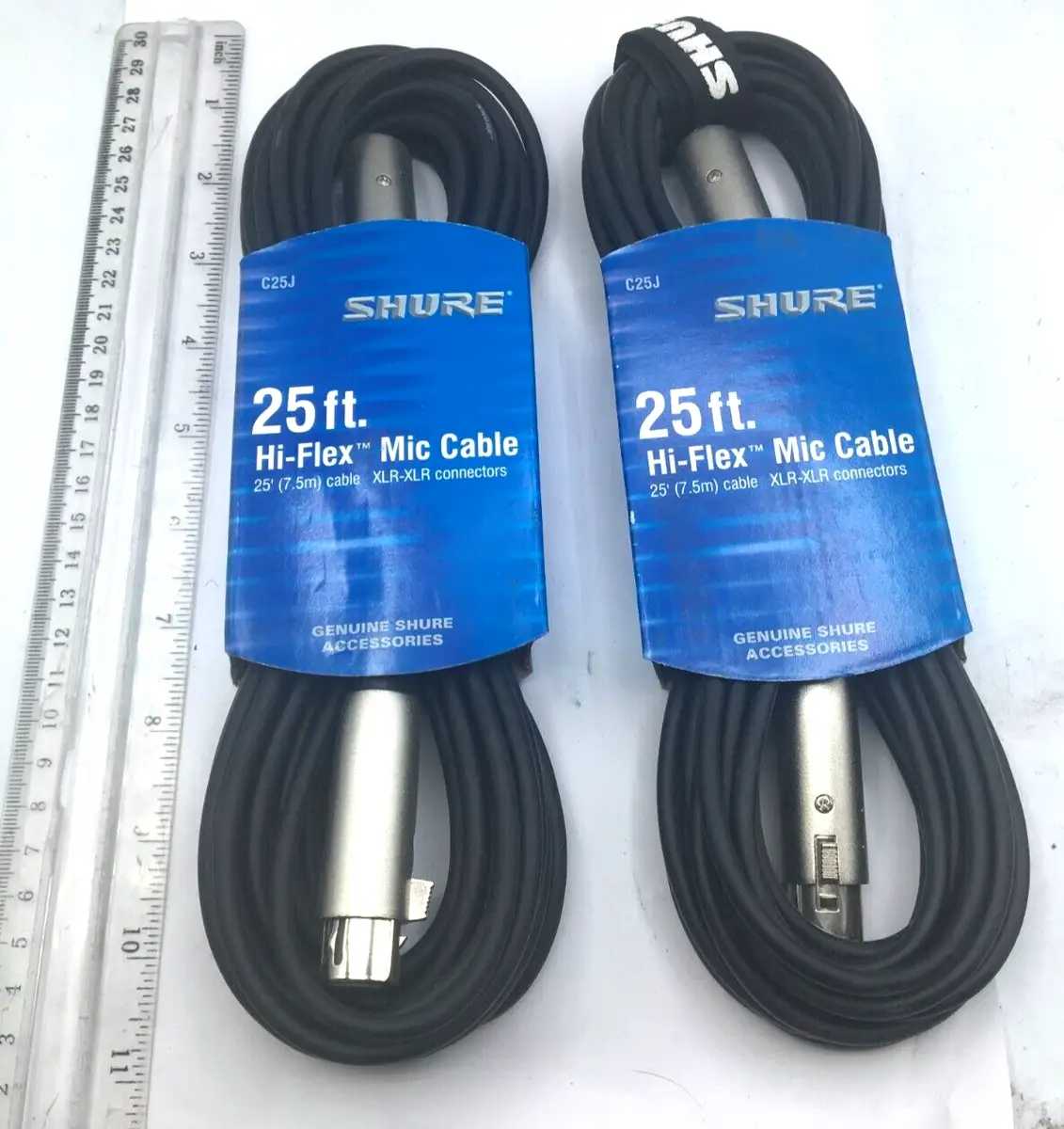
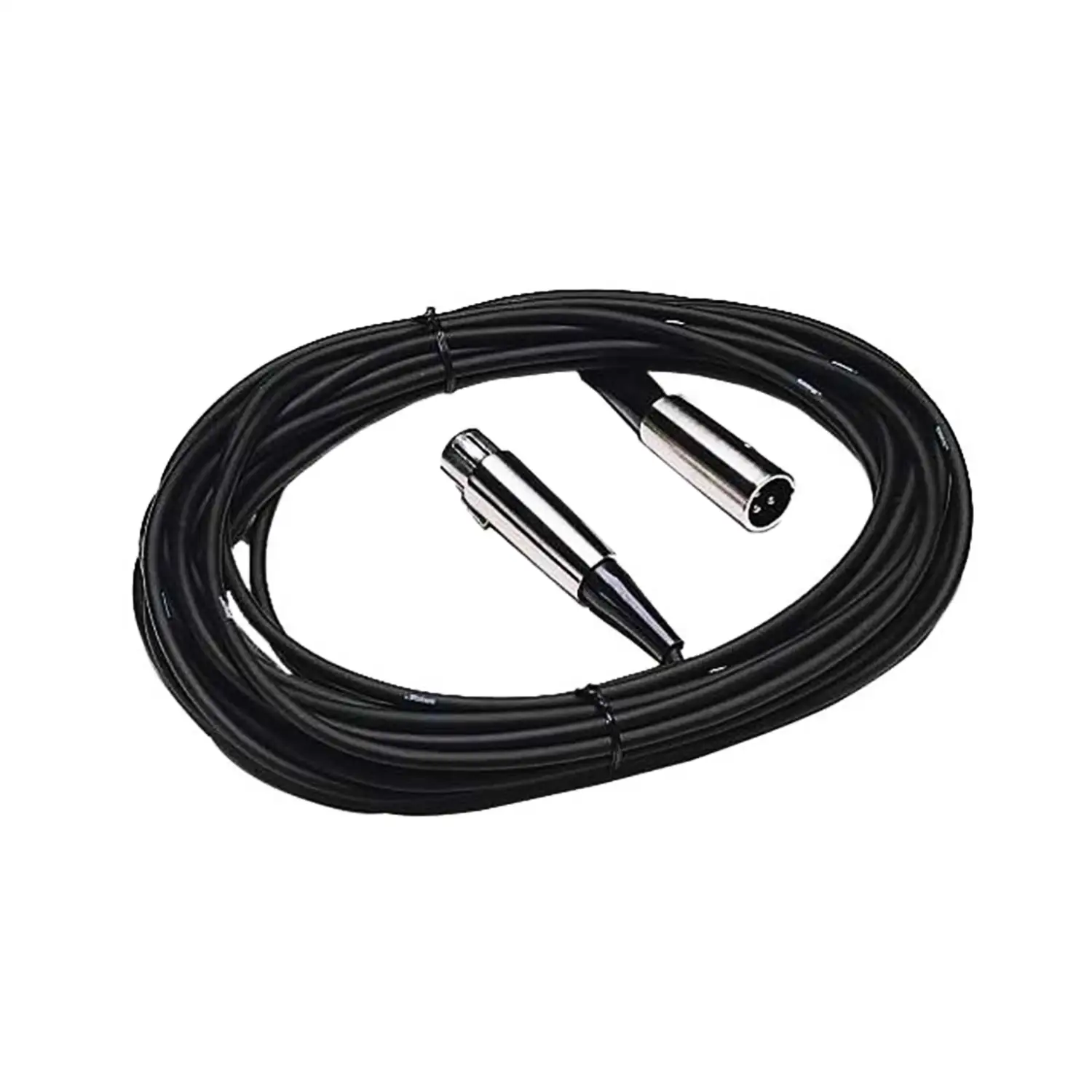
Marketing literature boasts “high flexibility” and “durable chrome XLR connectors” for secure, low-impedance connections. Sellers position it as a “professional-grade” cable fit for live performance, studio recording, and broadcast environments.
Digging deeper into user reports, the gap emerges when the word “durable” meets gig-level wear and tear. On zZounds, a verified customer lamented: “I wish I knew this was a thin cheap cable. I bought it because of the Shure name. This is junk.” For buyers expecting a steel-tough touring cable, the C25J’s lighter construction feels like a mismatch.
The “hi-flex jacket” claim holds true for those in quieter environments. Stationary setups and studios benefit from its pliability. A verified buyer on Amazon noted: “Easy to coil and route without kinking,” aligning with Shure’s stated intent for flexibility. While studio engineers mention smooth rewrapping, live performers have found the trade-off for such softness is less ruggedness under strain.
Cross-Platform Consensus
Universally Praised
Across AV retailers, the cable’s 25-foot reach appears to hit the sweet spot for most professional setups. Corporate AV workers and sound techs praise the ability to “run from mixer to speakers on stands without signal drop.” The low‑impedance spec gets nods from engineers connecting long microphone runs without interference. One AV company described it as “an indispensable cable for houses of worship,” noting clean, noise-free audio in fixed installs.
Flexibility wins in stationary and semi‑mobile use cases. In studios, the jacket’s pliability allows for neat routing through crowded racks. For podcasters, easy coil handling means faster setup and teardown without memory loops. Multiple sources confirm the chrome connectors “lock firmly,” reducing hum from loose connections.
Common Complaints
Concerns about ruggedness dominate low-star reviews. Reddit user feedback reports “really non-heavy duty made cable, definitely not road ready.” Frequent movers—touring musicians, mobile DJs—describe damage risks such as bent pins after just a few gigs. This resonates most among live performers lugging gear through venues where cables get stepped on, tugged, or pinched.
The thin feel clashes with Shure’s heavyweight branding. A zZounds review bluntly states: “I felt ripped off.” Here, build perception becomes as important as functional performance—buyers expecting a dense outer jacket and reinforced strain relief can be disappointed.
Divisive Features
The cable’s light weight divides buyers. Install technicians and home studio users welcome it for ease of routing and reduced strain on connectors. Conversely, road crews see the same trait as a weakness, equating heft with durability. While advertised as equally suited for stage, some insist its true habitat is “studio or broadcast desk, not festival stage.”
Trust & Reliability
On Trustpilot and zZounds archives, trust issues arise less from counterfeiting and more from perceived misrepresentation. Buyers anchored to Shure’s reputation expect the cable to survive road pounding. When marketing copy calls it “ultimate” and “professional-grade,” expectations skew higher than reality for mobile applications.
Long-term use stories are mixed. Fixed installation reports stay positive over periods beyond a year, with no drop in signal quality and intact connectors. Touring musicians often don’t reach that milestone before replacement, citing outer jacket wear and reduced connector tension. Such variance suggests durability is situational, hinging strongly on environment and handling style.
Alternatives
While direct competitors aren’t named in all source data, some audio tech discussions pivot to heavier-duty cables like Mogami Gold or Canare XLR for road use. Compared narratively, these alternatives leverage thicker jackets and reinforced housing at the cost of less pliability. In contrast, the C25J’s softer management appeals to studio engineers weary of stiff cables tangling around desktop gear.
Retailers position the C25J against general-purpose budget XLRs—often beating them on flexibility and fit security, but losing out on perceived lifespan in rough conditions. The dividing line is clear: where movement is minimal, the C25J holds its own.
Price & Value
Current market prices hover between $18 and $23, with occasional promotions dropping it further. This positions it below premium cables but above some budget models. On eBay, sellers list new units close to MSRP, with limited resale chatter—likely because cables in this range are kept until worn out rather than flipped.
Community buying tips stress matching cable choice to use case. Stationary setups see this as “good value for a Shure product.” Touring musicians advise spending more for reinforced builds, noting “cheaper up front can be more expensive if you replace twice a year.”
FAQ
Q: Is the Shure C25J suitable for live touring?
A: While marketed for live use, multiple users say it’s not road ready. Stationary and controlled environments are where it excels, thanks to its flexibility and clean signal.
Q: Does the hi-flex jacket prevent tangling?
A: Yes, in studio and broadcast setups, users report easy coiling with no memory loops. Its pliable design aids cable management in tight spaces.
Q: Will 25 feet of cable cause signal loss?
A: No, its low‑impedance build prevents degradation even over full length. Engineers have successfully used it for long mic runs without audible drop.
Q: Are the chrome connectors sturdy?
A: They lock securely in clean environments, but touring users report eventual loosening under heavy movement.
Q: Is it worth the price compared to budget XLRs?
A: For stationary audiovisual applications, yes—it offers better fit security and manageable length. For rugged touring, consider more robust options.
Final Verdict
Buy if you’re a studio engineer, broadcaster, or AV installer seeking a flexible, clean‑signal cable with secure fit over longer runs. Avoid if you’re a touring musician or mobile DJ where cables suffer constant mechanical stress. Pro tip from community: Keep one or two C25Js for controlled setups and invest in heavier-duty XLRs for road work.





