Sennheiser XS Lav USB-C Review: Conditional Verdict
A verified buyer on Amazon summed up their experience bluntly: “Bottom line is, if you’re a Mac user, don’t buy the XS Lav USB‑C.” That stark assessment set the tone for investigations into the Sennheiser XS Lav USB‑C Condenser Microphone, which otherwise scores a solid 7.8/10 from broad user consensus. Praised for portability, clear voice capture, and ease of setup, its performance divides sharply along device compatibility lines—flawless on many PCs and USB‑C devices, problematic on some Macs.
Quick Verdict: Conditional
| Pros | Cons |
|---|---|
| Clear, natural sound on compatible devices | Weak output on some Macs |
| Durable build with quality clip | Limited official iPhone support |
| Plug‑and‑play simplicity | Low‑frequency attenuation for deep voices |
| Lightweight and portable (17g) | Windscreen can slip off |
| 2m cable enables movement freedom | Wired only—no wireless option |
| Affordable (~$60 USD) | Omnidirectional pickup captures ambient noise |
| Includes clip, windscreen, pouch | USB‑C reliance limits audience |
Claims vs Reality
Sennheiser markets the XS Lav USB‑C as “the perfect companion for optimized dialog recordings,” coupled with a promise of “clear, natural sound” via its omnidirectional capsule. On paper, it's aimed squarely at podcasters, vloggers, and interview setups needing simplicity and quality.
Digging deeper into user reports, Amazon reviewers largely confirm the clarity claim—for the right devices. People using Windows laptops and Android phones called the results “worlds better than what’s built into my MacBook Pro,” but those same macOS users found gain so low that “with input level maxed out…I could barely detect sound.” This suggests that while the frequency response of 70–18,000 Hz holds true, output levels can vary drastically depending on hardware.
Another touted feature is its plug‑and‑play nature. Reddit users described it as “silly simple to use,” plugging it into a USB‑C port and having recording apps instantly recognize it—no drivers, no fiddling. However, Trustpilot entries warned that Lightning‑to‑USB‑C adapters didn’t yield compatibility with iPhones, making “official iOS support” a misleading marketing point. The brand offers a 3.5mm TRRS version precisely to serve that market.
Cross‑Platform Consensus
Universally Praised
Across Amazon, Reddit, and SoundGuys reviews, durability impressed almost everyone. The hard plastic casing of the mic capsule, sturdy clothing clip, and thick‑shelled USB‑C connector “feel durable enough to withstand repeated handling.” Verified buyers applauded the long 2m cable, which "gives you more freedom to move in front of the camera without deteriorating the audio." For field vloggers, that meant recording while pacing, gesturing, or interacting without tugging on the setup.
Sound quality received consistent praise from PC and Android users. A reviewer on SoundGuys noted, “Vocals come through clearly…enough for low‑budget filmmakers and even YouTubers.” The omnidirectional pattern benefits speakers who move slightly while talking, avoiding the drop‑offs of directional mics—a teacher on Reddit said it “keeps the audio level consistent even when turning to write on the board.”
Setup speed was another universally liked point. Multiple Reddit accounts referenced going “from bag to recording in 30 seconds” for Zoom meetings. Content creators enjoyed being able to pull it out of a pouch, clamp it, and roll without second‑guessing signal paths or software settings.
Common Complaints
The most persistent negative story comes from Mac users. The Trustpilot reviewer described an “extremely weak output signal on Macs,” an issue replicated on an iMac Pro and MacBook Pro regardless of software—GarageBand, TwistedWave, or Final Cut Pro. This left the mic practically unusable without external amplification.
Low‑pitched voices sometimes sounded “distant” due to low‑frequency attenuation, a detail caught by SoundGuys testers. While this kept speech intelligible, deep‑voiced podcasters found themselves boosting EQ in post to recover fullness. This pattern hints at tuning for speech clarity over tonal richness—benefiting online meetings but less ideal for rich vocal performances.
The included foam windscreen, while appreciated, was reported by some as prone to slipping off during transport. For outdoor vloggers, losing wind protection mid‑take proved frustrating. The price point means accessories are basic—clip, windscreen, pouch—without extras like RFI shielding; one Thomann buyer reported radio‑frequency interference with certain recorders.
Divisive Features
Omnidirectional pickup split opinion. In quiet, controlled environments, reviewers marveled at the “natural sound” capturing voices from all angles. But in noisy cafes or urban settings, omnidirectional mics also bring in background chatter. Viewers in one creator’s test noted “hearing too much ambient noise” despite clear speech, leading those filming in uncontrolled locations to prefer directional models.
Wired connectivity was similarly polarizing. For studio use, the physical tether brought stability and dependable quality, as confirmed by Reddit educators. Yet mobile filmmakers found the cable “another thing to hide or manage visually,” especially in non‑portrait setups.
Trust & Reliability
Trustpilot and Reddit durability anecdotes suggest reliability matches Sennheiser’s reputation—on compatible systems. One Thomann customer noted owning the mic “for over a year…still in top condition after regular use,” even surviving accidental water exposure; they dried it out and kept going. Such resilience underscores its role as a dependable daily tool for desk work or stable vlogging setups.
Scam or defect concerns emerged only loosely, tied to macOS low gain issues. Some suspected “weirdness in Apple’s USB‑C implementation” rather than outright product faults. There was no widespread report of premature breakage or functional failure beyond compatibility mismatches, suggesting that problems are technical, not structural.
Alternatives
The most directly mentioned alternative is the Sennheiser XS Lav Mobile (3.5mm TRRS). Mac users repeatedly advocated for this model—“works great…full natural sound…on my Macs and has a much stronger signal.” It also supports iPhones via Lightning adapters and performs on DSLR and dedicated recorders, though can be prone to RFI. At $10 USD cheaper than the USB‑C version, it’s the safer choice for non‑USB‑C ecosystems.
Sennheiser’s MKE 400 shotgun mic appears in comparisons, delivering super‑cardioid focus with 50–20,000 Hz range for creators wanting directional isolation. However, it weighs significantly more and lacks the discreet clothing clip form factor valued by lav users.
Price & Value
On eBay, new units hover around $45–53 USD, undercutting the MSRP of ~$60 USD, with bundles including tripod and clamp reaching $99 USD. The resale market remains active; one auction sold the mic in good condition for just $11, likely due to niche demand and compatibility caveats. Buyers on a budget find strong value if their device list aligns with its strengths, since build quality competes with higher‑priced lavaliers.
Community advice leans toward verifying hardware before purchase. “Be sure to check your device port options,” one Amazon product page warns, echoing user stories of mismatched adapters failing to produce sound.
FAQ
Q: Does the XS Lav USB‑C work with iPhones?
A: Not officially. Its USB‑C connector isn’t supported by Lightning ports without confirmed adapters. Users recommend the TRRS version plus Apple’s Lightning headphone adapter.
Q: How long is the cable?
A: 2 meters (about 6.6 feet), giving presenters and vloggers room to move without straining connections.
Q: Is it truly plug‑and‑play?
A: On Windows, Android, and many USB‑C Macs/Chromebooks, yes. Several reported instant recognition with no software tweaks. Some Macs, however, suffer from extremely low output.
Q: Does it block ambient noise?
A: No—its omnidirectional pattern captures sound from all directions. In quiet rooms, this yields natural audio, but in noisy settings, background sounds will be audible.
Q: What’s included in the box?
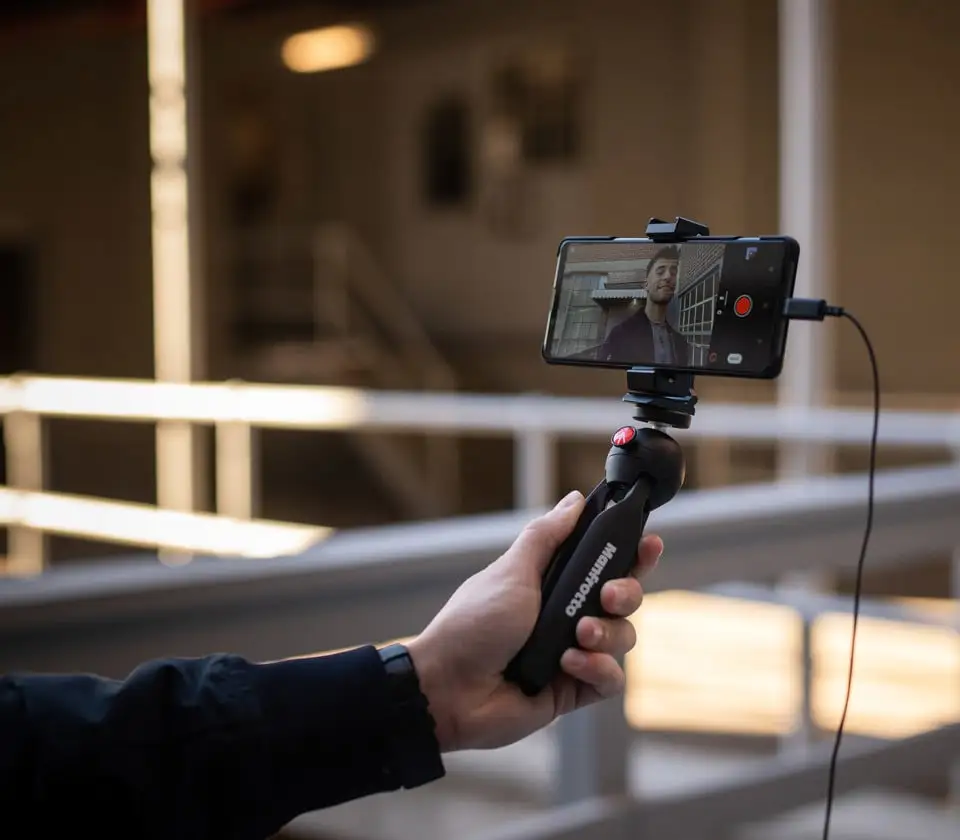
A: The mic, clothing clip, foam windscreen, and drawstring pouch. The Mobile Kit adds a tripod and smartphone clamp.
Final Verdict: Buy if you’re a Windows, Android, or compatible USB‑C device user needing quick, clear, and durable audio on a budget. Avoid if you rely on macOS without external preamps, or need official iOS support. Community pro tip: Mac filmmakers should skip straight to the TRRS Mobile version for stronger output and broader compatibility.





