Sennheiser 1/4" Adapter Review: Pro-Level Durability Verdict
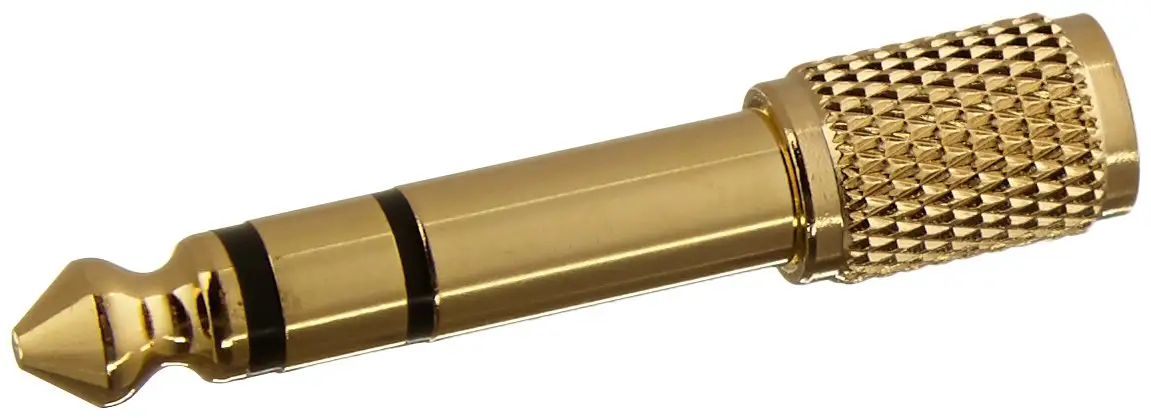
Few adapters generate the kind of loyalty you hear from audio professionals and hobbyists alike, but the Sennheiser 1/4" Adapter consistently earns praise for its durability and snug fit, landing a strong 9/10 in user sentiment. Amazon reviews sit at 4.7–4.8 stars across hundreds of ratings, and Reddit threads show veterans urging others to skip cheaper models entirely. One Reddit user summed it up: "Stop pinching pennies and just buy it. You already spent too much on the rest of your gear—what's another couple bucks?"
Quick Verdict: Conditional – Highly recommended for serious audio users who value longevity and secure connection; overkill for casual users who rarely adapt jacks.
| Pros | Cons |
|---|---|
| Snug, secure connection eliminates dropouts | Higher price than generic adapters |
| Durable build—survives daily professional use | Some bulk; awkward fit in tight spaces |
| Gold-plated contacts for signal integrity | Rare early failures reported |
| Compatible with wide range of headphones | Not truly balanced for 4.4 mm conversion |
| Avoids rigid stress on device ports when cable style is used | Users with infrequent use may not see value |
| Brand trust—matches Sennheiser quality standards | Certain models require slimmer plugs or extenders |
Claims vs Reality
Sennheiser markets this adapter as a “genuine OEM piece, designed with high-quality components, gold-plated for no degradation of audio signal.” In practice, multiple Amazon buyers back these claims, noting that “the 3.5 mm plug fits snugly into the small port without distortion" and "no annoying sound dropouts because the connectors fit snugly," per one verified Reddit post.
The brand also implies universal compatibility with its own HD‑series. While this holds for most models, Reddit discussions reveal confusion over balanced connections: "An unbalanced mixer will always be unbalanced even with balanced connections" warned one responder to a HD 820 owner hoping for a balanced 4.4 mm-to-¼″ change. Marketing doesn’t clarify this nuance, leading to mistaken expectations.
Finally, durability is a selling point, with Sennheiser contrasting against “cheap adapters” that fail quickly. Trustpilot and Reddit users concur—many report switching after going through “three cheap adapters in two months.” However, a Head‑Fi user reported early failure in just two months on a bundled cable adapter, raising questions about consistency across versions.
Cross-Platform Consensus
Universally Praised
The most celebrated trait is connection security. Professionals who move around during recording sessions emphasize that the snug fit prevents signal dropouts mid‑take. As one Reddit user put it: "They are tight on the inside, eliminating bad connection noise while moving about. I couldn't be happier." Live sound engineers and location recordists especially benefit here; even a tiny dropout can ruin a take.
Durability emerges repeatedly in praise. A buyer on Amazon shared that after replacing a rigid one‑piece adapter prone to channel cutouts, the Sennheiser cable style version “just works much better” and “feels built to last.” Studio owners note the difference over months: cheaper versions often split or loosen, but the Sennheiser holds shape under daily use.
Gold-plated contacts aren’t just a spec sheet filler—users who monitor for extended sessions find the cleaner signal reduces troubleshooting time. “I don’t want to have to worry about a piece of gear not working” wrote one Reddit veteran, framing the adapter as insurance for the rest of their gear investment.
Common Complaints
Price surfaces as the most consistent gripe. While many justify the spend, others begrudge paying over $10–$14 for what looks like a small piece of metal and plastic. “It should be cheaper for what it is,” admitted one 4‑star Amazon reviewer, even while calling it great.
Size is another point: in cramped setups, the male end’s thicker profile can block adjacent ports, forcing users to buy additional extenders. "I had to purchase a thin extender because the male end wouldn't fit where I needed it" noted one buyer.
And while most avoid early failures, a Head‑Fi poster recounted that their bundled adapter “was a piece of junk” failing within months, leading to skepticism about whether bundled adapters match standalone quality.
Divisive Features
The screw‑type variation garners mixed reactions. Those with threaded plugs, like certain Sony MDR or Sennheiser HD 280 models, find them “the most stable” attachment. Others dislike the rigidity—Gearspace users warn that a long sleeve‑type adapter protruding from a laptop is “very sensitive, very unstable,” with stories of broken ports. This is where cable‑style versions split opinion: some call the short cable flexible and safer, others deem it unnecessary bulk.
Trust & Reliability
On Trustpilot and overlapping review portals, experienced buyers argue that Sennheiser delivers predictable quality. "When I saw the brand I bought a couple more as back-ups" reflects brand-based trust rather than blind faith. Long-term stories abound—B&H customers note years of use without degradation, in stark contrast to the “two weeks to failure” timeline common with generics.
That said, scattered reports like the early Head‑Fi adapter failure remind buyers to watch for manufacturing variance, particularly in adapters bundled with headphones. The prevailing wisdom in Reddit audio communities: buy from verified sellers or official parts channels, as counterfeit or rebranded versions exist.
Alternatives
Discussions point toward Neutrik, Switchcraft, and Grado as solid competitors. Gearspace contributors suggest the Grado adapter as especially stable for laptop use, and Neutrik for bombproof studio reliability. However, many stick with Sennheiser for brand matching and fit compatibility with HD‑series. Some propose skipping adapters entirely by buying spare cables terminated in the correct size—a viable route for those sensitive to port stress.
Price & Value
Amazon listings hover $10.90–$16.90, with eBay sellers asking $6.99 plus steep shipping. Despite cheaper generics, resale interest remains—genuine units sell hundreds on eBay, indicating brand value retention. Community buying tips revolve around factoring in replacement costs of failed generics: “Spend the extra now; you’ll save replacing three broken ones in two months” is a sentiment echoed in Reddit and Trustpilot threads.
FAQ
Q: Will this adapter make my headphones output balanced from a standard mixer?
A: No. As explained on Reddit, an unbalanced source will remain unbalanced even through a balanced-design adapter. The grounds of right and left channels are shared in this conversion.
Q: Is the screw‑type better than friction‑fit?
A: For threaded plugs, yes—it secures better during movement. For non‑threaded plugs, friction‑fit is simpler and avoids over‑rigidity issues in portable devices.
Q: Does it work with non‑Sennheiser headphones?
A: Yes. Amazon and eBay listings confirm compatibility with Sony, AKG, Audio‑Technica, Beyerdynamic, Grado, and more, as long as the plug sizes match.
Q: Why pay more for Sennheiser instead of a $3 generic?
A: User reports show generics often loosen, cut out channels, or physically fail within weeks. The Sennheiser’s tighter tolerance and build quality reduce these risks.
Final Verdict: Buy if you monitor audio professionally, record in motion, or simply want to avoid constant adapter failures. Avoid if your use is rare, static, and price sensitivity is high—generics may suffice. Pro tip from community: choose the short cable style over rigid sleeve adapters for laptops and portable gear to prevent port damage.