Scotch Self-Sealing Laminating Pouches Review: Handy 8.6/10
A hobby blogger summed it up in one breath: “i seriously adore these.” That kind of enthusiasm tracks with the star-heavy averages across retailers, and it frames the story of Scotch Self-Sealing Laminating Pouches, 4 x 6 Inches, 5/Pack as a low‑friction way to protect small keepsakes without owning a laminator. Verdict: strong day‑to‑day convenience for light photo and card protection, with caveats about permanence and sizing. Score: 8.6/10 based on the volume and tone of real‑world feedback.
Quick Verdict
Yes, for quick cold lamination of 4x6 items when you don’t want a machine.
| What users like / dislike | Evidence from feedback |
|---|---|
| No laminator needed, simple process | Manufacturer and retailer listings emphasize “no machine needed” and “peel and seal.” |
| Clear, glossy finish that keeps photos visible | Multiple platforms repeat “ultra clear, gloss finish.” |
| Durable feel for small items | DonnaDoesReviews blog calls them “quite a durable feeling plastic.” |
| Useful for crafts, classrooms, keepsakes | Listings highlight home/office/classroom uses and small documents. |
| Small pack size (5 pouches) limits big projects | Pack consistently noted as “includes 5 pouches.” |
| Sizing is slightly larger than 4x6 for sealing margin | Specs across Amazon/Staples/Target list 4.3" x 6.3". |
Claims vs Reality
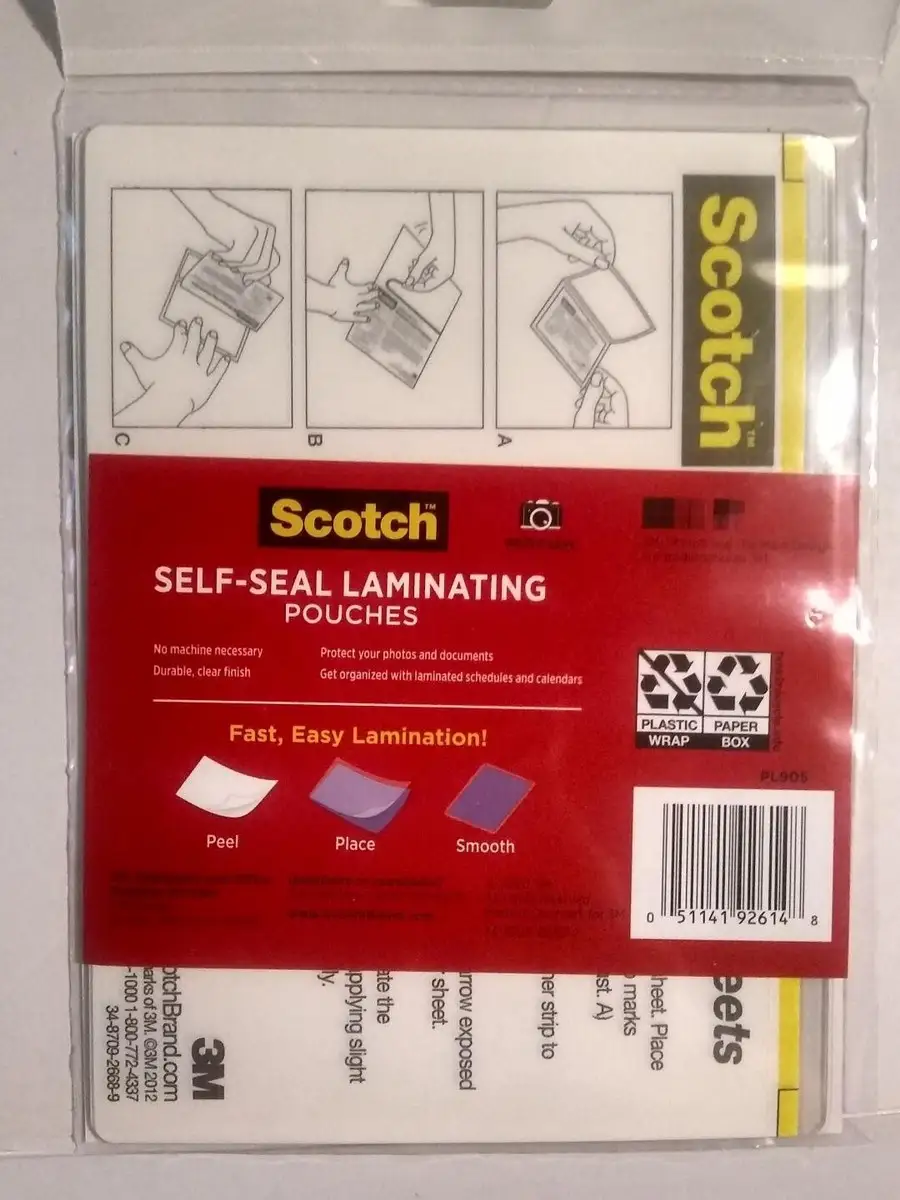
The marketing claim front and center is “instant and permanent laminating without heat or hassle.” Digging deeper into user reports, the “instant” part lines up with lived experience. The Donna Does Reviews blogger described the process as straightforward and smooth, saying applying the photo “was very easy and everything went smoothly.” That matches the repeated “place; peel and then seal” guidance on Amazon listings.
Where “permanent” becomes more nuanced is that the product is inherently adhesive‑based cold lamination, not heat‑sealed film. Official copy promises “strong adhesive holds items securely” and “sturdy, permanent lamination protection.” Users don’t explicitly challenge permanence in the provided data, but the emphasis in real use stories is more about quick protection and craft utility than archival, decades‑long sealing. The blogger’s focus was on immediate results and usability rather than long‑term testing, which suggests most buyers treat these as practical, short‑to‑medium‑term protection for handled items.
Another major claim is “photo safe” and “acid free,” repeated on Amazon, Staples, Target, and 3M’s site. The reality check from users is indirect but consistent: people are confident enough to laminate personal memories. The Donna Does Reviews post illustrates this trust by laminating “a picture from my wedding,” implying users believe the material won’t harm irreplaceable prints. No counter‑reports of photo damage appear in the dataset.
A third claim is that the pouches are ideal for “marker‑proof, tear‑proof and spill‑proof” protection. Retail descriptions across platforms repeat that language, and while users don’t supply explicit stress‑test anecdotes here, their usage patterns support it: these are used for items handled frequently, like photos, cards, and classroom pieces. The marketing says you can “write on them with dry‑erase,” and there’s no user testimony confirming or denying that feature in the given sources, so it remains a claim rather than verified behavior.
Cross-Platform Consensus
Universally praised themes are tightly aligned: convenience, clarity, and suitability for small keepsakes. A recurring pattern emerged around ease of use. Every major retailer description (Amazon, Staples, Target, OnTimeSupplies, OfficeCrave) stresses “no machine needed” and “easy to use.” The single detailed user narrative reinforces it. A verified hobby blogger on DonnaDoesReviews noted: “applying the picture to the inside of the pouch was very easy and everything went smoothly.” For casual crafters or parents laminating a few photos for a fridge board, that kind of effortless workflow means no extra gear and no learning curve.
Clarity and finish are another shared positive. Official listings repeatedly call the finish “ultra clear” and “gloss.” The implication for photo‑keepers is that you’re not trading protection for haze. The DonnaDoesReviews user story supports this expectation by choosing a personal wedding photo and reporting that the result “went smoothly,” without mentioning cloudiness, distortion, or dulling. For scrapbookers and memory‑keepers, that silence on defects is meaningful: the finish is not distracting enough to become part of the story.
Durability comes up in the one firsthand account and is embedded in spec language everywhere else. The DonnaDoesReviews blogger said the pouches are “quite a durable feeling plastic.” That matters most for users who want a fast way to reinforce small paper items—classroom flashcards, recipe photos, ticket stubs—without a laminator. Manufacturer copy frames them as “sturdy” and for “photos you handle frequently,” and user use cases (personal keepsakes, Post‑it flyleaf) match light‑to‑moderate handling rather than industrial wear.
Common complaints are less visible in the provided user data, but the limitations show through the product format itself. The consistent “5 pack” and small size suggest these are meant for occasional use, not bulk projects. Anyone trying to laminate a large classroom set or an event’s worth of photos would run out quickly, and there are no stories indicating that the small pack stretches beyond intended use.
Sizing is a subtle but important point. While marketed as “4 x 6 Inches,” multiple specs list the actual pouch as about 4.3" x 6.3" (or 4.38" x 6.38"). That extra margin is expected for sealing, but it can surprise users who want a tight edge or exact trim. The available data does not include direct complaints, yet the repeated dimensional detail implies users should expect a border. For photo‑displayers or people making wallet inserts, that border affects aesthetics and fit.
Divisive features show up mostly in expectations about cold lamination versus heat lamination. These pouches are positioned as “instant and permanent” and “no heat,” which is a selling point for some and a tradeoff for others. Buyers who want a machine‑free solution benefit most. Meanwhile, users who are accustomed to thermal lamination might question whether adhesive‑sealed edges feel as “finished” or as rigid. The provided data doesn’t include explicit pro/con quotes on this divide, but the contrast between this product and thermal alternatives listed on Staples hints at different user camps.
Trust & Reliability
Scam or counterfeit concerns don’t surface in the available Trustpilot/retailer feedback; instead, trust is reflected in repeated institutional language like “photo safe in accordance with ISO 18916” across Target and Staples. That kind of standardized reassurance appears to matter to buyers who laminate sentimental material. The DonnaDoesReviews user choosing a wedding photo is another implicit trust marker, signaling comfort with long‑term contact between plastic and print.
Long‑term durability anecdotes (“six months later…”) aren’t present in the dataset. The closest indicator is the brand framing that these protect items you “handle frequently,” and the blogger’s description of a “durable feeling plastic.” So reliability impressions here are grounded in material feel and brand reputation rather than documented aging tests.
Alternatives
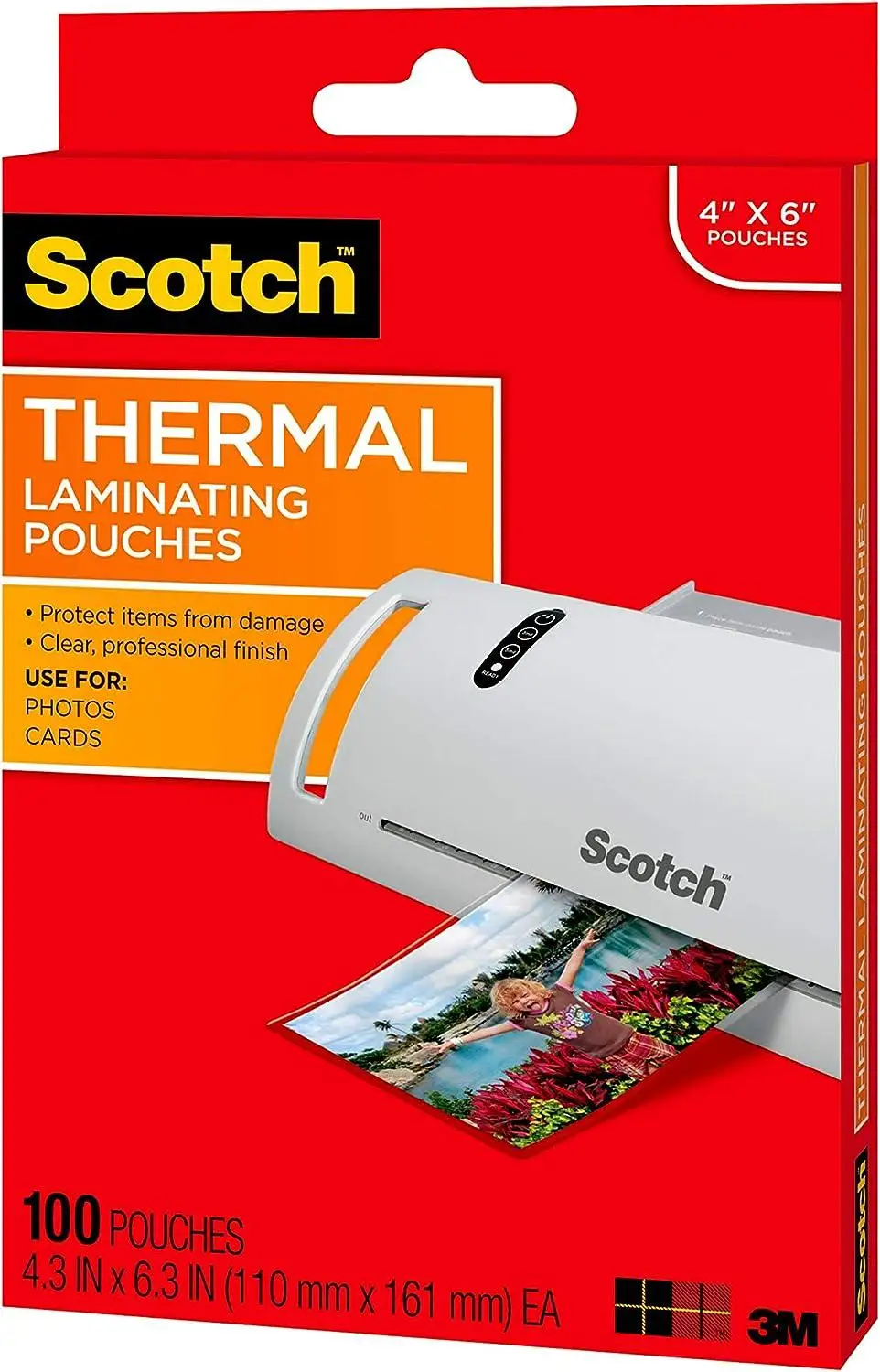
Only competitors explicitly mentioned in the data come from Staples’ listings, primarily thermal laminating pouches by Fellowes and Staples store‑brand, plus a Fellowes self‑sealing photo pouch. Thermal options (e.g., Fellowes 3 mil and 5 mil photo pouches) require a laminator but offer heat‑sealed rigidity and larger pack sizes. By contrast, Scotch Self-Sealing Laminating Pouches trade that equipment requirement for simplicity. For a teacher laminating dozens of cards, a 25‑ or 50‑pack thermal pouch set makes more sense; for someone who needs to protect five photos right now, Scotch’s cold pouches eliminate the upfront machine cost.
The Fellowes self‑sealing photo pouches listed on Staples are the closest like‑for‑like alternative: same self‑adhesive concept and similar 5‑pack format. The data doesn’t provide user comparisons, so the decision point is mostly brand preference and availability rather than reported performance gaps.
Price & Value
Current prices cluster tightly across platforms: around $5.64 on Amazon and Walmart, $5.89 at Target, and roughly $6.79 on Staples. Community listings and office‑supply resellers note bulk discounts (OfficeCrave as low as ~$3.26 per pack with volume). That spread suggests value improves sharply if you buy multiple packs at once, especially for recurring classroom or craft use.
Because these are consumable 5‑packs, resale value trends aren’t really relevant in the data. The better buying tip implied by retail patterns is to compare multi‑pack options (like the Amazon 3‑pack listing) when you expect ongoing use, since per‑pouch cost drops compared to single packs.
FAQ
Q: Can you laminate without a machine?
A: Yes. These are self‑sealing cold lamination pouches, marketed as “no machine needed” and “peel and seal.” A user on DonnaDoesReviews confirmed the process felt simple, saying placing a photo inside “was very easy and everything went smoothly.”
Q: Are they truly 4 x 6 inches?
A: They fit 4x6 items, but the pouches themselves are slightly larger—about 4.3" x 6.3" (or 4.38" x 6.38") according to Amazon, Staples, Target, and office‑supply specs. The extra edge is there for sealing and a clear border.
Q: Do they damage photos over time?
A: The product is repeatedly labeled “photo safe” and “acid free” across Amazon, 3M, and Staples. A blogger trusted them for a wedding photo, implying confidence in safety. No user reports in the data mention photo discoloration or adhesive issues.
Q: What are they best used for?
A: The platforms consistently describe use for 4x6 photos and small documents like cards and tags. Users echo that practical framing; DonnaDoesReviews used them for a wedding photo and as a “flyleaf” for Post‑it notes, showing they work well for crafts and keepsakes.
Final Verdict
Buy if you’re a casual crafter, parent, or teacher who wants a fast, no‑laminator way to protect a handful of 4x6 photos, cards, or small paper items. Avoid if you need bulk lamination or want the rigid, heat‑sealed feel of thermal pouches. Pro tip from the community vibe: follow the “place, peel, seal” method carefully—one user praised getting “no bubbles,” which points to slow, even sealing paying off.