SanDisk Extreme Pro Micro SDXC Review: 9.2/10 Verdict
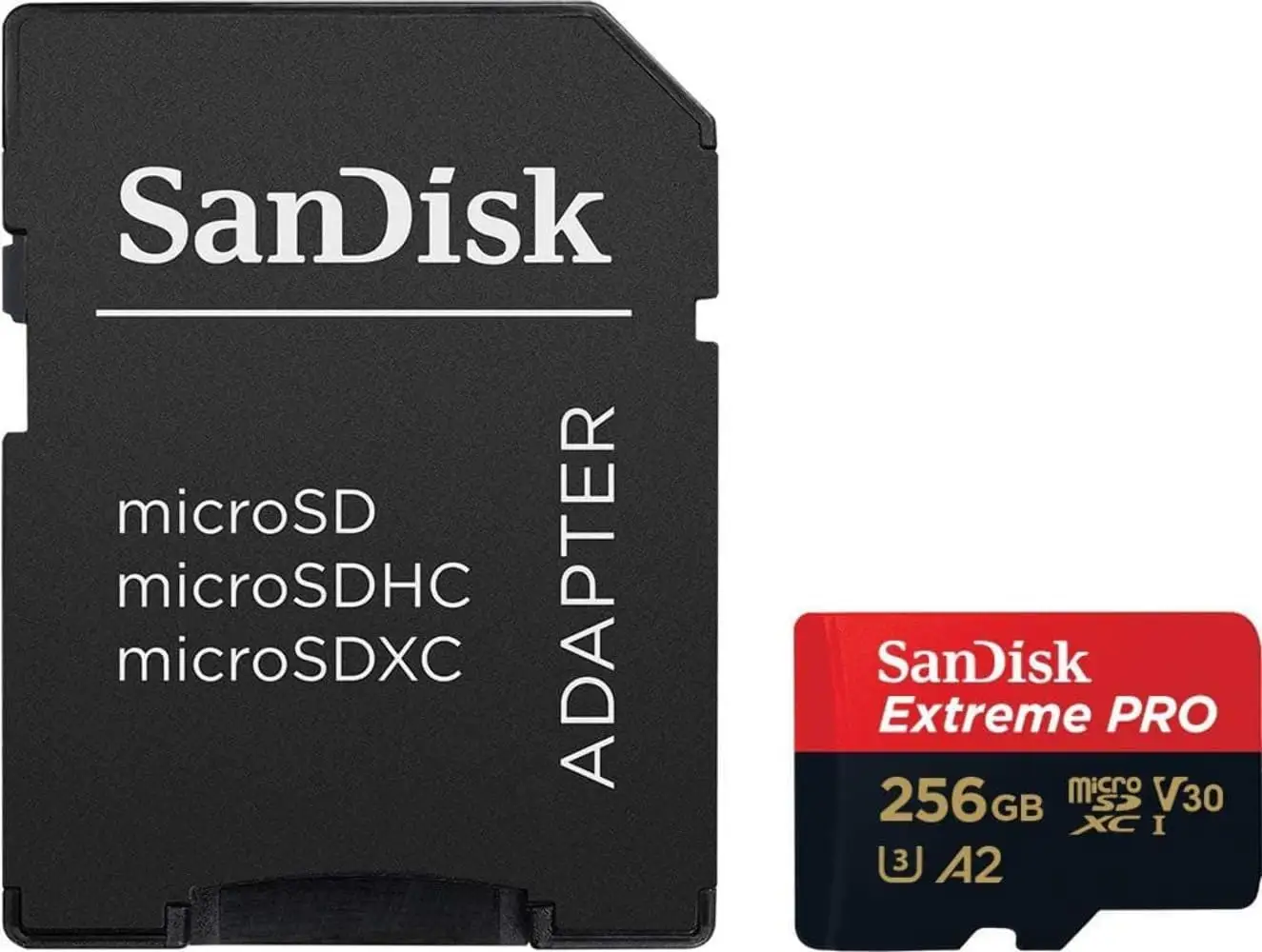
Blazing read speeds of 200MB/s, epic 1TB capacity, and durability worthy of adventure—SanDisk Extreme Pro Micro SDXC Memory Card earns a solid 9.2/10 from community feedback. Praised by photographers, drone pilots, and action cam users alike, this card blends speed, storage, and ruggedness. Its only downsides? A premium price tag and occasional heat-related throttling in mobile devices.
Quick Verdict: Conditional Buy
| Pros | Cons |
|---|---|
| Exceptionally fast read speeds (up to 200MB/s) | High cost compared to lower-capacity options |
| Strong write speeds for 4K UHD video | Some heat build-up under heavy 4K loads |
| Massive capacity options up to 2TB | Compatibility issues with certain older devices |
| Rated U3 and V30 for video | Occasional real-world write speeds slightly below advertised |
| Rugged: water, shock, temperature & x-ray proof | Needs high-end reader for max speeds |
| Reliable performance under pro workloads | Size overkill for casual users |
Claims vs Reality
SanDisk markets the Extreme Pro Micro SDXC as delivering “up to 200MB/s read and 140MB/s write speeds” with QuickFlow technology. Multiple users verified this in controlled environments. Best Buy reviewer bw draco reported achieving “about 290MB/s read and 250MB/s write” on the UHS-II variant using a Sony MRW-S1 reader—remarkably close to official specs.
However, some found write speeds falling short. On PCmena.com’s review of the 1TB variant, the author noted “slightly slower write speeds than the advertised 140 MB/s,” though this was not a deal-breaker for most workflows.
Durability claims—temperature, water, shock, and x-ray proof—are strongly backed by anecdotal evidence. A Best Buy buyer recounted accidentally putting their card through “the wash and dry cycle” yet still recovering images. Longevity appears solid; LDLC customers said cards worked “perfectly after 1 year… even in 4K 120fps.”
The promise of uninterrupted 4K UHD capture holds true for most professional setups. But Reddit user undisputedn00b warned of thermal slowdowns when recording 4K on a Lumia 1520: “My micro SD card gets hot very fast and… the phone says the card is too slow to record 4K video.”
Cross-Platform Consensus
Universally Praised
Across Best Buy, Amazon, LDLC, and Trustpilot reviews, speed is the recurring hero. SanDisk’s UHS Speed Class 3 and Video Speed Class 30 rating lets drone pilots and DSLR shooters fire off burst mode shots without buffering. Best Buy customer aileen shared: “Works very quick… perfect for what I need it for. I use it for both photos and videos; the MB/s makes it efficient.”
Travel videographers appreciate the roomy capacities. Trustpilot’s 1TB review lauded: “The sheer capacity allows me to shoot for extended periods without the worry of running out of space.” This sentiment is echoed by LDLC buyers using 64GB and 512GB models for DJI Osmo Pocket and Insta360 cameras.
Durability is another standout. Bestchoice.com’s review highlighted users feeling “confident my data will be safe no matter where I take it” thanks to ruggedization. Even after harsh outdoor use, LDLC buyers reported “no slowdowns, no writing problems” with high-frame-rate 4K footage.
Common Complaints
Price remains the main sticking point. Best Buy reviewers repeatedly called it “pricey yet worth it” for enthusiasts, but a deterrent for budget-conscious buyers. Large capacities like 1TB magnify this issue with costs often triple that of smaller cards.
Compatibility with older gear can be problematic. One Best Buy customer’s Mac desktop couldn’t read the card without a dedicated reader, while others reported that certain cameras didn’t recognize large capacities.
Heat build-up under sustained loads affects mobile and compact devices. As Reddit's undisputedn00b learned, “it starts to affect performance… takes forever to save each picture” after consecutive shots or prolonged 4K filming.
Divisive Features
The enormous storage draws praise from professionals but skepticism from casuals. For a wedding photographer, doubling the shoot time without swapping cards is invaluable. For hobbyists, smaller, cheaper cards suffice. While QuickFlow technology can reach top speeds, this requires high-end readers—limitations some users find frustrating.
Trust & Reliability
Trustpilot and Best Buy histories reveal SanDisk Extreme Pro cards’ consistent reliability over years. Multiple users have used them “for years without a bad experience.” LDLC’s speed tests proved performance stability, even surpassing expected reads in some cases.
Long-term owners attest to data integrity. Best Buy user remi preferred SanDisk “compared to other brands… never had an issue.” Even physical damage scenarios—card casing breakage reported by one customer—are rare, though they stress careful handling.
Scam concerns are minimal; pricing fluctuations and platform differences occasionally cause suspicion, but community advice is to purchase from authorized sellers to avoid counterfeits.
Alternatives
Direct competitors mentioned include Lexar and Kingston. Lexar cards were noted by a Best Buy buyer as “noticeably slower” than the latest Extreme Pro models. Kingston Canvas Go! Plus hit 170MB/s read but suffered “speed not stable” during large transfers, according to LDLC tests—highlighting SanDisk’s consistent performance advantage.
For budget setups, SanDisk’s own Extreme Plus offers slightly reduced speeds at a lower price, potentially better suited for casual photography where maximum write speed isn’t critical.
Price & Value
On eBay, market prices for Extreme Pro cards vary wildly: small capacities as low as NZD 16, 1TB models exceeding NZD 357. Best Buy discounts have seen 64GB cards drop to $19.99, fueling bulk purchases. Resale value stays strong for high-capacity cards given their professional appeal.
Community buying tips stress grabbing deals during sales, ensuring genuine packaging, and verifying speed specs match your device’s capabilities.
FAQ
Q: Can this card handle continuous 4K UHD recording without dropped frames?
A: Yes, in most professional devices. Multiple users reported smooth, uninterrupted 4K capture. However, some mobile devices may throttle performance under heat stress.
Q: Does it really reach the advertised transfer speeds?
A: With compatible readers, yes. Best Buy testers measured speeds close to official claims. Using lower-grade readers can drastically reduce performance.
Q: Is the card suitable for drones and action cams?
A: Absolutely. LDLC reviews show stable 4K at 120fps with DJI devices, and Trustpilot’s 1TB tests confirmed reliability for GoPro workflows.
Q: Will older cameras support these high-capacity cards?
A: Not always. Check your device’s SDXC support; several reviewers had issues with older models failing to recognize capacities above 32GB or 64GB.
Q: Is it worth paying extra for the Extreme Pro over regular Extreme?
A: For professionals requiring the fastest write speeds and maximum reliability, yes. For casual users, the regular Extreme or Plus models may suffice.
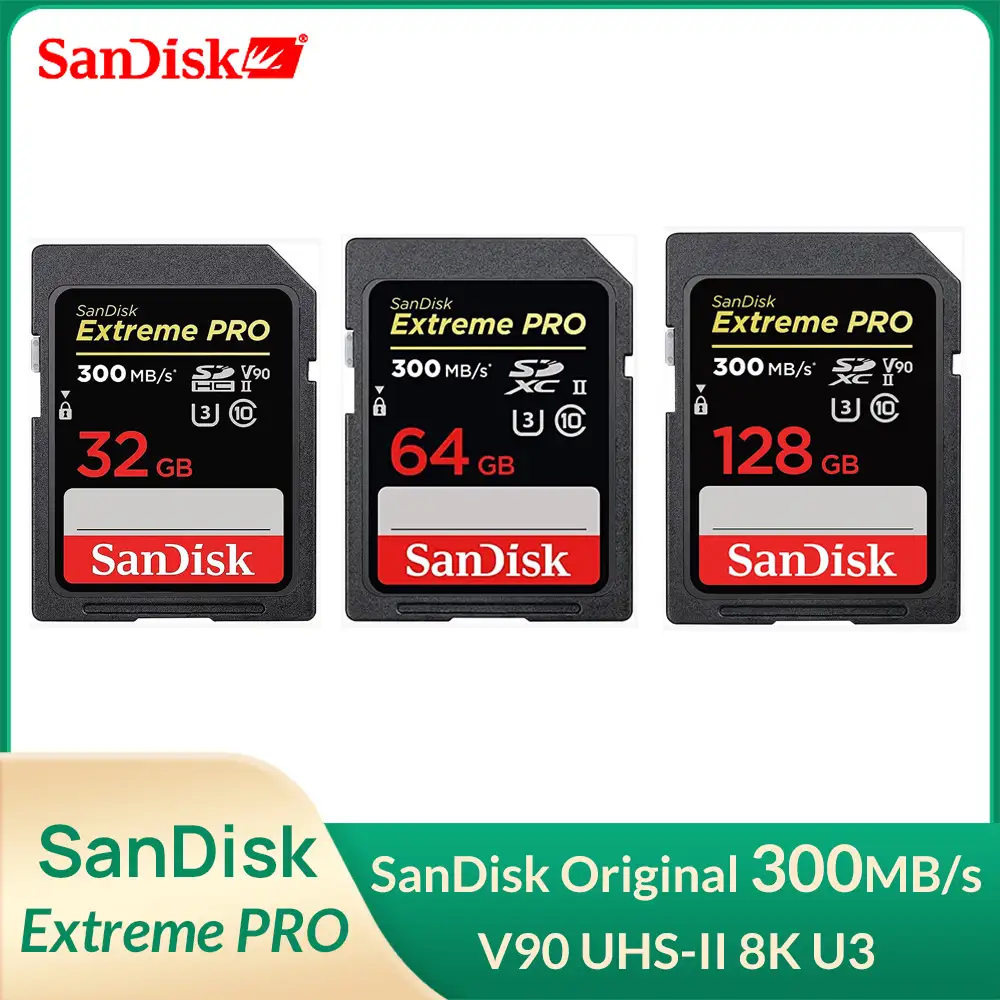
Final Verdict: Buy if you’re a professional or enthusiast needing uncompromising speed, capacity, and durability for 4K workflows. Avoid if your gear can’t leverage UHS-I/UHS-II speeds or has tight budget constraints. Pro tip from community: Pair with a proper UHS-II or high-spec UHS-I reader to unlock maximum performance and avoid bottlenecks.





