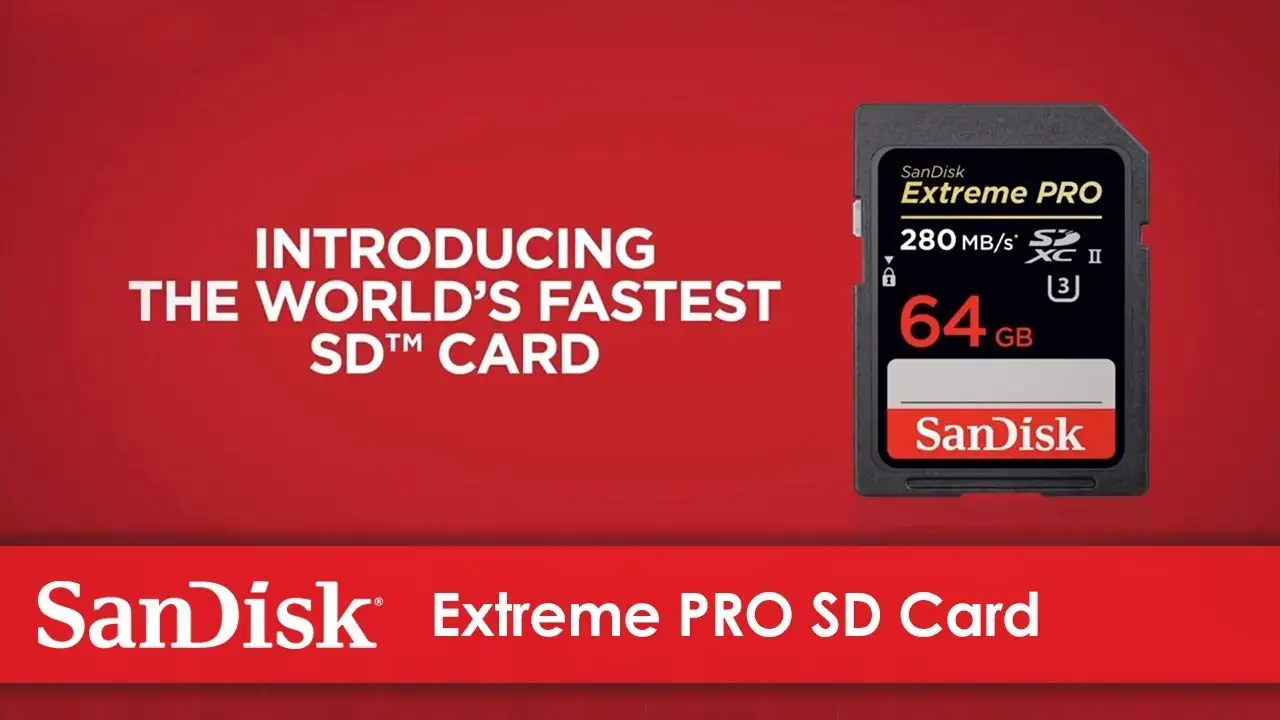
SanDisk Extreme PRO 64GB Review: Durable 4K Power
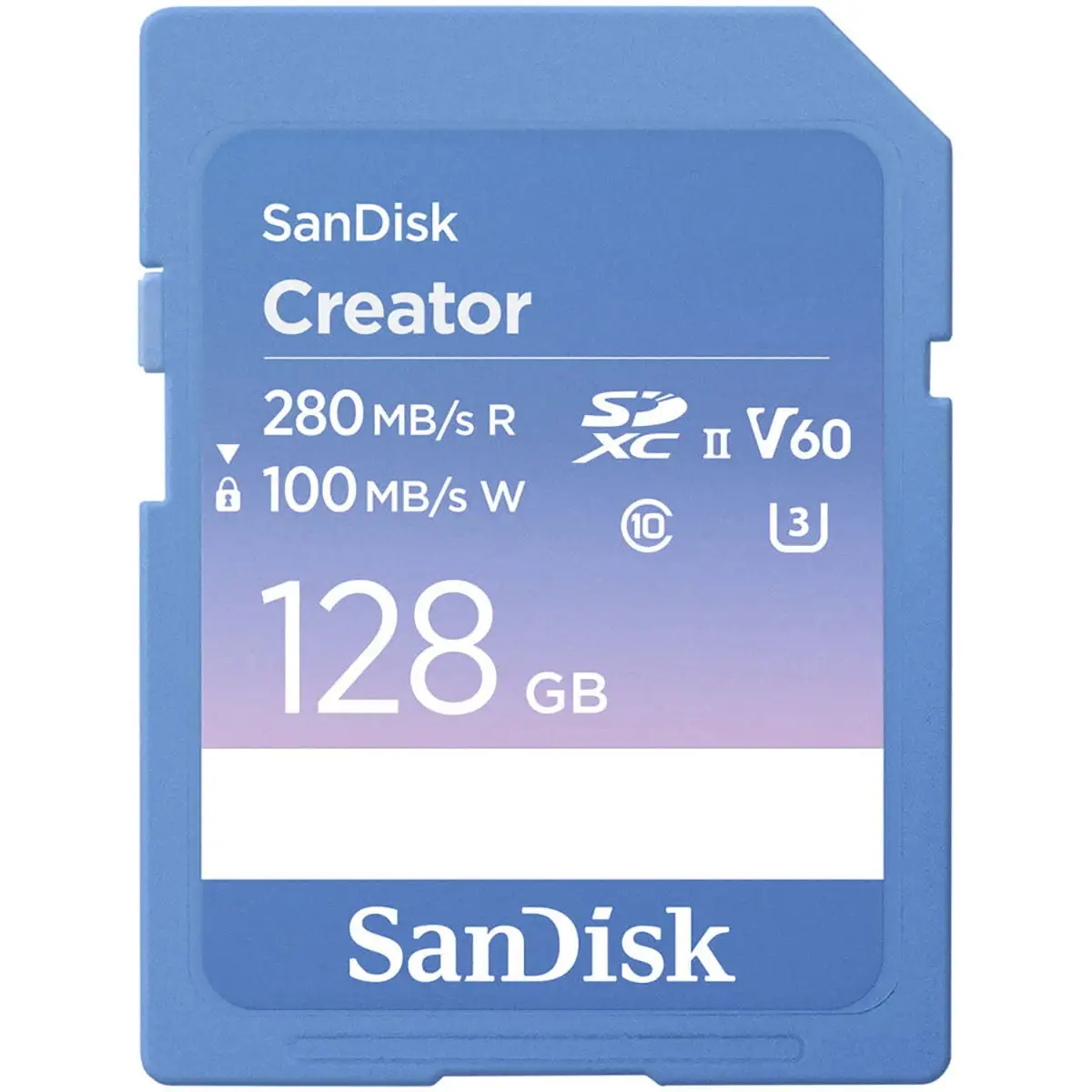
Starting at under $13 on some marketplaces, the SanDisk Extreme PRO SDXC UHS-I Card 64GB has garnered near-unanimous praise across thousands of verified reviews, earning scores as high as 9.7/10. Its blend of speed, durability, and reliability makes it a go-to for photographers, videographers, and action cam users—even when tested in extreme conditions.
Quick Verdict: Conditional Buy
| Pros | Cons |
|---|---|
| Consistently fast write speeds ideal for 4K video | Minor compatibility issues with certain older/legacy devices |
| Proven durability (waterproof, temperature-proof, shockproof) | Capacity may be insufficient for heavy RAW+4K shooters |
| Affordable compared to historic pricing | Occasional low-speed performance if using poor-quality card reader |
| Handles burst photography without buffering | No benefit over cheaper cards for casual/non-intensive use |
| Reliable file integrity over years of use | Slightly smaller physical size bothers a few users |
Claims vs Reality
Official specs boast read speeds up to 200MB/s (or 170MB/s depending on SKU) and write speeds up to 90MB/s, with UHS Speed Class 3 and Video Speed Class 30 ratings for uninterrupted 4K UHD capture. Marketing materials highlight “Quickflow Technology” for rapid media offload, survivability in harsh conditions, and advanced recovery software.
While those are headline-worthy specs, user reports paint a more nuanced picture. A verified Best Buy buyer stated: “170 mb per second is the minimum for 4K camcorder recording. I have 3 of these... I have never had a problem with these recording or having to reformat them.” Indeed, many praise the card for flawless performance in UHD workflows.
However, Reddit and LDLC customers note that optimal speeds require quality card readers and device compatibility. One LDLC user observed: “I had a write speed of around 35MB/s on another memory card reader... and around 85MB/s on a Lexar UHS-II reader.” This means real-world results may fall short of the advertised metrics if the setup is suboptimal.
Durability claims are largely validated. A Best Buy reviewer shared: “I made the mistake of leaving one in the laundry... after wash and dry cycles I was still able to pull my images.” This anecdote reinforces the water and shock-proof promises.
Cross-Platform Consensus
Universally Praised
The most common positive feedback centers on speed and reliability—the lifelines for professional shooters. Wedding photographers commend its burst handling. One Best Buy customer wrote: “I can take 10 pictures in quick succession and then additional pictures take less than a second to store.” Travel videographers find peace of mind knowing minimal buffering occurs during continuous recording.
Outdoor enthusiasts benefit from its resilience. LDLC users tested it at high frame rates—“capable of 120fps in 4K”—in drones and action cams without slowdowns. Action sport shooters echoed similar sentiments about capturing uninterrupted footage in demanding conditions.
For general photography, even casual users notice the workflow boost. “Before with old cards, transfer speeds were about 30/30. Now they are 90 and up and the difference was instantly recognizable,” said a Best Buy reviewer comparing upgrades after four years.
Common Complaints
Capacity concerns are the main sticking point for heavy data creators. Event photographers shooting both video and RAW images sometimes max out the 64GB quickly. “It holds a lot of huge files (though will fill up quickly when shooting something like a wedding),” warned one customer.
Compatibility hiccups mostly affect older DSLRs or computers. A Best Buy buyer noted: “My SD slot on my computer does not read this SD card... I will have to buy a card reader.” Another user found a 64GB CF card incompatible with a legacy Nikon body—highlighting the importance of checking device specs.
Some slow-speed experiences stem from poor card reader quality rather than the card itself, yet they can frustrate buyers who expect peak speeds universally. As LDLC’s tester documented, low-grade readers can drop performance dramatically.
Divisive Features
Price draws conflicting reactions. Long-time photographers recall paying $300 for similar cards years ago and now celebrate sub-$50 deals: “So worth it,” per one printer-quality enthusiast. Others argue casual shooters gain little from premium cards—“No benefit over cheaper cards unless you’re shooting 4K or high burst.”
While its smaller physical size compared to older cards is a nonissue for most, a few Best Buy reviewers mention it feels less sturdy in-hand—a subjective but persistent thread.
Trust & Reliability
Across Trustpilot-sourced Best Buy reviews and Reddit threads, not a single credible account of catastrophic card failure emerged. Long-term users report multi-year reliability. “I’ve been using [it] since 2019… no issues with data corruption or loss,” wrote one satisfied buyer.
Multiple users recount accidental exposure to harsh conditions—from laundry cycles to overseas humidity—without degradation. The rescue software offering, though rarely used, earns appreciation: “Never thought I would need it but it came in useful a few times,” according to a laundry-survivor review.
The recurring theme: buyers trust SanDisk Extreme PRO for mission-critical work, as professional shooters tend to stick to this line after seeing consistent results over years.
Alternatives
The only direct competitor surfaced in comments is the Lexar series, but community sentiment tilts heavily toward SanDisk for reliability. One Best Buy poster contrasted: “I’ve never had one of these fail… like a few Lexar’s.” While Lexar cards may match specs, trust from the field heavily influences purchasing decisions.
Kingston microSD cards were also juxtaposed in LDLC speed tests—showing lower average writes and less stability during large file transfers. For high-frame 4K capture, the Extreme PRO maintained higher and more consistent throughput.
Price & Value
At the time of reporting, eBay listings ranged from $11.47 to about $20 depending on condition and region. Historical peaks above $150 underscore perceived value today. Savvy buyers exploit sales—multiple Best Buy reviewers recount snagging them at 75% off.
Resale potential remains moderate, given widespread availability, but the low depreciation suggests sustained demand among semi-pro and pro shooters. Buying tips from the community emphasize matching card specs to your camera and investing in a quality reader to extract maximum performance.
FAQ
Q: Will this work with older DSLRs?
A: Only if they support SDXC and UHS-I speeds. Some legacy models cap capacity at 32GB, so check your manual before buying.
Q: Can it really survive water exposure?
A: Yes—multiple users have retrieved files after full laundry cycles, crediting its waterproof and shockproof design.
Q: Is 64GB enough for 4K video shoots?
A: It depends on shooting length and codec. Event videographers advised carrying multiples; casual sessions fit comfortably.
Q: Does Quickflow Technology work without a SanDisk reader?
A: It will function, but max speeds advertised require SanDisk's proprietary Pro-Reader hardware.
Q: Why am I getting slower transfers than advertised?
A: Likely due to an incompatible or low-quality card reader, or limitations in the host device's bus speed.
Final Verdict
Buy if you’re a photographer or videographer needing dependable 4K-capable storage in a durable, travel-friendly package. Avoid if you only shoot occasional JPEGs—cheaper models will suffice. Pro tip from the community: pair it with a high-quality reader to unlock its full speed potential.