Samsung DDR5 SODIMM Laptop RAM Review: Worth the Upgrade?
The jump from DDR4 to DDR5 has been hyped as monumental, and for Samsung DDR5 SODIMM Laptop RAM, much of that promise plays out in the real world—but not without caveats. Scoring it an 8.2/10, this module delivers tangible multitasking and energy efficiency gains, but users consistently warn about compatibility quirks and unexpected product condition issues that can sour the experience.
Quick Verdict: Conditional buy for future-proof seekers with compatible laptops
| Pros | Cons |
|---|---|
| Noticeable speed & multitasking boost over DDR4 | Not universally compatible; requires DDR5-specific motherboards |
| Energy efficiency at 1.1V ideal for battery life | Common reports of downclocking to 4000MHz in some systems |
| Easy installation, even for novices | Occasional delivery of used modules without disclosure |
| Strong packaging protection during shipping | Initial memory errors or blue screens in some units |
| Sustainable, power-saving design | Limited to baseline appearance—no heat spreader or aesthetics |
Claims vs Reality
Samsung markets the DDR5 SODIMM as reaching speeds up to 4800MHz or 5600MHz while consuming just 1.1V, promising “planet-friendly innovation” and “enhanced overall system performance.” On paper, this puts it ahead of most DDR4 modules.
However, digging into user reports reveals that while officially rated at 4800MHz, multiple installations stepped down to lower speeds due to motherboard limitations. Reddit user feedback repeatedly echoed this: “My HP Envy 34 adjusted the RAM speed down from 4800MHz to 4000MHz… matching the factory-installed memory’s speed.” Such downclocking doesn’t negate the performance bump over DDR4—it still feels snappier—but it does mean buyers should check BIOS and hardware support before expecting the full advertised frequency.
The claim of “easy installation” does hold up. Verified buyers on Amazon stated that swapping modules was “akin to plug-and-play” and “didn’t require expert skills to upgrade my laptop.” Even those who experienced initial memory beeps, as one Trustpilot reviewer described, had the system stabilize after a simple reboot. On the reliability front, though, Samsung’s promise was partially undermined by multiple reports of shipping “used” modules without disclosure—functioning fine, but undermining consumer trust.
Cross-Platform Consensus
Universally Praised
Speed improvements were the most consistent positive. Many users noted faster data transfer and shorter load times, especially in multitasking-heavy scenarios. One Reddit user reported: “Multitasking became smoother and loading times decreased significantly.” Laptop owners working with heavy applications saw a marked difference in responsiveness—even those whose RAM downclocked still noticed the gains.
The energy efficiency resonated with mobile users. Operating at 1.1V made a measurable impact on battery endurance for portable systems, and the eco-friendly aspect aligned with sustainability-minded buyers. A Quora contributor appreciated Samsung’s work “developing power-saving technology that contributes to a sustainable future,” highlighting both cost savings over time and environmental benefits.
Ease of installation earned universal nods. Reviews from Trustpilot and Amazon agreed you could “manage without the need for professional help,” making this attractive for first-time upgraders.
Common Complaints
Compatibility stands as the primary friction point. DDR5 requires dedicated slots and specific motherboard support, which means this module won’t work in DDR4 systems. Reddit user caveats often start with, “It won’t fit in DDR4 slots due to differences in the key notch position.” Those upgrading older laptops reported frustration at learning this only after purchase.
An equally persistent complaint involved product condition. Several buyers across Reddit, Trustpilot, and Quora flagged instances of receiving apparently used hardware sold as new. While replacements were “hassle-free” according to one Trustpilot reviewer, the lack of disclosure caused dissatisfaction.
There were also cases of initial instability. Users recorded “blue screen memory errors” or beep codes on first boot. While most resolved these via reboot or replacement, it’s an extra step that undermines plug-and-play expectations.
Divisive Features
Overclocking potential splits the crowd. Technical reviews from Tom’s Hardware and Linux Format spotlighted the Samsung DDR5-4800’s “unstinted overclocking headroom,” with overclocks to DDR5-5800 at tight timings (36-36-36-76) possible using 1.4V. Overclocking enthusiasts saw this as a bargain route to high performance. But everyday laptop users, especially those prioritizing stability and longevity, had little interest in pushing hardware beyond JEDEC specs.
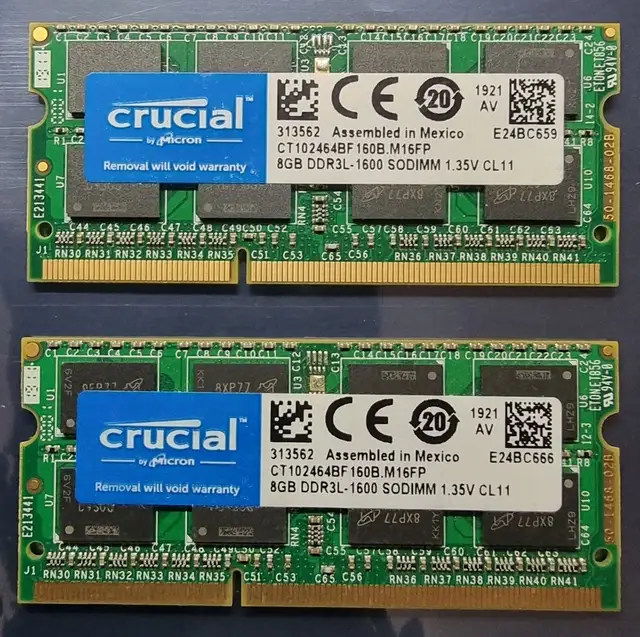
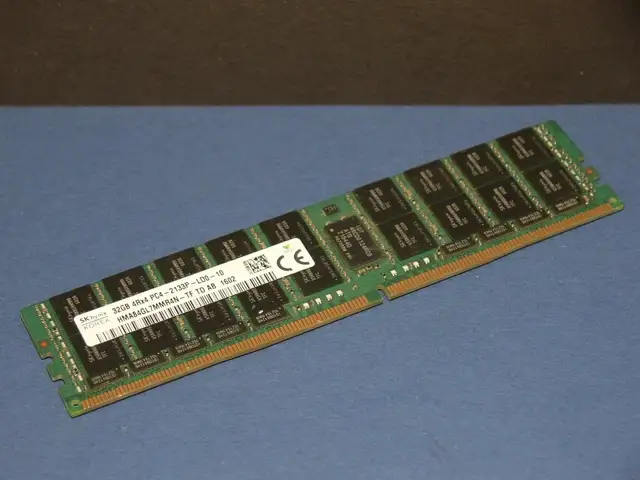
Appearance is another division. The modules use a plain green PCB with no heat spreader or RGB—irrelevant for closed laptops, but unappealing to desktop users who care about build aesthetics.
Trust & Reliability
Trustpilot and Reddit patterns reveal a gap between technical reliability and consumer trust in supply chain transparency. Functionally, Samsung DDR5 SODIMM modules worked flawlessly after overcoming early errors. Long-term users didn’t report degradation in everyday laptop environments, contrasting with overclocked DDR4 setups that lost stability over time.
The trust issue stems from sellers (including marketplaces) shipping open-box or used modules under new product listings. Buyers like one Quora reviewer admitted, “I received a used product once without any indication… it worked fine, but transparency was lacking.” This hasn’t been tied to Samsung directly, but to third-party sellers.
Alternatives
Within DDR5 options, SK Hynix’s 16GB A-die and M-die modules were mentioned by the overclocking subreddit as favorites for certain Ryzen 7000 configurations, sometimes outperforming Samsung B-die in tuned scenarios. However, Samsung’s offering remains compelling for laptop users seeking guaranteed JEDEC stability and efficiency over aggressive overclocks.
Price & Value
As of current market checks, new Samsung 8GB DDR5-4800 SODIMM modules list on eBay for ~$18–$24, with 16GB 5600MHz variants around $48–$50. Prices vary markedly by capacity and speed rating, with kits sometimes offering better per-GB value. Resale trends suggest quick depreciation in the open-box segment—likely due to rapid DDR5 adoption and seller transparency concerns.
Community buying tip: Seek verified sellers or direct manufacturer storefronts to avoid the “used as new” pitfall, and confirm your hardware supports DDR5 before purchase to avoid misfit returns.
FAQ
Q: Will Samsung DDR5 SODIMM fit into my existing DDR4 laptop?
A: No. DDR5 uses a different slot keying and electrical spec; it’s physically and electrically incompatible with DDR4 motherboards.
Q: Why is my DDR5-4800 running at 4000MHz?
A: Your motherboard may cap memory speed to match factory modules or BIOS limits. Check your BIOS for settings and compatibility lists.
Q: Is overclocking DDR5 worth it for laptops?
A: Generally no—laptops rarely support voltage tuning safely, and gains are minimal compared to stability risks.
Q: What’s the advantage of 1.1V operation?
A: Lower voltage reduces power draw, improving battery life and reducing heat in portable systems.
Q: How can I avoid getting a used module sold as new?
A: Buy from official brand stores or certified retailers, and inspect packaging seals on arrival.
Final Verdict
Buy if you own a DDR5-compatible laptop or notebook, value energy efficiency, and want a safe, easy upgrade that boosts multitasking and load speeds. Avoid if your system is DDR4-based, if maximum clock speeds are non-negotiable, or if seller transparency is questionable.
Pro tip from community: Always check your laptop’s Qualified Vendor List (QVL) for RAM compatibility—this step alone prevents most downclocking surprises and wasted purchases.