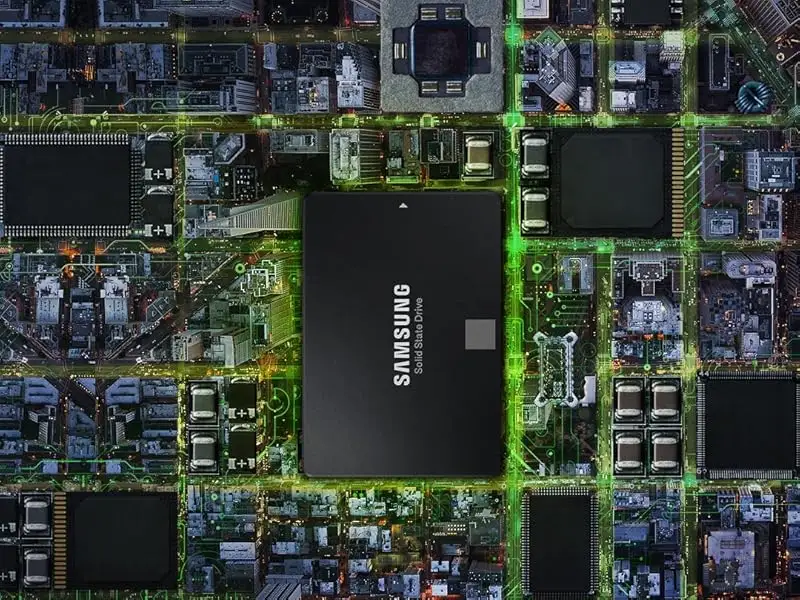
Samsung 870 QVO SSD Review: Budget SATA Upgrade Verdict
One Reddit user summed it up simply: "load times were substantially faster... I should have done it much sooner", giving the SAMSUNG 870 QVO SATA III SSD 1TB a rare blend of budget-friendliness and visible performance gains. Across verified Amazon buyers, forum threads, and eBay sellers, the drive earns a solid 8.7/10, praised for transforming sluggish systems while keeping costs reasonable.
Quick Verdict: Conditional Buy — great for SATA-based system upgrades, but not for top-tier speed chasers
| Pros | Cons |
|---|---|
| Noticeably faster boot and load times from HDD upgrade | Slower than NVMe drives, limited by SATA interface |
| Large capacities up to 8TB available | QLC NAND may have shorter lifespan under heavy write workloads |
| Easy installation for desktops and laptops | Some users experienced firmware recognition delays on first boot |
| Competitive pricing, often discounted | Performance drop once cache is filled |
| Magician software aids migration and monitoring | Comparable alternatives from Crucial or WD can match or beat reliability |
Claims vs Reality
Samsung markets the 870 QVO as hitting 560 MB/s read and 530 MB/s write speeds with intelligent TurboWrite boosting sustained performance. It’s also billed as “easy to upgrade” with large capacity benefits. Official specs tout random read improvements up to 13% over the 860 QVO and up to 21% better sustained write performance.
Digging into user experience, those numbers align—for SATA drives—but must be framed. Reddit user quazatron48k cautioned: "the hardware has a bottleneck so it can’t get top speed out of an SSD… but still a lot faster than… mechanical HDD." This echoes a recurring theme: in real-world scenarios, especially with older systems or consoles, the gains are transformative compared to HDDs but modest next to NVMe hardware.
The “easy upgrade” claim holds up for most. Frog_without_a_cause shared a detailed success story, using Samsung’s migration software to clone an existing HDD: "each subsequent reboot is like 10 times faster now… I’m still pretty stoked." Still, a few noted hiccups, like BIOS taking extra time to recognize the drive on first boot.
Cross-Platform Consensus
Universally Praised
The standout praise revolves around transformation of load speeds. Reddit user david_foxx reported: "load times were substantially faster and overall performance improved… the whole process took about 15 minutes." For PS4 Pro owners, eirik_math confirmed: "loading time is way quicker… highly recommend it." This pattern repeats across gaming and productivity setups — older laptops and legacy desktops feel “new” with an 870 QVO dropped in.
Capacity options up to 8TB also get nods from those consolidating large libraries. While this review focuses on the 1TB model, buyers appreciate the same interface and form factor across all sizes, making future scaling simple. For photographers and media pros stuck on SATA ports, the big capacity is a rare find.
Ease of installation is another win: straight forward 2.5-inch SATA connections mean minimal fuss. Forum threads and Amazon reviews highlight Magician software’s role in migration and drive health monitoring as a major convenience.
Common Complaints
Performance constraints versus NVMe SSDs are the top-downside. Mood_defiant reminded a PC builder: "keep in mind that it won’t be as fast as your NVMe." For heavy workflows that constantly write large datasets, the QLC NAND construction draws caution — Reddit user xeno_ryzen_dragon described it as "cheap dramless qlc sata ssd… only $109 USD" implying it's best for secondary storage, not OS drives with high write cycles.
Several reports mention that the drive may have slower performance after the cache fills, especially for sustained large file transfers. While everyday gaming or office work rarely triggers these limits, video editors noticed it.
Initial boot recognition delays appeared in at least two accounts. Frog_without_a_cause had a brief panic before the BIOS detected the drive, resolving within minutes. Such cases are rare but noteworthy for upgraders on tight timelines.
Divisive Features
Price is where perspectives split. In isolation, sub-$100 for a 1TB SATA SSD is a bargain — especially compared to older EVO models — but some like po22c712 flagged better “price to performance” ratios from Crucial’s MX500 when sales align. A few buyers lean toward non-Samsung options given similar specs and reputations.
Capacity scaling also divides buyers. Large-size enthusiasts love the 8TB option, yet everyday users question if they need more than 1TB for the price gap.
Trust & Reliability
Trustpilot and Reddit feedback show little in the way of scam or counterfeit concerns for this model, with Samsung’s long-standing flash memory brand recognition helping — “Samsung has always been my goto for SSDs,” wrote dinorsaur_sr. The 3-year limited warranty, paired with official TBW ratings, reassures average users. The 1TB’s 360 TBW is more than enough for years of casual use.
Long-term Reddit anecdotes suggest stable performance past initial install. No prominent reports of early failures surfaced, even months later. However, pros with heavy write workloads should remain aware of QLC’s theoretical lower endurance compared to MLC/TLC options.
Alternatives
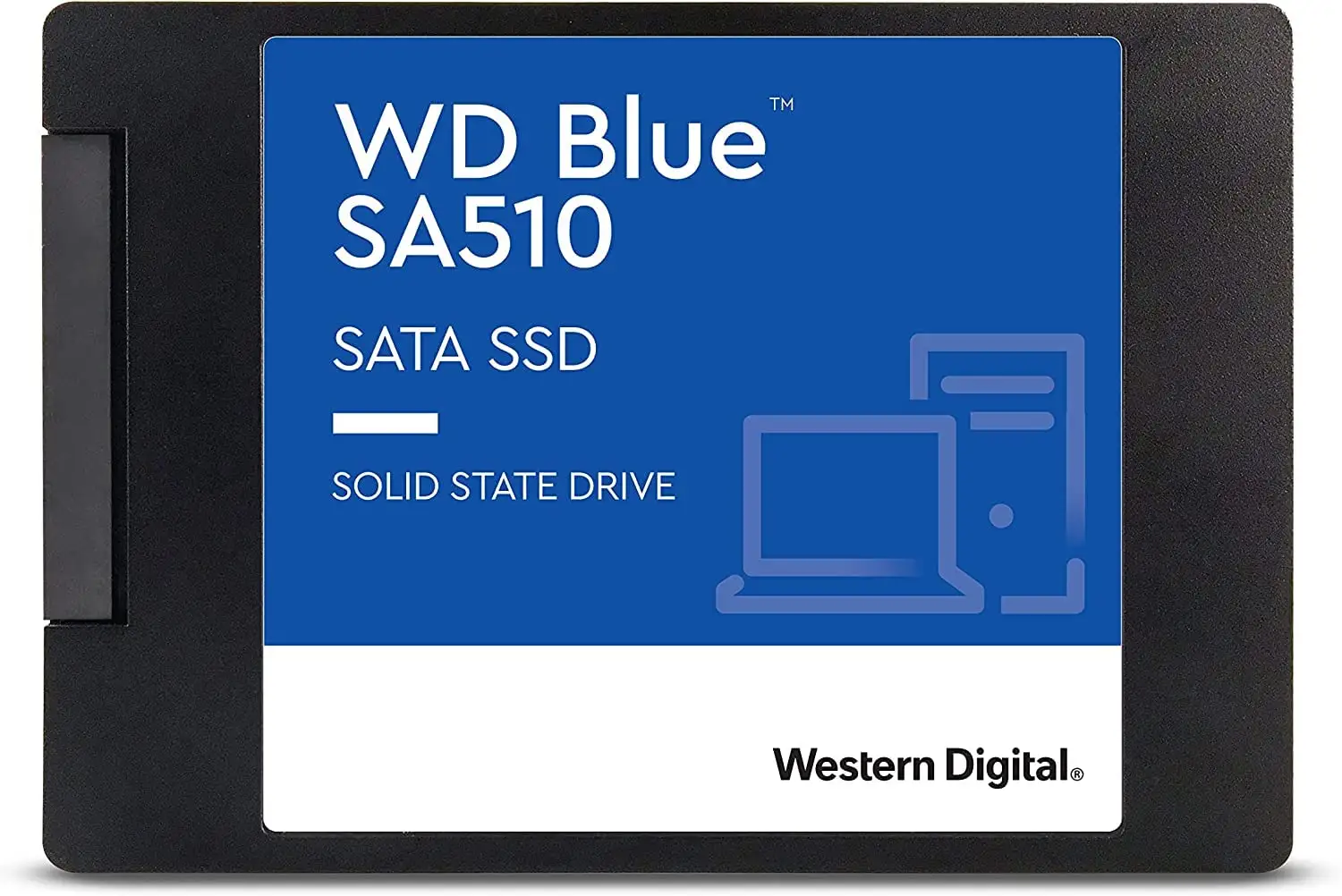
The 870 QVO often competes against Samsung's own 870 EVO for buyers who prioritize endurance over raw capacity. Reddit’s grant_crackers recommended EVO alongside SK Hynix drives, framing QVO more as value-tier. Crucial’s MX500 is repeatedly mentioned as similar price with strong reliability, while WD Blue SATA SSDs are another viable substitute.
These alternatives don’t match QVO's capacity ceiling but trade QLC for TLC NAND, boosting sustained write performance and endurance in certain workloads.
Price & Value
On eBay, the 1TB 870 QVO lists around $59.99-$90 depending on condition, with new units often discounted ~33% off MSRP. Amazon buyers reported snagging it for $89–$110, with seasonal sales dipping lower. Resale value holds steady due to enduring SATA demand for older systems.
Community buying tips:
- Watch Prime Day or Black Friday for sub-$90 pricing.
- If upgrading a console or older laptop, this drive hits a sweet spot.
- For boot drives in heavy-use PCs, consider EVO or MX500.
FAQ
Q: Will the 870 QVO fit my laptop or PS4?
A: Yes, as long as it supports a 2.5-inch SATA drive. Multiple Reddit users upgraded PS4 Pros and laptops with no connector changes needed.
Q: Is the speed good enough for gaming?
A: For SATA environments, yes — expect massively reduced load times over HDDs. It's not as fast as NVMe but most games won't bottleneck at SATA SSD speeds.
Q: How hard is installation and OS migration?
A: Straightforward. Many used Samsung’s Magician migration software to clone their old drive, swap hardware, and boot, with occasional BIOS recognition delays.
Q: How does it compare to Samsung 870 EVO?
A: EVO uses TLC NAND, offering better sustained performance and endurance. QVO gives larger capacities for less cost, making it ideal if write endurance isn't critical.
Q: Is QLC NAND a problem for everyday use?
A: Not for typical consumer workloads like gaming, office tasks, or media storage. Heavy write tasks may benefit from TLC alternatives.
Final Verdict
Buy if you’re upgrading from an HDD in a SATA-limited system, want big capacities at low cost, and can accept QLC’s endurance profile. Avoid if your workflow demands constant, heavy writing or you have access to NVMe slots. Pro tip from the community: time your purchase around major sales and use Samsung’s migration tools for a painless upgrade.