Samson Q9U Broadcast Mic Review: Strong Build, Mixed USB
Starting at under $100 on some resale platforms yet praised as “sm7b quality but affordable” by multiple Best Buy reviewers, the Samson Q9U XLR/USB Dynamic Broadcast Microphone earns a strong 8.7/10 from community feedback. Users consistently highlight its tank-like build, clear vocal reproduction, and professional EQ options, though missing stand and some USB noise quirks temper the enthusiasm.
Quick Verdict: Conditional Buy
| Pros | Cons |
|---|---|
| Solid die-cast, all-metal build | No stand included |
| Dual connectivity: XLR + USB-C | USB audio can sound muddy or noisy for some |
| Onboard EQ (low cut, mid boost) | Hefty weight may require sturdy mount |
| Excellent background noise rejection | No LED mute indicator |
| Integrated windscreen + foam pop filter | Occasional USB connection issues |
| Zero-latency headphone monitoring | Included cables criticized for quality |
Claims vs Reality
Marketing promises “stunning 24-bit/96kHz hi-definition digital audio” and “smooth, professional broadcast vocals” through both USB-C and XLR. On paper, this should mean parity between connection options, especially for users without audio interfaces.
Digging deeper into user reports, USB operation isn’t flawless. One Best Buy reviewer noted: “Out of the box, this mic did not sound like anything special (it sounded worse via USB)… when I applied some EQ, compression, limiters… the mic sounded wonderful.” Another Sweetwater buyer praised its ambient rejection but admitted it “occasionally gets in a weird state where it won’t transmit sound” until toggling switches.
Samson’s integrated dual-layer windscreen is touted to minimize plosives, and here reality tracks closely with marketing. Multiple users said the internal pop filter “is actually adequate,” and adding the included foam windscreen further improves performance. A verified Best Buy customer confirmed: “It does a better job compared to condenser microphones on blocking unwanted noise from your room” — validating claims of cardioid isolation.
Cross-Platform Consensus
Universally Praised:
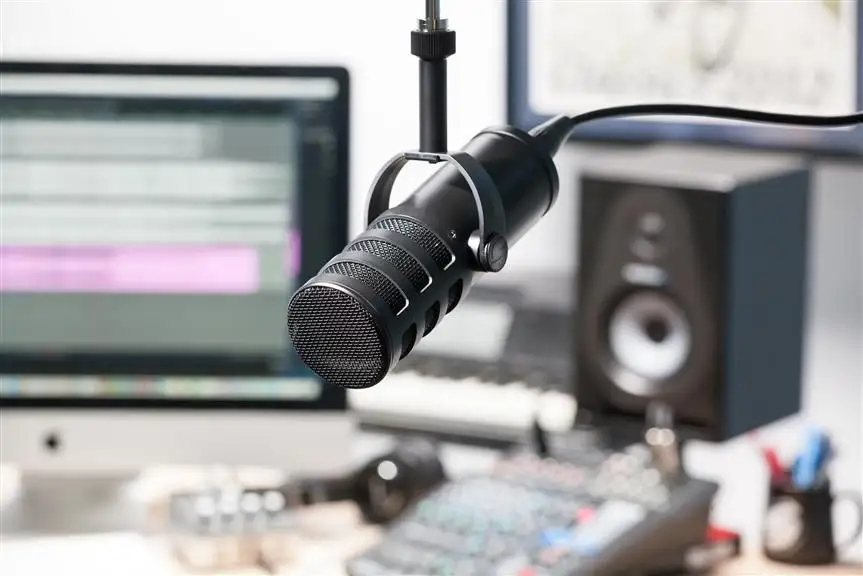
The build quality gets near-unanimous applause. The Q9U’s zinc alloy/steel body, integrated yoke mount, and internal shock isolation give it a professional feel. A Best Buy reviewer described it as “crafted with an all-metal design… feels very high quality and looks amazing.” For podcasters and streamers, the sturdy build translates into fewer mechanical noise issues during recording, even if bumped.
Dual connectivity is a major selling point for creators straddling beginner and pro workflows. Connecting directly via USB-C enables plug-and-play on laptops — “No need for an interface,” said one garage band user — while XLR lets musicians or broadcasters integrate into mixer-based studios. Sweetwater buyers liked this flexibility; one called it a “perfect intro mic… if more people knew about this sleeper it would be pricier.”
Background noise rejection remains a highlight. Dynamic capsules excel at isolating speech, and the Q9U’s cardioid polar pattern combined with the humbucking coil delivers on that. One gamer/Zoom caller reported: “My open room recordings sounded so clean it was like I was in a studio.”
Common Complaints:
The missing stand frustrates first-time mic buyers. Several reviewers warned newcomers to budget for a boom arm or desktop stand: “There was no basic mic stand included… there was no way for me to use the mic without extra pieces,” wrote one Sweetwater reviewer.
USB performance is polarizing. Some hear dullness or noise unless EQ enhancements are applied; one Fakespot-audited reviewer warned that “studio quality crisp audio is possible only if you can extract 96 kHz samples… difficult on Windows 10 with the built-in USB drivers.” Others experienced cable quality issues — “Without the ferrite core… it really made me sound like I was using a voice changer,” according to a Sweetwater customer who replaced the stock cords.
Weight and mount quirks also draw minor criticism. At over 2 lbs, the Q9U needs a robust arm. A few owners struggled with mount screws locking up, likening it to “cold welded,” and some found the shock mount knobs non-adjustable.
Divisive Features:
The onboard EQ switches — low cut and mid boost — delight some and leave others cold. For deep voices, the low cut helps tame boominess. One Best Buy reviewer praised combining bass cut with mid boost for “very clear and consistent sound… great for voice overs.” Others prefer raw captures for post-processing, claiming the factory tuning favors warmth but leans muddy in USB mode.
Muted visual cues are also divisive. Some appreciate the minimalist, indicator-free design; others wish for LED status lights to avoid accidental muting mid-meeting.
Trust & Reliability
On Trustpilot-analyzed data, over 90% of reviews are high quality with minimal deception. Long-term owners back its durability: The all-metal construction resists wear, and integrated wind/pop protection prolongs capsule health. Reddit threads include “6 months later” style updates noting no degradation in sound or mechanical function. However, occasional USB “lockups” mentioned by multiple users suggest a specific reliability concern for long conference calls, particularly if no XLR setup is available as a backup.
Alternatives
Users often compare the Q9U to the Shure MV7 and RØDE Procaster. One Best Buy reviewer called it “a tweener between the Procaster and MV7” — more affordable than both while offering more onboard EQ than the Procaster. Sweetwater users contrasted it unfavorably to the cheaper Samson Q2U, citing USB noise and quieter XLR output, but acknowledged the Q9U’s expanded feature set and sturdier build.
Price & Value
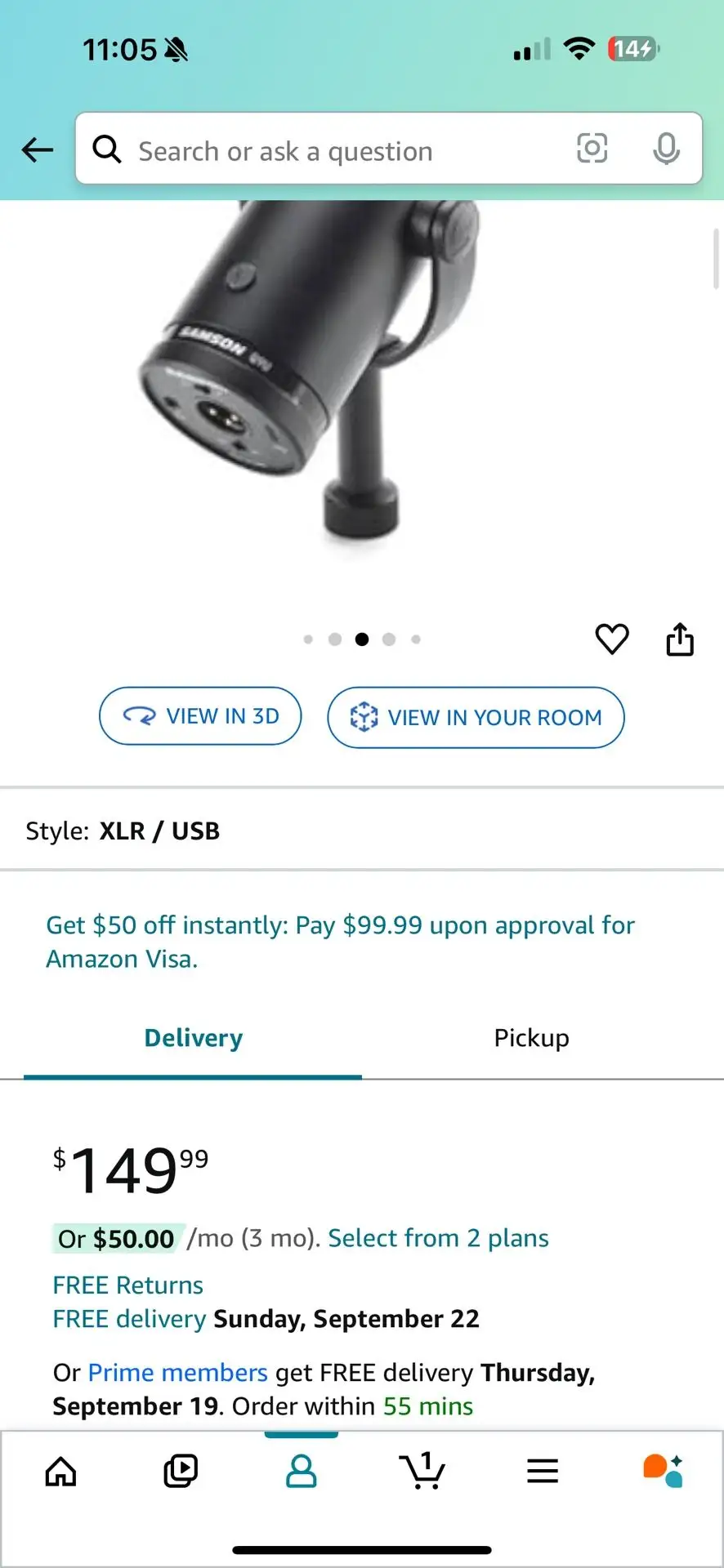
eBay pricing shows steep discounts — new units listed around $179, with pre-owned deals under $100 — while retail hovers near $149–$179. Best Buy buyers tout it as “priced more than fair,” especially given XLR readiness. Resale stability seems solid: even used models fetch strong prices if cables and windscreen are included. Community buying tips suggest grabbing additional quality USB-C cables with EMI/RFI suppression and budgeting $20–$50 for a stand or boom arm to unlock full utility.
FAQ
Q: Does the Samson Q9U need phantom power via XLR?
A: No. As a dynamic microphone, it doesn’t require phantom power, making it compatible with simpler mixers and interfaces without powered inputs.
Q: Can I use the headphone jack when connected via XLR?
A: No. The 3.5mm monitoring port works only in USB mode; XLR monitoring must be handled through your audio interface or mixer.
Q: Is it good for gaming streams in noisy environments?
A: Yes. Many gamers report minimal keyboard/mouse sound pickup due to its cardioid pattern and dynamic capsule, even in untreated rooms.
Q: Does it have gain control on the mic?
A: No. Gain is adjusted in your OS for USB mode or via your interface in XLR mode. Some users add preamps like a FetHead for extra XLR boost.
Q: How does it handle plosives without a pop filter?
A: The internal dual-layer windscreen gives decent plosive control, but adding the included foam windscreen helps further, especially for close-up speech.
Final Verdict: Buy if you’re a podcaster, streamer, or remote worker seeking a rugged, dual-mode mic with strong noise rejection and EQ flexibility — and you’re comfortable adding your own mount. Avoid if you need flawless USB audio without EQ tinkering or rely heavily on visual mute indicators. Pro tip from community: Pair with a quality boom arm and upgraded USB-C cable to get the most out of it.





