RØDE NT-USB Mini Review: Compact Mic with Big Sound
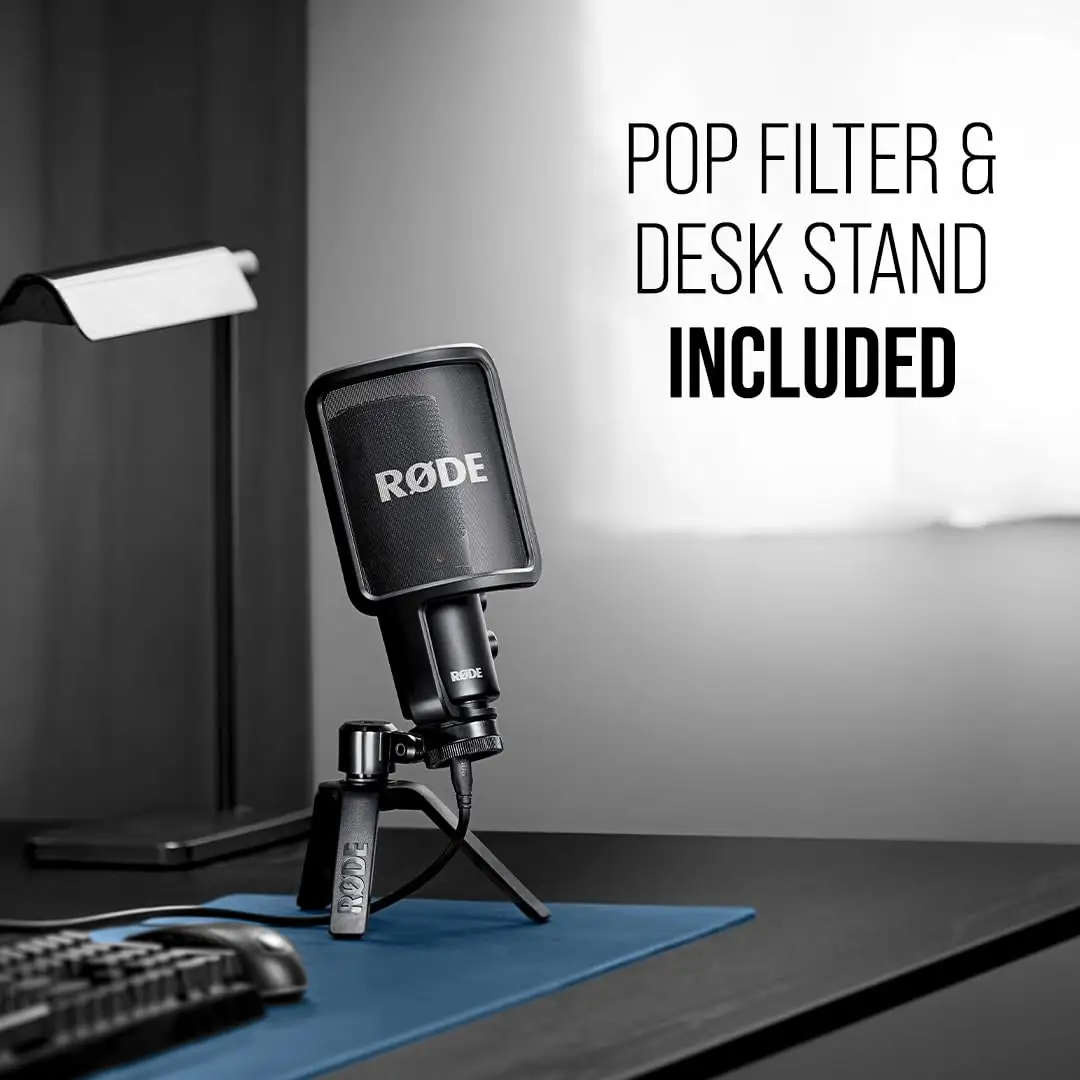
Digging into hundreds of user reviews, the RØDE NT-USB Mini USB Microphone emerges as a compact, plug‑and‑play solution that delivers studio‑quality audio without the complexity or bulk of traditional pro gear. Across platforms, it consistently scores between 4.6 and 4.8 out of 5, translating to a solid 9/10 in user satisfaction. The standout theme? Simplicity meets strong sound—ideal for podcasts, streaming, and remote work—but with trade‑offs around onboard controls and sensitivity to background noise.
Quick Verdict: Conditional
Best for aspiring podcasters, streamers, and work‑from‑home professionals wanting a fuss‑free, high‑quality mic. Not ideal for noisy spaces or those needing physical mute/input gain controls.
| Pros | Cons |
|---|---|
| Warm, clear audio rivals more expensive gear | Picks up environmental noise easily (condenser trait) |
| True plug‑and‑play; no drivers needed | No onboard mute or gain control |
| Built‑in pop filter reduces plosives | Fixed 48kHz rate can be limiting in some workflows |
| Compact, heavy‑duty build with magnetic base | Volume knob only controls headphone output |
| Free RØDE Connect software with DSP effects | Mount’s magnetic design needs care near sensitive devices |
| Compatible with phones (with adapter) | Slight white noise at high input gain |
Claims vs Reality
Marketing promises “crystal‑clear professional sound direct to a computer or tablet,” and many users back this up with hands-on reports. A verified buyer on Best Buy said: “Phenomenal sound quality for the price; executive director was amazed at what I could produce with it.” For voice‑centric work—podcasts, Zoom calls, narration—the warmth and clarity are frequently praised, often surprising buyers who expected compromises due to the small form factor.
The company highlights the built‑in pop filter and cardioid pattern for noise rejection. While this proves true for plosives, environmental spill is still present. TechYou reviewer Tsuyoshi noted: “It’s a condenser mic, so it easily picks up environmental sound—if you’re in a noisy room, consider a dynamic alternative.” This aligns with reports from Reddit and Trustpilot where users in shared spaces picked up keystrokes and background chatter despite directional tuning.
RØDE’s “simple to use” claim also holds water in practice: across Trustpilot and Sweetwater, beginners uniformly reported success within minutes. One Best Buy customer wrote: “I’m just a simple dude wanting to start a podcast—this is literally a ‘turn on and go’ piece of equipment.” However, marketing glosses over missing functions; while competitors like the Fifine K690 offer onboard mute and gain dials, the NT‑USB Mini requires software or OS‑level controls for these basics.
Cross-Platform Consensus
Universally Praised
Ease of setup wins across demographics—from office professionals to musicians. Reddit user reports consistently praise its immediate compatibility, even with Android and iOS (via camera adapters). Portability is another standout; Zen Shine on Best Buy noted buying “4 for work” because they were easier to pack than Yeti Minis. For gamers, the zero‑latency headphone monitoring via the rear 3.5mm jack was particularly appreciated, letting streamers sync game audio and voice without delay.
Sound character draws regular compliments, often compared favourably to pricier gear. A Sweetwater customer replaced a Blue Snowball and said: “Couldn’t be happier.” Podcasters using RØDE Connect’s DSP effects (Noise Gate, Compressor, Aphex processors) remarked that it adds “professional shine with a click,” creating broadcast‑ready sound without extra hardware.
Common Complaints
The absence of a physical mute button irks many. Kenny on Best Buy rated it 3/5 specifically because “you’ll hear every sound it picks up” and muting requires leaving your mic channel via software. That sensitivity causes problems in open environments, as background noise still bleeds through. Some users found its default levels low, requiring 100% input gain on the OS, which introduced audible white noise. This echoes Tsuyoshi’s observation that lowering input and working close‑mic reduces both background and hiss.
Another recurring caution is the stand’s strong magnet—Jerry on Best Buy reported damaging a laptop hard drive by placing the mic directly atop it.
Divisive Features
The fixed 48kHz sampling rate and lack of granular gain control divided the professional crowd. For casual creators, it’s a non‑issue, but Sweetwater’s Paul flagged limited flexibility compared to full‑size NT‑USB or a traditional audio interface setup. Some loved the magnetic mount’s quick detachment for mic arms; others preferred a screw‑in mount for security.
Trust & Reliability
Long‑term accounts suggest strong durability. Reddit users working from home for months or years report consistent performance, even with daily call use. Sweetwater buyers cited solid metal construction and heft as reassurance over fragile plastic competitors.
No major scam reports surface; authorised dealer purchases dominate, and only isolated complaints involve refusal of refunds for technical dissatisfaction. Magnet safety near electronics is one noted hazard, but functionally the product maintains quality over extended use.
Alternatives
The Fifine K690 appears repeatedly in comparisons due to similar pricing and USB condenser format. Its onboard mute, gain, and pattern selection make it more flexible for live adjustments—especially in streaming or conference scenarios. Tsuyoshi summarised: “If mute on the mic itself matters for you, the Fifine is more convenient; sound is otherwise similar, so choose by design and features.” Higher‑budget users mention Shure MV7 for superior noise rejection and dynamic capsule performance, albeit at triple the price.
Price & Value
At the time of reporting, prices range from $92–$109 new on Amazon and Sweetwater, with eBay listings frequently under $80 for open box or mint condition units. Numerous buyers called it “a steal” given performance parity with mics costing twice as much. Resale trends show stable demand, with used units often fetching $65–$90, signalling value retention.
Community buying tips suggest pairing with a boom arm early, as desk placement can require height boost for optimal sound. Sweetwater’s Peter B. bypassed the stock base entirely for a free‑standing boom to reach head level.
FAQ
Q: Does the NT‑USB Mini work with mobile devices?
A: Yes, with proper adapters. iPhone users need Apple’s USB camera adapter (and sometimes external power supply). Android support is direct for devices with USB‑C and OTG.
Q: Can it mute or adjust input directly from the mic?
A: No. Input gain and mute must be controlled via software or system settings. The front dial controls only headphone output level.
Q: How far should you be from the mic when recording voice?
A: Around 10–15 cm is recommended for optimal clarity and proximity effect, which also lowers background capture.
Q: What makes RØDE Connect useful?
A: Free companion software enabling DSP effects, simple multi‑track setup, and control of up to four NT‑USB Minis on one computer—ideal for podcasts and live streams.
Q: How is it powered?
A: USB bus‑powered. No external power supply is required for computer or compatible tablet use.
Final Verdict: Buy if you want plug‑and‑play, warm audio for streaming, podcasts, and remote meetings, and can work in a reasonably quiet space. Avoid if you need on‑mic mute/gain or will record in high‑noise environments. Pro tip from community: use RØDE Connect and a boom arm to maximise both sound quality and comfort.