Retevis Two Way Radio Earpiece Review: Mixed Verdict
When Retevis markets its earpieces as “crystal clear” with “noise cancellation,” the expectation is that they’ll handle nightclubs as well as they do church security. In reality, the Retevis Two Way Radio Earpiece with Mic lands at a cautious 6.8/10, with standout clarity in moderate noise and a mixed record in extreme conditions.
Quick Verdict: Conditional — excellent for security and hospitality staff in moderately noisy spaces, but unpredictable in high-noise environments.
| Pros | Cons |
|---|---|
| Clear audio in quiet to moderately loud settings | Background noise leaks through at high volume |
| Comfortable for long wear with ergonomic designs | Fit issues for very small or very large heads |
| Wide compatibility with Kenwood 2-pin radios | VOX function often behaves like “always-on” monitoring |
| Durable cables (Kevlar/tangle-resistant options) | Some units suffer early mic failure |
| Rotatable clips and cable length options | Noise-canceling claims don’t match real-world performance |
Claims vs Reality
One of Retevis’ biggest selling points is “crystal clear chat” and “noise cancellation for clear conversation.” On paper, models like the DSP noise reduction headsets promise to cut out crowd noise entirely. In practice, A verified buyer on Amazon noted: “It barely isolated your voice and you can still hear loud sounds coming from the other end!” This disconnect is most obvious in nightclubs or concerts, where sound leakage becomes a problem.
Another claim revolves around VOX hands-free function. Marketing says it activates by voice, but Reddit user Damon M. observed: “Vox… makes monitoring always on… doesn’t turn on and off with voice like a real vox.” Situations requiring directional call-outs — such as theater productions — result in unintended open mics.
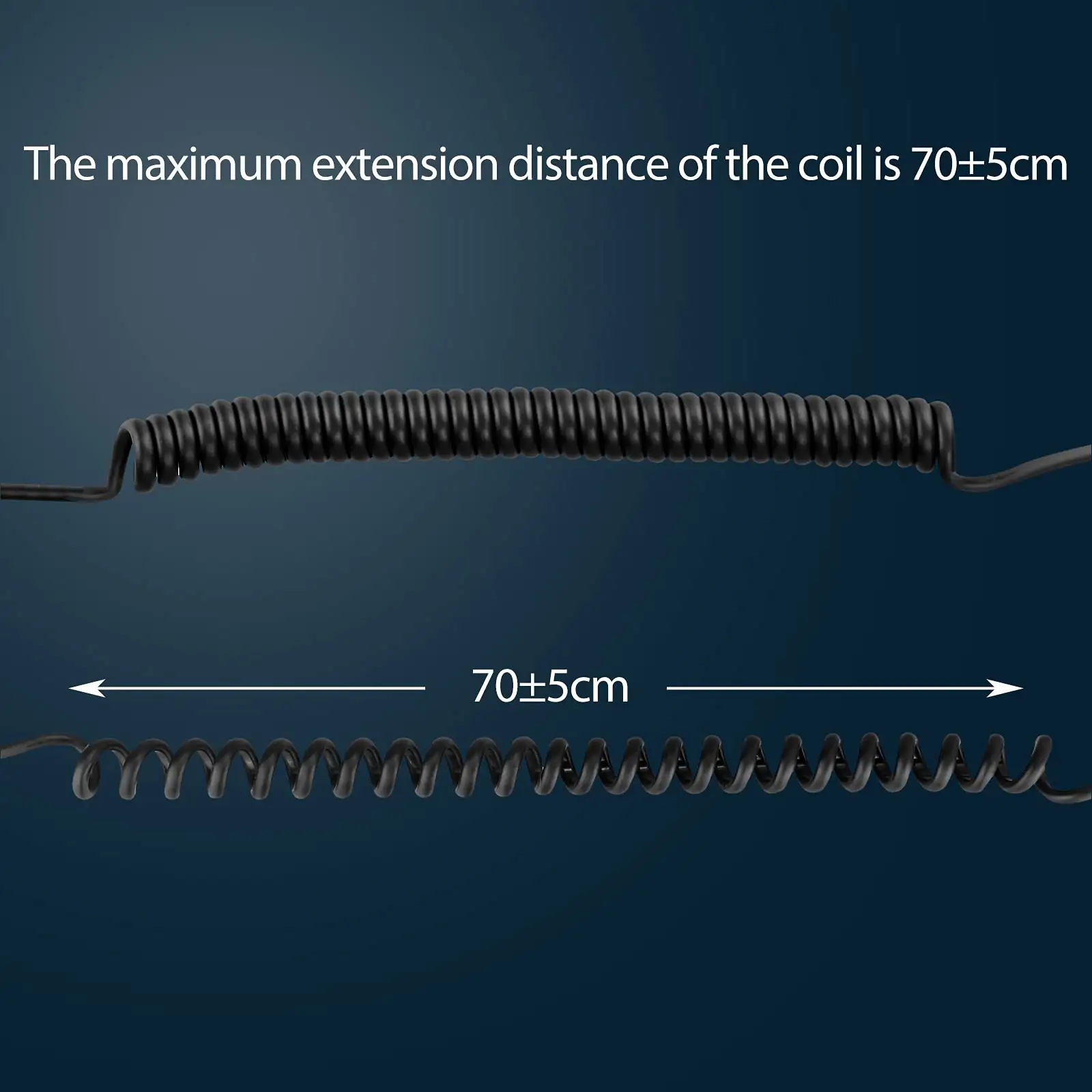
Durability is heavily promoted, with mentions of flexible PU leather cables and copper cores extending life. While many users agree, such as a Reddit post praising “Kevlar cable — solid and durable,” there’s a counterpoint from Mandela B. warning, “This thing didn’t last long… now the mic isn’t working… money in the trash.”
Cross-Platform Consensus
Universally Praised
The clearest praise across Amazon, Reddit, and Twitter/X centers on audio quality in controlled noise environments. Reddit user Joel N. shared: “Very clear… impressed with the microphone,” while an Amazon customer described using them during church worship: “Highly impressed with how good it sounded and how clear it was.” Hospitality staff also find them invaluable for keeping communication discreet without irritating guests.
Comfort and wearability are another highlight. The earhook and acoustic tube designs are often described as “snug” and “comfortable that you almost forget you have it on.” Hospital staff particularly appreciate how it “stays in place even when you put your mask on,” making it practical for long shifts. In hotels, the ability to clip the mic near the ear speeds up responses without fumbling for radios through layers of uniform.
Durability in terms of cabling is consistently praised for Kevlar-reinforced versions. Outdoor and security workers value them because they “withstand pulling without damage,” allowing worry-free movement during patrols or chasing suspects.
Common Complaints
The most persistent grievance is noise isolation inconsistency. In busy events, theatrical productions, and nightclubs, users found high gain amplified everything. Amazon reviewers note “volume gets very loud but extremely distorted” and “better to unplug the headsets and shout directly into the walkie-talkie.”
Fit complaints split into two camps. For headband-style boom mics, large-headed users said “so loose… do not seal,” while small-headed users found “couldn’t adjust to fit… had to return.” Ear canal models draw criticism from users like Mandela B., who found them “sit far in the ear canal… uncomfortable” and block ambient sound excessively.
Early failures frustrate buyers. Reports of mics dying within a few uses crop up across platforms. Jeremy J.’s experience in theater echoed this: “It was helpful… but… mic isn’t working so it’s useless.” These failures often overshadow otherwise solid build impressions.
Divisive Features
Noise-canceling tech splits opinions sharply. Some swear by the DSP chip for windy outdoor use (“helped reduce that noise… less background noise”), while others call it “definitely not noise canceling whatsoever.”
VOX operation also divides users. Hands-free enthusiasts appreciate the option for patrol or bike security, but many — like Kevin B. — say the implementation is flawed, acting as a constant open mic and defeating its intended convenience.
Trust & Reliability
Trustpilot-style feedback and verified purchase reviews reveal occasional skepticism over repackaged returns being sold as new. Amazon customers express disgust at receiving “most definitely used” units under the guise of new stock. While the majority don’t encounter this, the anecdote has raised buyer caution.
Long-term reliability varies heavily by model. Durable Kevlar builds handle months of wear without degradation, according to Reddit security team chatter. However, users of standard PVC cable units — especially budget lines — describe mic failures within weeks. Without consistent warranty documentation in listings, replacement often falls on the buyer.
Alternatives
For those needing true noise isolation, some community members compare these to Motorola-branded 2-pin covert tubes with better sealing and slightly superior mic pickup in chaos. However, these come at a higher resale and upfront cost. Baofeng-compatible generics are cheaper but lack the rotational clips and molded comfort that hospitality and hospital users find crucial.
Price & Value
On Amazon, single units hover around $11.99 USD, with bundles available on eBay for under NZD 20 per piece in quantity purchases. The resale market trends downward in value, with used units sometimes going for under NZD 8 — reflecting their wear-dependent longevity.
Community buying tips include sourcing direct from Retevis or vetted distributors to avoid repackaged stock. Bulk office or event purchases benefit from eBay quantity discounts but risk inconsistent condition unless sealed.
FAQ
Q: Are these compatible with Motorola radios?
A: No. Most models use the Kenwood 2-pin plug and will not fit Motorola connectors, except for dedicated Motorola 2-pin variants.
Q: How effective is the noise-canceling feature in a nightclub?
A: Reports suggest minimal benefit — distortion increases and background sounds leak through at high volumes, making them unreliable in extreme noise.
Q: Does VOX work like hands-free on these models?
A: For many users, VOX functions like an always-on mic rather than triggering strictly by voice, which can cause unintended open channel noise.
Q: How long do the cables last under heavy use?
A: Kevlar-reinforced cables withstand months of regular movement without fraying, but cheaper PVC variants have reported early wear.
Q: Will they stay in place if worn under a mask?
A: Yes, for most earhook and acoustic tube designs. Hospital users confirm secure fit even with medical masks.
Final Verdict: Buy if you’re in hospitality, retail, or security with moderate noise and value compatibility/comfort. Avoid if your work is in extreme sound environments like nightclubs or live concerts. Pro tip from community: Opt for Kevlar-reinforced cable models to extend service life and reduce early failure risk.





