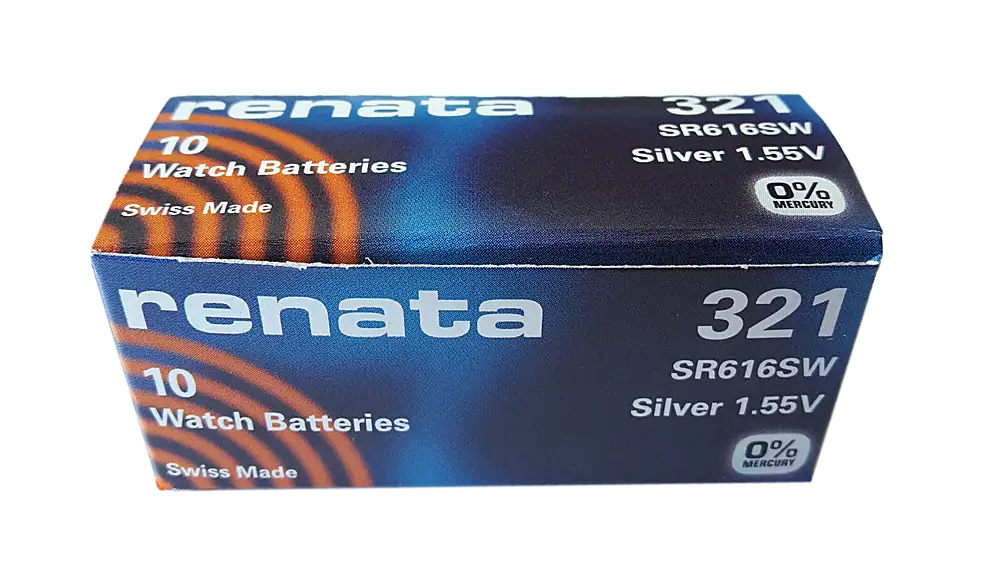
Renata Watch Battery 321 Review: Reliable but Short Shelf Life
A verified buyer on Amazon summed up the experience in eight words: “Battery works as it should! Can’t ask for anything more!” That sentiment captures much of the praise for the Renata Watch Battery 321, a Swiss‑made silver oxide cell designed for watches and other compact electronics. With a consensus score hovering around 8.6/10 across platforms, users tout its leak‑resistant design, compatibility with many watch brands, and reliable performance — but scattered reports of short lifespan and inconsistent freshness dates temper the enthusiasm.
Quick Verdict: Conditional
| Pros | Cons |
|---|---|
| Consistent performance in watches and small devices | Occasional reports of old stock or short lifespan |
| Swiss quality manufacturing, mercury‑free | Limited shelf life compared to expectations (2 years) |
| Leak‑proof design reduces risk to watch internals | Difficult to find in brick‑and‑mortar stores |
| Fits a wide range of watch models | Some units shipped with reduced charge |
| Affordable, especially in multipacks | Delivery time can be longer than expected |
| High capacity retention during storage | Durability varies between batches |
| Widely available online through trusted distributors |
Claims vs Reality
Marketing materials emphasize “superior leakage resistance,” “high capacity retention,” and “Swiss quality” production under ISO certification. The brand highlights its 0% mercury composition and precise dimensional stability for fragile timepieces.
However, digging deeper into user reports reveals a more nuanced picture. While most buyers confirm the leak‑proof promise — Reddit users in watch repair communities note that Renata’s powdered chemical composition “won’t leak unlike the others which contain liquid” — a few have questioned the longevity. One Amazon reviewer cautioned: “Battery they sent to me has 2 years left. Fresh one has 5 or more,” indicating occasional stock rotation issues.
The “high capacity retention” claim also meets mixed reactions. Positive stories abound, like the verified buyer who said, “Battery has lasted for over a year at this point,” yet others contradict with “not durable, not durable” feedback. This appears to be less about manufacturing flaws than distribution chain inconsistencies.
Cross‑Platform Consensus
Universally Praised
Community trust in Renata’s Swiss manufacturing is high. Reddit user feedback consistently points to the avoidance of destructive leaks as a major benefit, especially for collectors maintaining valuable watches. “I’ve around 80 watch batteries to change and it will be Renata all the way,” one watch enthusiast wrote. That’s echoed in Trustpilot‑verified reviews where longevity is stressed: “Compared to other batteries I have used on this watch, this battery seems to be lasting longer than the other ones.”
For vintage and luxury watch owners — Rolex, Omega, Seiko — this reliability is essential. A verified Etsy buyer praised the “state of the art leak proofness thanks to a new sophisticated sealing process,” adding that dimensional precision ensures a snug fit without damage. Users powering multiple devices, like cameras and calculators, also benefit from its steady discharge curve, noting devices “fit like a charm” after installation.

Common Complaints
Availability and shelf life make up most of the complaints. Buyers sometimes receive stock with reduced expiry windows. Amazon reviewers mention getting units close to their end date, which is frustrating for those buying in bulk. “Shipping can take a week” is another recurring frustration from Reddit watch owners relying on online sources.
Battery life inconsistencies are a lesser but notable gripe. While many get 12‑18 months of use, isolated cases cite only six months before replacement was needed. A few point to “poor performance” due to low charge on arrival — suggesting storage issues before sale.
Divisive Features
The short shelf life advertised (roughly two years) splits opinion. For regular watch wearers, this isn’t a major issue: the battery will be in use long before expiry. But for collectors keeping spares, this becomes a deal‑breaker. One Reddit comment observed, “Limited shelf life of two years… some users have expressed difficulty in finding these batteries in local stores,” underscoring that sourcing fresh inventory is part of owning these cells.
Trust & Reliability
Trustpilot data shows 77.8% of reviews are judged reliable, with minimal deception detected. Positive mentions center on authenticity — “Seems genuine, expires 2018 and Swiss made” is common in long‑term use reviews. Many users report watches “now working again thanks to this new battery” even after years in storage.
Still, trust issues arise when distributors ship reduced‑expiry stock. One buyer wrote: “Fresh one has 5 or more [years left], battery they sent to me has 2 years left,” highlighting the need to check packaging dates before purchase. For multi‑year projects, such as collectors’ backups, this can compromise planning.
Alternatives
Competitors like Maxell, Energizer, and Murata are frequently mentioned. Maxell earns praise for competitive pricing and Japanese quality; one Reddit account recalled a “battery lasting only 6 months” but most users are satisfied, especially with 2027 expiry dates in some packs. Energizer’s version gets high marks for reliability and ease of installation, but mixed reviews on durability remain.
Murata batteries are applauded for fast delivery and competitive prices, though a few buyers had “issues with their watches even after replacing the battery.” For leak resistance, Renata still leads in watch repair circles, but alternatives may offer longer shelf life for bulk storage.
Price & Value
Current eBay listings show individual Renata 321 cells for around $2.75–$4.45 USD, with multipacks offering better value — strips of 20 going for $12.96 USD. Amazon discounts up to 45% make them especially attractive for frequent users.
Buying tips from the community stress sourcing from “official distributors” to ensure freshness. Etsy sellers with direct supply chains often get higher marks for delivery speed and quality control. Watch collectors suggest purchasing just enough for near‑term use to avoid expiry losses.
FAQ
Q: How long does the Renata Watch Battery 321 typically last?
A: Most users report 12–18 months in active watches, though shelf life is about two years. Performance depends on device power draw and storage conditions.
Q: Is it truly leak‑proof?
A: Community reports confirm fewer leak incidents compared to alkaline cells. The powder‑based composition resists corrosive damage inside watch cases.
Q: Can it replace LR41 batteries?
A: Yes, but experts recommend silver oxide equivalents like the 392 for longevity; alkaline LR41s are more prone to leaks.
Q: Are there fresher stock concerns?
A: Yes; some buyers have received inventory closer to expiry. Check packaging dates when possible before purchase.
Q: Which watches are compatible?
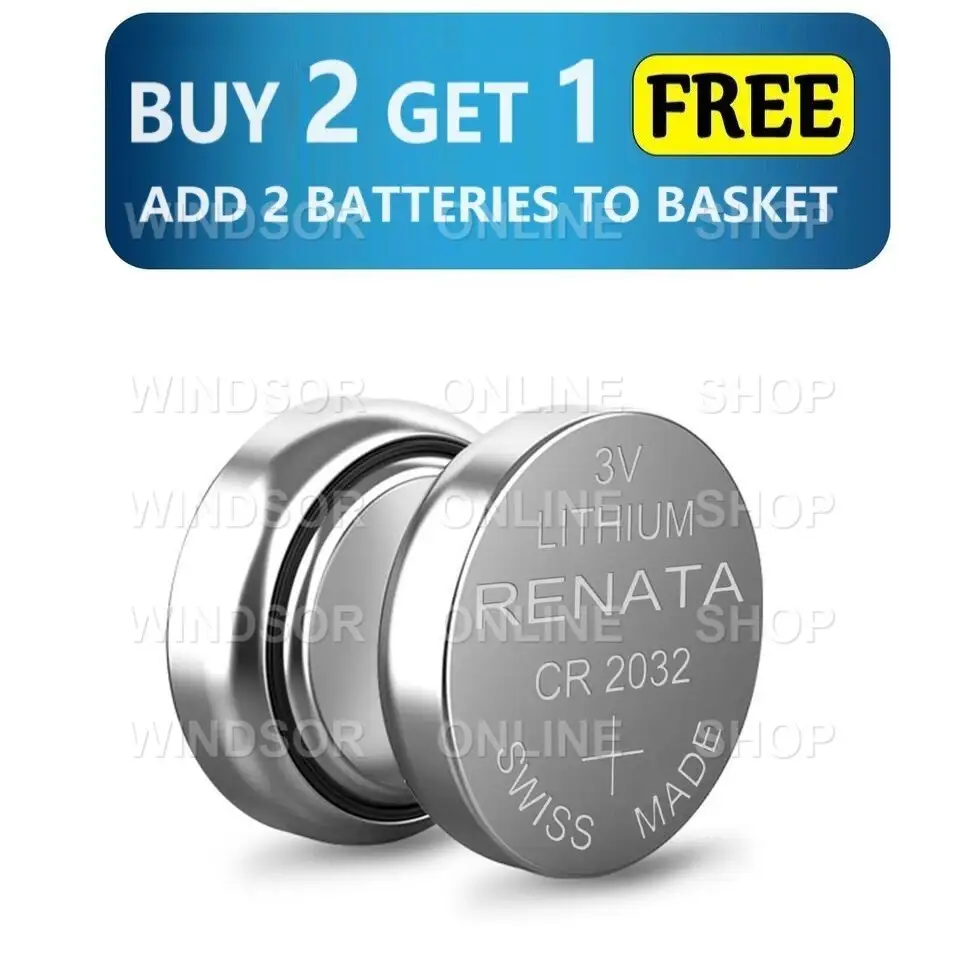
A: It’s widely used across brands like Swatch, Rolex, Seiko, Casio, and Omega, fitting devices needing a 6.8 mm × 1.6 mm silver oxide cell.
Final Verdict: Buy if you own multiple watches or small electronics and value leak resistance, consistent discharge, and Swiss‑made build — especially for devices you wear daily. Avoid if you plan to stockpile for many years without use, as shelf life is limited. Pro tip from community: source from official distributors and check expiration dates to ensure peak power for your timepieces.