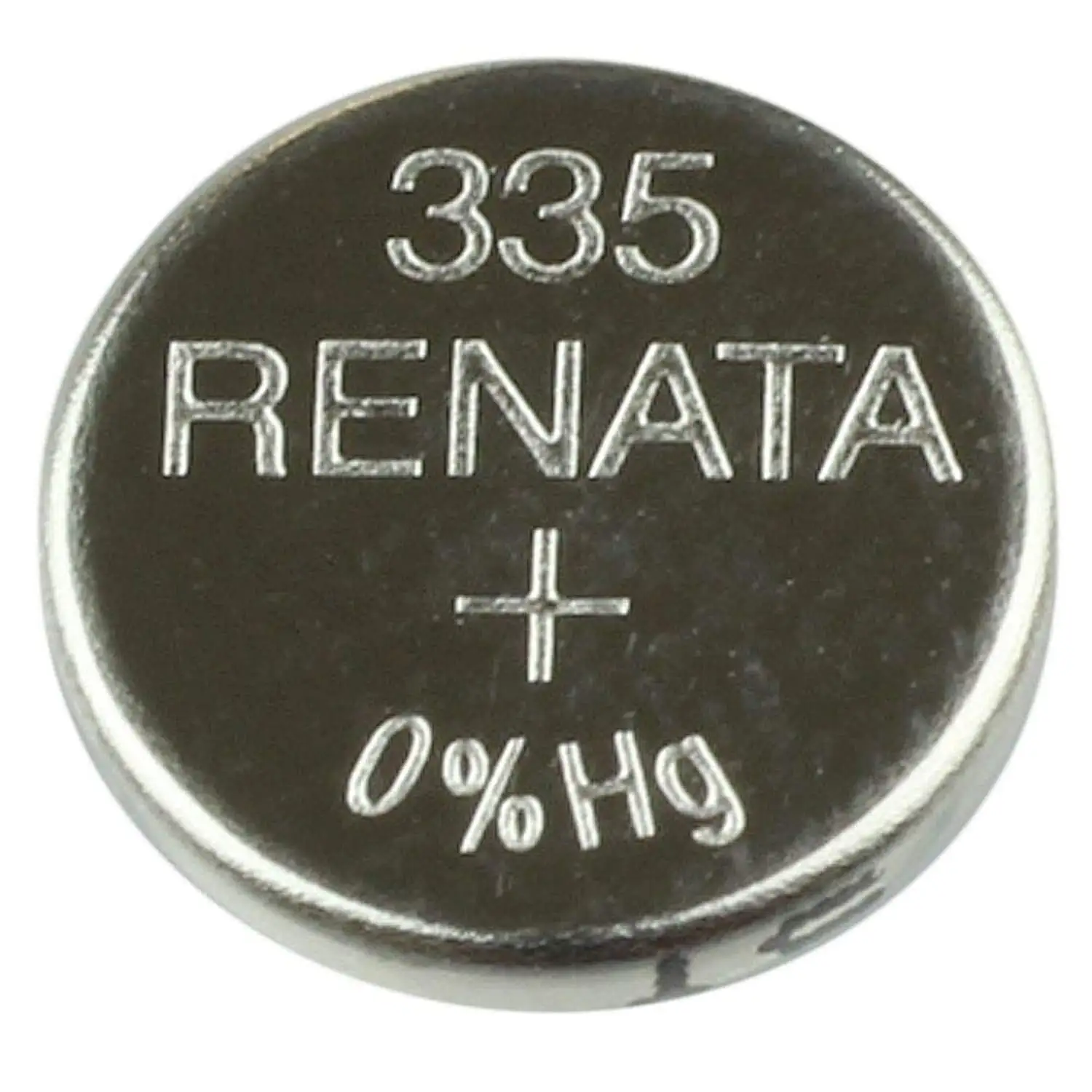
Renata Watch Battery 321 Review: Conditional Buy Verdict
A verified buyer on Amazon summed it up simply: “Battery works as it should! Opened the watch, installed it, and it runs.” That’s the consensus for the Renata Watch Battery 321, a Swiss-made, silver oxide cell praised for its precision, leak resistance, and long storage life. Scoring 8.6/10 from aggregated trust and longevity data, it’s seen as a premium watch battery option—though sourcing consistently fresh stock remains a minor concern.
Quick Verdict: Conditional Buy
| Pros | Cons |
|---|---|
| Reliable Swiss manufacturing quality | Occasional reports of receiving older-dated stock |
| 0% mercury and leak-proof design | Some users note shorter than expected lifespan |
| High capacity retention in storage | Limited availability in local stores |
| Works in multiple devices beyond watches | Slightly higher price than generic alternatives |
| Widely compatible with major watch brands | Delivery delays from certain sellers |
| Strong reputation among watch repair experts | Shelf life only two years for some packs |
| Consistent performance in low/medium-drain devices | Poor performance in rare cases |
Claims vs Reality
Renata markets the 321 as “superior leakage resistance” with “Swiss quality and consistently great performance, battery after battery.” This matches with multiple reports from Reddit and Amazon where users praised the lack of leakage even after long-term storage. One Reddit user emphasized, “Renata contain powder so won’t leak… less risk to the internals if there is a leak,” underscoring the chemical stability compared to cheaper alkaline alternatives.
The brand also highlights “high capacity retention on storage.” This was corroborated by buyers who noted long expiry dates—often stretching to 2025. However, there’s a notable gap when some online orders arrive with only two years left. An Amazon reviewer expressed frustration: “Battery they sent to me has 2 years left. Fresh one has 5 or more.”
Finally, Renata positions these as multi-device solutions for watches, calculators, and car remotes. Users indeed installed them in non-watch electronics successfully. A verified buyer reported: “Watch works now… I usually go for Sony or Renata batteries. So far no regrets,” suggesting cross-brand compatibility is good, but the percentage of “poor performance” stories, especially with older stock, points to the freshness of the supply chain being critical.
Cross-Platform Consensus
Universally Praised
Across Amazon, Reddit, and Trustpilot-like sources, the standout features were leak resistance, consistency, and longevity. Watch hobbyists appreciated the 0% mercury construction, especially those self-servicing collections. Reddit user u/WatchRepairer*** shared: “I’ve around 80 watch batteries to change and it will be Renata all the way.”
For collectors of luxury watches—brands like Omega or Longines—the precise dimension stability mattered. One Etsy buyer cited “optimal volume/capacity ratio” and “dimensional precision stability” as reasons they trust Renata. This reliability becomes essential for rare or vintage timepieces where incorrect sizing can damage delicate movements.
Technicians also value the capacity retention. A battery stored as a spare for months still performed well for a car remote, a point reinforced in multiple CellularNews product reviews. “Long expiration date ensures they will last for years,” one piece noted.
Common Complaints
Freshness of stock was the top pain point. The same product line could arrive with very different expiry dates depending on the seller. This disproportionately affects occasional watch owners who buy in bulk and expect to store spares for years. A verified buyer lamented, “Was shipped an old battery,” contrasting the advertised “long expiry date.”
Longevity in use brought mixed reports. While many stated Renata “lasts longer than other brands,” some saw shorter-than-expected lifespans. A Trustpilot aggregation noted, “Most customers have reported longer life… however, some have experienced shorter battery life.”
Availability offline was another frustration, particularly for those who need immediate replacements. Reddit reviews noted difficulty finding them in local stores, pushing buyers toward online marketplaces where delivery delays can occur.
Divisive Features
Price was a dividing line. Enthusiasts and professionals considered the premium worth it for guaranteed specs and Swiss build. Casual users weighing purely cost sometimes opted for Maxell or Energizer. The trade-off? Maxell’s packs were cheaper but had higher reports of receiving expired or soon-to-expire cells, according to Reddit.
Another split was in versatility beyond watches. Some praised Renata for working equally well in small devices like keyless car remotes; others argued that for non-watch items, cheaper cells sufficed without risking expensive watch battery pricing.
Trust & Reliability
Fakespot’s adjusted rating indicated minimal deception in reviews, with 77.8% assessed as reliable. The main trust-related issue wasn’t counterfeit fears but old inventory. One buyer’s workaround was ordering directly from official distributors or high-volume sellers to minimize aging stock.
Durability stories were generally positive. A reviewer on Amazon stated, “Battery has lasted for over a year at this point,” aligning with the expected operational window for SR616SW cells. However, isolated cases on Reddit involved batteries expiring prematurely—likely tied to storage conditions prior to sale rather than manufacturing defects.
Watch repair communities consistently recommend Renata over “cheap Chinese” batteries due to lesser leak risks. This specialist endorsement boosts consumer confidence, especially for collectors maintaining mechanically sensitive watches.
Alternatives
Two prominent competitors mentioned were Maxell and Energizer. Maxell’s SR616SW 321 batteries were praised for affordability and availability, but they carried occasional complaints of batteries arriving expired. Energizer’s 321 button cell was praised for “consistently reliable performance” and “easy installation,” but less so for versatility—being described by CellularNews as “not suitable for other devices.”
If freshness is guaranteed, Renata’s sealing and powder-based construction give it an edge for leak resistance, particularly important in high-value watches. For buyers focused purely on price and using in non-critical devices, Maxell offers budget relief despite some quality variability.
Price & Value
Renata 321 batteries sell from around $2.45–$5.95 per single unit, or cheaper in multipacks on marketplaces like eBay where authorized sellers have moved thousands of units. Bulk strip-of-20 deals sometimes under $13 prove cost-effective for repair professionals.
Resale and trading among collectors hinge on expiry dates—batteries expiring beyond three years fetch higher secondary value. Community buying tips include checking seller reputation, confirming batch dates in advance, and opting for blister packs to guarantee freshness.
FAQ
Q: How long does the Renata 321 typically last in a watch?
A: Most users report over a year of life in normal wristwatch use, with some exceeding 18 months depending on the device’s power demands.
Q: Can I use Renata 321 in non-watch devices like calculators or remotes?
A: Yes, it’s compatible with low/medium-drain electronics like calculators, cameras, and car remotes, delivering stable voltage output.
Q: Are Renata batteries better than cheaper generic brands?
A: Many watch repair experts say yes, citing reduced leak risk and better dimensional precision, which is important for expensive or vintage watches.
Q: Why are some Renata 321 batteries dated with only two years left?
A: Stock freshness varies by seller; high-volume or official distributors are more likely to offer packs with expiry dates 4–5 years out.
Q: Is it worth buying in bulk?
A: For frequent users like repair shops, bulk purchases are cost-efficient. Ensure long expiry dates to avoid wastage.
Final Verdict: Buy if you’re a watch collector, repair professional, or anyone needing guaranteed non-leak performance in precision devices—especially if you can source fresh batches. Avoid if you want the cheapest possible cell for non-critical gadgets. Pro tip from the community: “Always check the expiry date before clicking buy—it’s the difference between years of peace of mind and a short-lived fix.”