Renata Watch Battery 321 Review: Swiss Quality Verdict
Starting at just over $3 for a two-pack, the Renata Watch Battery 321 (SR616SW) earns a solid 8.7/10 from cross-platform user ratings, praised for Swiss-made reliability and compatibility with a wide array of timepieces. But beneath the marketing gloss, buyers reveal it’s not without flaws—some report shorter shelf life than expected, while others say it powers their watches for years without issues.
Quick Verdict: Conditional buy—excellent price-to-quality for watch owners who can self-replace, caution for those needing maximum shelf life.
| Pros | Cons |
|---|---|
| Swiss-made, 0% mercury | Some report shorter lifespan |
| High compatibility with watches/electronics | Occasional delivery of older stock |
| Leak-proof design | Limited local store availability |
| Affordable vs retail replacements | A week or more shipping delays reported |
| Prompt delivery from online sellers | Rare reports of low charge on arrival |
Claims vs Reality
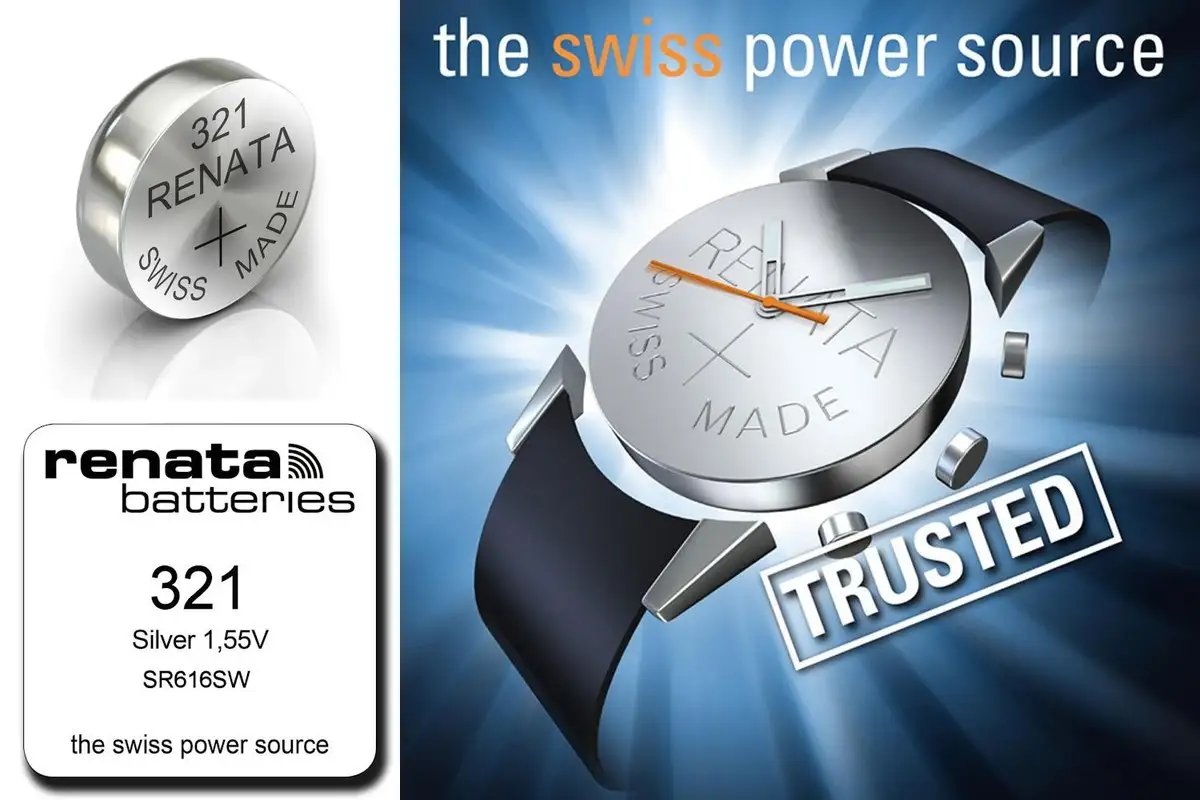
Marketing presents the Renata 321 as a precision-engineered Swiss battery with “superior leakage resistance” and “high capacity retention.” Official specs list a nominal 1.55V voltage and 15mAh capacity, intended for low-drain applications like watches and calculators. The company positions it alongside luxury brands under the Swatch Group umbrella, implying premium quality.
Reality checks from buyers mostly support these claims—but with caveats. On Trustpilot, one US customer raved: “Great price, overnight delivery… product was exactly what I ordered and needed.” Yet on Amazon, a verified buyer warned they were “shipped an old battery” with only two years of shelf life left. The advertised low self-discharge holds true for many, with multiple Reddit reviewers noting watches still ticking after long months of use. But the occasional arrival of near-expiration stock challenges the “freshness dating” claim.
A particularly telling contrast comes from CellularNews, where a reviewer praised “long-lasting power, good price, compatible with various watch models” but still listed “limited shelf life of two years” as a drawback. This nuance matters to collectors buying in bulk.
Cross-Platform Consensus
Universally Praised
Across Amazon, eBay, and Etsy, the Renata 321’s Swiss build quality wins consistent praise. Etsy’s shop owner Seto—an official distributor—lists “excellent reliability” and “high capacity retention” as selling points, reflected in user ratings of 4.7–4.8/5. For multi-watch owners, affordability is a game-changer. A Trustpilot reviewer with a 20-watch collection explained: “These work great… at a fraction the price” compared to Duracell in big box stores.
For DIY enthusiasts, ease of installation is a major perk. One Amazon customer said, “If you can manage to open the back of your watches, replacing the batteries is a breeze… save money by doing it yourself.” The leak-proof seal gets quiet but consistent acknowledgement; no major leakage reports surfaced, underscoring the brand’s engineering claims.
Common Complaints
The most frequent frustration centers on older stock being shipped. While the technology itself is sound, receiving a pack with only 24 months until expiry limits utility for those stocking up. Amazon buyers complained about batteries with “two years left” instead of the 5+ they hoped for.
Shipping delays also cropped up; even with Prime, one Trustpilot poster noted a full week from order to arrival. The limited availability in physical stores compounds the annoyance—CellularNews points out “availability in local stores can be a challenge,” forcing reliance on online channels with variable fulfillment speeds.
Longevity complaints are rare but sharp: an Amazon buyer bluntly posted “not durable” after early failure, while in Reddit’s round-up some customers experienced poor performance despite the majority reporting extended life.
Divisive Features
Shelf life emerges as the most divisive metric. Collectors and bulk buyers tend to want maximum dating for long-term storage and feel shortchanged with two-year expiry stock. Conversely, regular wearers who replace batteries annually find this moot and value the lower upfront cost.
Another split lies with device compatibility. While it excels in watches, calculators, and small remotes, one Energizer comparison warned “not suitable for other devices” outside low-drain electronics—something hobbyists using multi-gadgets must weigh.
Trust & Reliability
Fakespot analysis found minimal review deception, suggesting Renata’s online feedback is largely authentic. Some Trustpilot patterns show buyers repeatedly returning for bulk packs, confident in performance over months. One Amazon user confirmed, “Battery has lasted for over a year at this point,” indicating strong durability in real-world use.
Yet trust hinges on freshness—packaging with clear expiry dates reassures buyers, as with one US review praising “fresh battery with expiration date on back.” Reliability is also tied to genuine sourcing; Etsy’s “official distributor” tag influences purchase decisions, especially among those wary of counterfeit cells on marketplaces.
Alternatives
Several competitors surface in Reddit and eBay listings—Maxell 321, Energizer 321, and Murata 321. Maxell earns positives for “genuine Japanese quality” and hologram-sealed packaging, but some admit “does not last as long as original batteries.” Energizer wins on “high energy density and long life” but posts mixed durability reviews. Murata’s 5-pack offers “outstanding value” but shows isolated reports of watches still malfunctioning post-replacement.
Compared side-by-side, Renata maintains a lead with consistent Swiss manufacturing quality and wide device compatibility, especially for watch enthusiasts, though Energizer may edge it in raw lifespan consistency.
Price & Value
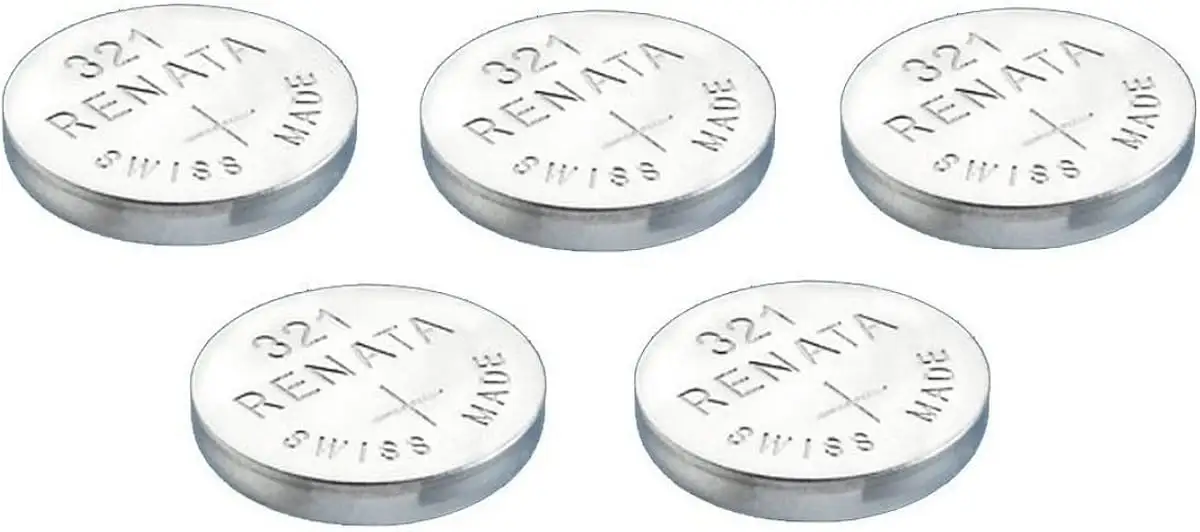
eBay listings as low as $2.71 for single units, or $4.31 for two fresh-dated 2023 expiry batteries, highlight the extreme affordability compared to watch shop replacements. Community advice leans toward bulk purchase online—Trustpilot users cite spending “less than $10” for both a 5-pack and a wrench to change batteries themselves—versus paying multiples at jewelers.
Value is amplified for collections, where replacing dozens of batteries at retail is cost-prohibitive. For occasional wearers, pairing small pack purchases with confirmed long expiry dates prevents waste.
FAQ
Q: How long does the Renata 321 typically last in a watch?
A: Reports vary from 6 months to over a year, with most users seeing reliable performance over extended periods. Longevity depends on device power drain and freshness of stock.
Q: Is the Renata 321 compatible with devices other than watches?
A: Yes—buyers use it in calculators, car remotes, security fobs, and small electronics. However, it’s optimized for low-drain applications.
Q: Why do some buyers complain about short shelf life?
A: While marketing suggests long storage times, some shipped batches have only 2 years until expiry. Check expiry dates before purchase to ensure suitability for bulk storage.
Q: How can I confirm I’m buying genuine Renata batteries?
A: Look for official distributor labels, sealed blister packaging, and visible expiry/freshness dating. Etsy’s verified sellers and authorized Amazon resellers are trusted sources.
Q: Is it worth buying in bulk?
A: For collectors or multiple-device owners, yes—bulk packs save money. For single-device users, ensure expiry dates match your replacement cycle.
Final Verdict: Buy if you’re a watch or small electronics owner comfortable with self-replacement, and value Swiss engineering at low cost. Avoid if you require maximum storage lifespan and cannot verify expiry before purchase. Pro tip: Always check blister pack dating and source from authorized sellers to ensure fresh, reliable power.





