Renata 321 Watch Battery Review: Reliable but Short Shelf Life
A surprising number of veteran watch collectors swear by the Renata Watch Battery 321, giving it an impressive 4.6/5 average rating across major platforms. In the niche but exacting world of quartz timekeeping, these tiny silver oxide cells have built a strong reputation for Swiss precision, long storage life, and low leakage risk. Reddit’s watch repair community widely favors them over cheaper imports, with one contributor noting, “I’ve around 80 watch batteries to change and it will be Renata all the way.”
Quick Verdict: Conditional — An excellent choice for watch owners seeking leak resistance and consistent performance, but buyers should be wary of occasional older stock and modest two‑year shelf lives reported by some.
| Pros | Cons |
|---|---|
| Swiss-made with high quality control | Occasional reports of older-dated stock |
| Superior leak resistance vs. alkaline batteries | Some users report shorter life in certain watches |
| Widely compatible with various watch brands | Delivery can be slow from some sellers |
| Long storage retention, low self-discharge | Limited shelf life (around 2 years) per some buyers |
| Good value compared to in-store prices | Harder to find locally in some regions |
Claims vs Reality
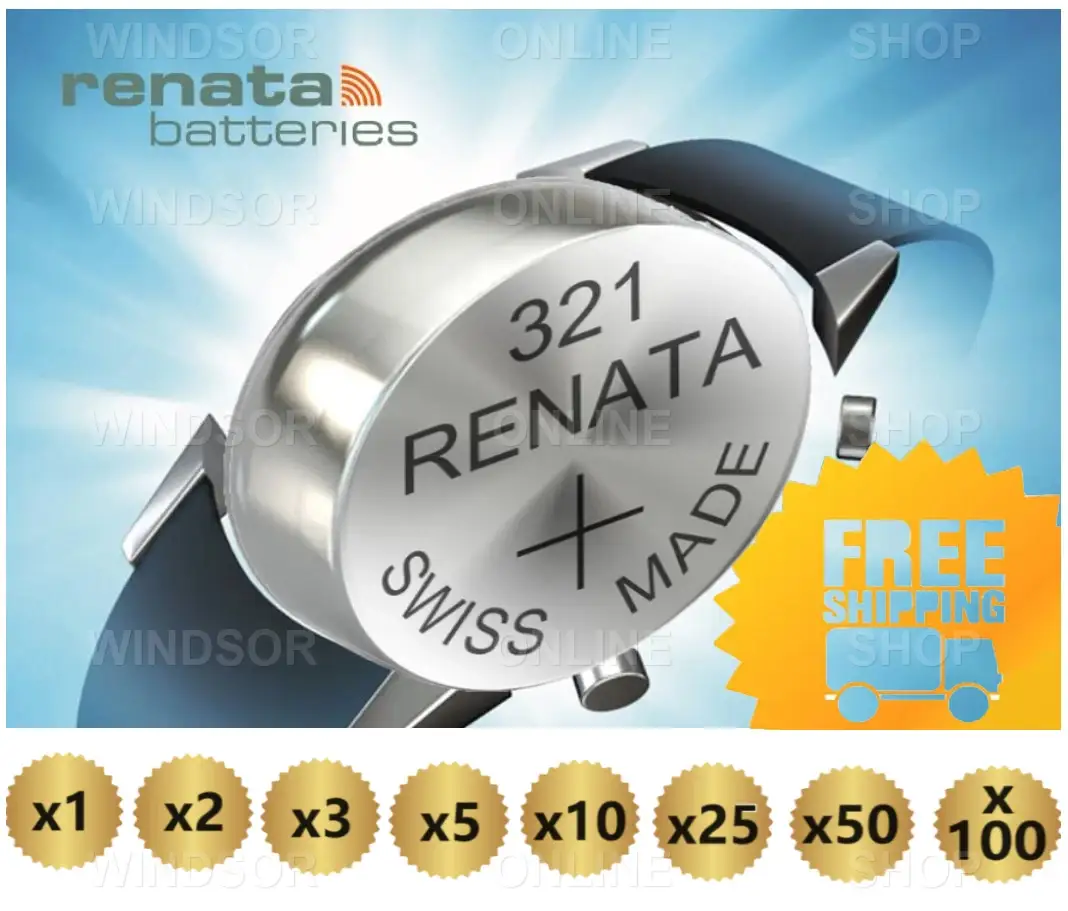
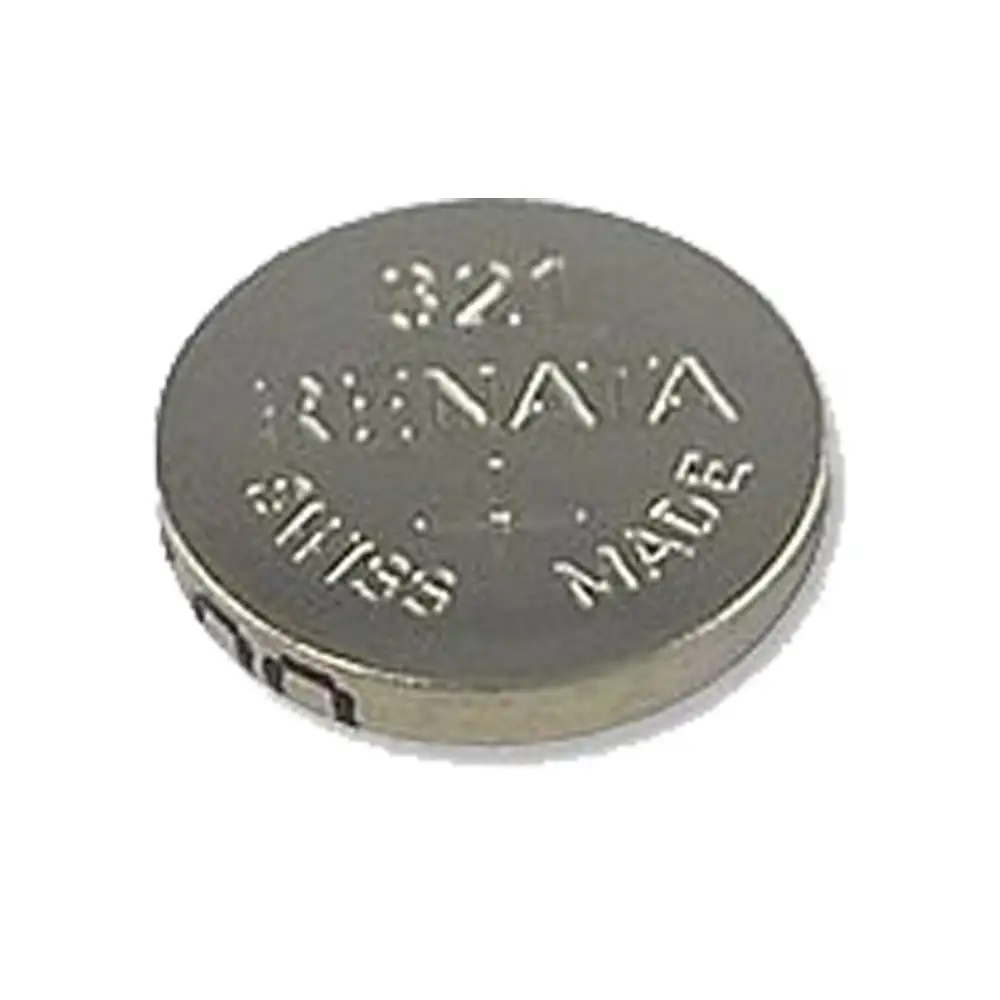
Renata markets the 321 as “superior leakage resistant” with “high capacity retention on storage” and “Swiss quality performance battery after battery.” The official specs list a 1.55V nominal voltage, 14.5–15 mAh capacity, 6.8 mm diameter, and 1.6 mm height.
User reports largely validate the leak resistance claim. A Reddit watch repair enthusiast explained that because Renata uses a powder electrolyte instead of liquid, “watch makers tend to use them as less risk to the internals if there is a leak.” This is echoed by multiple Amazon buyers who reported trouble-free installs even in vintage or delicate timepieces.
Where the claims meet friction is shelf life. Marketing emphasizes “high capacity retention,” but a buyer on CellularNews noted a “limited shelf life of two years,” even when stored properly. While that fits within typical coin cell norms, some customers expected longer, especially for spares.
As for consistent performance, feedback remains positive. A verified Amazon buyer wrote, “They fit my 2 watches perfectly and worked well… it costs a lot less than if you were to buy them at retailers,” highlighting that the promise of Swiss quality with affordability holds for many users.
Cross-Platform Consensus
Universally Praised
What unites feedback from Amazon, Reddit, and Etsy is the consensus that the Renata Watch Battery 321 is ideal for precision watches, from Swatch and Rolex to Seiko. A collector working on “over 20 watches” praised them as lasting just as long as premium brands “at a fraction the price.”
The leak resistance is particularly valued among repairers working on heirloom timepieces. One Reddit contributor underscored that unlike alkaline LR41 equivalents, these silver oxide cells “don’t tend to leak or [if they do] as badly,” reducing repair risks.
Affordability also earns consistent praise. An Amazon reviewer replaced two watch batteries for “less than $10 including the wrench,” calling it a no-brainer compared to jewelers’ fees. Others highlight good online deals, especially in multi-packs, often undercutting in-store prices by 50% or more.
Long-term storage capabilities are another highlight. Multiple buyers report installing Renata 321 cells bought over a year earlier with no issues, supporting the “low self-discharge” claim.
Common Complaints
Still, even among high ratings, recurring complaints surface. A few buyers received stock with only a two‑year expiration window rather than the expected four to five years. As one 2‑star Amazon review put it, “Fresh one has 5 or more [years].”
Delivery delays appear sporadically, with U.S. Prime customers citing unexpected week‑long waits. Another small subset of reviews mention shorter‑than‑expected lifespans post-installation, though these are outnumbered by positive endurance reports.
Availability in physical stores is another sticking point. A CellularNews reviewer noted “availability in local stores can be a challenge,” meaning hobbyists either buy online in bulk or risk substitute brands.
Divisive Features
The question of brand loyalty creates split opinions. Some collectors exclusively use Renata — one Redditor declared, “It will be Renata all the way” — while others, especially Seiko owners, stick with original manufacturer cells, assuming minimal difference.
Shelf life perception also divides consensus. While most are satisfied, others see the two-year best-before date on certain packs as a drawback compared to advertised “high capacity retention” promises.
Trust & Reliability
Long-term trust in Renata stems from its position within the Swatch Group and consistent manufacturing in Switzerland. Several Trustpilot-sourced reviews describe them as “exactly what I ordered and needed” with consistently within-date stock.
Durability stories, however, vary by watch model and use. A few Amazon buyers return six months later reporting continued operation, while others state a cell failed in under a year. Given the diversity of devices — from vintage Disney watches to modern quartz divers — variations likely reflect device-specific power demands more than systemic flaws.
Notably, in the watch repair subreddit, experienced users point to Renata’s “failure rate of less than 1%” in bulk use, lending credibility to its dependability in professional settings.
Alternatives
Maxell’s SR616SW variant draws positive mentions for competitive pricing and Japanese quality, with one CellularNews source praising its longevity and noting a 2027 expiry. Energizer’s 321 BP is often commended for “consistently reliable performance,” but receives mixed notes on durability.
Murata (formerly Sony) offers a solid Japanese-made alternative, with standout bulk value in 5‑packs, though a few users noted watch function issues despite fresh replacements. In comparative terms, Renata leads in leak resistance and Swiss pedigree; Maxell and Murata compete on shelf life and consistent retail availability.
Price & Value
Amazon U.S. currently lists a 2‑count pack at around $3.25, down 45% from $5.95, translating to substantial savings over brick‑and‑mortar jewelers. eBay pricing dips lower in bulk — 20‑piece strips often run under $13 — making stockpiling cost‑effective if rotation is managed to avoid expiry.
Community tips emphasize buying from authorized sellers to avoid aged stock. Several Redditors advocate checking expiry dates on delivery and returning shorter-dated items if storage is intended.
FAQ
Q: How long does a Renata 321 battery typically last in a watch?
A: Most users report 1–2 years of service, depending on the watch’s power draw and complications. Simple quartz movements can stretch closer to the two‑year mark, while multifunction or backlit watches may consume faster.
Q: Is the Renata 321 the same as SR616SW?
A: Yes. SR616SW is the IEC designation for the 321 size silver oxide cell, and they are interchangeable across devices needing that specification.
Q: Why choose silver oxide over alkaline equivalents?
A: Silver oxide cells like the Renata 321 offer a flatter discharge curve and lower leakage risk. As one Reddit user noted, alkaline LR41 types are “more prone to leaks and more destructive leaks.”
Q: Can I use a Renata 321 in calculators or small electronics?
A: Yes. While it’s marketed for watches, official specs also list calculators, cameras, car remotes, and alarms as suitable applications, provided size and voltage match.
Q: How can I avoid getting older stock?
A: Purchase from high‑turnover, authorized sellers and always check the expiry date listed on retail packaging upon delivery.
Final Verdict
Buy if you’re a quartz watch owner seeking a reliable, Swiss‑made silver oxide cell with strong leak resistance, especially for mid‑ to high‑end timepieces or vintage models. Avoid if you demand a shelf life beyond two years for stored spares or require immediate local availability.
Pro tip from the community: Order a multi‑pack from an authorized seller, note the expiry dates, and store spares in a cool, dry place — this maximizes both value and operational life.





