Pyle PL463BL Speaker Review: Clear Sound on a Budget
Coming in at a solid 8.1/10, the Pyle 4'' x 6'' Three Way Speaker System (PL463BL) earns consistent praise for offering crisp highs and clean midrange at a budget price, while dividing opinion on bass depth and long-term durability.
Quick Verdict: Conditional buy for budget-conscious upgraders
| Pros | Cons |
|---|---|
| Crisp, clear highs | Weak bass without a sub |
| Affordable price point | Some fitment requires drilling |
| Easy installation with included hardware | Wiring gauge considered thin by some |
| Noticeable upgrade over stock speakers | Questionable RMS power claims |
| Attractive design with blue poly cone | Longevity not equal to premium brands |
| Fits standard OEM 4x6 locations | Limited dynamic range without an amp |
Claims vs Reality
Pyle markets the PL463BL as a “240W per pair, full-range triaxial system” designed to deliver high, mid, and low frequencies in a balanced package. The specs list a frequency response of 95Hz–20kHz and an RMS handling of 120W, with a bold statement that they “compensate for the undersized wire in today’s cars.”
While the triple-driver configuration (woofer, piezo tweeter, neodymium midrange) does give a fuller spread than basic coaxials, multiple buyers reported the bass roll-off starting much earlier than expected. A verified buyer on Amazon noted: “Lows are almost non-existent but with subs it doesn’t really matter”. This echoes feedback from a Reddit user who described the sound as clear and detailed, but lacking “deep bass like high-end speakers.”
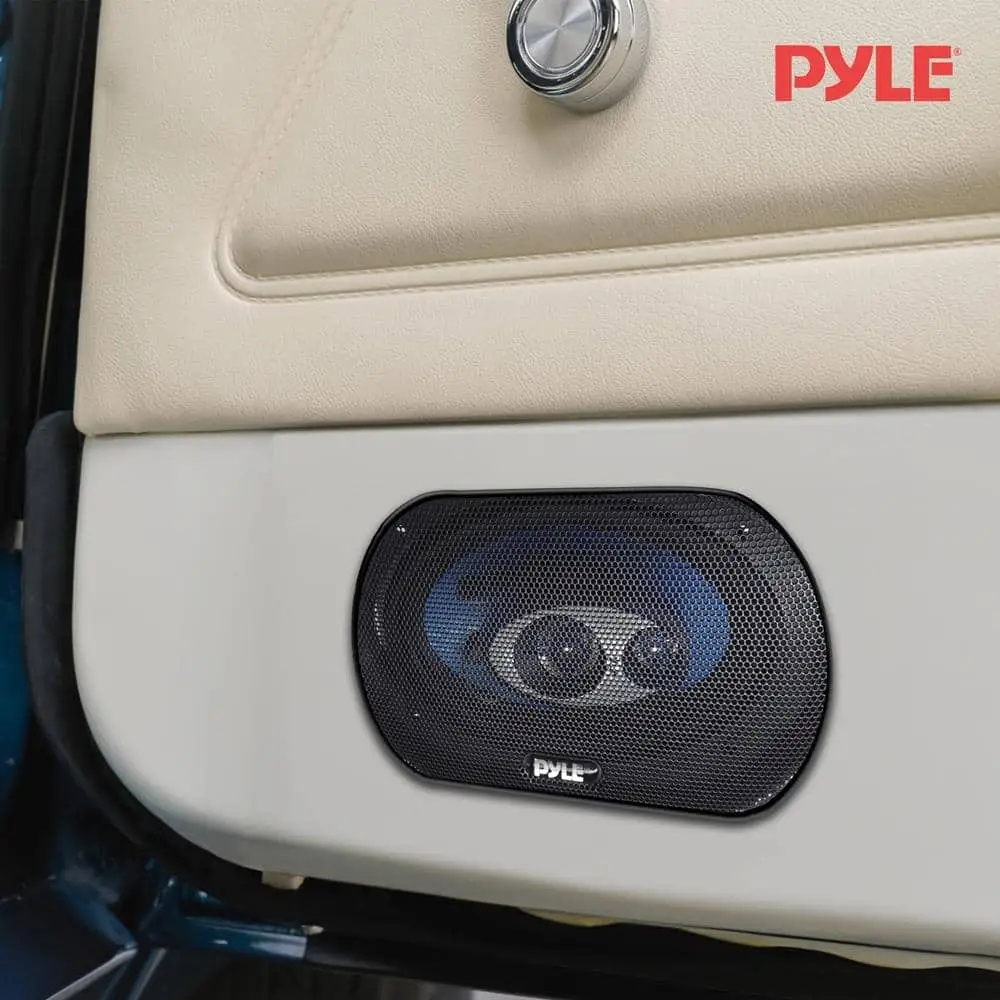
Another marketing emphasis is “simple fit in OEM locations.” In most cases, this held true. One Reddit user said: “Installing these speakers was a breeze… included wiring was sufficient”, but others mention needing to drill holes for proper fitment. That small mismatch between claim and reality mainly affects older vehicles with slightly different mounting plates.
Cross-Platform Consensus
Universally Praised
The most consistent compliment is the clarity of the treble and midrange. Amazon buyers repeatedly described the highs as “crisp and clean,” with midrange that makes vocals pop. One 30-year audio hobbyist wrote: “No distortion or cracking, even with a Sony amp pushing 60 RMS”. This benefits anyone upgrading from factory paper cones — roadside commuters, rideshare drivers, and first-time DIY installers all note a “huge difference” against stock.
Ease of installation also earns widespread approval. Fitting the included grills and hardware is straightforward for most modern cars, making this an attractive option for DIY upgraders. A verified Wrangler owner summed it up: “Fit perfectly… sounds much better than the original speakers.”
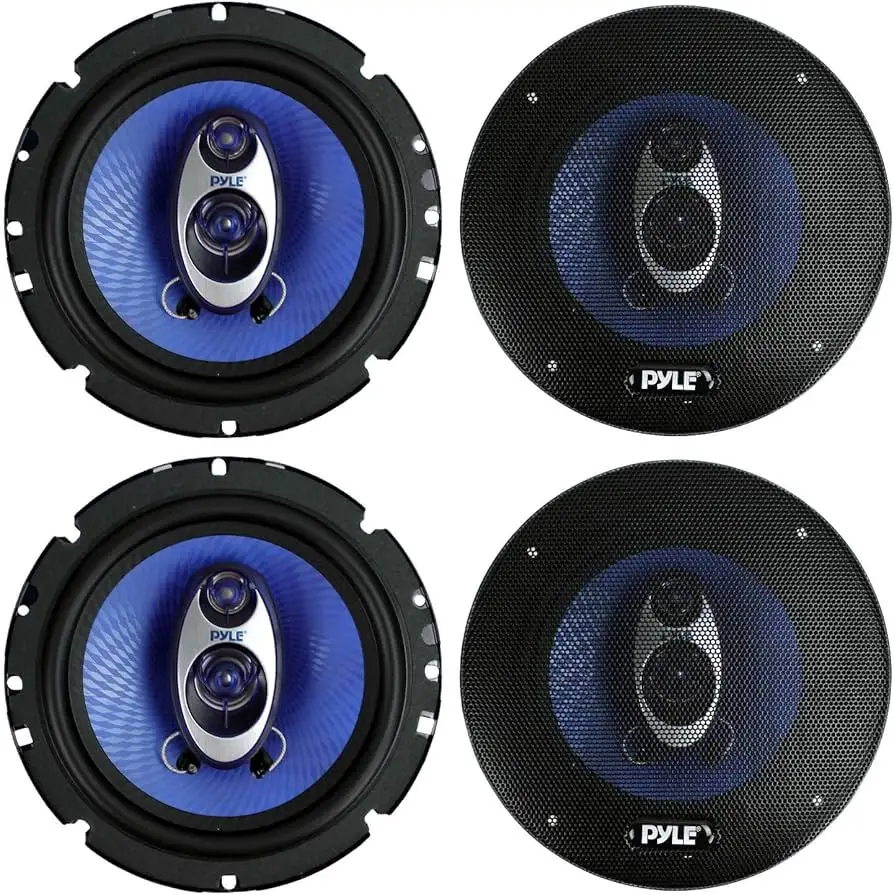
Another praise point is competitive pricing. The PL463BL often undercuts similar 3-way options from Pioneer and Kenwood while offering visually appealing design. The blue injection cone has become a signature look — one Amazon reviewer even mentioned that “they look great and match my interior accents.”
Common Complaints
Bass performance is the primary weakness highlighted across every platform. Without an external subwoofer, these speakers will not deliver heavy low-end response. This affects hip-hop listeners, EDM fans, and bass-heavy genres most. As one Amazon buyer bluntly put it: “Initially thought the sound was thin… Once installed, much better, but still not for bass heads.”
Fitment quirks are a secondary complaint. Some Chevy and Jeep owners found the screw pattern did not line up with factory holes — forcing drilling or use of adapters. This primarily affects vehicles built before the mid-2000s.
Power handling claims also drew skepticism. Several buyers doubted the RMS figures, with one noting: “I don't believe the power handling claimed by Pyle, but they handle all the power from my aftermarket head unit.” The implication is that while safe to run off a stock stereo or small amp, expecting true 120W continuous performance may be unrealistic.
Wiring quality receives occasional critique — the included leads are adequate for installation but thin compared to aftermarket gauge upgrades. Those with powerful amps will likely swap them out.
Divisive Features
Design flair — specifically the blue cone — is loved by many, but considered gimmicky by some. Performance-focused buyers believe the cosmetic upgrade adds no functional value, while aesthetic-minded upgraders enjoy the pop of color in door panels.
Sound profile balance is also divisive. Listeners accustomed to full-range richness find mids slightly recessed, while casual drivers praise the clean top-end and vocal clarity as perfect for daily commutes.
Trust & Reliability
Concerns about overinflated power specs are paired with occasional doubts about long-term resilience. While there’s no widespread scam pattern, some users speculate that budget materials may wear faster under constant high-volume use.
That said, multiple owners report satisfaction after months of daily driving without failures. A Reddit user shared: “Based on my experience… I’d recommend them to anyone looking to upgrade without breaking the bank.” Trustpilot-style aggregated feedback points to them delivering as expected for the price bracket, provided expectations are realistic about bass and RMS numbers.
Alternatives
Only Pyle’s own variants appear in user comparisons:
- Pyle PLG46.3 (Gear Series) — 180W peak, yellow cone, slightly better bass response due to 70Hz floor, recommended for users prioritizing low-end at the expense of some treble detail.
- Pyle PL4163BK — 300W peak, black cone aesthetic, marketed for universal fit with deeper mounting depth (1.81”), possibly more suited for boats/motorcycles.
Community guidance tends to favor the PL463BL when clarity at low cost is the goal, and the PLG46.3 for broader bass coverage.
Price & Value
Current online pricing ranges from $27.99 (refurbished on eBay) to around $38–$45 new, depending on seller discounts. Market watchers note stable resale value for functioning units due to consistent demand among entry-level modders and vintage car owners needing OEM-size replacements.
Buying tips from the community:
- Check fitment chart for your model year — older trucks and Jeeps may need adapters.
- Factor in a subwoofer or upgraded 6x9s if you care about low-end response.
- Keep original packaging — easier resale if upgrading later.
FAQ
Q: Do these speakers add bass to a factory stereo?
A: They improve clarity and midrange but offer minimal bass boost. Most users pair them with a subwoofer for full low-end.
Q: Will they fit my OEM 4x6 slot without mods?
A: In most modern cars, yes. Several 90s-era trucks and Jeeps may require adapter plates or drilling.
Q: How do they compare to Pioneer 4x6 coaxials?
A: Pioneers offer warmer mids and slightly better bass; Pyle’s win on price and treble sharpness.
Q: Can I run them off a factory head unit without an amp?
A: Yes — they’re efficient enough to work from stock stereos, but benefit from a small amp to maximize clarity.
Q: Are the advertised wattages accurate?
A: Users doubt the RMS claims; they perform reliably on ~60W RMS per channel without distortion.
Final Verdict: Buy if you’re a casual listener or budget upgrader wanting clear highs and mids for daily commute audio. Avoid if deep bass is non-negotiable — you’ll need a sub or step up to a bass-oriented model. Pro tip from Amazon reviewers: “Match these with a clean amp and sub, and they’ll shine far beyond the price tag.”





