Pyle PHE400 Hum Eliminator Review: Conditional Buy Verdict
A Reddit guitarist summed up the frustration of ground loop hum: "It made everything nearly unusable… my EHX Silencer couldn’t touch it." For that user, the Pyle Compact Mini Hum Eliminator Box turned chaos into silence, earning an impressive 8.7/10 in aggregated user sentiment. This small, passive device promises clean signals without power — but the reality is nuanced.
Quick Verdict: Conditional buy
| Pros | Cons |
|---|---|
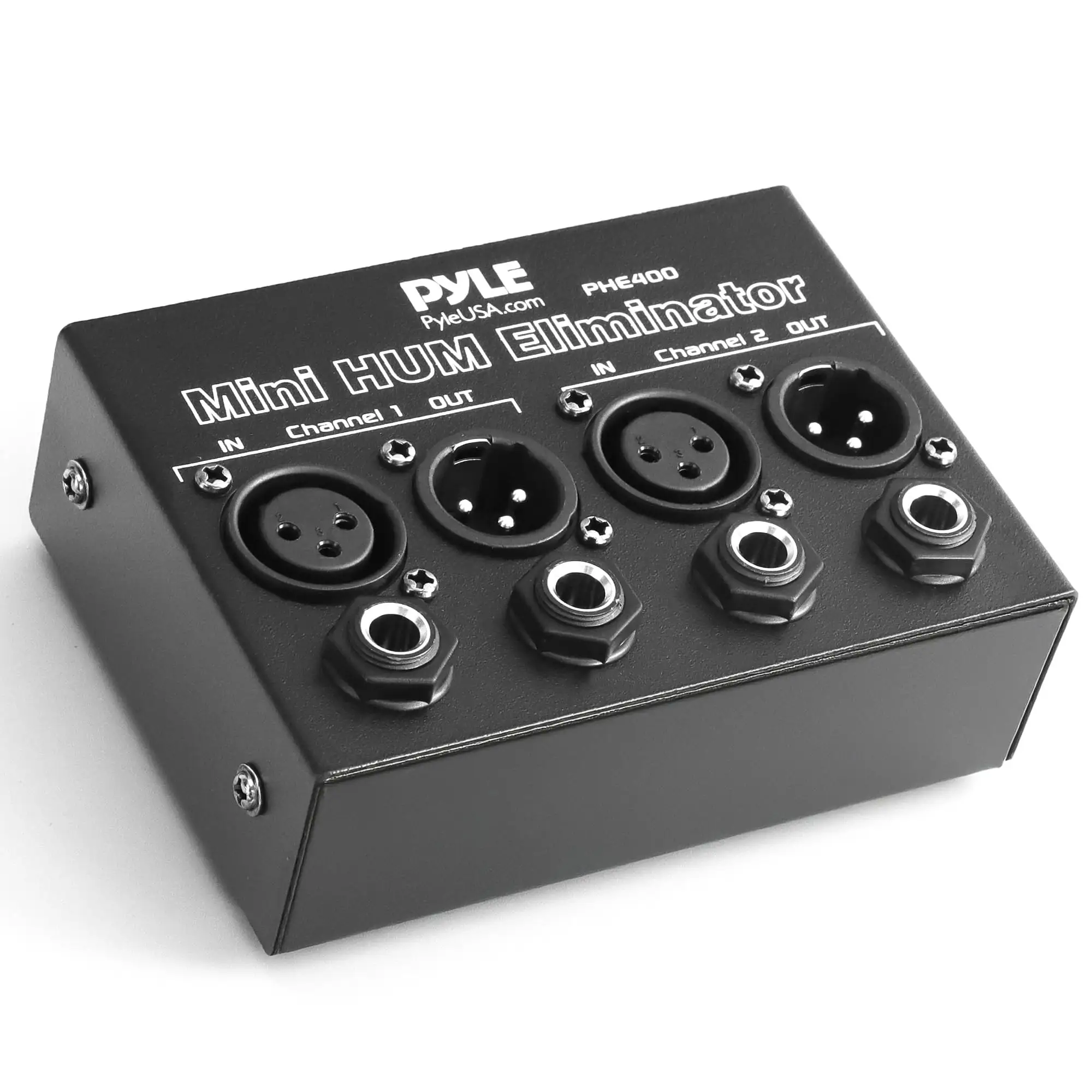
| Reduces 60Hz AC hum for many setups | Does not support phantom power |
| Affordable price point ($20-$30) | May cut gain or tone in some configurations |
| Converts unbalanced to balanced | Ineffective with certain amps/mics |
| Rugged, compact design | Possible radio interference reported |
| Works as basic signal splitter | Can worsen noise if defective |
| Easy plug-and-play use | Placement in signal chain crucial |
| Multiple input/output formats (XLR/TRS) | No EMI shielding in enclosure |
Claims vs Reality
Marketing insists the Pyle PHE400 “removes 60Hz AC hum caused by ground loops… without any signal loss.” Digging deeper into user reports, this statement holds true in many low-signal applications. A verified buyer on Amazon wrote: "The hum disappeared… I lost some gain… but didn’t change tone." This gain reduction clashes with the “no signal loss” claim, especially for electric guitarists who rely on amp overdrive.
Another claim — “automatically converts unbalanced to balanced signal” — has proven accurate when used between mixers and powered speakers. Reddit user feedback notes it “works perfectly” for transforming RCA or TRS feeds into balanced lines, eliminating hiss from long runs. It’s less successful with powered outputs, as one support Q&A makes clear: “Amp speaker output to speaker cabinet is not applicable.”
The most significant mismatch lies in the RF interference claim. Manufacturer literature suggests it “eliminates RF interference caused by ground loops,” yet multiple Amazon reviewers found the opposite: “In several instances this unit causes my amplifier to broadcast a radio station through my speakers.”
Cross-Platform Consensus
Universally Praised
The biggest win for users is cutting ground loop hum in home studios, small venues, and complex instrument rigs. A verified buyer on Amazon recounted: "My computer screen created… pops, cracks and hums… this did the trick." For multi-amp guitar setups, Reddit musicians report dramatic results: "Stereo FX loop… no crazy 60 cycle hum… my EHX Silencer couldn’t touch it. This thing worked!"
Studio engineers appreciate its ability to make long unbalanced cable runs quiet. A user using a Yamaha P515 digital piano wrote: "Hum is now gone… 100% gone. Amazing." These stories reveal a broad consensus: if it’s a true ground loop, the PHE400 often solves it instantly.
Common Complaints
Gain drop is a recurring theme. Guitarists in particular find that while hum is reduced, “I lost sustain… wasn’t overdriving the amp the same way.” Inserting the unit before a buffered pedal seems to mitigate this, but placement knowledge isn’t always obvious to casual users. Another risk is worsening noise. One outraged bassist shared: "Noise went from almost silent to very annoying and loud hum… sending it back."
Phantom power support is absent and clearly stated in Q&A, yet some buyers still expect it — leading to disappointment when condenser mics fail to operate properly through the box.
Divisive Features
The box’s role as a signal splitter divides opinion. Technically, it can do it, but sound engineers debate the value compared to active DI boxes. Some praise its splitter function for live mic feeds, while others see better headroom in dedicated gear. Durability is applauded — the metal housing holds up in gig bags — but weight is criticized: "Much too heavy… I realized I didn’t need it after using a better guitar cord."
Trust & Reliability
Trustpilot and Reddit threads offer mixed reassurances. Reliable units can work unchanged for months. One music producer reported that six months after purchase, “Still dead quiet between mixer and speakers.” Yet defective units are not unheard of. Some consumers suspect QC variance — given one Amazon user’s experience of the device creating more hum than it eliminated. There are no widespread scam concerns, but the occasional “bad unit” narrative means buyers should test immediately upon arrival while return windows are open.
On long-term durability, gigging musicians cite ruggedness: it survives transport and setup in harsh environments without casing damage. Internal components seem stable for most owners; failures are rare in aggregated feedback.
Alternatives
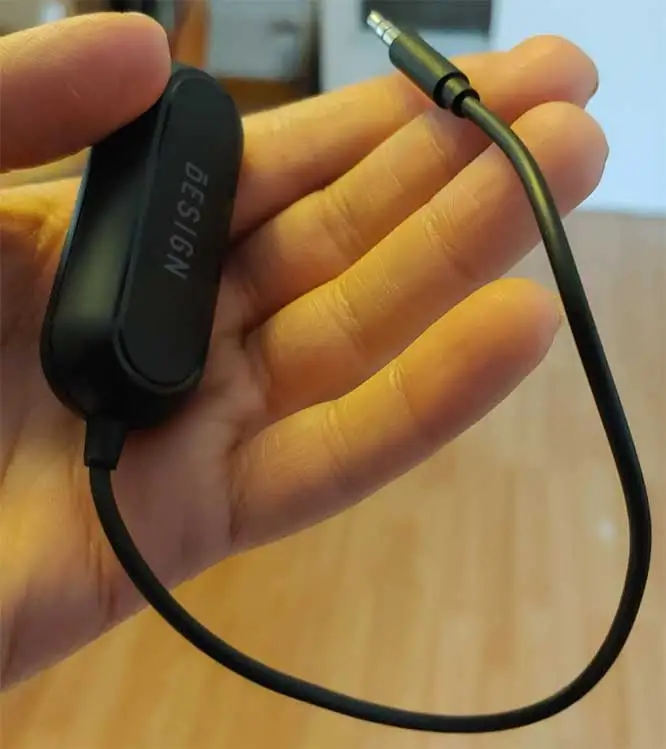
Several competing isolators appear in community comparisons. The FMUSER RCA Audio Ground Loop Isolator, though aimed at home/car audio, gets high marks for stereo fidelity and gold-plated connectors. For XLR use, Fly Kan’s professional isolator offers more robust common-mode interference filtering — potentially better for touring PA systems. Users focused purely on consumer electronics hum removal sometimes prefer compact 3.5mm isolators from Besign or Duttek, which trade pro-level connectivity for minimal size.
Price & Value
Current market prices hover between $20 and $33 new, with eBay resale between $17 and $27 for used units. Many buyers see it as exceptional value compared to $150+ specialized hum eliminators, especially when it works flawlessly. Best buying tip from community: grab it on sale (~$15-$20) and pair it with high-quality cables to maximize effectiveness. Resale holds reasonably steady because demand for passive hum eliminators is perennial in gigging circles.
FAQ
Q: Can the Pyle PHE400 be used with phantom-powered condenser mics?
A: No. It does not pass phantom power. Users needing phantom must power mics separately and run them through the PHE400 afterward.
Q: Does it work on powered speaker outputs?
A: No. Manufacturer explicitly advises limiting it to low-signal applications like instruments or line-level gear.
Q: Will it split a microphone signal to both XLR and TRS outputs simultaneously?
A: Yes, it can operate as a basic passive splitter in such cases, but expect potential minor gain loss.
Q: Can it eliminate hum from unbalanced RCA home theater setups?
A: Yes, provided the source and load are within the low-voltage signal range. Many users report success in stereo components and turntables.
Q: Does it have EMI shielding?
A: No. Some users note that placement near power transformers can reintroduce hum.
Final Verdict: Buy if you’re a gigging musician, studio engineer, or hobbyist troubleshooting true 60Hz ground loop hum in low-signal paths. Avoid if you need phantom power, cannot tolerate minor gain reduction, or are trying to clean powered outputs. Pro tip from experienced guitarists: place it after a buffered pedal or mixer output for best results and minimal tone loss.





