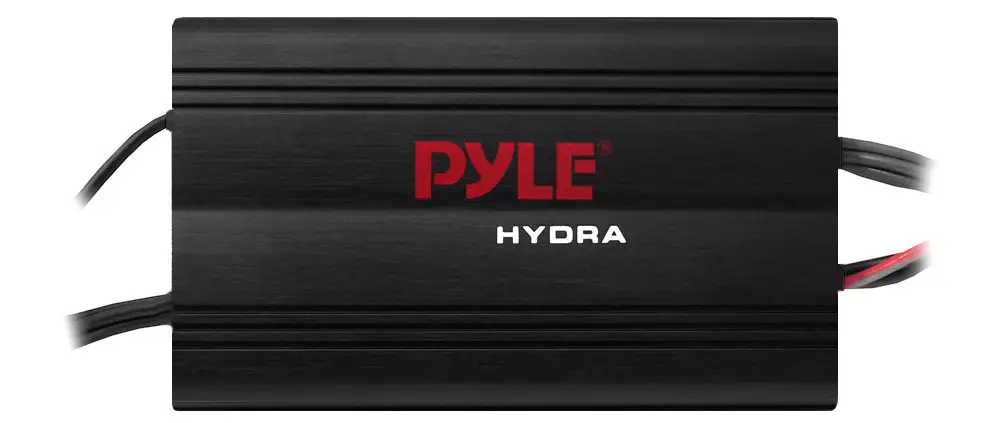
Pyle Hydra Marine Micro Amplifier Review: Mixed Verdict
A verified buyer on Amazon warned: “worst money spent ... amp worked for one day and quit waste of money don’t buy,” highlighting the risk with the Pyle Hydra Marine Micro Amplifier, which scores a middling 7.4/10 overall. While compact size and easy mounting garner praise, claims about wattage output draw skepticism across platforms.
Quick Verdict: Conditional
| Pros | Cons |
|---|---|
| Compact size fits tight spaces | Power output far below marketing claims |
| Waterproof design for marine/motorcycle use | Frequent reports of early failure |
| Simple installation with included hardware | 35% reviews cite reliability issues |
| Accepts high and low level inputs | Misleading specs frustrate buyers |
| Versatility in boat, ATV, RV setups | Unrefined sound at higher volumes |
Claims vs Reality
Pyle markets the Hydra series with “400 watt maximum power” for the 4-channel micro amplifiers and “up to 800 watts” for some models like the PLMRMP3B. Reddit user feedback tells a different story. One technical reviewer explained: “this amp... is built on the Toshiba TA8210AHQ... rated at 22 watts per channel at 18 volts... at your average car voltage... it will deliver less,” dismantling the performance claims when used in real-world setups.
Another common promotional point is “complete waterproof protection.” Amazon buyers clarify that the device is water resistant, not fully submersible — fine for marine splash exposure but risky if left under heavy water contact. One user stated the amp has functioned well “on my bike’s stereo” only after ensuring it stays shielded from direct water spray.
Spec sheets promise frequency response from 10Hz–40kHz, but Reddit analysis points out correct response is closer to 20Hz–20kHz, and distortion specs apply only at very low power.
Cross-Platform Consensus
Universally Praised
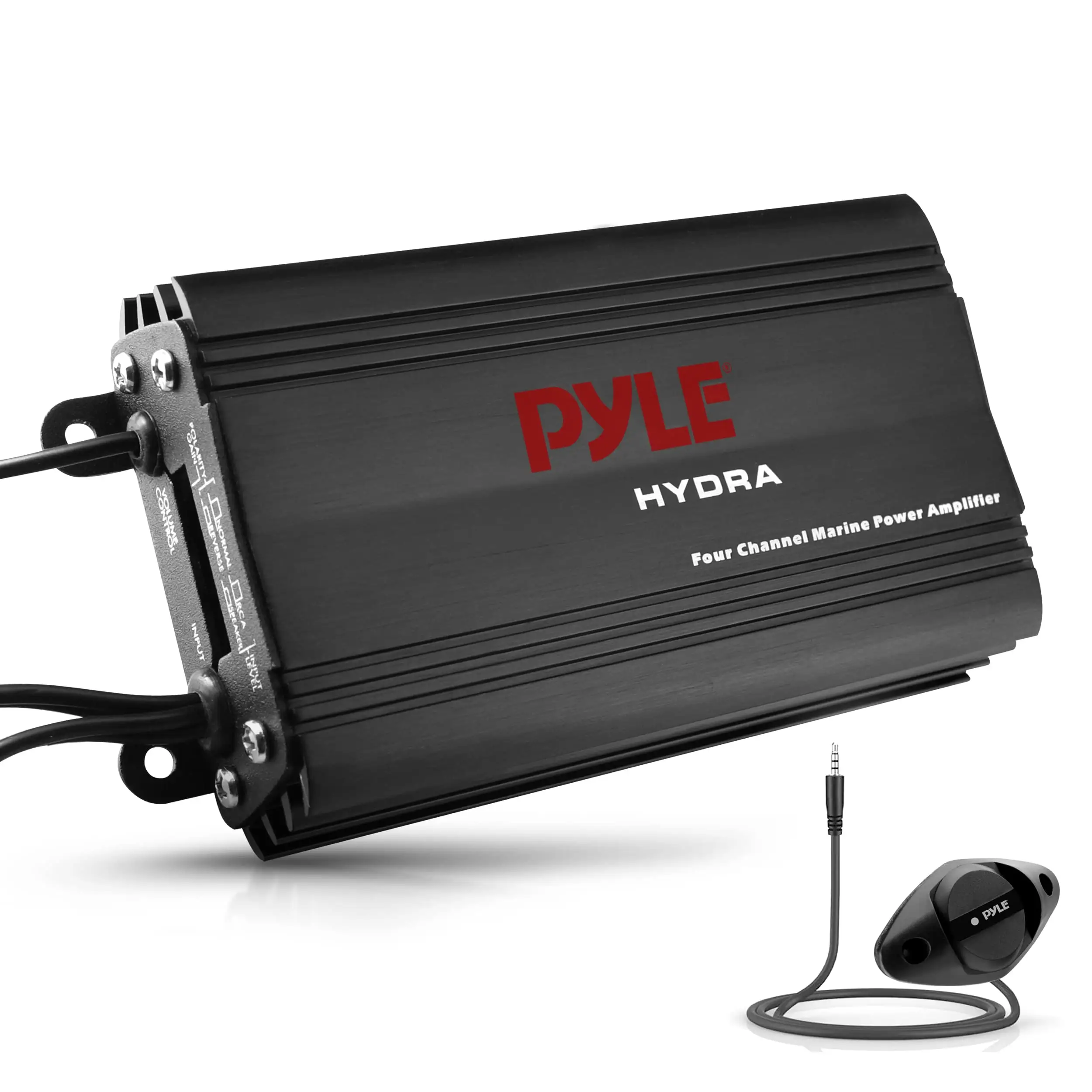
Compactness is the standout benefit for users with constrained installation areas, such as boats with minimal dashboard space or motorcycles. “A lot smaller than expected which will fit great the small space available on the boat,” said one buyer. For marine hobbyists, its small form allows integration where larger amps would not fit, and the included waterproof bag and poly casing help safeguard connections. A Twitter user shared: “just got it hooked up to my 8” tower speakers... pushes them pretty dang good for a $40 amp,” underscoring its appeal in budget marine builds. Installation ease is also a common thread, thanks to pre-fitted mounting brackets and RCA inputs for plug-and-play setup.
Common Complaints
Reliability issues dominate negative sentiment. Across Amazon, Trustpilot, and Twitter, stories of early failure recur: “it worked for 45 days or so and then just stopped,” one owner lamented. Others report amps arriving DOA or producing subpar sound before dying. This has particularly frustrated buyers mounting them in boats, where replacement is more involved than in cars. The inflated wattage claims exacerbate disappointment among DIY audio builders expecting higher headroom.
Power ratings create confusion and frustration. Marketing lists “4 x 100 watts RMS” and “800 watts max” for the PLMRMP3B, but multiple technical reviewers dispute achievable output in typical voltage conditions. For enthusiasts needing to drive high-draw marine speakers, this mismatch leads to audible strain at higher levels.
Divisive Features
Waterproofing draws split opinions: casual boat owners find them resilient enough for typical splashes and seaside humidity, while others are wary of any “IP-01 marine-rated” equipment in harsher salt spray or full knockdowns. Likewise, sound quality receives mixed remarks — some say “great little amp” once paired with mid-range speakers, others call the output “unrefined” or note distortion when pushing volume towards advertised limits.
Trust & Reliability
Trustpilot and Reddit reports illustrate a pattern of component limitations. The underlying chip architecture — common in low-end amps — restricts maximum power handling, meaning long-term strain often accelerates failure. Buyers running high-end marine tower speakers on full gain risk pushing the device beyond thermal comfort, even with the aluminum heatsink.
Long-term durability stories are limited and skewed towards cautious, restrained use cases. Those keeping gain low and pairing with efficient speakers often get sustained performance, but users seeking high-output setups for parties or wakeboard towing sessions experience short lifespans.
Alternatives
Within Pyle's own marine range, the PLMRA400 4-channel amp draws relatively better Amazon scores (4.2/5) and shares waterproof casing plus wider speaker impedance compatibility (4 or 8 ohms). It also features overload, thermal, and short circuit protection which may improve reliability. However, buyers should still temper expectations concerning real-world wattage.
For heavier-duty marine applications, the PLMRMBT5B adds Bluetooth connectivity and higher rated power output — appealing for integrated boat audio without separate receivers — though again, the same caution about marketing wattage applies.
Price & Value
Current market pricing hovers around $51–$79 depending on model and channel count, with the PLMRMP3B often discounted on eBay and Amazon. Resale value is poor due to reputation for overstated specs and reliability woes; faulty units fetch little beyond parts salvage. Community advice leans toward buying new with full warranty rather than used, ensuring at least a one-year coverage for failures.
FAQ
Q: Is the Pyle Hydra Marine amplifier truly waterproof?
A: It is marine-rated for splash and humidity resistance but not for full submersion. Users report safe use on boats and motorcycles if shielded from direct water spray.
Q: What is the actual real-world wattage output?
A: Technical reviewers estimate closer to 20-22 watts per channel at common 12–14V supply, far below the advertised 100W RMS or 800W max.
Q: Can it drive high-power marine tower speakers?
A: It can drive them at low to moderate volumes. Several users experienced distortion or failure when pairing with high-draw speakers at high gain.
Q: Does it work for motorcycles?
A: Yes, many motorcyclists report satisfactory use in fair-weather riding with waterproof bag protection, provided expectations on loudness are realistic.
Q: Is installation beginner-friendly?
A: Yes, the compact design, included mounting hardware, and RCA/high-level input options make it suitable for DIY installs in boats, ATVs, and bikes.
Final Verdict: Buy if you need a compact, budget-friendly amp for low-demand marine or motorcycle audio and can protect it from harsh water exposure. Avoid if you require high output or bulletproof reliability. Community pro tip: keep gain settings modest and match with efficient speakers to prolong lifespan.





