Pyle 5x7 Car Speaker Review: Budget OEM Upgrade Verdict
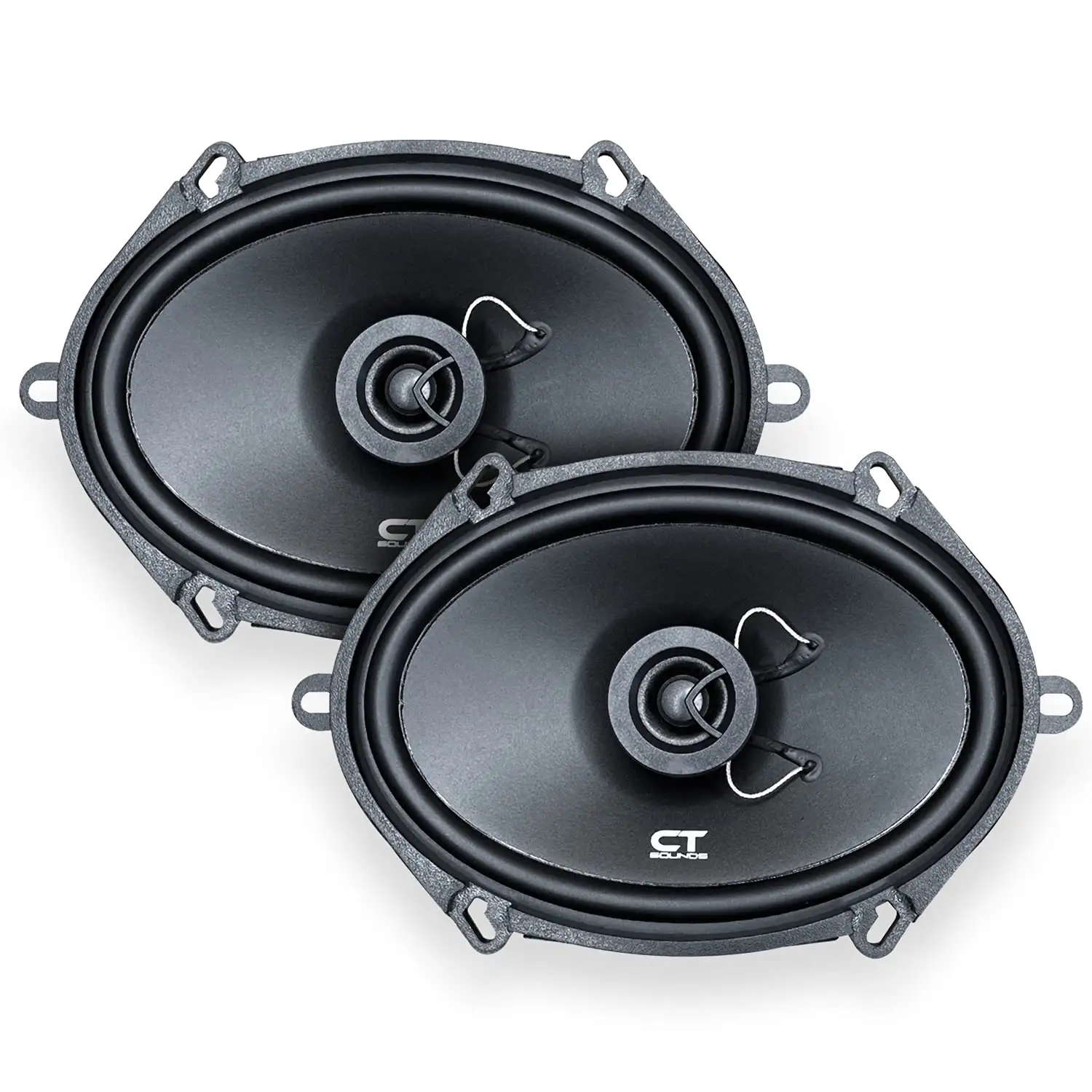
Bold claims of “loud and clear, non-fatiguing audio” surround the Pyle 5” x 7” Car Sound Speaker (Pair), but real-world feedback lands it at a modest 7.2/10. While praised for budget-friendly decent performance, the community draws a clear line between acceptable factory replacements and truly impressive upgrades.
Quick Verdict: Conditional — Great budget OEM replacements, but underwhelming for bass lovers or high-volume enthusiasts.
| Pros | Cons |
|---|---|
| Affordable price point | Weak bass response |
| Easy OEM fit for many vehicles | Harsh highs at times |
| Decent clarity in mids | Noticeable distortion at higher volumes |
| Includes grills & mounting hardware | Mixed quality control — uneven output between units |
| Attractive blue poly cone design | Limited durability under heavy load |
| Works well with stock head units | Wiring modifications sometimes needed |
| Lightweight & easy to install | Still “cheap speakers” quality despite decent sound |
Claims vs Reality
Marketing materials showcase the blue poly injection cone, “non-fatiguing butyl rubber surround,” and 300W peak power as delivering “full resonance” and extended product life. On paper, Pyle claims an 80Hz–20kHz frequency range and “exceptional 90dB sensitivity” for crisp detail.
Digging deeper into user reports, the bass claim falters quickly. A verified buyer on Amazon noted: "These speakers have very little bass response compared to factory speakers, and they bottom out and make 'cracking' sounds with anything but the quietest bass lines." This gap between spec sheet and living-room reality matters most for bass-heavy genres.
The “loud and clear” promise rings more true for casual, lower volume listening. Reddit user feedback shows that in setups using only a stock head unit, the sound is “good enough” and very clear for vocals. But once volume creeps higher, distortion appears. One GMC Sonoma owner explained: "For a system around $100 it sounds good…but the whole system starts to distort bass at high volume; if you want to annoy neighbors from a block away, this is not going to work."
Cross-Platform Consensus
Universally Praised
Budget-conscious car owners consistently hail these as fantastic OEM replacements. Their standard sizes fit right into factory cutouts — ideal for quick swaps in older trucks, sedans, and SUVs. A verified buyer of a ‘89 Suburban said: "Went in with some wiring needed, but took about 10 minutes for both sides. I now have excellent sound from the rear and couldn't be more pleased with the price."
For stock head unit users, clarity in mids and highs often exceeds what tired factory cones produce. Installation friendliness helps; even those unfamiliar with car audio find them straightforward. One Civic owner lauded: "They sound great for the price. Old connectors didn’t fit, but after some quick modification to the wiring they were good to go."
Aesthetic appeal also pops up — users like the blue cone for giving a subtle visual upgrade without the cost of high-end brand cache.
Common Complaints
Bass limitations dominate. Several Amazon reviews state these aren’t “true woofers” and fail to reproduce deep lows. An early Fox Body Mustang owner warned: "Don’t expect them to take a lot of power or have anything close to bass." For bass-heavy music fans or subwoofer-less systems, this leaves a hole in the listening experience.
Durability worries emerge under stress. Multiple reports describe one speaker playing quieter than the other after short use, a probable quality control inconsistency. That same Grand Am owner who had wiring issues also saw uneven output that followed the speaker when swapped sides.
High frequency harshness is another sore point. While marketed for “non-fatiguing” treble, some listeners found the tweeter too bright, leading to ear fatigue on certain tracks.
Divisive Features
Peak power ratings cause a split. The 300W marketing headline excites newcomers, but seasoned enthusiasts point out RMS is what counts (many report ~150W RMS). Bass blockers improve clarity for some, yet others wish the speakers could naturally handle low frequencies better.
Style gets mixed reception too — while truck and SUV owners liked the pop of color inside the cabin, understated interior purists find it clashes with factory trim.
Trust & Reliability
The term “cheap speakers” appears often, not as an insult but as an acknowledgment of their tier. Many long-term users experience consistent mid-high clarity over years — one Redditor shared: "I've bought 4 sets over the years for all my cars…they continue to function perfectly, no amp, just the radio itself."
However, threads across platforms flag occasional quality control hiccups (quieter speaker in a pair, tweeters failing early). There are no widespread scam concerns, but longevity appears tied strongly to keeping output moderate and bass low.
Alternatives
In this budget segment, other replacements like entry-level Pioneer or Kenwood coaxials appear in user comparisons. One Yukon owner noted Kenwood tweeters broke, but Pyle’s replacement came “almost as good” in performance for less cost — yet with obviously less bass depth than premium lines.
No direct competitor in data shows a dramatic leap in the same price bracket; upgrading to Pioneer for ~$60+ gets more stable low-end response, but sacrifices the ultra-budget appeal.
Price & Value
eBay listings show these drifting between $34–$49 new, depending on seller. The low price underpins most satisfaction stories — as many reviewers reiterate, “you get what you pay for.” Resale value is low, as most buyers prefer new for audio components.
Community buying tips include:
- Match them with a stock head unit — avoids overpowering and extends life
- Use bass blockers if you have no subwoofer, to reduce distortion
- Check seller feedback for fewer QC issues

FAQ
Q: Can these handle bass-heavy music well?
A: Not without distortion at moderate-high volumes. Many users recommend adding a subwoofer or bass blockers for cleaner playback.
Q: Do they fit directly into OEM brackets?
A: For most Ford, Mazda, and GM models they fit without modification, though wiring connectors may require adaptation.
Q: What’s the realistic wattage these can handle?
A: Marketing claims 300W peak, but RMS handling is about 150W. Users report best results at or below RMS.
Q: Are they durable for daily use?
A: Yes, if powered moderately. Several have lasted years in daily-driven vehicles, but avoid pushing them to their max.
Q: Do they improve sound compared to factory speakers?
A: In clarity, yes. In bass depth, usually not. They excel at mids and highs over worn stock cones.
Final Verdict
Buy if you're a budget-conscious driver wanting a clear, midrange-focused upgrade over old factory speakers without investing in amps or subs. Avoid if deep bass or high volume performance is your priority.
Pro tip from community: Pair these with bass blockers and a stock head unit for long-lasting, distortion-free clarity.





