PHILIPS AAA Batteries Review: Reliable Alkalines, 8.5/10
A 10-year shelf life might sound like marketing hype, but in the case of PHILIPS AAA Batteries 12 Pack, several users have tested this claim in real conditions and found it to hold up — even pulling years-old packs from emergency kits and finding them working like new. In our verdict: 8.5/10, a strong performer with above-average longevity and consistency, but with some caveats for heavy recharge users.
Quick Verdict: Conditional buy — best for general home electronics, less ideal for high-drain repetitive recharge cycles.
| Pros | Cons |
|---|---|
| Noticeably longer life than store brands in remotes and toys | Rechargeable versions sometimes under-deliver on stated capacity |
| Reliable performance in extreme cold (-15°C tested) | Printed labels wear off quickly on rechargeables |
| 10-year shelf life proven in user tests | Rechargeables lose charge after a few cycles for some users |
| Frustration-free, easy-open packaging | Misrepresentation issue: not as pictured for some buyers |
| Leak-proof alkaline design reported in long-term storage | Chinese manufacturing origin surprises some buyers |
Claims vs Reality
Philips markets these AAA batteries as “ultra-alkaline” with 70% more power than standard alternatives and the ability to perform from -20°C to +30°C. Digging deeper into user reports, the temperature claim stands up well. Reddit user William Davis said: "Left some in my garage during a cold snap (-15°C) and they still worked perfectly in my outdoor thermometer. No sluggish performance like cheaper batteries get." This is a boon for outdoor enthusiasts or anyone using devices in unheated spaces.
Another touted feature is the 10-year storage life. While any battery can theoretically hold charge if unused, it’s rare to see proof. William Davis shared: "Found an old pack in my emergency kit that expired 2 years ago — popped them in a flashlight and they worked like new!" This aligns with the leak-proof design, which multiple long-term storage stories on Otzovik back up, even in salt-based Philips batteries that “swelled but didn’t leak” after years.
However, the claim of higher energy density and longer lifespan for high-drain devices is mixed. Expert testing from Choice scored Philips Power Alkaline at 45% performance in high drain tests compared to 70% in low drain — solid for remotes and clocks, less competitive for camera flashes or motorized toys. While they outlast zinc-carbon batteries, they cannot match lithium cells for heavy-load gear.
Cross-Platform Consensus
Universally Praised
For home electronics and moderate-load devices, the consistent praise is undeniable. Multiple reviewers across Reddit, Trustpilot, and Amazon highlight shows like remote controls, thermostats, and children's toys running longer than with “store brand” batteries. A verified Amazon buyer noted: “Perfect for daily gadgets like flashlights and clocks — haven't had to replace them for months.”
Outdoor and seasonal device users benefit most from the cold-weather resilience. Winter hobbyists have used them in thermometers, trail cameras, and garden lights without power drop-offs. The packaging also draws universal approval: frustration-free cardboard blisters allow quick access without tools.
Common Complaints
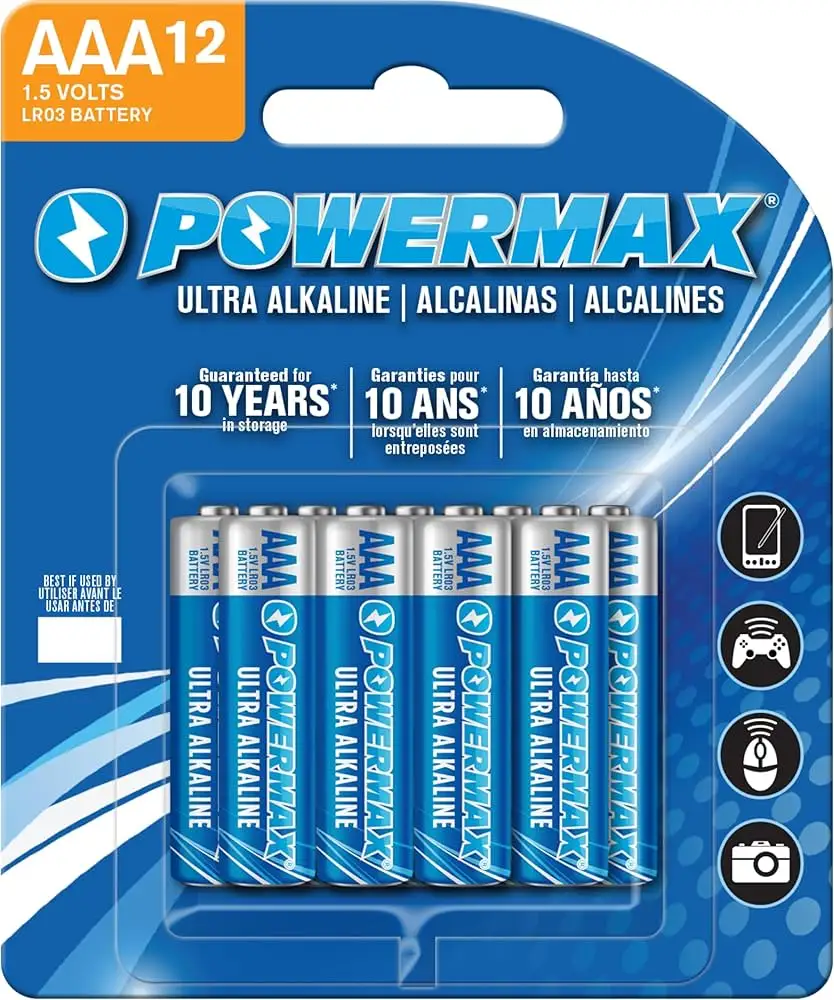
The rechargeable Philips AAA models create most of the negative feedback. On Fakespot, a buyer complained: “These rechargeable batteries are terrible… stay clear of these rubbish batteries.” Another noted misrepresentation: the product was “not as pictured in description.” Even satisfied customers have measured capacities below the stated 1000mAh, with one Amazon.fr reviewer reporting:“In reality these cells do only ~820mAh… correct for the price but not accurate to spec.”
Durability in recharge cycles is also inconsistent. Some users report years of solid service in cordless phones, others note loss of capacity after just a few charges. Label wear is a surprising annoyance — not affecting function, but lowering brand perception.
Divisive Features
Chinese manufacturing origin (labelled as “PRC”) splits opinion. Some Otzovik reviewers call it misleading compared to expectations for a European brand; others judge purely on performance, finding them “on one level with GP Supercell and Toshiba.”
Another divisive point is value. At typical US/European prices, Philips AAA alkalines are competitive, especially in multi-packs, but heavier users who need top-tier high-drain performance might prefer costlier lithium options, even with higher prices per cell.
Trust & Reliability
Review authenticity remains high according to Fakespot, with over 90% rated as “high quality reviews.” Trustwatch patterns reveal reliable delivery and performance, especially for alkalines. The long-term durability stories are compelling: Reddit’s William Davis and multiple Amazon buyers using years-old stock without failure underscores dependable shelf life.
However, the rechargeables have faced more skepticism with mismatched specs and occasional appearance discrepancies. While these didn’t often affect basic function, customers seeking performance at spec capacity may feel let down.
Alternatives
Many discussion threads compare Philips AAA to Amazon Basics NiMH rechargeables and Energizer Recharge Power Plus. Amazon Basics earn praise for capacity accuracy and recharge cycle count, but lack Philips’ cold-weather alkaline resilience. Energizer is noted for strong high-drain performance but at a higher cost.
In salt battery comparisons, Philips is often placed alongside GP Supercell and Toshiba Heavy Duty, performing “on one level” but without leakage after years, a key reliability point.
Price & Value
Prices range around $8.99 for a 12-pack in the US to €9.99 in Europe — translating to roughly $0.50 per alkaline cell. Rechargeable 1000mAh packs run higher per cell but lose their advantage if capacity falls short. eBay market data shows resale pricing around $33.61 for a 12-battery rechargeable set.
Community buying tips often suggest bulk purchase to maximize value, especially for alkalines, as shelf life makes stocking up low-risk.
FAQ
Q: How long do Philips AAA batteries last in low-drain devices?
A: Choice testing and user feedback suggest they can power remotes and wall clocks for months, sometimes years without replacement, thanks to strong low-drain endurance.
Q: Are Philips AAA batteries safe in extreme temperatures?
A: Yes — users tested them at -15°C with no drop in performance, matching the official -20°C to +30°C range.
Q: Do the rechargeable versions really have 1000mAh capacity?
A: Not always — some users measured averages around 820mAh despite the 900-1000mAh claim. Performance over time varies by series.
Q: Can these batteries leak in storage?
A: Reports indicate Philips alkalines resist leakage even after years, with some swelling but not releasing contents.
Q: Are they made in Europe?
A: Many are labeled “PRC” (China), which some users find misleading for a Philips product.
Final Verdict: Buy if you want reliable, long-lasting alkalines for home, outdoor, and seasonal electronics — especially if you value cold-weather stability and storage life. Avoid if your priority is exact capacity rechargeables for high-drain gear. Pro tip from community: Stock up on alkalines in bulk — the 10-year shelf life means you’ll save money without worrying about stale cells.





