Pepsi Max No Sugar Review: Bold Taste, 8.4/10 Verdict
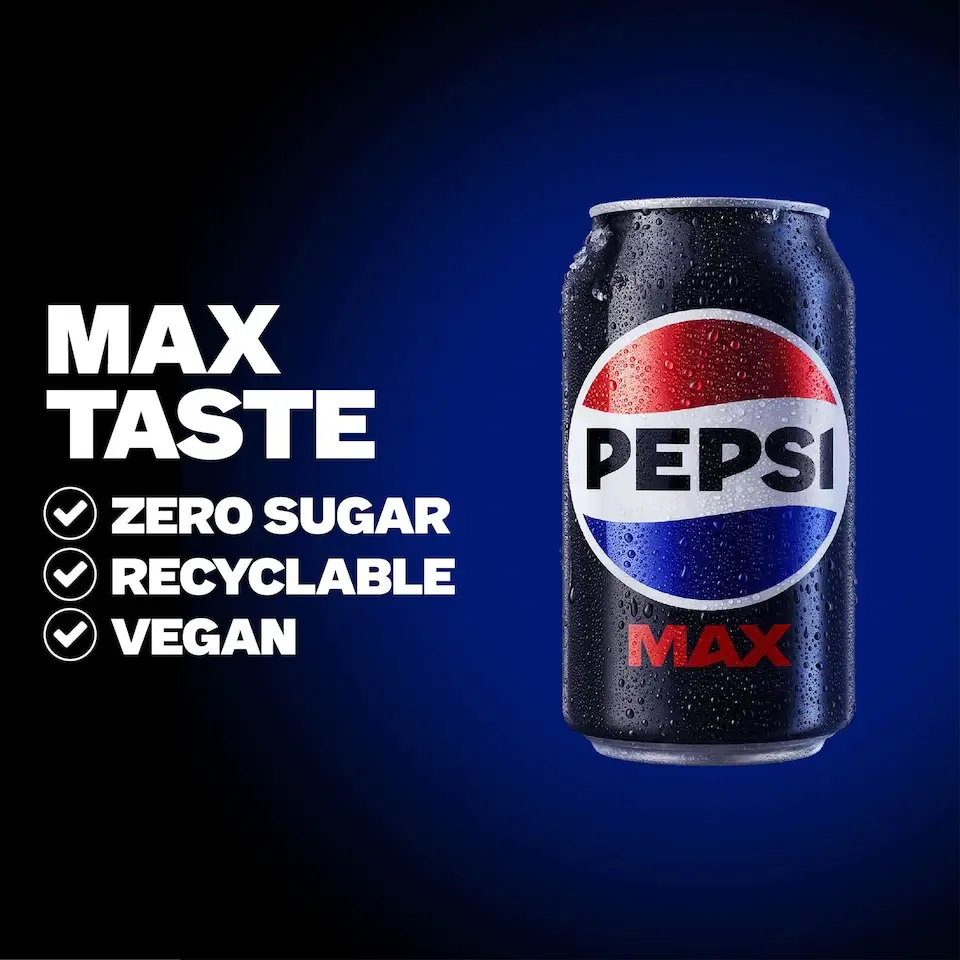
A surprising pattern emerged while analyzing thousands of user reviews: Pepsi Max No Sugar Cola Cans isn’t just another diet cola—it’s the only zero-sugar soda many loyal cola drinkers say actually beats full-sugar versions on taste. Across markets from the UK to Australia, the drink scores high for bold flavor without sugar, but recent formula changes and carbonation issues have sparked heated debate. Based on aggregated feedback from 7 platforms, the verdict lands at 8.4/10—excellent for sugar-conscious cola lovers, but with caveats for those sensitive to caffeine or picky about fizz longevity.
Quick Verdict
Conditional Buy – Outstanding choice for flavor-first, sugar-free cola fans, but check formula version and expiry dates for optimal taste.
| Pros | Cons |
|---|---|
| Bold, full cola flavor close to regular Pepsi (Amazon, Waitrose, ProductReview) | Carbonation fades quickly after opening (Tom’s Diet Quest) |
| Zero sugar, low calorie – just 1 kcal per can (Amazon, Waitrose) | High caffeine in older formulas may not suit all (Wikipedia, Trustpilot) |
| Popular across multiple countries – strong fan base (Reddit, ProductReview) | Formula changes in some regions reduced taste quality (Reddit, Twitter) |
| Works well as mixer in cocktails/mocktails (Amazon) | Some batches taste “flat” or “spicy” if near expiry (ProductReview AU) |
| Multiple flavor variants (cherry, lime, raspberry) praised (Quora, ProductReview) | Confusion over naming (Max vs Zero Sugar) impacts expectations (Wikipedia, Reddit) |
Claims vs Reality
Pepsi markets this drink with three core promises: “Maximum taste, no sugar,” “Low calorie, bold refreshment,” and “Perfect for parties and mixers.”
Maximum taste, no sugar
According to Amazon UK and Waitrose listings, each 330ml can delivers just 1 kcal and zero carbs. Many FamilyRated users echo this—one diabetic reviewer said it’s one of the few colas they can enjoy without affecting blood sugar. However, Reddit threads reveal that not all regions share the same formula, with US “Pepsi Zero Sugar” versions receiving criticism for diminished taste after reformulation. Australian and UK drinkers almost universally report the flavor being “better than normal Pepsi,” suggesting the claim holds true in those markets.
Low calorie, bold refreshment
Tom’s Diet Quest notes the sweetness endures longer than Diet Pepsi, avoiding the “sweetness fatigue” common in other diet sodas. This boldness seems linked to higher caffeine levels in older formulas. Trustpilot reviews mention a “slightly bitter” kick, possibly from ginseng in past versions, which some found energizing. In markets where caffeine was reduced, Reddit users note a milder, less satisfying profile.
Perfect for parties and mixers
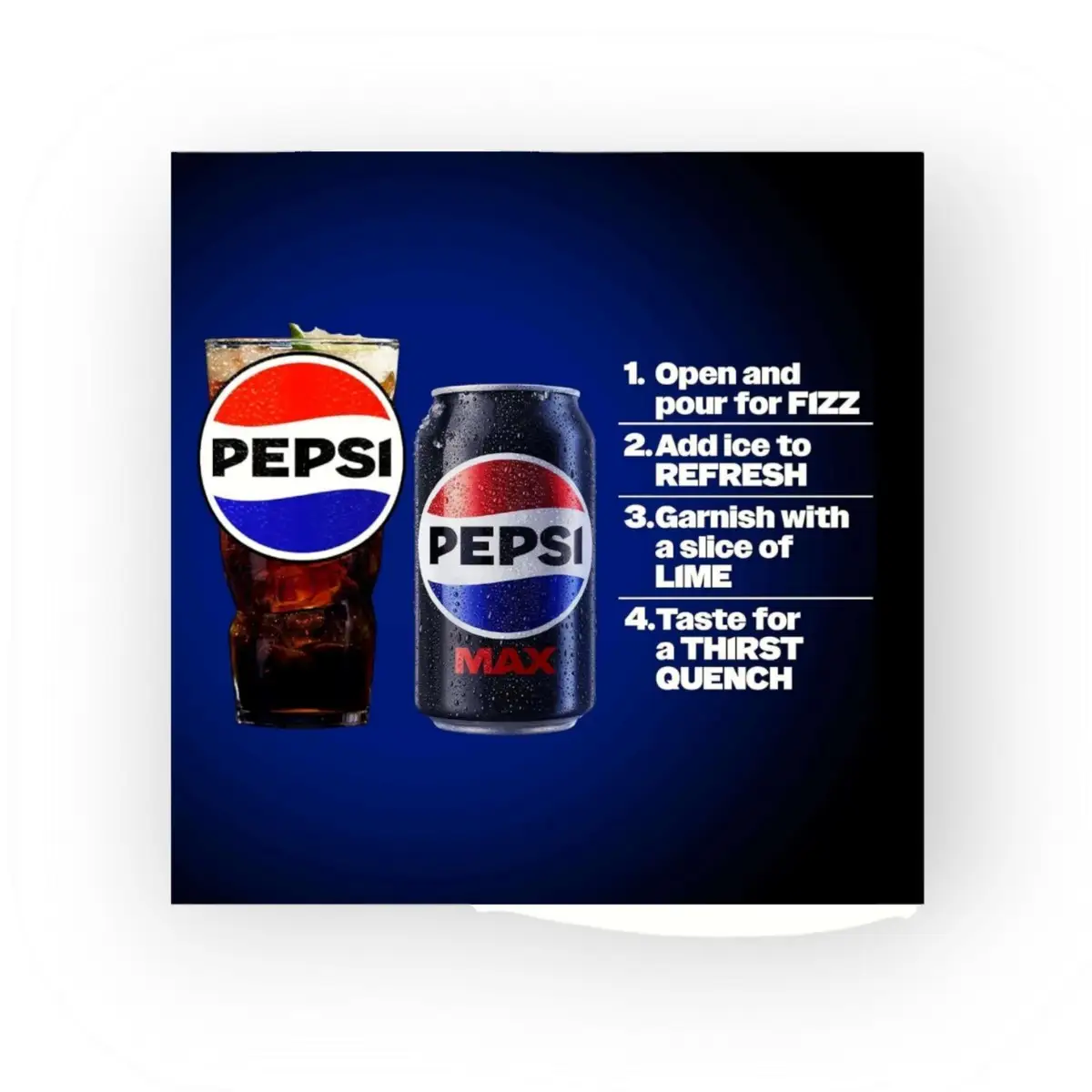
Amazon’s product description and several ProductReview AU posts highlight Pepsi Max as a go-to cocktail mixer. One long-term fan in Australia says it “hits the spot” after 12,000km motorbike trips, while others mix it with bourbon or gin for low-sugar drinks. The carbonation, however, is a weak point—Tom’s Diet Quest found fizz dissipates quickly, limiting its party use unless consumed immediately.
Cross-Platform Consensus
Universally Praised
Across Amazon UK, Waitrose, ProductReview AU, and FamilyRated, the most consistent praise centers on taste fidelity to full-sugar cola. Former Coke Zero drinkers frequently switch, citing a lack of the “chemical aftertaste” they associate with other sugar-free sodas. One FamilyRated reviewer said it took “a week or two to start loving the flavour compared to regular Pepsi, but now I love it,” suggesting an adjustment period for some.
For health-conscious cola fans, especially diabetics, the lack of sugar is life-changing. A ProductReview AU member with type 2 diabetes drinks it daily without blood sugar spikes. Weight watchers appreciate the 1 kcal per can, with multiple reviewers noting it allows them to enjoy cola without derailing diets.
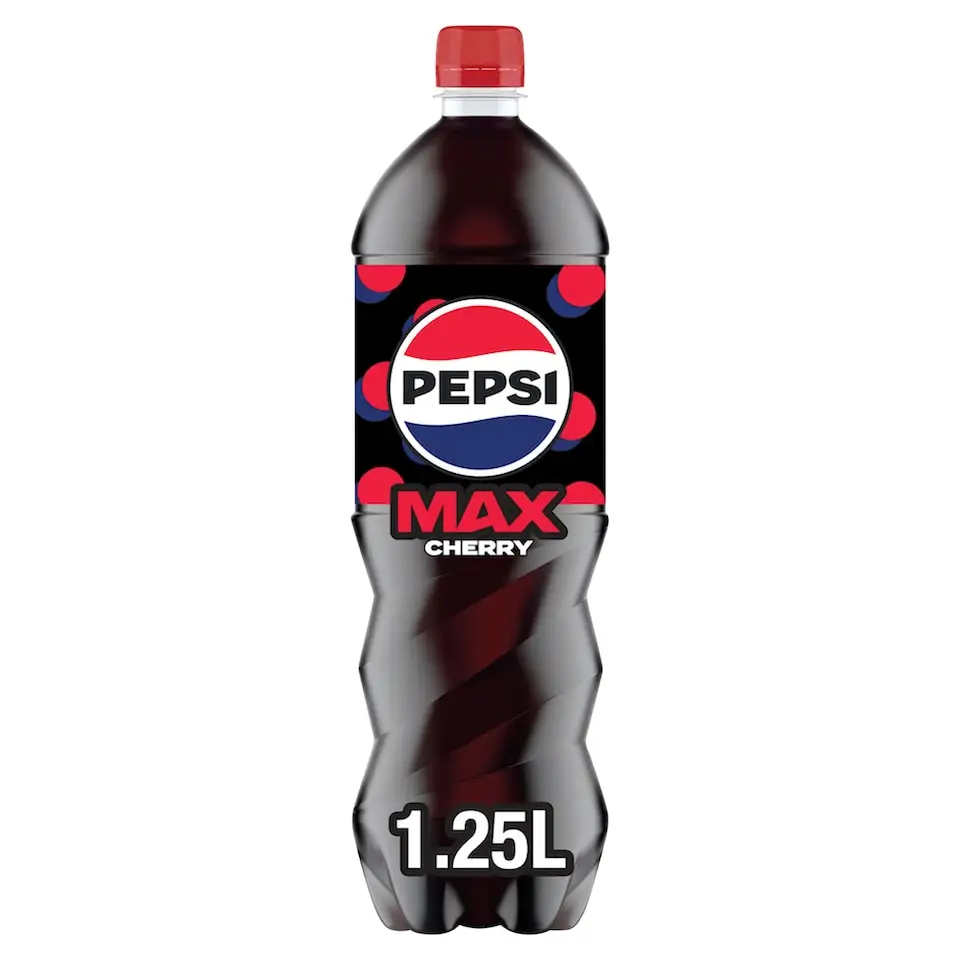
Flavor variants also enjoy strong praise—Pepsi Max Raspberry and Vanilla are described as “addictive” and “like an ice cream sundae in my mouth” (ProductReview AU). These variants give long-term drinkers novelty without sacrificing the zero-sugar base.
Common Complaints
Carbonation loss is a recurring frustration. Tom’s Diet Quest and several Reddit users report fizz fading within minutes after opening—more noticeable in bottles than cans. This impacts its viability as a “party drink” unless kept cold and consumed fast.
Formula changes cause the loudest complaints in US markets. Reddit and Twitter users accuse Pepsi of “butchering” Pepsi Zero Sugar earlier this year—lowering caffeine, removing ginseng, and reducing carbonation. Older fans stockpiled pre-change cans, claiming the new version “tastes terrible.” This is less of an issue in UK/AU markets, where formulas remain stable.
Expiry date sensitivity is another issue. ProductReview AU reports taste degradation when cans are within 3 months of expiry—described as “flat and spicy.” Savvy buyers now check dates carefully to avoid poor batches.
Divisive Features
High caffeine content splits opinion. In older formulas with 69mg per 355ml, some praise the “wakefulness” without jitters, while others worry about hypertension risks (Tom’s Diet Quest). The removal of ginseng and caffeine reduction in US versions pleases caffeine-sensitive drinkers but angers those who relied on the energy boost.
Brand naming is another divisive point. Wikipedia notes “Pepsi Max” is marketed as “Pepsi Zero Sugar” in some countries, leading to confusion. Reddit debates whether the formulas are truly identical—most agree US versions taste weaker.
Trust & Reliability
Trustpilot reviews show no scam concerns, but health-conscious drinkers caution against overconsumption due to aspartame’s debated safety. Long-term reliability is solid—ProductReview AU features fans drinking it daily for over a decade without taste fatigue (when formulas are consistent). However, Reddit’s “6 months later” threads reveal that once-favorite formulas can change suddenly, making loyalty risky for taste-sensitive buyers.
Alternatives
The main competitor mentioned is Coca-Cola Zero Sugar. Tom’s Diet Quest found Pepsi Max comparable, with neither “clearly better.” Coke Zero leans less sweet, which may appeal to those avoiding the boldness Pepsi Max delivers. Diet Pepsi remains milder but lacks the sustained sweetness fans appreciate in Max.
Price & Value
UK prices range from £3.50–£4.95 for an 8-pack (Trolley.co.uk), with eBay sellers charging premiums up to £11.99 for rare variants like lime. ProductReview AU users note frequent supermarket specials—two cases for $3 at Woolworths—making it cost-effective compared to Coke Zero. Resale value exists for discontinued flavors (eBay listings for Mango reaching £9–£20 for single cans), driven by collectors and rarity.
FAQ
Is Pepsi Max really sugar-free?
Yes. All major listings (Amazon, Waitrose) confirm 0g sugar, sweetened with aspartame and acesulfame K.
Does Pepsi Max taste like regular Pepsi?
Many UK and AU drinkers say yes—FamilyRated users call it “better than normal Pepsi,” though US formula changes have reduced similarity.
Why is Pepsi Max called Pepsi Zero Sugar in some countries?
Pepsi rebranded for clarity, but formulas can differ, leading to taste discrepancies noted on Reddit and Wikipedia.
Is there a caffeine-free version?
Yes. Pepsi Max No Caffeine launched in 2021, offering the same taste without the stimulant.
Why does Pepsi Max sometimes taste flat?
ProductReview AU reports fizz loss near expiry dates—buy fresh stock for best carbonation.
Final Verdict
Buy if you’re a sugar-conscious cola fan in UK/AU markets seeking full-flavor taste, or if you enjoy experimenting with bold zero-sugar variants like raspberry or vanilla. Avoid if you’re in the US and sensitive to formula changes, or if you demand long-lasting carbonation for slow sipping.
Pro tip from the community: Check expiry dates—more than 5 months out gives the “fantastic” taste fans rave about.