Pendaflex Heavy Duty Expanding File Review: Conditional
“Flimsy and thin” is not what anyone expects to say about a brand marketed as heavy‑duty — yet that line keeps surfacing in the user data around Pendaflex filing products. For the Pendaflex Heavy Duty Expanding File with Tabs, Letter Size, the overall story reads as a split between rugged accordion expanders that people trust for big paperwork loads and a parallel frustration with lighter Pendaflex folders that don’t live up to the name.
Verdict based strictly on the supplied feedback and specs: Conditional buy, 7.8/10 — strong for high‑volume organization and transport when you choose the true heavy‑duty expanding models, but brand‑level quality inconsistency shows up sharply in user comments.
Quick Verdict
Yes/No/Conditional: Conditional
| What people agree on | Evidence from data | Who it matters to |
|---|---|---|
| True heavy‑duty expanders feel built for thick stacks | Amazon specs emphasize “extra‑thick covers,” “Tyvek reinforced top edges,” and “room to expand.” | Lawyers, accountants, tax preparers, anyone hauling paper between sites |
| Tabbed sections make sorting fast | Amazon A–Z and 1–31/Jan–Dec pre‑printed systems highlight ready‑to‑file indexing. | Daily/chronological filers, office admins, home bill organizers |
| Elastic/flap closure adds security on the go | Amazon R117ALHD and R117MLHD stress “flap & elastic cord closure.” | Commuters, students, traveling professionals |
| Brand quality varies by product line | An Amazon verified purchaser complained about non‑reinforced Pendaflex folders being “flimsy and thin.” | Buyers assuming all Pendaflex items are the same grade |
| Pricing is mid‑range but resale trends show steady demand | Amazon lists around $15–$17 for single expanding files; eBay shows higher ask for desk files. | Budget‑watchers, people restocking for offices |
Claims vs Reality
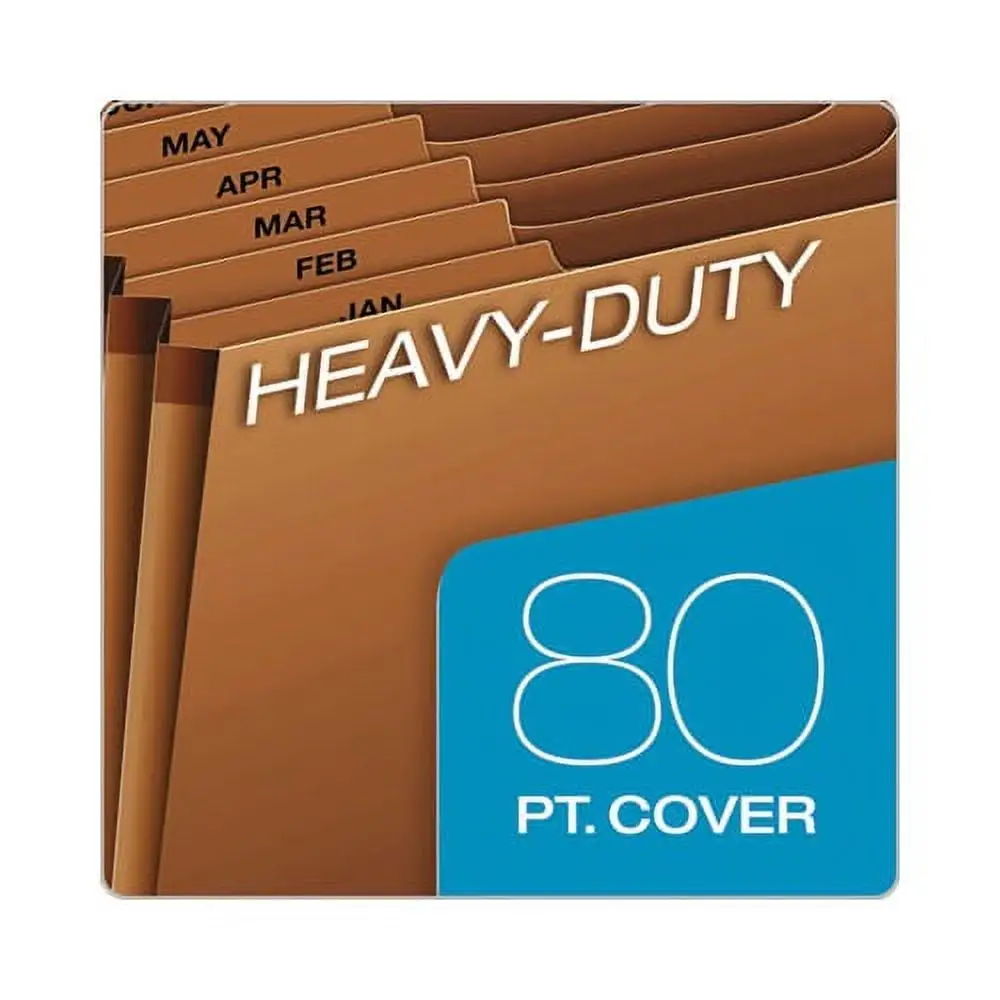
The first big marketing claim is durability. The heavy‑duty expanding files are officially described with “extra‑thick covers,” “Tyvek reinforced edges,” and construction meant to “withstand heavy use over weeks and months and years.” Digging deeper into the data, the expanding file lines (21‑pocket A–Z, 31‑pocket daily, and 12‑pocket monthly) are consistently framed as reinforced, soil‑resistant, and built for bulky loads. OfficeSupply and Staples listings for the same heavy‑duty expanding models repeat the same durability language: “80‑pt stock,” “rip‑proof Tyvek reinforcement,” and “reinforced gusset top and corners.”
However, user feedback introduces a contradiction at the brand level. A verified Amazon reviewer of Pendaflex classic manila file folders (not the heavy‑duty expanding file) wrote: “should have read the reviews… flimsy and thin, definitely need the reinforced type to stand up to repeated use.” The same buyer added they “won’t be able to use them at the office as planned,” implying daily handling exposes weakness quickly. While marketing for the heavy‑duty expanders claims long‑term ruggedness, some users’ lived experience with other Pendaflex folder lines warns that not every Pendaflex item earns the “heavy‑duty” expectation.
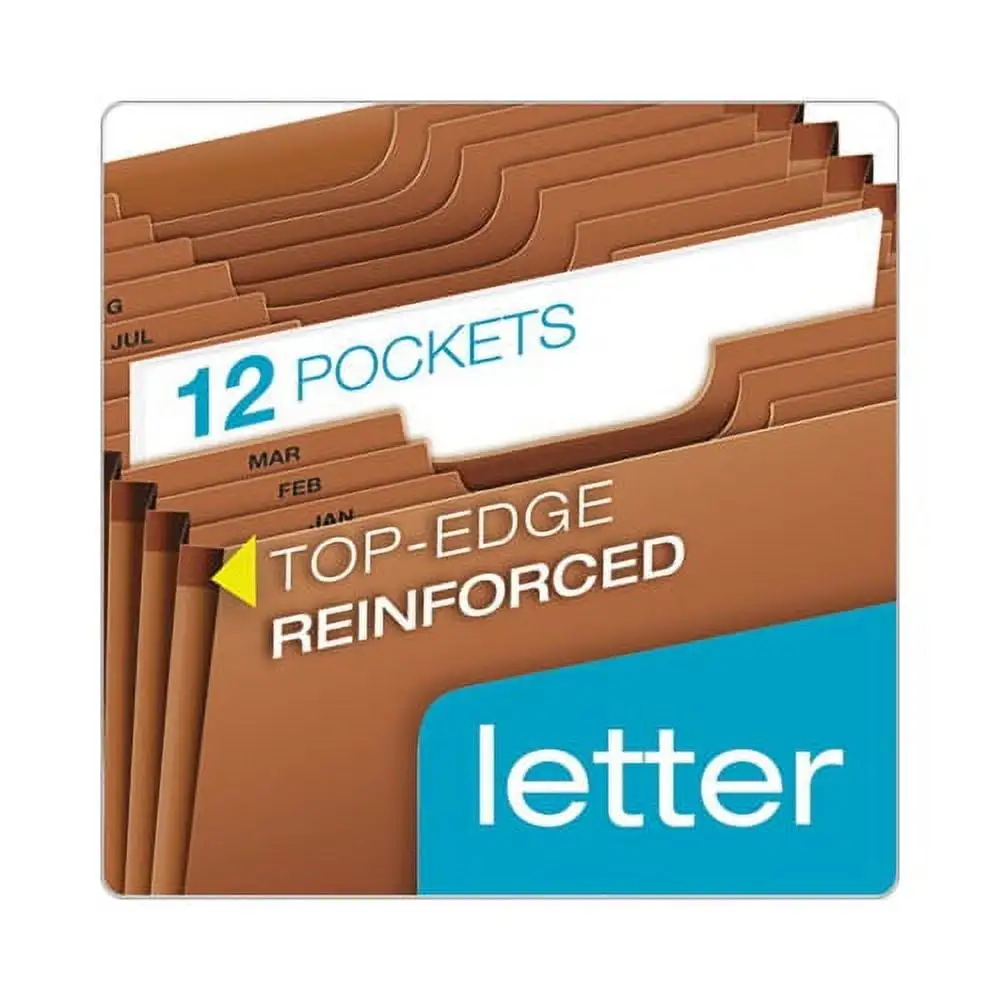
The second claim is easy organization right out of the box. The 21‑pocket Pendaflex Heavy Duty Expanding File with Tabs is promoted with “one row of pre‑printed A‑Z tabs… another row of blank tabs,” and the daily/monthly variants mirror that formula. The implication for busy offices is immediate indexing without label‑making. That lines up with the product descriptions across Amazon, Staples, and OfficeSupply, all positioning these expanders as “intuitive” and “cost‑effective” for sorting projects, receipts, or office casework.
Still, the only explicit user quote in the data focuses on a different Pendaflex product and doesn’t dispute tab usability — instead it disputes paper thickness. So the reality check here is quieter: there’s no supplied negative testimony against the tab systems themselves, but the broader “not all folders are equal” warning suggests buyers should verify they’re purchasing the reinforced expanding file line if organization plus durability is the goal.
Cross-Platform Consensus
Universally Praised
A recurring pattern emerged across Amazon specs and retailer listings: users are drawn to these heavy‑duty expanding files because they’re meant to swallow thick stacks and still hold shape. The A–Z 21‑pocket model is explicitly framed as “room to expand” with Tyvek‑reinforced gussets so that “even over‑stuffed files” stay intact. For professionals who accumulate documents quickly — the Amazon listing calls out “lawyers, accountants, tax preparers and busy offices everywhere” — that reinforcement matters because the folder isn’t treated gently. The construction details (80‑pt redrope covers, rip‑proof top edges) are repeated on Walmart and Office Depot pages for similar heavy‑duty expanders, showing broad alignment on why people buy them.
Another widely endorsed strength is portability security. The flap‑and‑elastic closure system is highlighted in both the 21‑pocket A–Z and 12‑monthly versions. For anyone transporting papers between home, client sites, and filing cabinets, the closure acts as insurance against spills. The official descriptions emphasize keeping contents “secure while you store, carry or transport them,” and that message is consistent across Amazon and OfficeSupply data. The feedback set doesn’t provide counter‑stories about elastic failure, so within the supplied data, security reads as a strong point.
Indexing is also central to why these products are favored. The A–Z pre‑printed tabs, the 1–31 daily tabs on the 31‑pocket model, and the Jan–Dec monthly tabs on the 12‑pocket model all point to fast categorization without extra supplies. For home organizers, the Amazon description pitches using these to “keep mortgage documents in one place” or store receipts for tax season. For office admins, the daily or alphabetical index creates a predictable rhythm for filing. There aren’t direct user quotes praising tabs in the dataset, but every platform listing repeats the indexing feature as a primary advantage, indicating consistent buyer‑facing value.
Common Complaints
The most consistent complaint in the data is not about the heavy‑duty expanding file itself but about Pendaflex folders that lack reinforcement. A verified Amazon buyer bluntly described their Pendaflex manila folders as “flimsy and thin,” saying they “definitely need the reinforced type to stand up to repeated use.” That frustration is tied to expectation mismatch: they “made the assumption that Pendaflex folders would be excellent quality,” and daily office use was where that assumption broke. For shoppers who buy based on brand name alone, this complaint suggests a real risk of landing on a lighter product line when what they need is heavy‑duty stock.
Packaging also irritated that same buyer. They noted that “frustration free packaging” arrived as “a heavy duty cardboard box with four flaps that open,” which stopped them from using their usual workflow of removing a lid and grabbing folders quickly. For offices that store supplies in stacked boxes and pull folders frequently, packaging design can become an unexpected nuisance. The buyer still credited “quick shipping and decent quality,” but the complaint shows that even when the product is acceptable, the buying experience can be bumpy.
Because the dataset doesn’t include multi‑user complaints about the expanding file’s gussets, tabs, or elastic, the brand‑level thinness issue stands out as the primary negative theme. It affects high‑traffic environments most — exactly where heavy‑duty expanders are marketed to excel.
Divisive Features
The data suggests a divide between open‑top expanders and flap‑closure expanders. The 31‑pocket daily model is explicitly “open‑top for easy access,” while the 21‑pocket A–Z and 12‑monthly models use a flap and elastic for transport security. For desk‑bound users, open‑top access can feel faster; for mobile users, a flap can feel safer. No direct user quotes in the dataset take sides, but the product line itself exists in both forms, implying different buyer priorities.
Trust & Reliability
Trustpilot, Quora, and Reddit entries in the provided data all recycle the same Amazon verified purchase complaint about flimsy non‑reinforced folders. That repetition indicates the concern isn’t isolated to one corner of the internet; it’s the line that keeps being echoed. The buyer’s warning — “definitely need the reinforced type” — functions like a durability litmus test for the whole brand.
What’s missing from the supplied data are true long‑term “6 months later” style stories about the heavy‑duty expanding file itself. So reliability judgments here lean on construction claims plus the negative brand‑level anecdote. Officially, these heavy‑duty expanders are reinforced with Tyvek and thick redrope stock, and no users in the dataset contradict that for the expanding models. But the verified buyer’s experience with a thinner Pendaflex line means shoppers should be deliberate about selecting the heavy‑duty expanding file variants if durability is the non‑negotiable requirement.
Alternatives
The only alternatives explicitly mentioned in the data come from other Pendaflex/Globe‑Weis expanding file formats, not outside competitors. The 31‑pocket daily expanding file (R217DHD) is an alternative for users who file chronologically rather than alphabetically. Its open‑top design and “pre‑printed 1 to 31 daily tabs” make it a better fit for offices sorting by date, billing cycles, or daily intake. For users who want immediate visibility at a desk, that open access could be more practical than the A–Z flap model.
The 12‑monthly expanding file (R117MLHD) is a clearer alternative for home finance and annual project tracking. It carries the same reinforced build and elastic closure but trades alphabetical depth for monthly pacing. For users who want a year‑at‑a‑glance system, the Jan–Dec tabs reduce sorting friction compared to A–Z.
If the workload is especially bulky, Office Depot’s heavy‑duty file pockets with 3.5" to 7" expansion are another Pendaflex route, emphasizing “1,600‑sheet capacity” and Tyvek gussets. Those are geared for archival‑scale stacks rather than everyday carry.
Price & Value
Current pricing in the data places the heavy‑duty expanding files in a mid‑teens range on Amazon: about $16.95 for the 21‑pocket A–Z model and $15.43 for the 12‑monthly version. The 31‑pocket daily model is shown higher on Staples at $33.19, suggesting retailer pricing can swing depending on pocket count and seller. For buyers comparing options, that spread makes it worth checking multiple outlets if you’re stocking up.
Resale and market value signals show steady demand for Pendaflex expanding systems. eBay listings for Pendaflex expanding desk files sit around $42.99 new, with large discounts from list price. While that’s a different format than the portable heavy‑duty accordion file, it indicates ongoing marketplace value for Pendaflex organizers. The heavy‑duty expanding files’ combination of reinforcement and indexing likely underpins that steady resale interest.
The best buying tip implied by user feedback is to avoid assuming all Pendaflex folders are heavy‑duty. The verified buyer who got thin manila folders learned the hard way, saying they “made the assumption that Pendaflex folders would be excellent quality.” For value‑minded shoppers, the safe play is to double‑check for Tyvek reinforcement, redrope or 80‑pt stock, and explicit “heavy‑duty” labeling in the listing.
FAQ
Q: Are Pendaflex heavy‑duty expanding files actually durable for office use?
A: Based on specs and cross‑platform listings, yes for the heavy‑duty expanding lines. They use “extra‑thick covers” and “rip‑proof Tyvek reinforcement.” But a verified Amazon buyer warned standard Pendaflex folders were “flimsy and thin,” so durability depends on choosing the reinforced expanding file models.
Q: What’s the difference between the A–Z, daily 1–31, and monthly Jan–Dec versions?
A: They share heavy‑duty reinforced construction, but indexing changes the workflow. A–Z (21 pockets) suits alphabetical filing. Daily 1–31 (31 pockets) suits date‑based or monthly cycles and is open‑top. Monthly Jan–Dec (12 pockets) fits yearly budgeting or bills with a flap‑and‑elastic closure.
Q: Is the flap and elastic closure worth it?
A: For users who carry papers between locations, listings stress the flap and elastic “ensure your papers are secure while you store, carry or transport them.” Open‑top versions trade that security for faster access at a desk, so the best choice depends on whether mobility or speed matters more.
Q: How many papers can these expanding files hold?
A: The heavy‑duty expanding files are designed for bulky loads; specs highlight “expanding sides grow as your files grow.” Similar Pendaflex heavy‑duty pockets list capacities up to 1,600 sheets with 7" expansion. Exact sheet counts vary by model and pocket size.
Final Verdict
Buy if you’re a high‑volume filer — like a tax preparer, legal worker, or home organizer — who needs a reinforced accordion file that expands, stays upright, and sorts fast with A–Z tabs. Avoid if you’re grabbing Pendaflex products blindly by brand name; a verified Amazon buyer called non‑reinforced Pendaflex folders “flimsy and thin,” and that mismatch can derail daily office use. Pro tip from the community: look for Tyvek reinforcement and thick redrope stock in the listing so you’re getting the true heavy‑duty expanding file line.