Panasonic Eneloop Pro AA Review: Strong But Shorter Life
Few rechargeable batteries have spawned such a loyal following as the Panasonic Eneloop Pro AA Rechargeable Batteries—yet the verdict lands at a cautious 8.5/10. Across platforms, professionals rave about their endurance in high-drain devices, while some veteran users say longevity declines sooner than expected compared to standard Eneloops.
Quick Verdict: Conditional buy—excellent for high-drain, performance-critical gear, but less appeal if your priority is maximum recharge cycles.
| Pros | Cons |
|---|---|
| High capacity (typical 2550 mAh) sustains longer runtimes | Fewer total recharge cycles (rated up to 500) than standard Eneloop |
| Maintains ~85% charge after one year of storage | Pricier than alternatives |
| Faster flash recharge times ideal for photographers | Some users note earlier capacity fade than expected |
| Stable voltage output under heavy loads | Not suitable for airtight-compartment devices |
| Performs well in extreme temperatures (-4°F to 122°F) | Can lose edge in low-drain gear compared to white Eneloops |
| Pre-charged with solar power—ready to use out of box |
Claims vs Reality
One of Panasonic’s flagship claims is that Eneloop Pro “retains 85% charge after one year.” Reddit discussions corroborate this for infrequent-use gear, with one verified buyer noting: “You can take them out after 6 months and they still retain their charge.” However, professional reviewers caution that consistent heavy use can erode capacity over time faster than standard models.
A second core promise—“faster flash charging”—is enthusiastically validated. Photographers on Trustpilot describe Eneloop Pro cutting flash recycle time to 3.3 seconds versus 76 seconds for alkalines. A Reddit user explained: “That delay could make you miss the shot of a lifetime… These, you’re back shooting in seconds.” In strobe-heavy event or wedding settings, the gain is tangible.
Another advertised edge is performance in extreme temperatures, with Panasonic rating -4°F operation. While cold-weather campers and outdoor shooters back up this resilience, some note runtime still shortens at sub-zero levels—as the specs admit. A Twitter commenter pointed out: “Superior performance at 0℃ and works in -20℃; operation time is shorter than at room temp regardless of appliance.”
Cross-Platform Consensus
Universally Praised
Eneloop Pro’s high capacity and stable voltage under load consistently stand out. For tech enthusiasts who rely on wireless keyboards, gaming controllers, and DSLR accessories, the benefit is palpable. One ProductReview.com.au user enthused: “Best rechargeable battery – the performance with my Xbox controller is really great. Double power and extra time compared to others.” Event photographers particularly benefit; flash units recycle quicker, so consecutive shots are possible without interrupting a workflow.
The eco-friendly angle also wins fans. Pre-charged via solar energy at the factory, the cells are ready to go from package—appealing for both convenience and sustainability-minded buyers. A Verified Amazon buyer highlighted: “No longer throwing out hundreds of single use batteries—safe and easy to recharge.”
Common Complaints
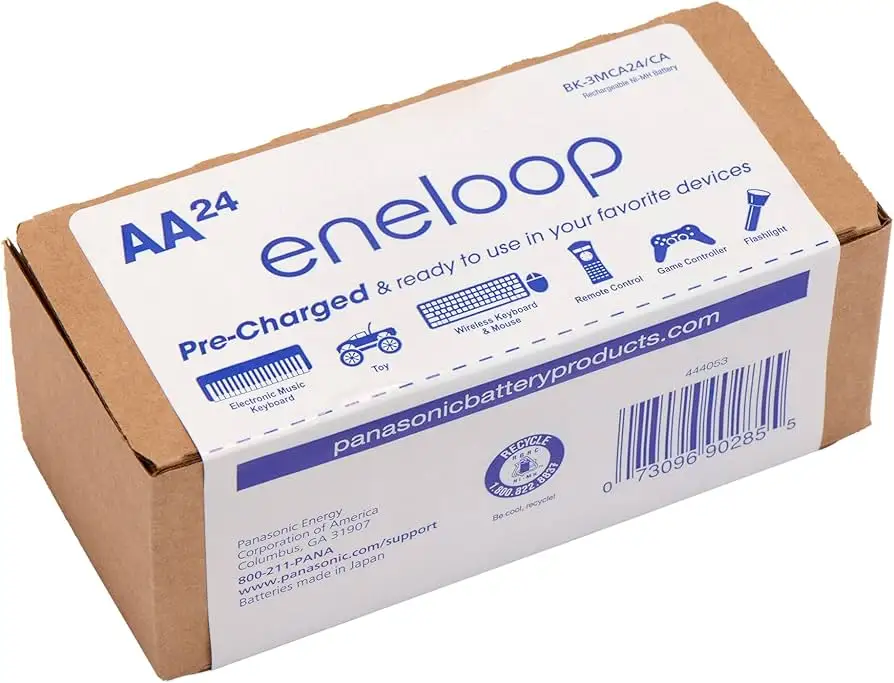
The most persistent frustration is lifespan relative to standard Eneloop cells. While the Pro’s capacity is ~28% higher, it sacrifices recharge cycles—officially up to 500 vs 2100 for whites. Reddit veterans note drop-offs in capacity after a few years, particularly with intensive devices: “From day 1 the black Pro’s did not seem to last as long… None of them accept a full charge any longer.” For light-use devices like wall clocks, the white Eneloops often outlast the Pros.
Price is another sticking point, with some advising purchase only during sales. Fakespot’s analysis found reviewers repeatedly mentioning cost: “Try to get them when on offer… not the cheapest, but you do tend to get what you pay for.”
Divisive Features
Voltage slightly below dry cells draws mixed reactions. For most devices, stable output outweighs the difference, but certain electronics calibrated for higher voltages might misread the state of charge. Panasonic warns against using Pros in devices with airtight compartments like waterproof flashlights—some buyers were caught off guard. While adventurers value cold-weather performance, ultralight travelers using low-drain equipment sometimes prefer standard Eneloops due to longer lifespan per cell.
Trust & Reliability
Trustpilot entries and cross-posted forum experiences reveal minimal concerns over review authenticity; Fakespot rated 77.5% of Amazon feedback reliable. Long-term durability is the key trust factor: while Pro cells often perform flawlessly for the first couple years, stories like “6 years in, my Sanyo Pros no longer charge fully” appear enough to temper purchase enthusiasm for longevity-focused users.
That said, Japanese manufacture and tight QC earn respect, with buyers believing they’re getting “the highest standards of Japanese craftsmanship.” For photographers or audio engineers where gear failure isn’t an option, reliability in the first several hundred cycles trumps eventual capacity decline.
Alternatives
The most natural comparison is standard white Eneloop AA, which trades ~28% capacity for quadruple the recharge lifespan. For low-drain gear—clocks, remotes, wireless mice—users consistently prefer white cells. Reddit photography communities also mention the Duracell Rechargeable 2500mAh as an alternative, but gripe about higher self-discharge rates. Alkalines may still serve occasional-use scenarios but cannot match the voltage stability under heavy load.
Price & Value
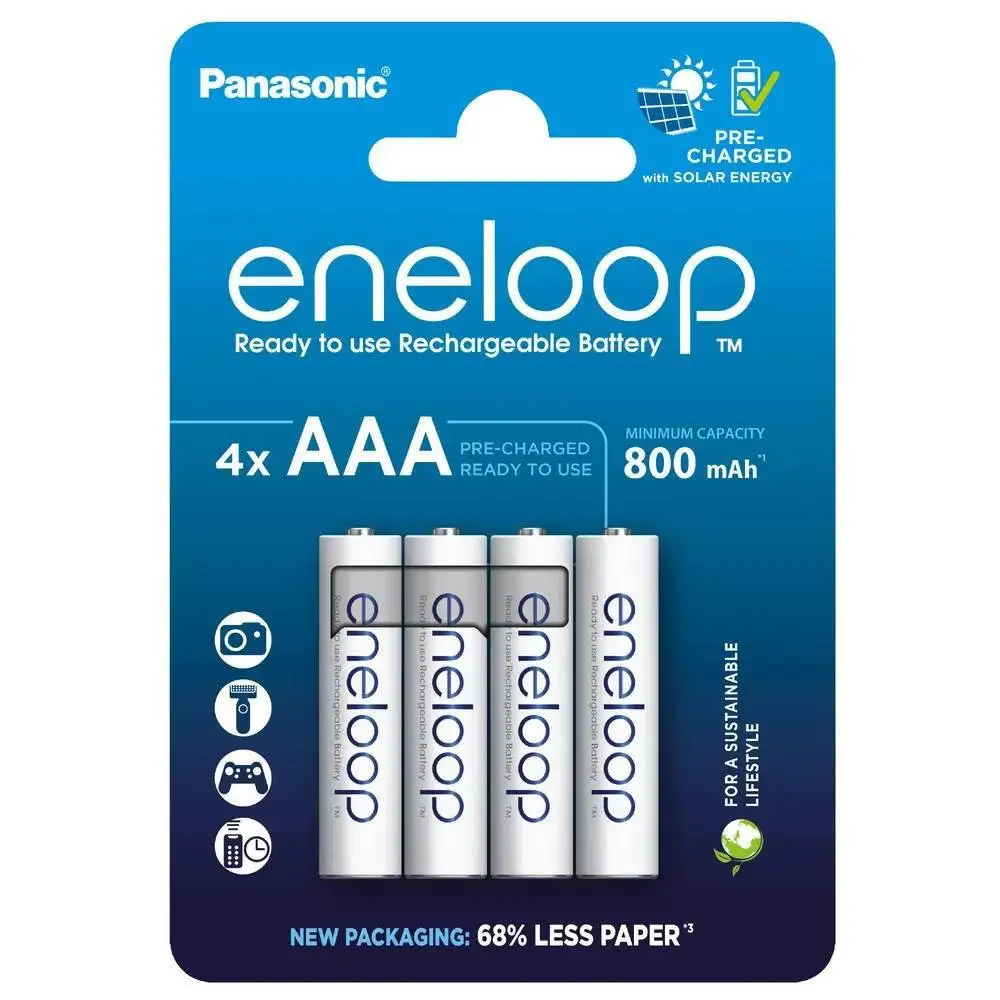
eBay listings show 4-packs hovering around $22–$29 USD, with larger bundles scaling up accordingly. In Australia, the 4-pack sells between AU$36 and AU$43. While resale isn’t common, bulk buy offers yield better per-cell cost. Community buying tips: watch for seasonal deals at camera and electronics stores; many prefer pairing purchase with a high-quality charger to maximize lifespan.
FAQ
Q: Are Panasonic Eneloop Pro better than standard Eneloops?
A: For high-drain devices, yes—the Pro offers ~28% higher capacity and faster recycle times. For low-drain gear, standard Eneloops last longer over more recharge cycles.
Q: Do they really hold 85% charge after one year?
A: In proper storage, yes—multiple verified buyers confirm long retention. Heavy use or extreme temperatures can shorten the retention period.
Q: How many recharge cycles can I expect?
A: Officially up to 500, but heavy-drain gear may reach noticeable capacity drop-offs earlier. Standard Eneloops reach up to 2100 cycles.
Q: Can I use them in waterproof flashlights?
A: No—Panasonic warns against devices with airtight battery compartments due to potential leaks or explosions.
Q: Are they precharged?
A: Yes—factory charged using solar power, ready to use immediately on purchase.
Final Verdict: Buy if you’re a photographer, gamer, or professional relying on uninterrupted high-drain performance. Avoid if your priority is multi-year cycle longevity for low-drain devices. Pro tip from community: pair with a quality smart charger and buy during sales to maximize your return.





