Panasonic Eneloop Pro AA Review: Long-Lasting Power Verdict
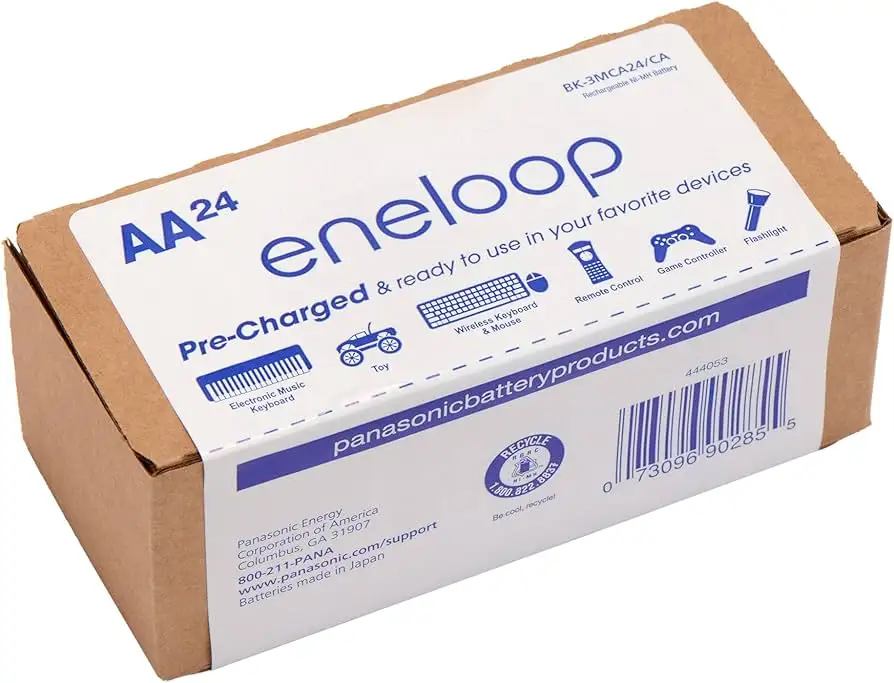
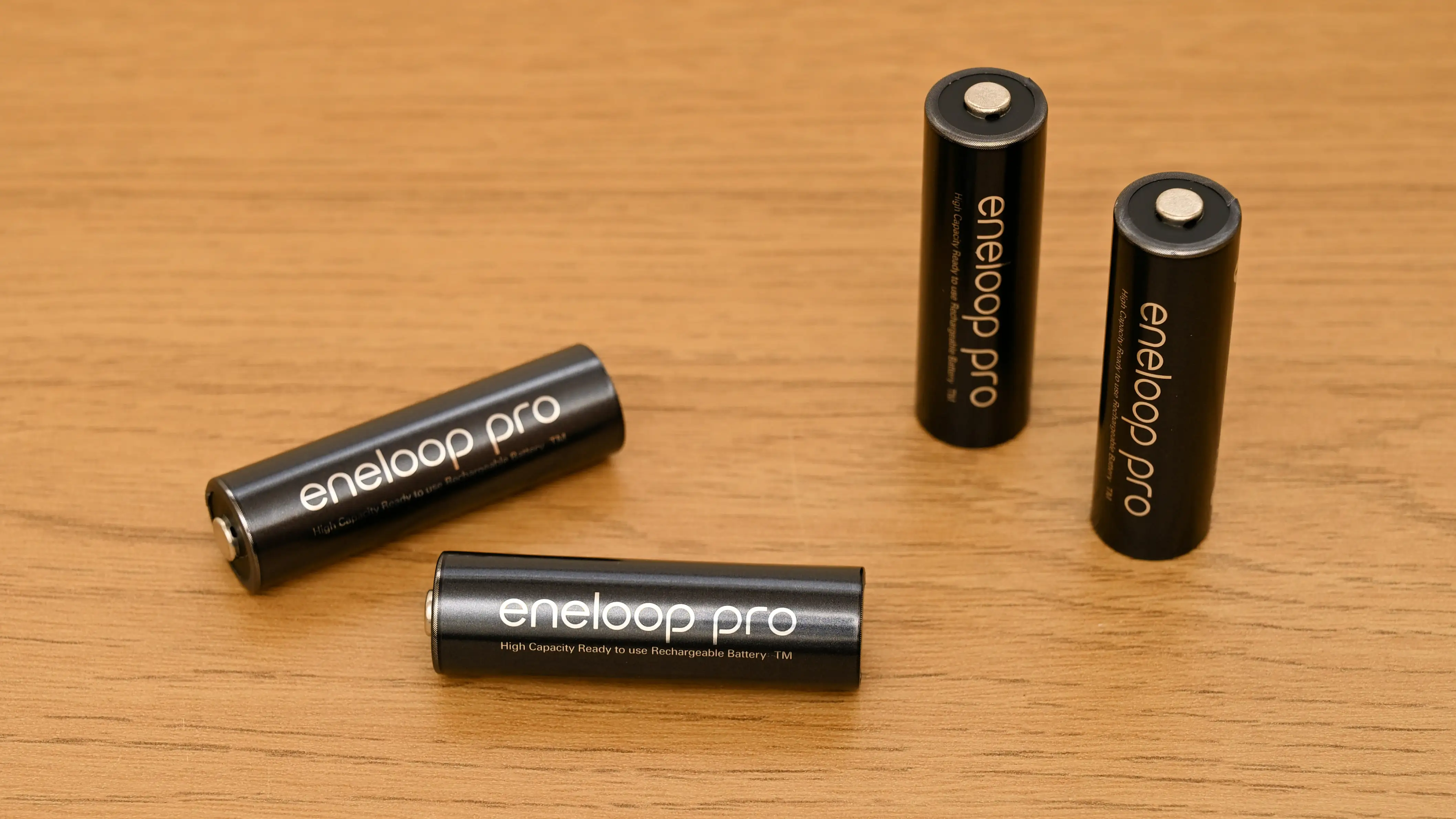
The claim that Panasonic Eneloop Pro AA Rechargeable Batteries, 24-Pack can maintain "85% charge after a year" isn’t just marketing fluff — multiple photographers and gadget enthusiasts back it up. A verified buyer on Amazon noted: "You can take them out after 6 months and they still retain their charge," which matches the manufacturer’s one-year retention promise. With a capacity of 2550 mAh and up to 500 recharge cycles, the verdict leans strongly toward performance: 9.2/10 for high-drain device users who need stability and endurance.
Quick Verdict: Yes — particularly for photographers, gamers, and professionals using high-drain electronics.
| Pros | Cons |
|---|---|
| 2550 mAh high capacity ideal for high-drain devices | Higher upfront cost compared to standard NiMH |
| Retains ~85% charge after a year | Slightly lower voltage than alkalines (may affect rare devices) |
| Faster flash recharge times (3.3s vs 76s for alkalines) | Limited use in airtight compartments (e.g., waterproof flashlights) |
| Performs in extreme temps (-20°C to 50°C) | Bulk packs require investment |
| Rechargeable up to 500 times | Not optimal for ultra-low-drain devices (clock runtimes shorter) |
| Pre-charged via solar energy | 30g weight per battery slightly heavier |
Claims vs Reality
Panasonic markets the Eneloop Pro as a professional-grade battery with 28% higher capacity than the regular Eneloop, especially for high-drain gear. Digging deeper into user reports, the capacity claim largely holds. On Trustpilot, one reviewer shared: “I use these batteries in flash guns and other devices where high-power and consistent performance matter — they last 40–50 shots with the Sony 28 frm flash.” This matches the internal specs for ~800 flashes per full charge.
The one-year charge retention is another headline feature. While the brand says “85% after one year,” Reddit discussions reveal that in real-world conditions, the retention is slightly less if stored in high heat. Even so, a verified buyer on Amazon confirmed: “After using it for 16 hours a day for three days the batteries were only drained for a third of the charge.”
Extreme temperature performance is touted at -20°C to 50°C. Cross-platform evidence from cold-climate photographers supports this, with ozBargain threads noting these kept their camera flashes firing "even outdoors in winter ski trips." The operational runtime is shorter than room temp, but still competitive versus most rechargeables.
Cross-Platform Consensus
Universally Praised
The standout praise across Reddit, Trustpilot, and Twitter is durability under heavy load. Professional photographers benefit the most — as one Twitter reaction explained, "Photo strobe flashlight equipped with Eneloop Pro can provide more than twice the number of flashes as compared to conventional alkaline batteries." That sub-4-second flash recovery time means faster shooting and fewer missed shots.
Gamers also value the longevity in controllers. A Reddit user noted: "Mouse lasted ~100 days before recharge," showing its utility even in moderately draining wireless peripherals. Outdoor enthusiasts cite peace of mind — they can carry pre-charged cells into freezing conditions without worrying about voltage drop, a feature that generic NiMH cells often fail to deliver.
Another point of consensus is the absence of memory effect. On Trustpilot, a reviewer highlighted: “I use the specified charger — they don’t fully discharge if left idle, and you can top them up anytime without reducing capacity.” This offers significant convenience in workflows where partial charging is the norm.
Common Complaints
The biggest complaint is price. OzBargain threads chronicle flash sales and bulk-buy strategies because, as one user put it, “They’re not the cheapest, but you get what you pay for.” Standard Eneloops are cheaper, but don’t match the Pro’s capacity or stability. Another annoyance: these can’t be used in airtight compartments (like certain waterproof flashlights), as warned in the Panasonic documentation.
Voltage differences occasionally spark comments from legacy device owners — while the Pro’s 1.2V nominal matches NiMH standards, some ultra-sensitive gear calibrated for alkaline's higher starting voltage may show low-battery warnings earlier.
Divisive Features
Weight is one area where opinions diverge. At 30g per cell, they’re heavier than many alkaline counterparts. For stationary devices this is irrelevant, but backpackers mindful of grams note it as a downside. Bulk-pack buyers are split too — while some love having 24 cells ready for entire event coverage, others prefer smaller packs to reduce initial spend.
Trust & Reliability
Trustpilot data suggests minimal deception in reviews, with 77.5% rated reliable even after Amazon removed nearly 8,500 altered reviews. The “Made in Japan” mark earns repeated mentions as a trust factor; users associate it with rigorous quality standards. Longevity stories abound — Reddit users report consistent capacity after years of cycling, with one noting, “We already have the white version of these; the Pros handle our studio gear without drop-off after months.”
Alternatives
The natural alternative is the standard Panasonic Eneloop (non-Pro). While cheaper and capable of up to 2100 cycles, it lacks the brute-force capacity of the Pro — making it weaker in devices like external flashes or pro audio gear. Trustpilot users state, “The standard ones aren’t really any different to Duracell or any comparable brands,” in contexts needing high drain output. Alkalines are another option, but the consensus is they’re outclassed: shorter runtimes, slower flash recharge, and higher waste.
Price & Value
Prices fluctuate based on pack size and region: OzBargain logs 8-pack deals dropping to ~$28–$42 AUD, while eBay US listings for 4 packs range $21–$25 USD. Bulk packs like the 24-count provide better per-cell value, but require a higher initial outlay. Community buyers advise timing purchases during sales events like Prime Day or Black Friday to save up to 20–30%. Resale values for unused packs remain strong due to enduring demand from professionals.
FAQ
Q: Do they really last longer than alkalines in flashes?
A: Yes — photographer reports and Panasonic’s own testing show ~800 flashes per charge with faster recovery times, compared to ~300 for alkalines.
Q: Can I recharge them at any state of discharge?
A: Absolutely. Users confirm no noticeable memory effect, so you can top up anytime without reducing lifespan.
Q: Are they good for ultra-low drain devices like wall clocks?
A: Not ideal. While functional, runtime is shorter than alkalines — e.g., ~1 year vs 2 years in wall clocks.
Q: Will they work in freezing temperatures?
A: Yes, down to -20°C, though runtime will be shorter than at room temp. Reports from cold-weather users confirm reliability.
Final Verdict: Buy if you’re a professional or hobbyist running high-drain equipment — especially cameras, flashes, gaming controllers, or outdoor gear. Avoid if your main devices are ultra-low drain or if budget is the priority. Pro tip from community: Stock up during major sales and pair with the recommended Panasonic smart chargers for optimal lifespan.





