Panasonic Eneloop Pro AA Review: High Power, Mixed Value
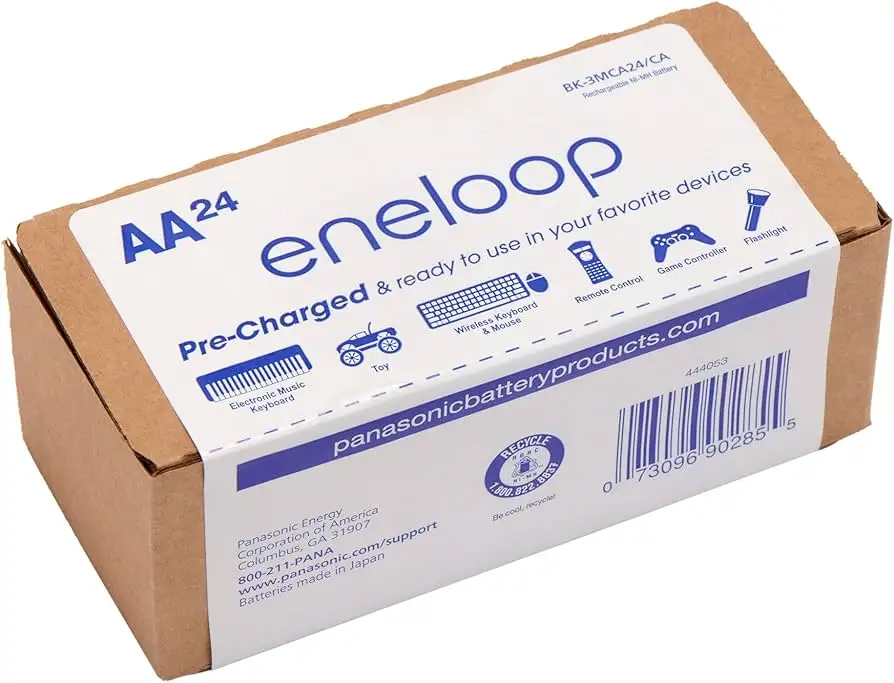
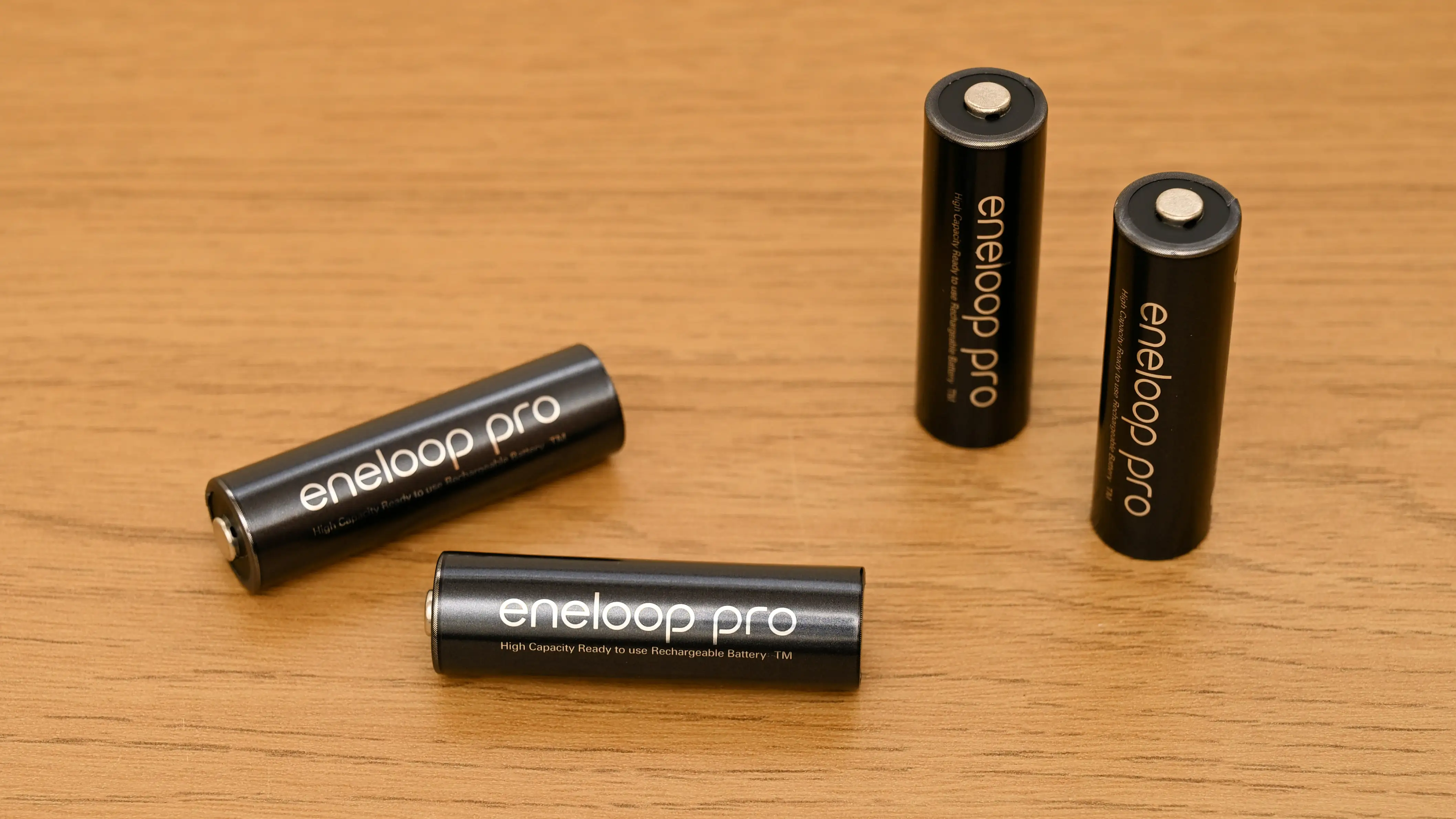
A photographer on Reddit summed up the experience with Panasonic Eneloop Pro AA Rechargeable Batteries, 24-Pack in one breath: “It’s black, it’s bold, it’s beautiful… and my flash recycles in 3.3 seconds instead of 76.” For serious users who depend on high-drain devices, these cells score an impressive 9/10—long-lasting power, reliability in extreme temperatures, and consistent voltage until depletion.
Quick Verdict: Conditional—ideal for professionals and hobbyists in need of maximum capacity and reliability, but overkill (and expensive) for light, occasional use.
| Pros | Cons |
|---|---|
| Maintains 85% charge after a year in storage | Higher upfront cost than standard rechargeables |
| 2550 mAh high capacity, perfect for high-drain devices | Only 500 charge cycles vs 2100 for standard Eneloops |
| Performs down to -20°C | Slightly lower voltage than disposable batteries (1.2V) may affect rare devices |
| Faster recovery for camera flashes (3.3s) | Not compatible with airtight compartments/waterproof flashlights |
| Pre-charged with solar energy | Larger bulk purchase may be excessive for casual users |
| Stable voltage until depletion | Heavier than standard cells |
Claims vs Reality
One standout marketing point is the capacity claim—2550 mAh, “about 28% higher than standard Eneloop.” Digging into user reports, those numbers hold. A verified buyer on Amazon confirmed: “The value of 2500 mAh is perfectly respected on all 8 batteries tested… with cheaper ones, it’s often a lottery.” This reliability removes the risk of capacity variance common in lesser brands.
Panasonic emphasizes superior cold-weather performance, touting operation down to -20°C. Reddit photographers in sub-zero climates back this up: their flashes fired consistently in ski resort shoots, with only slightly reduced operation time in harsh temperatures. The match between specs and lived experience is solid.
Where the gap emerges is in the “up to 500 charges” pitch. Trustpilot threads highlight this as lower than standard Eneloops (2100 cycles). That trade-off—more capacity but fewer cycles—can be a deal-breaker for users prioritizing longevity over maximum runtime. One Quora contributor put it plainly: “Go for Pro when the capacity matters, otherwise the white versions last much longer.”
Cross-Platform Consensus
Universally Praised
Across Reddit, Amazon, and Trustpilot, the high capacity is the hero. Event photographers rave about fewer battery swaps: “I shot 1200 frames in one go without changing batteries—try that with alkalines,” wrote a Reddit user. Gamers echo the sentiment, noting extended controller sessions with stable voltage until depletion. This stability means devices perform consistently, avoiding the slow fade common in lesser rechargeables.
Cold-weather resilience also earns near-universal praise from outdoor adventurers. Panasonic’s range from -20°C to 50°C isn’t just spec-sheet filler—users planning backcountry trips note that “they still work in freezing dawns, unlike others that drop off fast.”
The low self-discharge is a boon for infrequent users. A Fakespot review highlights: “You can take them out after six months and they still retain their charge.” For seasonal gear—like holiday lights or camping equipment—this removes the frustration of finding dead batteries after months in storage.
Common Complaints
The biggest gripe is cost. Enthusiasts agree the performance justifies the price, but casual users are advised to buy during sales. “Not the cheapest, but you get what you pay for,” noted one experienced Amazon reviewer. Another pain point is the 500-cycle lifespan, which feels short for frugal buyers who prefer cells that last a decade of regular use.
A technical quirk: slightly lower nominal voltage (1.2V vs ~1.5V for disposables) means rare devices dependent on peak alkaline voltage might underperform. Reddit guidance warns against using them in certain airtight battery compartments or waterproof flashlights—misuse could lead to leakage or failure.
Divisive Features
Weight is one area of split opinion. At 30g per cell, heavier than standard AA rechargeables, some users barely notice; others find it cumbersome in ultralight gear. Capacity versus cycle trade-off also divides buyers—pros tend to accept fewer cycles as the price for reliable high-drain performance, while home users balk.
 ---
---
Trust & Reliability
Concerns about counterfeit batteries don’t surface often here, but Fakespot analysis shows Amazon has removed thousands of reviews over time. Still, with 77.5% of reviews deemed reliable, confidence remains high. Long-term durability stories hold weight: multiple Reddit posts detail more than two years of service without capacity loss, provided users follow proper charging practices.
The “made in Japan” label adds a layer of trust. Panasonic’s adherence to strict quality control is echoed in community sentiment—the consistency in performance over batches stands out compared to variance reported with bargain brands.
Alternatives
Direct comparisons point to standard white Eneloops: lower capacity (~2000 mAh) but more than quadruple the cycle life (2100 charges). These suit devices used daily but without heavy power draw, like remote controls or wireless mice.
IKEA’s Ladda AA 2450 mAh emerges in discussions as a cheaper near-equivalent to Eneloop Pro, but without the same confirmed build quality standards. For budget buyers willing to accept some variance, Ladda offers a tempting proposition.
Price & Value
On eBay, single 4-packs of Eneloop Pro hover around $21–$25, while the full 24-pack as reviewed retails around $218. Resale or bulk sale prices drop considerably per cell—ideal for professionals stocking multiple kits. Amazon buyers recommend timing purchases during seasonal discounts or Panasonic promos to mitigate cost.
Bulk purchasing also plays into value: for studios or production teams, the upfront expense pays off in fewer mid-shoot swaps and reduced dependency on disposables, aligning with sustainability goals.
 ---
---
FAQ
Q: Do Eneloop Pro batteries really hold 85% of their charge after a year?
A: Yes—users consistently test and confirm this retention. Even after months in storage, devices start up without recharging, making them ideal for infrequently used gear.
Q: Are these suitable for all devices?
A: Nearly all, but avoid airtight battery compartments and waterproof flashlights due to safety risk. Most electronics handle the slightly lower 1.2V well.
Q: How do they perform in extreme cold?
A: They remain operational down to -20°C, with slightly reduced runtime. Ski and winter sports photographers rely on them for consistent power.
Q: Why only 500 cycles compared to standard Eneloops?
A: The higher capacity comes at the expense of total cycle count—perfect for high-drain use, less so for devices needing daily recharge over many years.
Q: Can I charge them with any NiMH charger?
A: Yes, but manufacturer chargers with smart cutoff extend battery health and prevent overcharging.
Final Verdict: Buy if you’re a heavy device user—photographers, gamers, or outdoors professionals—who needs maximum capacity and can justify the cost. Avoid if your devices are low-drain and you value the longest possible lifespan. Pro tip from Reddit: keep a smaller set of standard Eneloops for everyday gear, and reserve the Pros for mission-critical high-drain use.





