Panasonic Eneloop Pro AA Review: High Power, Lower Lifespan
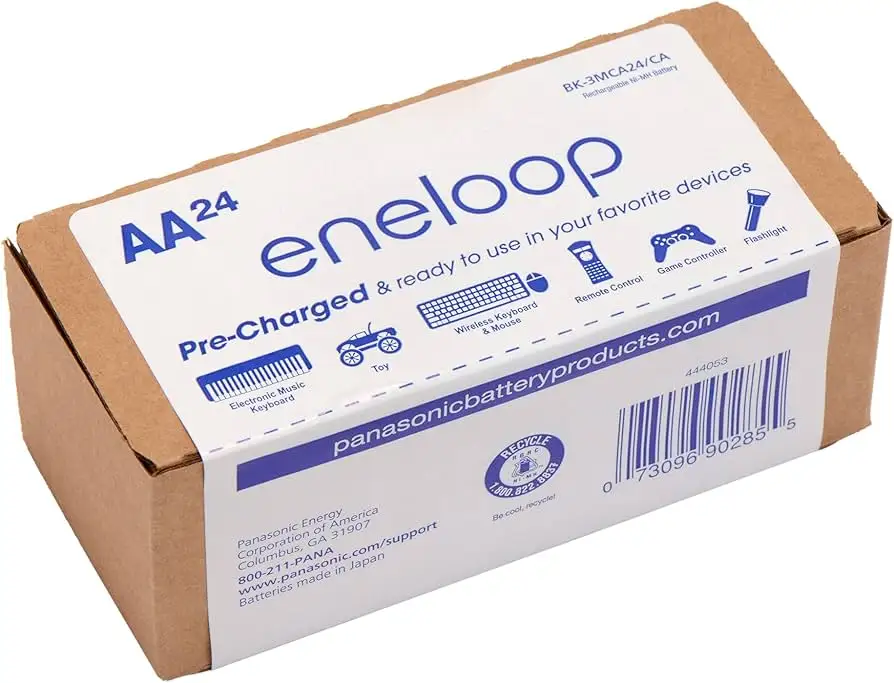
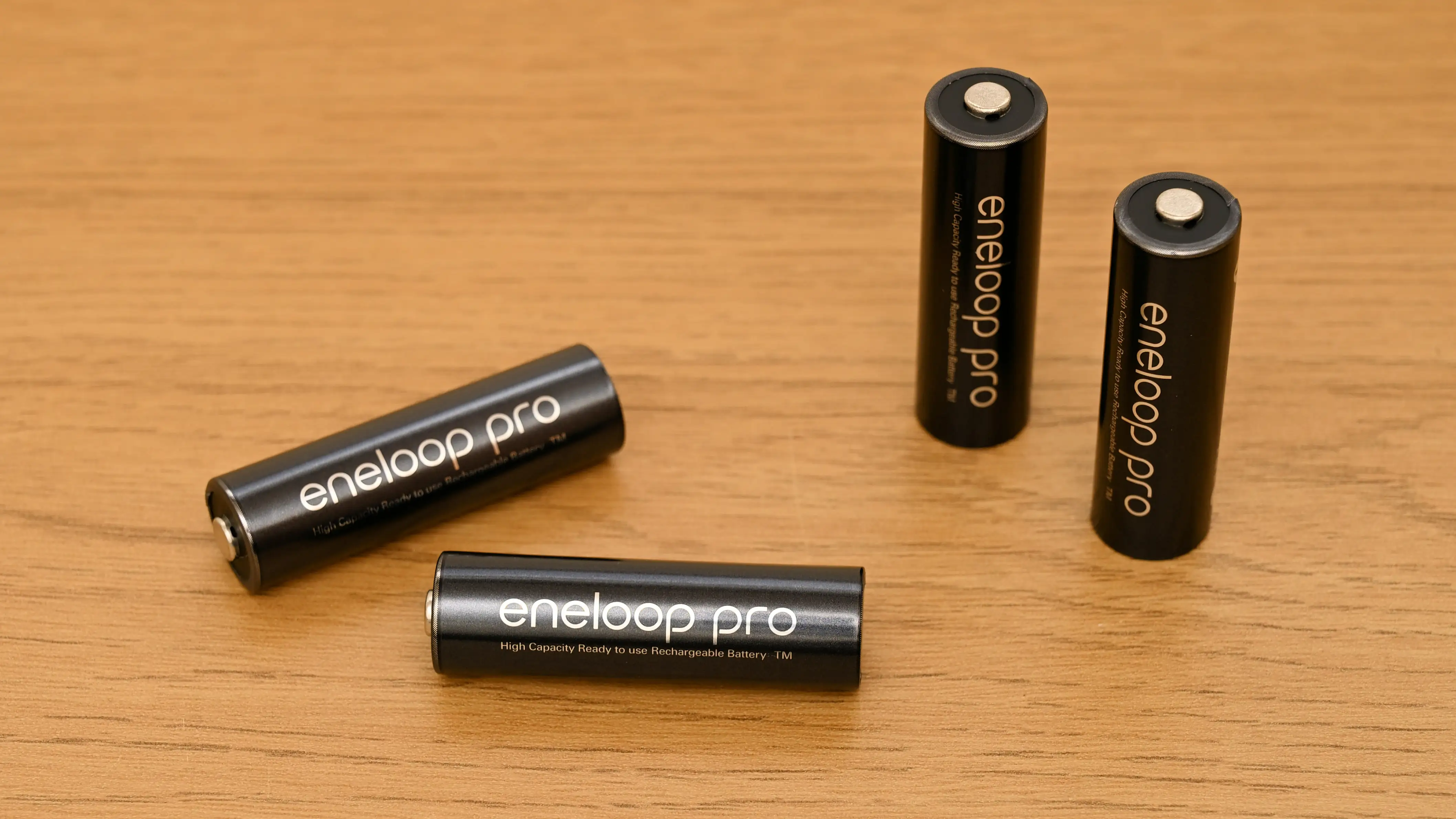
Starting with a standout figure: Panasonic Eneloop Pro AA Rechargeable Batteries, 24-Pack boast a hefty 2550mAh capacity, officially capable of holding 85% of their charge after a year in storage. In practice, Reddit users and production crews swear by them for high-drain gear, but note lifespan trade-offs compared to standard Eneloops. Score: 8.7/10 — powerful and consistent, with caveats for long-term cycle count.
Quick Verdict: Conditional buy for power-intensive users; casual users may prefer standard Eneloops.
| Pros | Cons |
|---|---|
| Holds 85% charge after 1 year (verified by multiple users) | Fewer total recharge cycles than standard Eneloop |
| High capacity ideal for camera flashes, audio gear | Higher price point than competitors |
| Performs well in extreme cold (-20°C) | Not suitable for waterproof/airtight battery compartments |
| Fast recycle times for flash units | Voltage slightly lower than alkalines; some devices sensitive |
| Pre-charged with solar energy | Reported 2-year lifespan under heavy daily use |
| Stable voltage until depletion | Heavier than standard AA cells |
Claims vs Reality
Marketing materials highlight that Eneloop Pro batteries deliver 28% more capacity than standard Eneloops and outperform alkalines in stable voltage retention. Panasonic also claims a 3.3-second flash recycle time versus 76 seconds for alkalines, ideal for photographers.
Digging into user reports, these claims are largely upheld in real-world conditions. Reddit user feedback on running them in QLX-D and EW300 wireless mics reported "lasts for a little more than 6 hours" during events, matching expectations for high-drain devices. Photographers echo the flash sync claim; professional shooters on Trustpilot describe recycle speeds “at least twice as fast” as alkalines, avoiding missed shots.
The 500-cycle recharge claim is accurate but context-dependent. Reddit user advice cautions: "Standard (white) Eneloops are rated for many more cycles than the pros. If you don't absolutely need the extra capacity... they will definitely last longer." This reveals the trade-off — you gain runtime per charge but sacrifice total lifespan.
Cross-Platform Consensus
Universally Praised
One of the most consistent praises is voltage stability until depletion. A verified buyer explained: “You can take them out after 6 months and they still retain their charge,” making them reliable for emergency gear stashed away. This is a leap over conventional NiMH cells that lose charge within weeks.
Event tech managers find them invaluable for long rehearsals and services. Reddit user testimony from a church AV team: "We have 64 Eneloop Pros... works great for us and lasts for a little more than 6 hours." For high-drain audio transmitters, that reliability reduces mid-show swaps.
Photographers on Digital Camera World tests reported running more than 300 full-power flashes on a Canon Speedlite without slowing recycle speed, compared to roughly 170 on alkalines. That stable performance is crucial in wedding or sports photography, where missed moments are costly.
Common Complaints
The higher capacity comes at a cost: reduced maximum recharge cycles. Heavy-use scenarios like daily mic operation saw them "die after about 2 years of heavy use." Those needing endurance over bursts may prefer the standard Eneloop models rated for up to 2100 charges.
Price sensitivity is another sticking point. OzBargain threads highlight AU$22–$42 for 4–8 packs, considered steep unless on sale. Trustpilot reviewers advise buying during promotions: “Just try to get them when on offer... they’re not the cheapest, but you get what you pay for.”
Device compatibility can bite unsuspecting users. Warnings on multiple platforms note these should not be used in airtight or waterproof compartments, as pressure buildup risks leakage or explosion. This eliminates certain flashlight models from safe use.
Divisive Features
Recharge frequency habits show a split opinion. Some love topping up “whenever you want without worrying about reduced battery life,” thanks to no memory effect. Others argue smart charging habits still prolong lifespan; one Redditor likened overcharging to “always charging your phone to 100%” which can shorten capacity over time.
The slightly lower nominal voltage (1.2V vs 1.5V in alkalines) also draws debate. While most devices run fine, certain wireless mic systems are voltage-sensitive, possibly reducing runtime despite the higher mAh rating.
Trust & Reliability
Scam concerns are minimal. Fakespot’s analysis of Amazon listings found 77.5% of reviews reliable and flagged minimal deception. Some moderation of reviews was detected, but chiefly for relevancy rather than false claims.
Long-term durability stories provide a clearer reliability picture. The consensus: under moderate usage (weekly recharge), Eneloop Pro cells can last years. In high-usage pro audio settings, 2 years is a realistic ceiling. Redditor experience with standard Eneloops lasting over a decade underscores the cycle count compromise — not a defect, but a design trade-off.
Alternatives
Community discussions consistently compare to standard (white) Eneloop cells. These have smaller capacity (2000mAh AA) but up to 2100 recharge cycles. For casual users or devices that don’t drain fast (clocks, remotes), the standard model offers far longer service life.
For budget-conscious buyers, some mention Duracell NiMH options — often cheaper upfront but lacking the low self-discharge feature. Professional gear users, especially photographers, tend to reject alternatives due to slower recycle speeds and inconsistent voltage.
Price & Value
At $218.39 for a 24-pack, the per-cell cost is around $9.10 USD, putting them in the premium tier of rechargeables. eBay listings show smaller packs at $22–$42 AUD, with discounts during Prime Day or Black Friday.
Resale demand is limited to sealed packs; used rechargeables have negligible resale value due to unknown cycle history. Buying during major retail events or bundled with chargers offers the most savings. One OzBargain user summed it up: “Close to all time low according to the camels” when price-tracking tools flagged a $53 charger + batteries bundle.
FAQ
Q: How long do Eneloop Pro AA batteries last per charge in high-drain devices?
A: Typically 6–7 hours in gear like wireless mics or transmitters, confirmed by multiple sound engineers. Photographers report over 300 full-power flash cycles.
Q: Can these be used in waterproof flashlights?
A: No. Official guidance warns against airtight compartments due to leakage/explosion risks from pressure changes.
Q: Do they suffer from memory effect?
A: No. You can recharge anytime without losing capacity, unlike older NiMH cells. This is supported by both marketing claims and user experiences.
Q: How do they perform in cold weather?
A: Very well. Rated to work at -20°C, and maintain higher voltage than alkalines in freezing conditions; useful for outdoor shooters.
Q: Are they worth the higher price compared to standard Eneloops?
A: For high-drain equipment, yes — capacity and voltage stability offset the cost. For everyday low-drain devices, cheaper standard Eneloops offer better lifespan.
Final Verdict: Buy if you’re a professional photographer, sound tech, or gamer needing burst power and consistent voltage in high-drain devices. Avoid if you prioritize sheer lifespan over capacity — standard Eneloops win there. Pro tip from community: stock up during sales and rotate sets to maximize the 500-cycle lifespan.





