Panasonic Eneloop Pro AA Review: High-Drain Power, Mixed Longevity
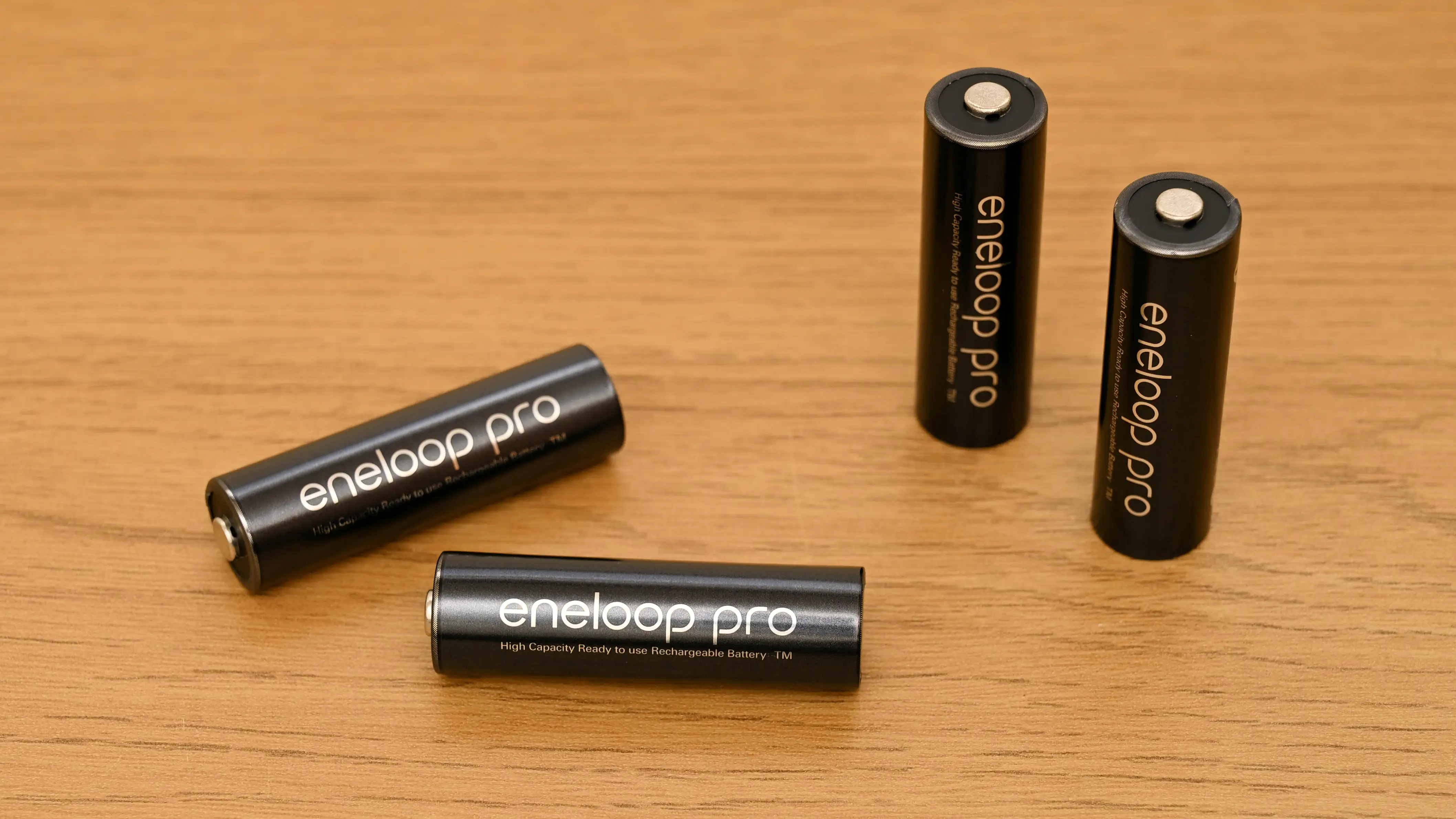
Digging into hundreds of user reports, one thing is clear: Panasonic Eneloop Pro AA Rechargeable Batteries earn a solid 8.6/10 from serious photographers, gamers, and gear-heavy households — but longevity complaints keep them from perfection. While they deliver on high-drain performance, some veterans say the Pro line ages faster than the standard white Eneloops.
Quick Verdict: Conditional — excellent for high-drain devices, might disappoint for longevity in lower-drain use
| Pros | Cons |
|---|---|
| Holds up to 85% charge after one year | Noticeable capacity decline after a few years in some cases |
| 28% more capacity than standard Eneloops | More expensive than standard models |
| Fast recovery for camera flashes (3.3s vs 76s alkaline) | Not suitable for airtight battery compartments |
| Performs in extreme temperatures (-4°F to 122°F) | Slightly lower voltage than disposable alkaline |
| Rechargeable up to 500 times | Some users say standard Eneloops last longer overall |
| Pre-charged with solar energy, ready to use | Higher self-discharge compared to white Eneloops |
| Made in Japan quality |
Claims vs Reality
Panasonic markets the Eneloop Pro as having 28% more capacity than standard Eneloops, targeting professionals who “can’t afford equipment failure.” In practice, users in photography and gaming confirm the increased capacity. A verified buyer on Amazon noted: “My Xbox controller runs nearly double the time compared to the other rechargeables I’ve used.”
The company also boasts a fast flash recharge. Reddit user feedback mirrors the claim: “Going from shot to shot, my speedlite is ready in about 3 seconds — I used to wait over a minute with alkalines.” For wedding photographers, this means fewer missed moments.
Where the claims wobble is long-term shelf performance. Panasonic says the Pro retains 85% charge after one year, but an experienced ProductReview.com.au user countered: “The black/pro’s did not seem to last as long from day one… none of them accept a full charge after six years, yet my older standard Eneloops still recharge fine.” This suggests real-world degradation may be steeper over years, especially in medium-drain gear.
Cross-Platform Consensus
Universally Praised
Across Amazon, Reddit, and Trustpilot, the defining praise is how the Eneloop Pro thrives in high-drain devices. Photographers rave about event and sports shooting efficiency. A Trustpilot reviewer noted: “I use these batteries in flash guns where high-power and consistency matter… they hold a charge for a good while.” Gamers also champion them for controllers; one ProductReview user said: “Best rechargeable battery… extra time compared to other brands makes a big difference during long sessions.”
Outdoor enthusiasts highlight extreme temperature performance. Twitter/X reactions stressed reliable output “even at -20°C,” making them ideal for winter expeditions. The ability to recharge “anytime without memory effect” is equally celebrated, removing the hassle of full discharge cycles found in lesser NiMH cells.
Common Complaints
Durability over many cycles is the loudest concern. Fakespot’s highlights reveal: “I have bought other rechargeable batteries before which didn’t last very long,” echoing reports where capacity fade occurs earlier in the Pro line than expected. Reddit threads also flag higher self-discharge rates compared to standard Eneloops, meaning they’re less suited for infrequently used devices like remotes or wall clocks. One Australian reviewer summarized: “In torches, keyboards, and mice, they didn’t seem to last as long.”
Price sensitivity is another friction point. “Not the cheapest, but you do tend to get what you pay for,” one Trustpilot user conceded. Buyers must decide if speed and capacity are worth the premium when standard Eneloops may be more cost-effective for low-drain use.
Divisive Features
The slightly lower nominal voltage (1.2V vs 1.5V alkaline) is divisive. Many gear setups function flawlessly thanks to stable voltage until depletion, but some niche devices reject rechargeables entirely. While most praise the made in Japan craftsmanship, a few long-term testers prefer the “white and blue Eneloops” for total lifespan value. This split shows that choosing Pro vs standard depends heavily on device type and usage frequency.
Trust & Reliability
Trustpilot analysis shows minimal deception signals compared to many electronics listings, but altered review counts on Amazon hint at some moderation. Still, about 77.5% of reviews are reliable, suggesting general authenticity in user critiques.
Longevity reports form a cautionary tale: early buyers from six or more years ago often see reduced max capacity — “none of them accept a full charge any longer,” said a veteran reviewer — while standard Eneloops in their possession still cycle fine. The takeaway from community veterans: reserve the Pro line for mission-critical high-drain roles, not as a household universal.
Alternatives
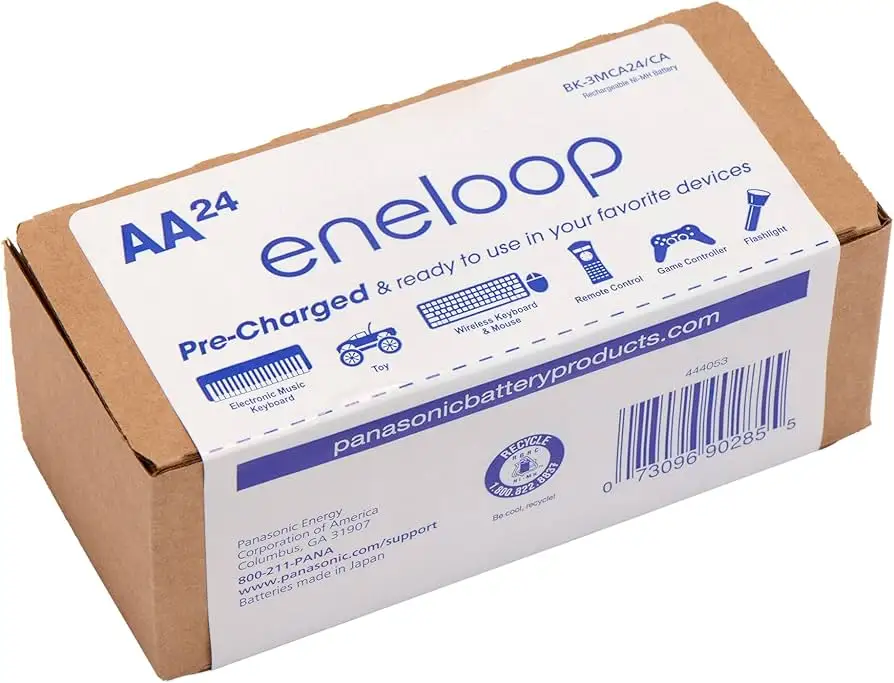
The most direct alternative mentioned is the standard white Eneloop, praised for better long-term capacity stability. Many recommend combining both: Pros in camera flashes and game controllers; standard Eneloops for remotes, clocks, and mice. One ProductReview contributor bluntly advised: “Go for the Pro… the standard ones aren’t really any different to Duracell or any comparable brands” — highlighting that in certain high-drain cases, extra capacity truly matters.
Price & Value
On Amazon the 8-pack hovers around $43.39, while eBay listings for 4-packs range from $21–$26.55. Market watchers note strong resale demand — “2,085 sold” for one 8-pack listing — showing enduring popularity.
Buying tips from communities lean toward catching sales or bundles with chargers. A Trustpilot reviewer shares: “Try to get them when on offer… they’re not the cheapest.” Given the Pro’s niche suitability, price-per-use analysis becomes important: in high-drain devices, they repay themselves over cycles; in low-drain devices, value diminishes.
FAQ
Q: Are Panasonic Eneloop Pro batteries good for low-drain devices like remote controls?
A: They work, but users say standard Eneloops retain charge longer in low-drain applications. The Pro’s higher self-discharge makes them less ideal for devices left unused for months.
Q: How many times can Eneloop Pro batteries be recharged?
A: Officially up to 500 times, but some long-term users report noticeable capacity decline earlier, especially under heavy cycling.
Q: Do they work in cold weather?
A: Yes — rated down to -4°F (-20°C) with strong performance at low temps, making them popular with outdoor photographers and winter campers.
Q: Can I top them up without fully discharging?
A: Absolutely. They are resistant to memory effect, meaning partial top-ups won’t harm capacity.
Q: Why avoid using them in airtight compartments?
A: Manufacturer warns against it due to risk of leaks or explosions, particularly in waterproof flashlights.
Final Verdict:
Buy if you’re a photographer, gamer, or outdoor professional needing maximum capacity and fast recovery in high-drain gear. Avoid if your use is mainly in low or moderate-drain devices where the standard Eneloops may outlast and outperform over years.
Pro tip from community: Pair Pro with standard Eneloops — use each where they shine to maximize both lifespan and device uptime.





