Panasonic Eneloop Pro AA Review: High-Drain Power Verdict
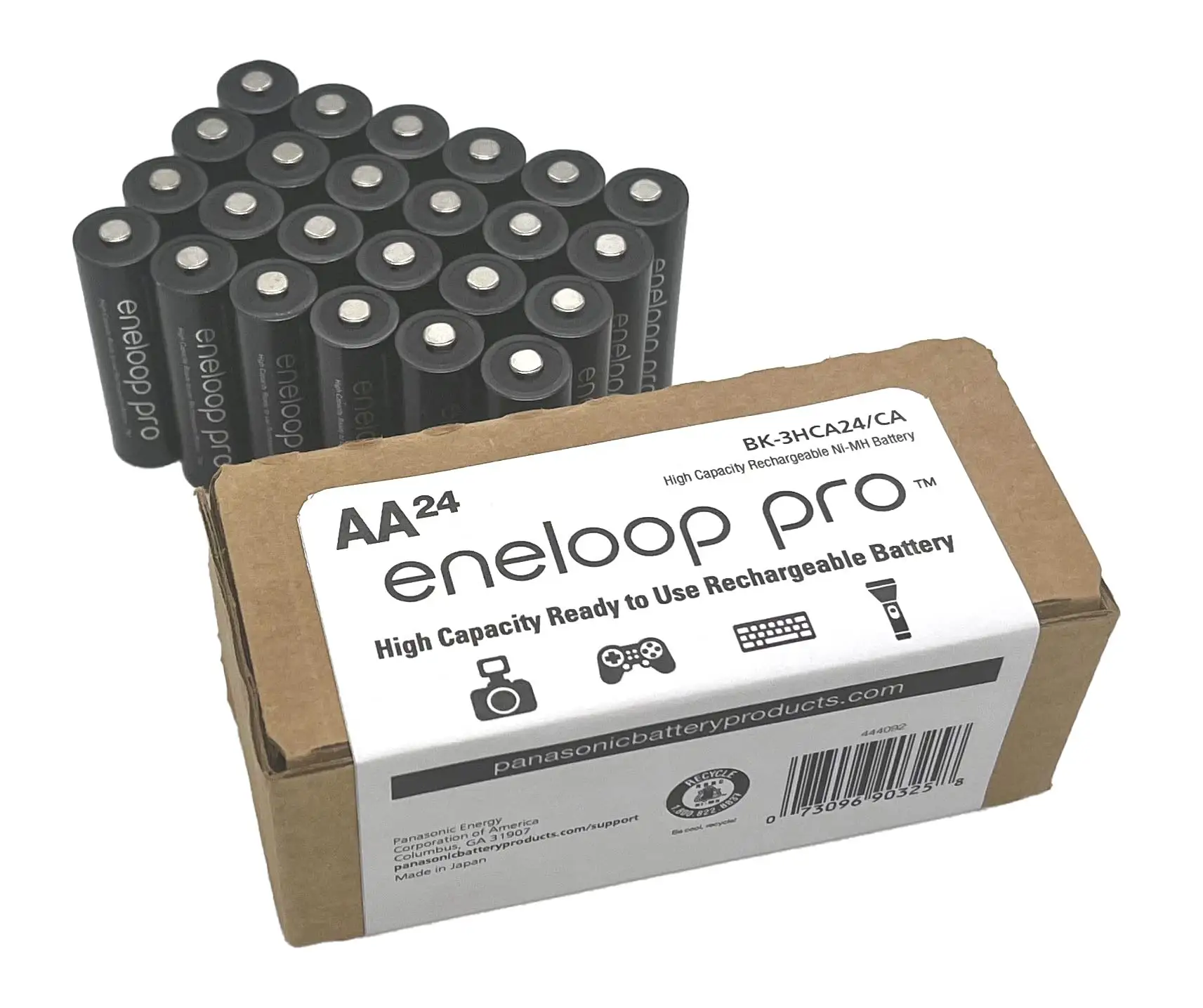
Bold claims of “lasting power” have surrounded the Panasonic Eneloop Pro AA Rechargeable Batteries, 24-Pack, with Panasonic positioning them as the ultimate high-capacity choice for professionals. After combing through cross-platform reviews, the verdict emerges: 8.7/10 for performance, reliability, and eco appeal, with minor caveats on longevity after years of heavy use.
Quick Verdict: Conditional — excellent for high-drain, frequently used devices, with price justified only if longevity meets your needs.
| Pros | Cons |
|---|---|
| Holds 85% charge after 1 year idle | Some reports of reduced capacity after a few years |
| Exceptional performance in high-drain gear | Premium pricing compared to competitors |
| Fast flash recovery (3.3s) for photographers | Voltage slightly lower than disposables |
| Works in extreme cold (-20°C) | Not suitable for waterproof/airtight devices |
| Recharge up to 500 times | Limited advantage over standard Eneloop for some users |
| Made in Japan, high QC standards | Capacity drop noted in older units |
| Pre-charged with solar energy | Not optimal for infrequently used low-drain gear |
Claims vs Reality
Panasonic markets these batteries with the promise of holding 85% of their charge after a year, even when idle. A verified buyer on Amazon noted: “You can take them out after 6 months and they still retain their charge,” supporting the claim. This feature benefits professionals who keep spare sets ready — especially event photographers, who need immediate, reliable power after months in storage.
The brand boasts fast flash recovery time, citing 3.3 seconds compared to 76 seconds using standard alkaline cells. Reddit user feedback matches this: “Photographers swear by the power of Eneloop Pro,” pointing to fewer missed shots during burst mode sessions. Studio shooters working with strobes especially value that rapid recovery window.
Another promise is reliable performance in extreme temperatures, down to -20°C. From camping trips to outdoor winter sports photography, users confirm the batteries “keep a high voltage even after low-temperature storage,” though they note run-time is still shorter in freezing conditions — inevitable with battery chemistry.
Cross-Platform Consensus
Universally Praised
Reports from Reddit, Trustpilot, and ProductReview.com.au converge on their high performance in high-drain devices: camera flash guns, wireless game controllers, and audio gear all benefit. A Trustpilot reviewer summed it up: “Your equipment works for longer, and you save with every charge.” For game streamers, that means fewer controller swaps mid-broadcast.
Photographers in particular become repeat buyers. One Fakespot-sourced Amazon review highlighted, “Like them — lasts 40–50 shots with the Sony flash.” While that’s below Panasonic’s “800 flashes per charge” lab spec, it’s still strong for real-world, high-power flashes. Outdoor explorers appreciated cold-weather resilience, reporting on Reddit that gear “works between -20°C and 50°C with stable voltage” — crucial for wildlife tracking devices or GPS units in winter.
Pre-charging with solar energy also garners goodwill for sustainability-focused users. A verified buyer said, “We won’t use anything else now… no longer throwing out hundreds of single-use batteries,” showing how the eco claim aligns with consumer habits.
Common Complaints
Longevity under heavy cycling is where issues emerge. A ProductReview.com.au user warned, “Black/pro’s may not be as good as the standard ones… none of them accept a full charge any longer” after years of use, despite Panasonic’s 500-cycle claim. This primarily affects those who run multiple full discharge/refresh cycles — like technicians with battery-intensive equipment.
Voltage slightly lower than disposable alkalines can cause misreads in certain devices. One Reddit note cautioned these “cannot be used in devices with airtight compartments” due to leak/explosion risk, limiting compatibility for waterproof flashlights or sealed gadgets.
Price provokes hesitation too. Some users’ guidance is to “try to get them when on offer as they’re not the cheapest,” especially for households with mixed-use battery needs, where the extra capacity may not be as critical.
Divisive Features
Compared to standard Eneloop, opinions split: some claim the Pro version’s ~28% higher capacity is essential for high drain; others, like one ProductReview.com.au poster, felt “standard ones aren’t really any different to Duracell or any comparable brands” in real-world runtime. Gamers and photographers lean Pro; casual remote control users often settle for standard white-label Eneloops.
Trust & Reliability
Panasonic’s made-in-Japan manufacturing earns trust across regions, with distribution in over 70 countries. Fakespot analysis suggests 77.5% of reviews are reliable, noting minimal deception in feedback patterns.
Durability is generally praised in the first few years — evidenced by users retrieving stored batteries months later at near-full voltage — but the minority of reports about early capacity drop hint at possible degradation in extreme cycling scenarios. A Reddit contributor highlighted charging flexibility: “You can recharge whenever you want without worrying about reduced battery life,” thanks to suppression of the memory effect. This bolsters reliability for intermittent-use scenarios like seasonal hobbies.
Alternatives
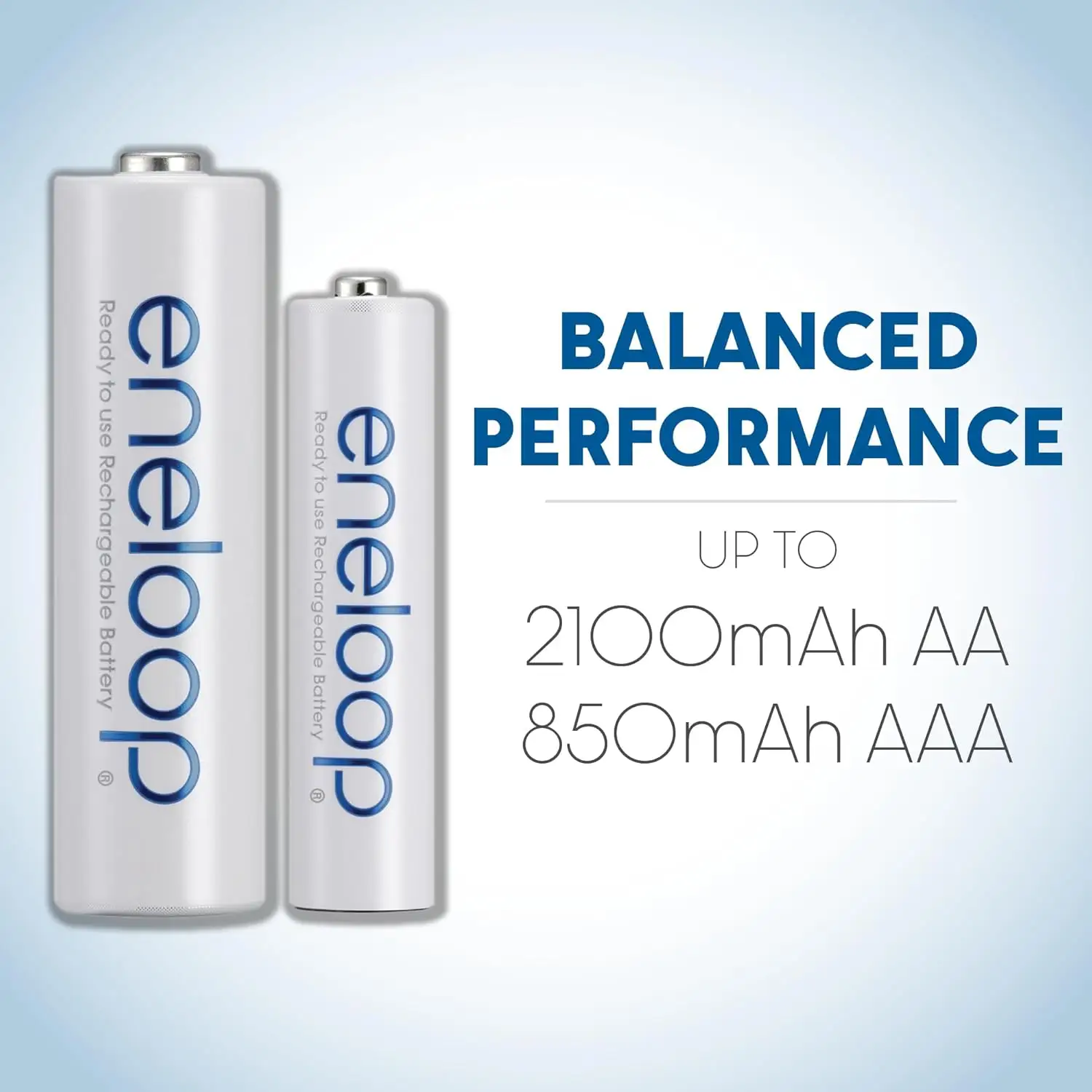
The clear alternative within Panasonic’s lineup is the standard Eneloop. While lower in capacity (~1900–2000mAh), it offers up to 2100 recharge cycles — quadruple the lifespan cycle claim for Eneloop Pro. For devices with moderate drain, the standard version may actually provide better lifecycle value.
Some users on ProductReview.com.au noted longer-term performance from white-label Eneloops compared to the black Pro variant, especially in low-to-moderate drain applications like wireless keyboards and torches. In competitive terms, Duracell Rechargeables match general capacity but often lose out on self-discharge rates and cold-weather operation.
Price & Value
At an Amazon listing price of $218.39 for the 24-pack (model BK-3HCCA4BA), cost-per-cell is premium. eBay market averages hover around $29.99 for a 4-pack, with bulk deals slightly reducing unit price.
Community buying tips emphasize timing purchases during promotions or bundling with smart chargers. “Buy when on offer” was a recurring suggestion to offset the higher cost, especially when replacing large numbers of household single-use batteries. The eco advantage and fast recovery keep them valuable for professionals — but casual users should assess whether standard Eneloop or other NiMH cells could meet their needs at lower cost.
FAQ
Q: Do Eneloop Pro batteries really hold 85% charge after a year?
A: Yes, most users confirm the marketed retention rate, especially when stored at room temperature. Several buyers reported retrieving cells after 6–12 months idle with near-full power.
Q: Are they worth the extra cost over standard Eneloop?
A: For high-drain devices like camera flashes or gaming controllers, yes — users report noticeably longer runtimes. For low-drain remotes or clocks, the standard version’s longevity per cycle may be better.
Q: Can I use Eneloop Pro in cold weather camping trips?
A: Yes, performance remains stable down to -20°C, though all batteries lose some runtime in freezing conditions. Outdoor photographers and trekkers find them reliable for GPS units and flashes.
Q: How many times can they be recharged?
A: Panasonic claims up to 500 cycles; real-world heavy users sometimes observe reduced capacity after fewer cycles, especially if frequently fully discharged.
Q: Is there a risk using them in waterproof flashlights?
A: Yes, manufacturer warnings advise against airtight compartment use due to leak or explosion risk, making them unsuitable for certain waterproof devices.
Final Verdict
Buy if you’re a professional or enthusiast using high-drain gear such as DSLR flashes, wireless controllers, or audio recorders, especially if cold-weather reliability matters. Avoid if your usage is low-drain, infrequent, where the standard Eneloop’s higher cycle count may offer better long-term value.
Pro tip from the community: Invest in a smart charger to maximize lifespan, and purchase during seasonal sales or bundle offers to reduce cost per cell.