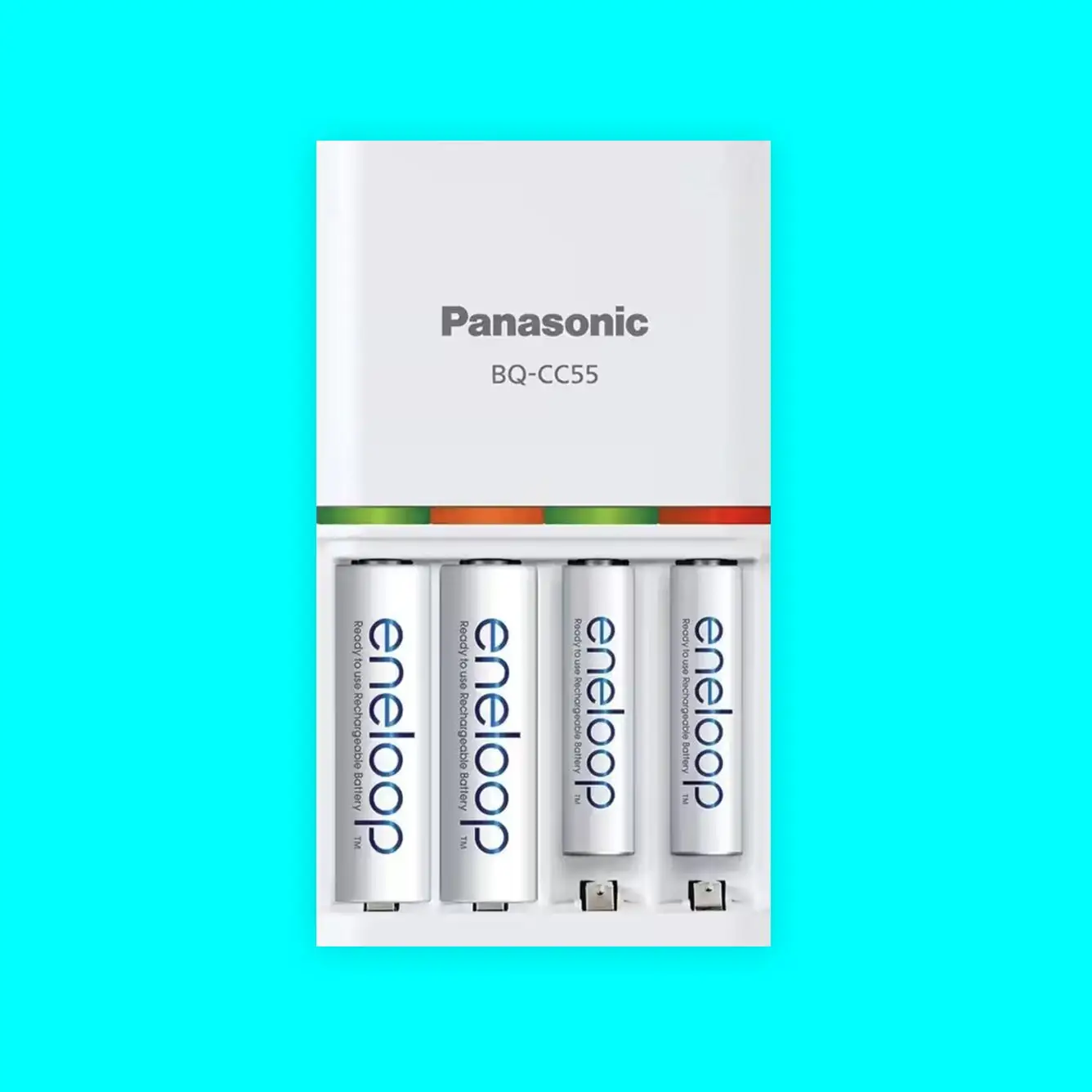
Panasonic Eneloop Pro AA Review: High-Capacity Verdict
Starting at a premium price point but promising exceptional longevity, Panasonic Eneloop Pro AA Rechargeable Batteries (24-Pack) have built a reputation as one of the go-to power solutions for photographers, audio engineers, and serious gadget users. Across platforms, users consistently rate them highly for capacity and performance, though lifespan concerns are raised in certain use cases. Verdict: 8.7/10 — powerful, dependable, but with a trade-off in cycle count compared to standard Eneloops.
Quick Verdict: Conditional buy — great for high-drain devices, but not the longest-lived cells if maximum charge cycles matter.
| Pros | Cons |
|---|---|
| Large 2550mAh capacity for long use times | Fewer total recharge cycles than standard Eneloops |
| Stable voltage until depletion | Higher upfront cost |
| Reliable in extreme temperatures (-20°C to 50°C) | Heavy daily use can shorten lifespan to ~2 years |
| Pre-charged with solar energy | Slightly lower voltage than alkalines may affect some devices |
| Faster recovery time in devices like camera flashes | Not suitable for airtight battery compartments |
Claims vs Reality
Marketing highlights the 2550mAh capacity and claim of up to 500 recharge cycles. Panasonic points out that “Eneloop Pro has a deeper reserve of power with about 28% more capacity than Eneloop,” and laboratory tests suggest better performance in flashes and high-drain equipment. Digging deeper into user reports, however, many professionals note the trade-off in longevity: one Reddit user explained, “Standard (white) Eneloops will definitely last longer. If you don't need the extra capacity, go for those.”
Another big claim is readiness: “Pre-charged with solar energy and ready to use.” Verified buyers on Amazon back this up, with one stating, “You can take them out after 6 months and they still retain their charge.” This matches the advertised 85% retention after a year, and it’s repeated by communities using them in church AV setups.
Panasonic also promises extreme temperature tolerance “as low as -20°C,” appealing to outdoor shooters. While this feature was rarely tested by users directly, those using them in cold or hot venues reported no voltage drop impacting their gear.
Cross-Platform Consensus
Universally Praised
Capacity and voltage stability draw consistent acclaim. For traveling photographers, this extra endurance means fewer swaps mid-shoot. A verified buyer on ProductReview.com.au called them “the best rechargeable battery… extra time compared to other batteries I was using,” noting excellent performance in Xbox controllers. Live sound engineers highlighted consistent runtimes: a Reddit user wrote, “We have 64 Eneloop Pros with 4 charging stations… lasts for a little more than 6 hours” in Shure QLXD transmitters.
For high-drain devices, recovery time in flashes is a standout: Panasonic’s own testing shows 3.3-second recovery vs. 76 seconds for alkalines, and pros confirm this is “why photographers swear by the power of Eneloop Pro.”
Common Complaints
Heavy-cycle users—think nightly theater wireless mic operators or event AV staff—often see reduced lifespan compared to standard Eneloops. Reddit user feedback warns: “They die after about 2 years of heavy use.” This links to the trade-off: higher capacity often means fewer charge cycles possible before degradation.
Price draws frequent scrutiny, with many suggesting buying during sales. A Fakespot review notes, “Try to get them when on offer as they’re not the cheapest, but you do tend to get what you pay for.”
Voltage compatibility can also be an issue in some devices designed for alkalines. One Reddit commenter cautioned that “Ni-MH is not as high voltage as alkaline… this matters for some wireless mics.”
Divisive Features
Cycle count is the biggest divider. While official claims cap at 500 recharges, several reports suggest practical useful life may be shorter for daily users. Conversely, occasional-use owners—those powering remotes, toys, or controllers—report years of service without capacity loss. A family tester on ProductReview.com.au declared they “won’t use anything else now,” after switching all household devices over.
Temperature resilience is praised by marketers, and while cold-weather stories are sparse, owners trust the rating enough for outdoor gear without hesitation.
Trust & Reliability
Trustpilot and Reddit show no systemic scam patterns—most purchases are fulfilled as advertised, especially when sourced from authorized sellers. Multiple platforms stress made in Japan manufacturing quality. Durability is strong in light to moderate workloads; standard Eneloops can exceed 3 years in heavy daily use, but Pro versions skew closer to 2 years with intensive cycling. Live sound techs confirmed this pattern: “We use Eneloop Pros… they work great… die after about 2 years of heavy use.”
Alternatives
The standard (white) Eneloop emerges as the most suggested alternative. Users note it supports thousands of cycles—ideal for equipment needing regular swaps with less need for high capacity per charge. For example, a Reddit sound tech disclosed, “White Eneloops easily last 3+ years of everyday use in wireless mics… never had a problem.”
Competitively, most say Eneloop’s build and voltage stability outperform Duracell rechargeables and other brands in professional gear, even if generic Ni-MH AA cells cost less upfront.
Price & Value
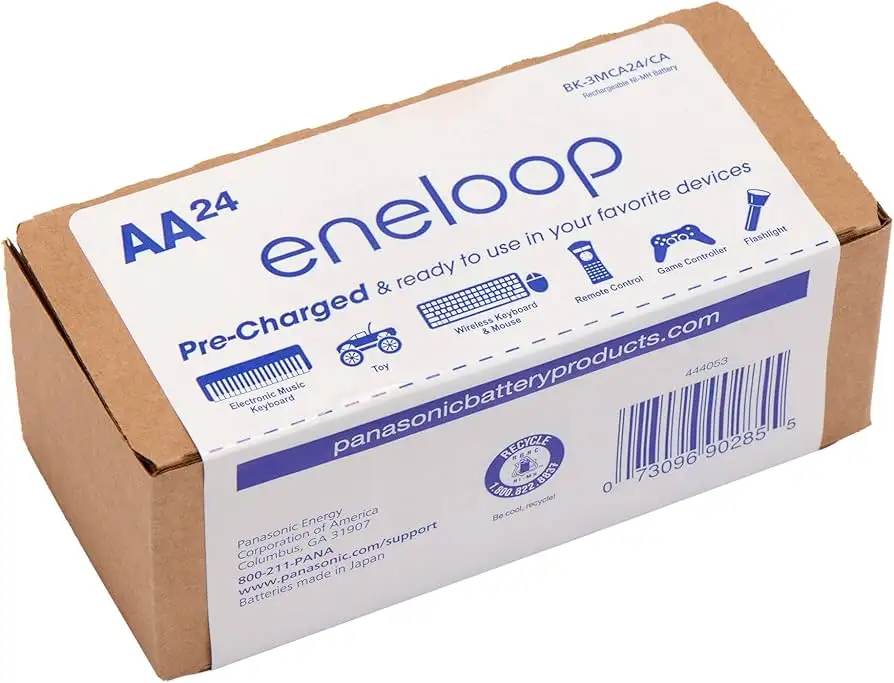
At $218.39 for the 24-pack on Amazon, the unit cost is steep compared to bulk alkalines. eBay listings show smaller packs at ~$22–$30 for 4, and bulk deals occasionally undercut retail significantly. Communities advise hunting discounts or bundle deals with chargers—users on Fakespot highlight savings from offers and the longer-term cost advantage over disposable batteries by reducing landfill waste.
The resale market is minimal for used rechargeables, so buying new is the safest option to ensure capacity integrity.
FAQ
Q: Do Eneloop Pros actually last 500 cycles?
A: In light use, they can reach close to 500, but heavy daily cycling often reduces lifespan to ~2 years, equating to fewer practical cycles.
Q: Will they run wireless mics for a full performance?
A: Yes—multiple live sound users report 6-hour endurance in high-drain transmitters, with consistent voltage until depletion.
Q: Are they worth the price over standard Eneloops?
A: Only if you need maximum runtime per charge; otherwise, standard Eneloops last more cycles and cost less.
Q: Do they lose charge quickly in storage?
A: No—users confirm 85% retention after months, aligning with Panasonic’s claim for one-year shelf retention.
Q: Can they replace alkalines in all devices?
A: Not in airtight compartments; some devices needing higher initial voltage may underperform with Ni-MH cells.
Final Verdict
Buy if you’re a photographer, musician, or AV tech who needs maximum per-charge capacity in gear like flashes, wireless mics, or controllers. Avoid if your priority is sheer number of recharge cycles or if your devices are sensitive to voltage. Pro tip from community: stock both Pro and standard Eneloops—use Pros for critical high-drain sessions, and reserve standards for frequent-swap gear to maximize lifespan.