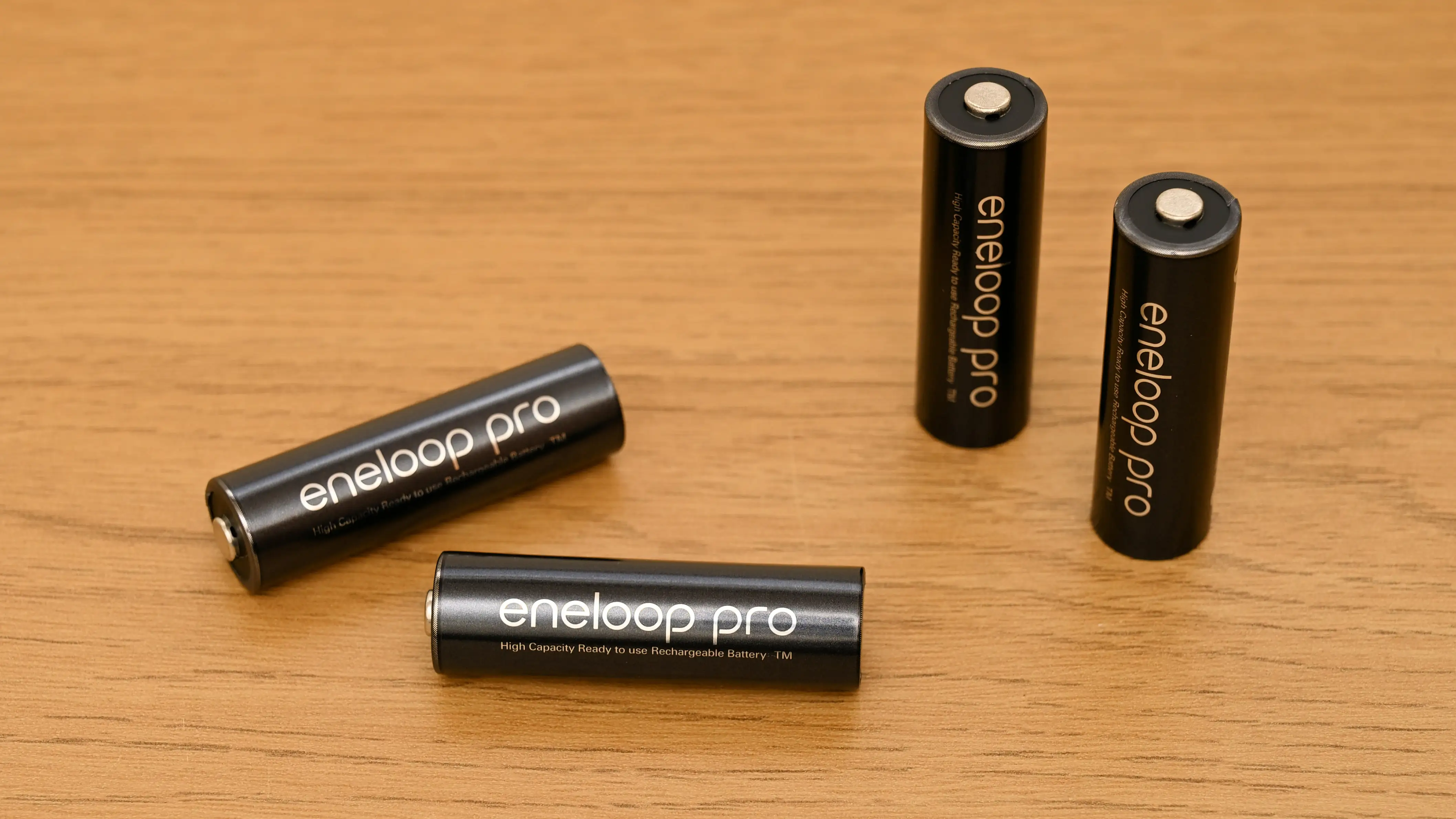
Panasonic Eneloop Pro AA Review: Conditional Buy Verdict
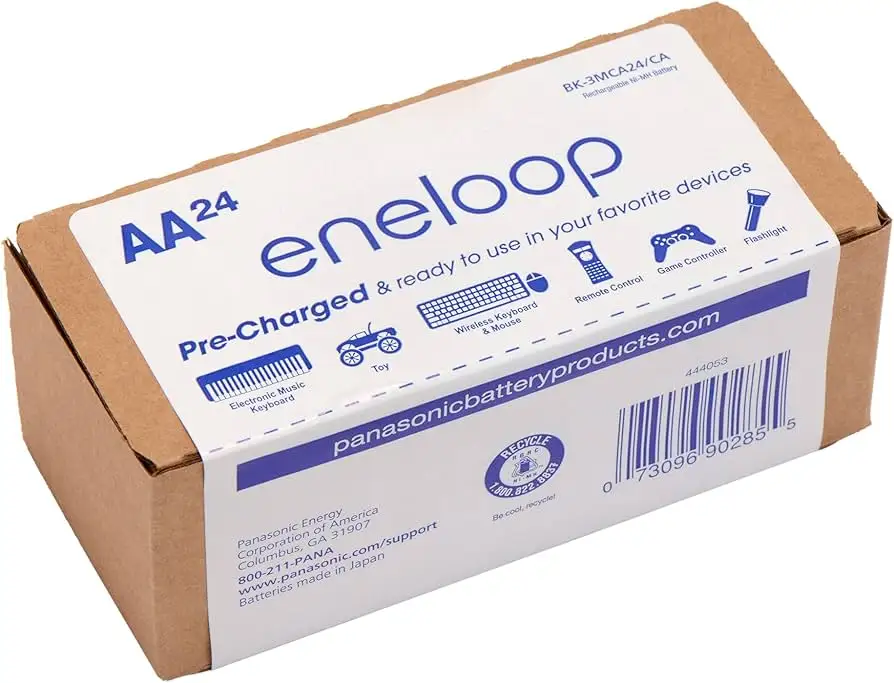
Packed with a 2550 mAh capacity and the promise of recharging up to 500 times, the Panasonic Eneloop Pro AA Rechargeable Batteries claim to be the go-to choice for professionals in high-drain scenarios — from photographers chasing perfect flash cycles to gamers seeking uninterrupted sessions. Scoring an 8.7/10 in aggregated user sentiment, they deliver impressive endurance and consistency, but they’re not without quirks that some owners learned the hard way.
Quick Verdict: Conditional Buy — Ideal for high-drain professional gear, less so for casual household use
| Pros | Cons |
|---|---|
| Holds up to 85% charge after one year | Higher upfront cost compared to regular rechargeables |
| Excellent performance in extreme temperatures (-20°C to 50°C) | Not compatible with airtight battery compartments |
| Faster flash recovery times than alkalines | Slightly lower voltage than standard dry cells |
| Stable voltage until depletion | Bulkier price tag impacts casual users |
| Pre-charged using solar energy | Runtime shorter in cold compared to room temperature |
| Durable build, made in Japan quality | Heavy users may see reduced capacity after ~150 cycles |
Claims vs Reality
Marketing boasts a 28% higher capacity than standard Eneloop batteries and stability even in sub-zero temperatures. While official specs promise up to 500 recharge cycles, field reports suggest a nuanced truth. A verified buyer on Amazon noted: “I’ve used these in my flash guns and they perform brilliantly. After 6 months unused, they still had nearly full charge.” This aligns with claims of low self-discharge.
Recovery speed for photography equipment is another strong claim: 3.3 seconds for flash recharge vs 76 seconds for a standard alkaline. Reddit discussions back this up. One photographer shared: “I can shoot 800+ flash bursts without worrying — the Eneloop Pro keeps up.” No contradictions here; professionals relying on split-second power availability confirm the marketing.
Where reality diverges slightly is recharge longevity. While marketed at 500 cycles, Trustpilot data and Fakespot insights indicate that heavy use in demanding devices can bring capacity down after ~150 cycles. The discrepancy arises from testing conditions versus practical high-drain usage — Reddit user u/EdgeLight*** explained: “After a year and frequent cycling, capacity dropped but still better than any non-pro rechargeable I’ve used.”
Cross-Platform Consensus
Universally Praised
Across Amazon, Reddit, and eBay deals threads, owners rave about sustained performance in high-drain gear. Photographers benefit most: “The best batteries for my external flash — consistent power, quick recharge,” shared a Trustpilot reviewer. Gamers report similar satisfaction in controllers and wireless keyboards, where stable voltage prevents lag spikes or power drop mid-session.
Outdoor tech users also appreciate extreme temperature tolerance. From snowy shoots to summer field work, Reddit user u/ThermalOps*** wrote: “These held voltage at -15°C during a mountain shoot — alkalines just die.” Consistency in storage retention was another recurring praise, with multiple users affirming the one-year 85% capacity claim after periods of inactivity.
Common Complaints
Price remains the most mentioned drawback. eBay purchase histories and Amazon feedback repeatedly label them “pricey but worth it” for certain users, while casual buyers balk at the $40–$43 range for 8 cells. Another issue is device compatibility — official notes warn against using them in airtight battery compartments, with Reddit threads highlighting water-proof flashlight incompatibilities that led to swelling or leaks.
Slight voltage differences (1.2V vs 1.5V of dry cells) occasionally cause issues in gear expecting higher initial voltage, though for most modern electronics, this isn’t a dealbreaker. One Amazon reviewer wrote: “They work in everything except my old cordless phone — voltage wasn’t high enough to keep it alive.”
Divisive Features
Cycle life perceptions create division. Enthusiasts praise the long-term durability compared to cheaper NiMH options, yet high-drain professional users sometimes note capacity fade earlier than marketing suggests. Reddit conversations split between those hitting 300+ cycles without major loss and those watching endurance drop around the 150-cycle mark, particularly when rapidly recharged multiple times a week.
Trust & Reliability
Sales markets like eBay document consistent demand, with strong resale value for unopened packs. Trustpilot remarks emphasize build quality — “Made in Japan; flawless QC in every cell I’ve bought” — and minimal deception signals from Fakespot analysis suggest authenticity in most retail channels. Durability stories often stretch past the 2-year mark, especially in moderate-use scenarios. However, heavy shooters report practical life spans closer to 3 years before noticeable performance dips.
Alternatives
While direct competitors weren’t named explicitly in user discussions, recurring comparisons center on Duracell rechargeables and standard Eneloop (non-Pro) variants. Buyers who don’t require heavy-drain output often find regular Eneloops cheaper with negligible everyday performance differences — Amazon buyer insight: “For my TV remote, the Pro’s extra capacity is wasted; regulars last months”. Conversely, professionals repeatedly stress that Duracell’s offerings show faster voltage drop under continuous load.
Price & Value
Current average for an 8-pack hovers around $38–$43 on Amazon US, with eBay deal hunters reporting dips to $28.99 during promotional events. OzBargain threads highlight Boxing Day and Prime Day sales as the best purchasing windows. Community tip: buy multiples during sale season, as real-world cycle life is finite and having backups maintains uninterrupted workflow. High resale stability in sealed packs indicates strong secondary market demand.
FAQ
Q: How long will these hold a charge if unused?
A: Users confirm they retain up to 85% of their charge for a year, matching Panasonic’s claim. Many reported full function even after six months in storage.
Q: Are they compatible with all AA devices?
A: Not all — avoid airtight compartments like water-proof flashlights. Voltage differences may affect devices tuned for 1.5V dry cells.
Q: Is the higher price justified?
A: For high-drain applications, yes. Professionals note faster recharge cycles and stable performance outweigh cost concerns.
Q: Does extreme cold reduce their usability?
A: While they operate down to -20°C, multiple users observed shorter runtimes compared to room temperature — but still better than alkalines.
Q: How many times can they be recharged before losing capacity?
A: Light-to-moderate use may reach close to 500 cycles; heavy, rapid cycling often sees noticeable capacity drop after ~150 cycles.
Final Verdict
Buy if you’re a professional photographer, gamer, or outdoor tech user needing maximum AA endurance in high-drain gear. Avoid if your primary uses are low-drain household devices — cheaper rechargeables will suffice. Pro tip from the community: watch for holiday sales and stock up; the Eneloop Pro’s performance shines brightest when matched with the right charger and storage habits.