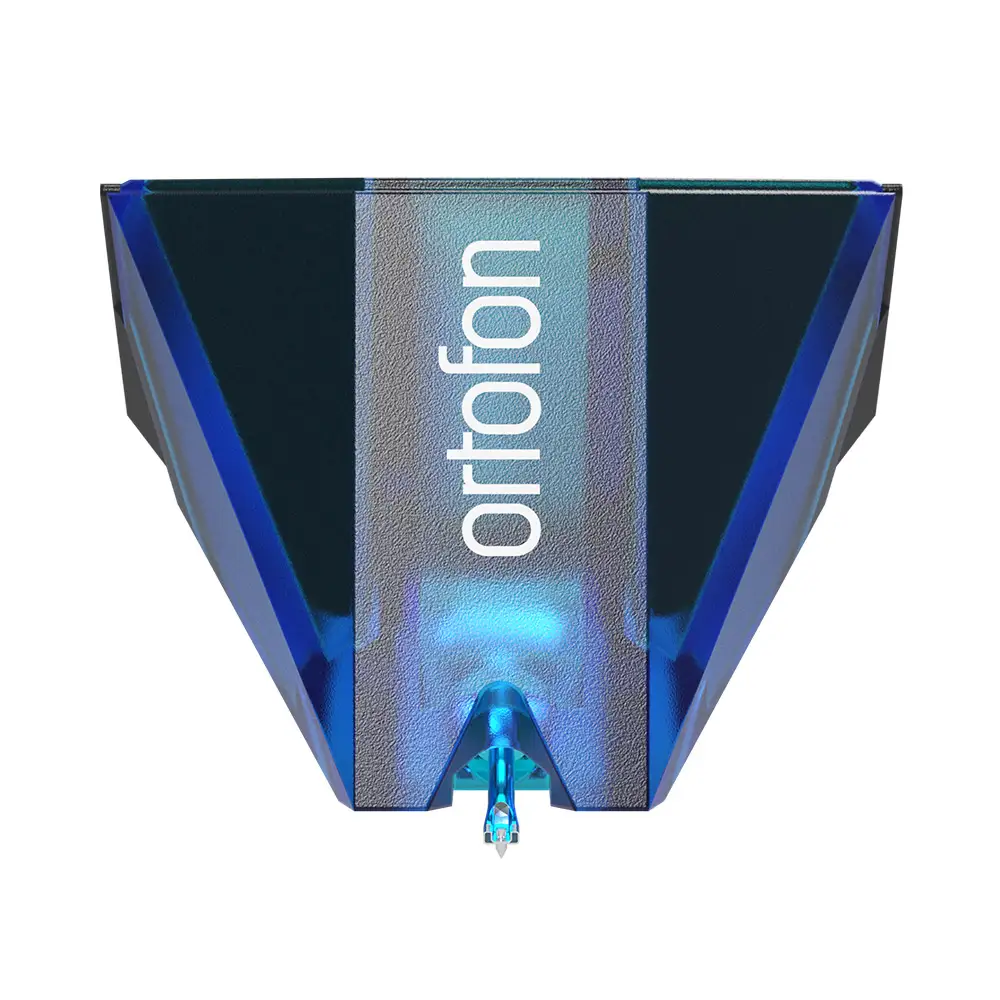
Ortofon 2M Blue Stylus Review: Strong But Divisive
The Ortofon 2M Blue Stylus earns a strong 8.6/10 from seasoned vinyl listeners and casual collectors alike, delivering a marked sonic improvement over its entry-level sibling, the 2M Red, but with quirks that polarize opinion. The consensus is clear: its nude elliptical diamond boosts dynamics, definition, and openness, though some listeners find it merciless with imperfect pressings. The question isn't whether it performs—it's whether your records and system are ready for its honesty.
Quick Verdict: Conditional Buy
| Pros | Cons |
|---|---|
| Noticeable upgrade in detail and clarity over 2M Red | Exposes imperfections in worn or low-quality records |
| Balanced, neutral sound that is easy to listen to | Price considered high for marginal gains on budget systems |
| Simple installation process | Less forgiving than warmer, softer cartridges |
| Nude elliptical stylus delivers cleaner highs | Some durability concerns with suspension integrity |
| Excellent compatibility with most turntables | Styling and housing still bulky for certain tonearms |
| Strong channel separation and output voltage | Requires proper setup to avoid tonal imbalance |
Claims vs Reality
One of Ortofon's bolder claims is that the 2M Blue takes you “further on this journey of authenticity” by adding dynamics, resolution, and openness compared to the 2M Red. While this is technically true, the reality in listening rooms reveals nuance. Reddit user feedback often frames the jump in terms of refinement rather than a wholesale transformation. One noted: “Blue is way superior to the Red and definitely worth the price, especially right now when it’s on sale”—but others cautioned, “In audio you never get double the performance when doubling the price.”
Another claim is that the nude elliptical diamond enhances detail and nuance for all listeners. The gap appears when that detail means hearing every click and pop on worn pressings. A verified Fakespot buyer explained: “The blue seems to search out and accentuate any imperfection of your favorite record... my biggest beef because I don’t own many reissues.” For audiophiles with pristine copies, this translates into breathtaking microdetail. For thrift-store collectors, it can be a reminder of a record’s wear.
Finally, Ortofon promotes ease of installation and compatibility across turntables. This was widely confirmed—both the premounted option and standard model fit well with common tonearms. A Trustpilot review mirrored countless Reddit threads: “Took five seconds to replace it… no way the cartridge could be damaged in shipping… easy install, great packaging.” However, owners of certain Rega tonearms still cite spacer requirements, contradicting the idea of universal drop-in convenience.
Cross-Platform Consensus
Universally Praised
What wins the 2M Blue broad acclaim is its sonic character: balanced, musical, and revealing without being fatiguing. Marc Mickelson of The Audio Beat summarized it as “a full-range, highly resolving presentation that sounds neither stiff nor unforgiving… an easy cartridge to listen to, and even novice listeners notice it.” This balance benefits those seeking an upgrade that doesn’t demand daily retuning or ultra-particular gear, making it a favorite for mid-tier hi-fi setups.
Reddit user track me praised its value sweet spot: “Blue is probably the best price-to-quality ratio… sometimes with crap records I’ll pop the blue stylus on the black cartridge.” For home listeners chasing more clarity in the mids and highs, multiple Amazon buyers reported crisper transients and tighter bass: “The highs are crisper, the bass is less boomy and the midrange is just much clearer… everything is more dynamic.”
Compatibility also earns strong marks. Ortofon’s premounted SH-4 headshell variant is lauded for simplifying the process. A Quora-sourced review noted: “Easy and direct mount on s-shaped tonearms… correct Baerwald alignment out of the box.” This makes it particularly appealing for newcomers wary of stylus setup pitfalls.
Common Complaints
The most consistent criticism centers on the 2M Blue’s unforgiving nature with imperfect pressings. Fakespot data revealed multiple accounts of users switching back to the Red for older or lower-fidelity records: “I’ll stay with the blue as a backup but for me the Red is more true.” This touches on a critical point—the added resolution doesn’t discriminate between musical detail and groove wear.
Price is another sticking point. Several budget-audiophile Redditors questioned whether the leap from Red was justified for their systems: “Honestly… no kind of night and day difference unless you have amazing ears or superior equipment.” For entry-level turntables or modest amps, gains may be subtle compared to the cost outlay.
Lastly, a handful of durability concerns emerged. While most users reported years of solid service, one Trustpilot comment bluntly stated: “The integrity of the suspension is fully compromised… very disappointed.” These incidents appear infrequent but underscore the importance of proper handling and setup.
Divisive Features
Brightness is where opinions split. Users referencing Steely Dan’s Aja noted the Blue’s presentation as “definitely more booming… slightly better definition and openness”, but for some ears, these enhancements translated into an excessively bright tonal balance. This split tends to follow system voicing—warm tube amps and soft-dome tweeters tame the top end, while forward solid-state gear can make it edgy.
Its compatibility with Rega tonearms also divides opinion. Officially designed to fit most turntables, the reality for Rega owners is spacer installation, which some find trivial and others find unnecessarily fiddly.
Trust & Reliability
While counterfeit or deceptive reviews are rare according to Fakespot—over 90% of feedback rated high quality—buyers occasionally express skepticism over tangible value versus marketing hype. Long-term users on Reddit and Trustpilot generally reported steady performance over hundreds of hours, with stylus life approaching Ortofon’s stated 1000-hour mark under proper care.
Owners upgrading from the Red often keep the Blue as their main stylus, swapping to more forgiving options for rough records, indicating trust in its core performance. However, the minor suspension failure story is a reminder that mishandling or poor storage can quickly degrade delicate components.
Alternatives
The most common rival mentioned was Audio-Technica’s AT-VM95ML, frequently praised for delivering a nude microline stylus “like the Bronze for half the price.” For listeners spinning mostly pristine records, the AT-VM95ML might outperform in tracing fidelity. Bronze and Black versions within Ortofon’s own lineup offer incremental detail gains, but Reddit users caution they pair best with “high-quality pressings” and reveal flaws even more starkly.
Price & Value
Market prices currently hover around €199 for the stylus alone, €259 premounted, and $135–$155 on eBay for replacements—showing decent resale stability. Several Reddit commenters advised watching for sales to bridge the value gap: “Definitely worth the price, especially when it’s on sale in a lot of places.” Given the minimal setup demands and long stylus life, value is strongest for midrange turntable owners looking to push sonic boundaries without entering moving coil territory.

FAQ
Q: Is upgrading from 2M Red to 2M Blue worth it?
A: Yes, if your system can reveal the extra detail and you own clean records. Expect more openness and clarity, but gains are less dramatic on budget gear or worn pressings.
Q: How long does the 2M Blue stylus last?
A: With proper care, up to 1000 hours without performance loss. Clean your records and stylus regularly to maximize lifespan.
Q: Does it fit all turntables without modification?
A: It fits most, but Rega tonearms require spacers for correct alignment—around 3.2–4 mm.
Q: Is the sound bright compared to the Red?
A: Many find it slightly brighter with tighter bass, which can sound revealing or edgy depending on your system’s tonal balance.
Q: Does the Blue handle surface noise well?
A: It tends to reveal more surface imperfections due to its precision, making it less forgiving on worn or noisy vinyl.
Final Verdict: Buy if you own a midrange-to-high system with clean pressings and want to unlock more musical detail without sacrificing tonal balance. Avoid if your collection leans heavily on worn records or if your setup can’t resolve subtle upgrades. Pro tip from the community: keep your Red stylus handy for rough play and swap to the Blue when fidelity matters most.