Ooma HD3 Cordless Handset Review: Mixed Audio Verdict
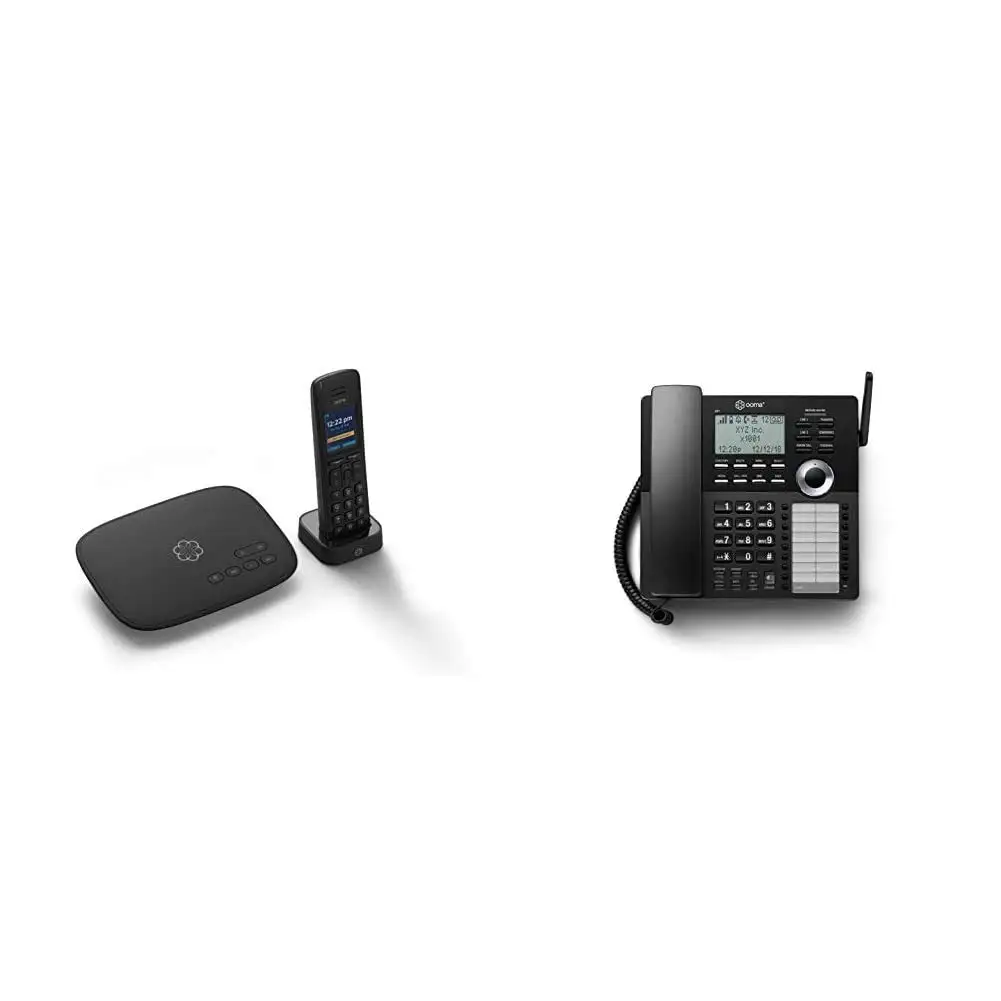
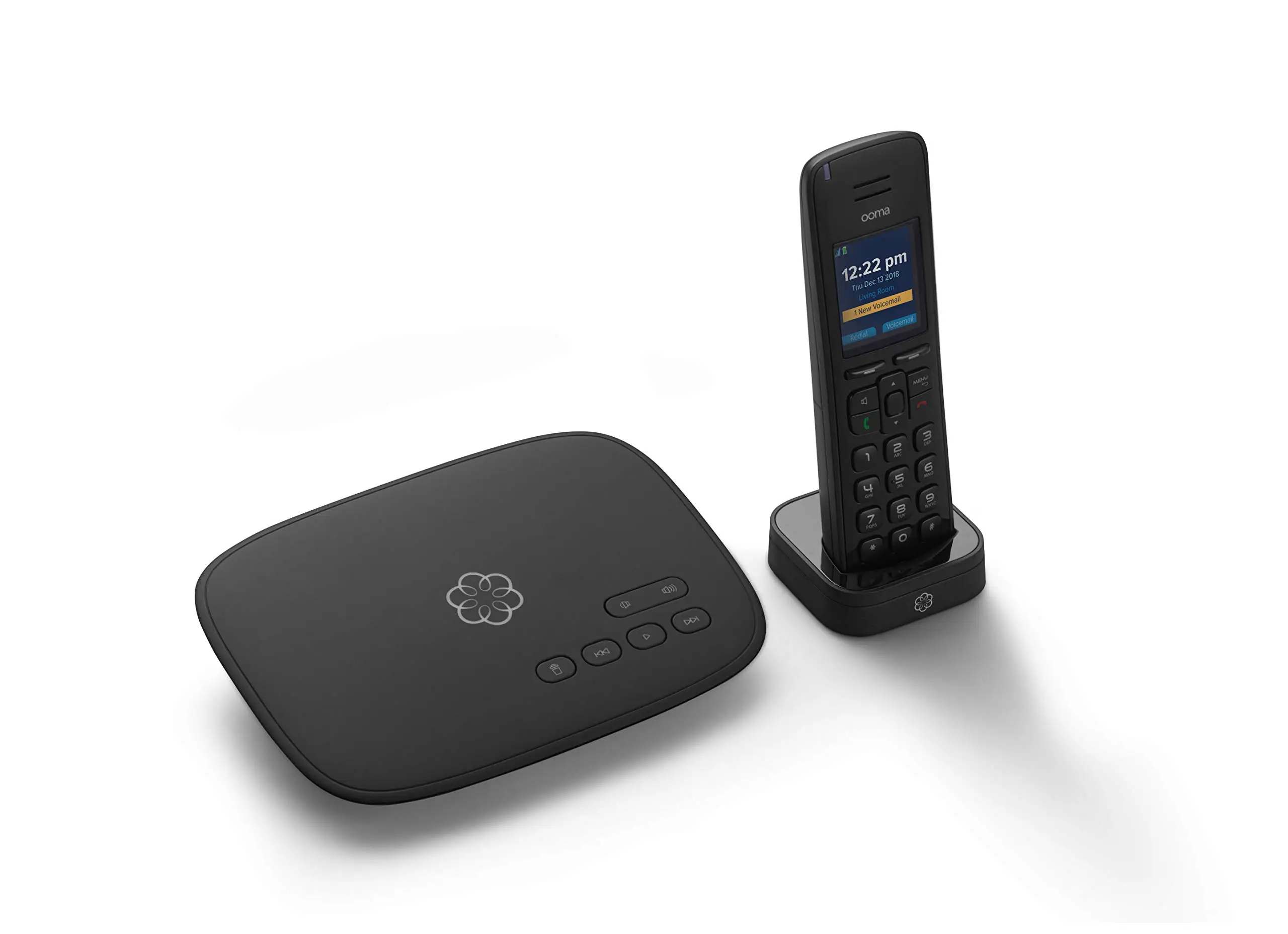
The most surprising detail to emerge from the feedback is that the Ooma HD3 Cordless Handset for Telo VoIP earns solid praise for setup and integration yet polarizes users on its core function—sound quality. While some call performance “crystal clear,” others call it “brutal” and “compressed beyond recognition.” Verdict: 6.8/10.
Quick Verdict: Conditional
| Pros | Cons |
|---|---|
| Easy pairing and firmware updates | Inconsistent audio quality |
| Integrates fully with Ooma Telo features | Poor speakerphone performance |
| HD voice works well for Ooma-to-Ooma calls | No headset jack |
| Color display with picture caller ID | Firmware updates lock out calls for over an hour |
| DECT 6.0 security and range | Mixed real-world wireless range |
| Flexible voicemail and call log integration | Many report compression distortion |
Claims vs Reality
One of Ooma’s boldest marketing claims is that the HD3 “doubles the fidelity of your phone calls” with HD Voice. While technically true for Ooma-to-Ooma calls using HD-capable phones, Reddit user track*** cautioned: “That only works for ooma to ooma calls, where both parties have ‘HD-capable’ phones.” Several community members pointed out that normal calls outside this ecosystem don’t match marketing hype.
The manufacturer also promotes “superb sound quality” via DECT 6.0 technology. Yet an Ooma Forums poster bluntly stated: “The sound quality on HD3 headsets is brutal. The call quality is terrible… my decades-old Panasonic phones are way better.” Some suspect over-compression in transmission, with Reddit user noting an initial good sound deteriorated over time.
Ooma highlights its “built-in speakerphone for hands-free calling.” Trustpilot feedback reveals a disconnect here: one buyer said, “If you put your call on speaker phone, the voice is so garbled you cannot understand what the person is saying.” While earpiece audio fared better for certain reviewers, the speaker mode remains a weak point.
Cross-Platform Consensus
Universally Praised
Across Amazon and Trustpilot, the handset’s setup process gets high marks. A verified Amazon buyer shared: “Set up was a snap… paired in a few seconds, then downloaded the latest firmware automatically.” Users appreciate that pairing involves “one touch of a button” with the Telo base, making it welcoming for non-technical home users.
The integration with Ooma’s cloud features is a consistent win. Users enjoy picture caller ID synced from Facebook and Google, detailed call logs, and voicemail monitoring. For multi-handset households, the ability to receive distinct ring tones for different numbers via Ooma Premier impressed some buyers—ideal for home offices and families separating work and personal lines.
Battery flexibility also earns praise. The use of standard AAA NiMH cells means replacements are cheap and accessible. Trustpilot reviewers liked not having to hunt proprietary packs when cells degrade. For those valuing aesthetics, Fakespot identified customers commenting on the “stylish equipment” that blends with decor.
Common Complaints
Sound quality tops the complaint list. Ooma Forum posters described it as “compressed to pack in more users on a server,” and several Reddit users found older Panasonic or VTech handsets offered superior audio when connected to the same Telo base. The speakerphone was a specific weak point—muffled, distorted, and in one case “almost unusable.”
Firmware updates caused frustration. One Trustpilot reviewer recounted multiple situations where updates “took 1–1.5 hours each time,” disabling all phone functionality without user control over scheduling. For emergency calls, this could be critical.
Ooma’s removal of the headset jack infuriated long-time users of previous models. As one forum poster admitted: “If I had known the earphone jack was removed from the HD3, I wouldn’t have bought them.” Range performance also disappointed some—despite a claimed 300 feet possibility outdoors, one Amazon reviewer got “about 35 feet before dropouts” indoors.
Divisive Features
The HD3’s HD Voice capability sparked polar opinions. Amazon reviewers noticed “audio quality much better than name brand ‘HD’ cordless phones,” while Reddit threads labeled the sound “grainy” and undesirable for voicemail recordings. Part of this division seems tied to network environment: users with robust fiber connections tended to report better clarity than those in congested networks.
Speakerphone usability falls into the same split. A Trustpilot reviewer liked using it once volume was adjusted and positioned correctly, while another flatly rejected it as inferior to their previous system. Screen brightness also divided users—some liked the constant illumination for quick glances, others found even the lowest setting too bright in bedrooms.
Trust & Reliability
Trustpilot reports raise trust concerns over Ooma’s customer service persistence—one reviewer called online chat “essentially useless except for trivial questions.” Another described it as “impossible to cancel your service” and warned about upsells to upper-tier subscriptions. However, others found phone support improved, with “only a 2 minute wait… helpful, easily understood and efficient.”
Durability stories vary. Reddit user track*** said owning “5 HD3 handsets… it’s just the way they are,” implying consistent but unremarkable performance over time. Amazon feedback noted battery swaps could refresh audio issues briefly, but persistent quality drops signaled possible manufacturing variance.
Alternatives
Panasonic DECT handsets emerged repeatedly as a benchmark for comparison. Users who previously owned them often preferred their sound quality and reliability over the HD3. One Reddit comment suggested Ooma “could easily negotiate with Panasonic” to sell branded OEM handsets, indicating a perceived gap that competitors already fill. VTech systems connected to Ooma’s phone port were also mentioned positively.
Price & Value
Retail pricing on Amazon hovers around $49.99 for a single handset, with bundle packages reaching $139.98 for Telo plus HD3. eBay resale trends show open-box units at $64–$70, with multi-handset kits fetching $154–$210. While new buyers can enter relatively cheaply, depreciation is notable—used units often sell for half retail.
Community buying tips include checking activation codes (must start with “2” or higher for compatibility) and replacing the included batteries promptly with higher-quality cells like Panasonic Eneloop for longer runtime.
FAQ
Q: Does HD Voice improve all calls?
A: No. According to multiple Reddit reports, HD Voice’s full benefit is only realized on Ooma-to-Ooma calls with HD-capable phones on both ends.
Q: Can I use third-party handsets with Telo?
A: Yes, but you may lose features like picture caller ID and handset-based voicemail indicators. Some users successfully paired Panasonic DECT systems for better sound.
Q: Is the speakerphone usable?
A: Mixed feedback—some find it muffled or distorted, others find it fine with careful positioning and volume adjustments.
Q: Are firmware updates user-controlled?
A: No. Trustpilot reviewers report updates are automatic, can take over an hour, and temporarily disable all phone functions.
Q: What’s the real indoor range?
A: While DECT specs suggest up to 300 feet outdoors, Amazon users experienced around 35 feet indoors before dropouts.
Final Verdict: Buy if you’re an Ooma Telo user seeking tight integration, easy setup, and don’t require flawless audio on speakerphone. Avoid if you prioritize consistent sound quality, need a headset jack, or want control over firmware updates. Pro tip from community: Swap in quality NiMH batteries right away for better longevity and performance.





