Nintendo Switch Review: Hybrid Console Worth Buying?
The Nintendo Switch continues to spark debate even years after its 2017 launch, with passionate fans calling it “the greatest console in history” and detractors labeling it “atrocious.” Based on thousands of cross-platform user reports, the Switch earns a solid 8/10 — praised for its hybrid versatility and exclusive games, but hampered by durability issues, dated online infrastructure, and missing modern features.
Quick Verdict: Conditional — worth buying for portable-first gamers and Nintendo exclusives; less appealing for those seeking cutting-edge performance or robust online play.
| Pros | Cons |
|---|---|
| Hybrid design: TV, handheld, tabletop modes | Joy-Con drift and durability issues |
| Stellar first-party and indie game library | Weak processing power, dated graphics |
| Portable and lightweight for travel | Short battery life (2–6 hours, real-world reports) |
| Detachable controllers enable multiplayer | Limited online features, peer-to-peer networking |
| OLED model offers improved screen and storage | Games rarely discounted; eShop cluttered |
| Parental controls and family-friendly titles | Missing streaming apps and social features |
Claims vs Reality
Nintendo’s marketing promotes the Switch as a “home console you can take anywhere” with “up to 9 hours of battery life” and “immersive Joy-Con controllers.” Digging deeper into user reports, these claims only partially hold up.
For portability, Reddit user u/nyce1esq described how they “can play the system on the go or use the dock to connect the system to your TV… this versatility is what gives this system such a huge appeal.” Yet multiple owners on Trustpilot and ProductReview noted that battery life often lands closer to 2.5–5 hours, especially with demanding titles like Zelda: Breath of the Wild.
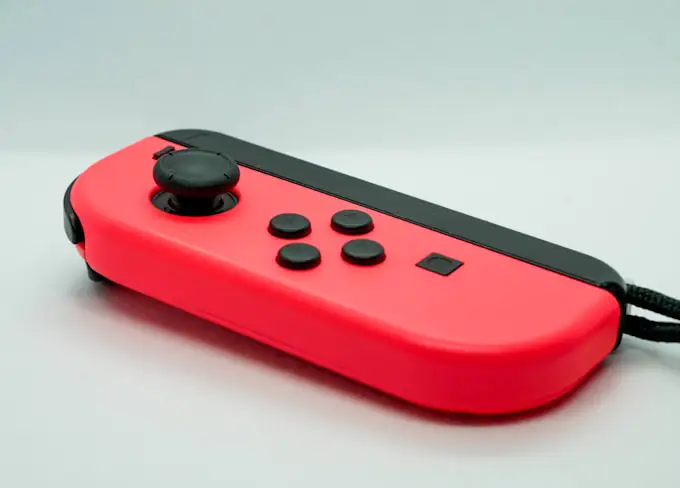
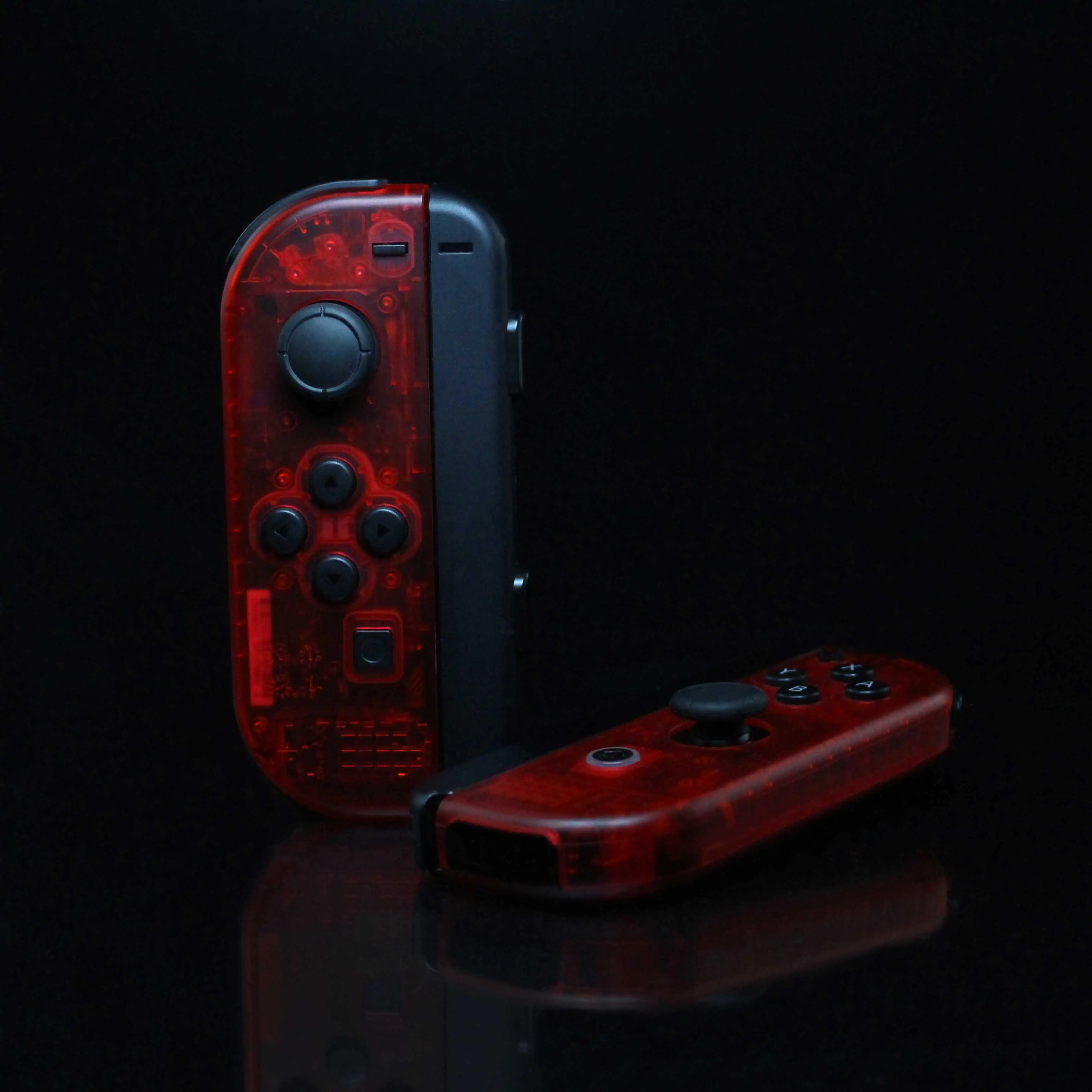
Joy-Con innovation receives mixed real-world feedback. While the detachable controllers enable instant local multiplayer — “hand one of the two Joy-Con controllers to a friend… play anytime, anywhere,” as Amazon’s description promises — durability is a recurring sore point. Reddit user u/Fire*** reported drift “after a mere month on all four of my Joy-Cons,” calling them “cheap pieces of trash” for a $60 accessory.
Nintendo’s “robust online mode” is also contested. While marketing touts “multiplayer gaming over Wi-Fi” and an engaged community, players emphasize the limitations. One Redditor explained that “every game has peer-to-peer Wi-Fi… your online matches devolve into a laggy mess 50% of the time.”
Cross-Platform Consensus
Universally Praised
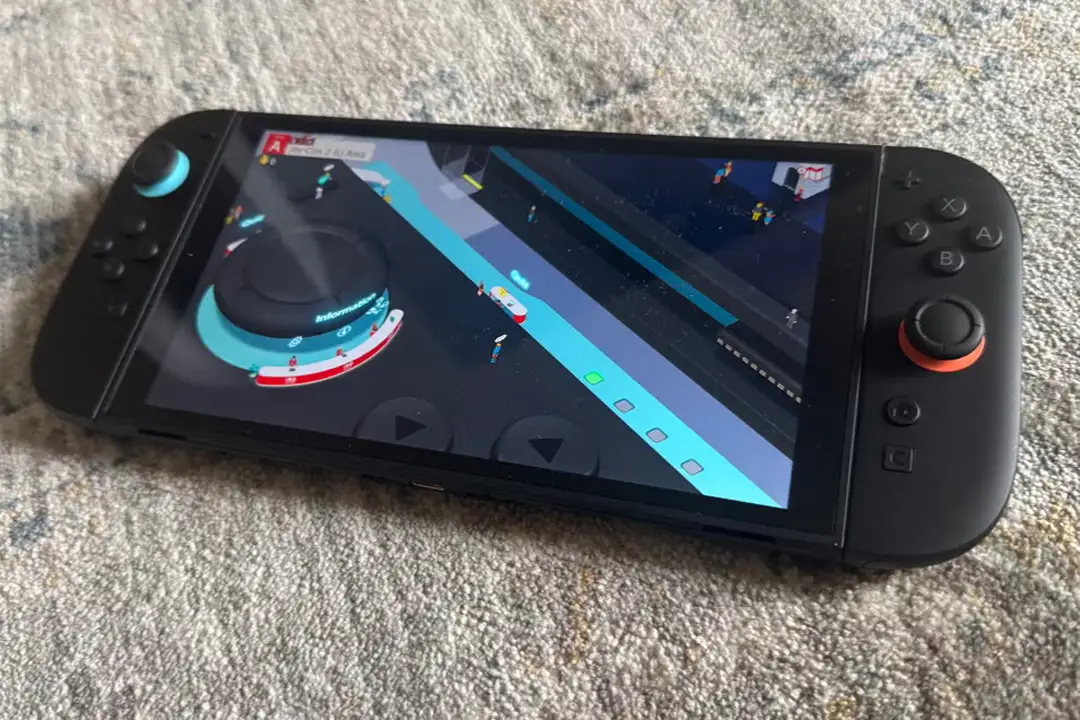
The Switch’s hybrid design is its defining strength, opening up gaming to flexible lifestyles. Commuters, parents, and frequent travelers rave about the seamless transition from TV to handheld. A ProductReview user wrote, “It’s perfect for seamless gaming between the TV and on the go… a lifechanger when travelling on planes.” For parents, portability means children can keep playing without monopolizing the family TV.
Exclusive titles are another cornerstone. From Mario Kart 8 Deluxe to Animal Crossing: New Horizons, the library appeals to casual and core gamers alike. Twitter user @pace_eval called the Switch “an absolute revolution… the many exclusive titles make it a unique console.” Indie support also shines, with Redditors highlighting Celeste, Hollow Knight, and Undertale as handheld-perfect experiences.
The OLED model, released in 2021, earns specific praise for its vibrant display and doubled internal storage. Amazon.de reviewers noted the “intense colors” and “clear sound” as meaningful upgrades for handheld and tabletop play.
Common Complaints
Durability issues dominate user frustration — particularly Joy-Con drift. Even fans admit it’s “infuriating” that Nintendo never fully fixed the problem. Warranty service draws criticism for being “strict” and “charging an arm and a leg” for repairs, as one ProductReview customer described after being billed $98.
Battery life often fails to meet expectations. Trustpilot feedback cites “only 2–6 hours” as a serious limitation, especially for travel or marathon sessions. Coupled with weak processing power, some players complain about lowered resolutions and frame rate drops, especially in third-party ports.
Online infrastructure lags far behind competitors. Voice chat requires a separate smartphone app, matchmaking suffers from lag, and social features like messaging and friend invites are absent. Reddit user u/marshallhonorof called the system’s lack of apps “baffling,” noting Netflix and Twitch remain unavailable.
Divisive Features
Game pricing and availability split the community. Fans argue Nintendo’s first-party titles maintain high value, but others resent the lack of discounts and the “cluttered” eShop. The family-friendly design also divides opinion; while parents appreciate safe, accessible games, seasoned players sometimes find the AI “overly intrusive” and options “suited for under 6 years of age,” as one ProductReview critic put it.
Trust & Reliability
Scam concerns surface in Trustpilot’s reports of fraudulent sellers like “nintgame.com,” which shipped fake handles instead of consoles, exploiting refund loopholes. Buyers advise sticking to reputable retailers such as Amazon, Best Buy, or eBay’s certified refurbishers.
Long-term durability varies. Some Redditors still use launch-day units without issue, while others faced hardware failures within months. ProductReview threads recount USB-C port damage, dock alignment flaws, and software corruption, often with unsatisfactory warranty responses. One user lamented being left with “a Switch and over $700 worth of games that can’t be used… until Nintendo gets around to sorting it out.”
Alternatives
Community discussions frequently compare the Switch to the Steam Deck and ASUS ROG Ally for portable gaming. Reddit user u/allyowner noted, “The Ally Z1 Extreme… runs great games with better multiplayer,” but conceded it lacks Nintendo’s exclusives. The Steam Deck offers stronger hardware and broader game compatibility but is bulkier and pricier.
For those who prioritize high-end graphics, PlayStation 5 and Xbox Series X are suggested, though they abandon the Switch’s hybrid flexibility.
Price & Value
Current market prices range from $249 for used V2 models on eBay to $299–$329 for new standard units, with OLED editions hitting $479–$540 depending on bundles. Special editions like Animal Crossing or Zelda: Tears of the Kingdom carry premiums.
Resale values remain strong due to sustained demand and slow depreciation, particularly for OLED models. Buyers recommend timing purchases around major sales events like Black Friday, or seeking certified refurbished units to save $50–$100 while retaining warranty protections.
FAQ
Q: Is the Nintendo Switch worth it for online play?
A: Not for competitive gaming. Peer-to-peer networking causes lag, and voice chat requires a smartphone app. Casual multiplayer and co-op with friends work fine for most users.
Q: How bad is Joy-Con drift?
A: Many owners experience drift within months. Nintendo offers free repairs, but turnaround can be slow. Pro controllers are a popular workaround for TV mode.
Q: Can the Switch replace my streaming device?
A: No — major apps like Netflix, Disney+, and Spotify are missing. Hulu and YouTube are available, but the Switch isn’t designed as a media hub.
Q: Which Switch model should I buy?
A: The OLED model offers a better screen and doubled storage for $50 more. Standard V2 is fine for TV-focused play; Switch Lite is cheapest but lacks TV mode.
Q: How long does the battery last?
A: Officially 4.5–9 hours, but real-world use often sees 2.5–5 hours for demanding games.
Final Verdict: Buy if you’re a portable-first gamer or a fan of Nintendo’s exclusive franchises. Avoid if you demand top-tier graphics, advanced online features, or long battery life. Pro tip from the community: invest in a Pro controller and buy from trusted retailers to avoid scams.