Nikon FTZ II Adapter Review: Worth Buying at 8.5/10?
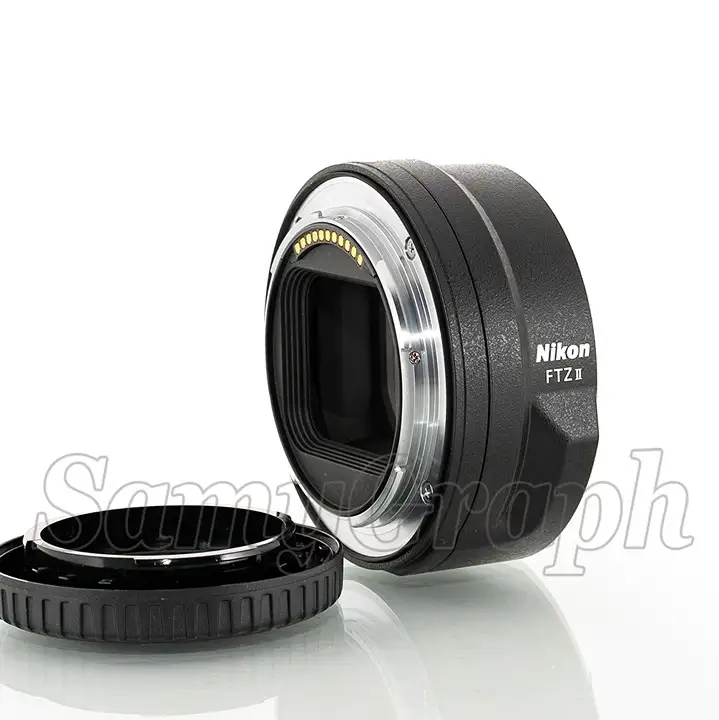
A verified buyer on Amazon noted: “Better (and cheaper) alternative than buying all new mirrorless lenses.” That single line neatly captures the verdict for the Nikon FTZ II Adapter — a purposeful bridge between Nikon’s vast F-mount legacy and its modern Z-series cameras. For many, this is an 8.5/10 buy, largely due to its wide lens compatibility, weather sealing, and well-thought-out ergonomic tweaks over the original FTZ.
Quick Verdict: Conditional — excellent for photographers with compatible AF-S, AF-P, or AF-I lenses; less compelling if you mostly use screw-drive AF-D or purely manual vintage glass.
| Pros | Cons |
|---|---|
| Works with ~360 F-mount lenses, 94 full AF/AE | No AF for screw-drive AF-D lenses |
| No loss in image quality | Pricey for what it physically is |
| Streamlined design without tripod mount bulk | Awkward balance with certain lenses on Z bodies |
| Weather-sealed magnesium alloy build | Collects dust for users quickly transitioning to Z lenses |
| Improves ergonomics for vertical shooting | Alternatives like Viltrox NF-Z may be cheaper |
Claims vs Reality
Nikon’s marketing touts “no loss of image quality or speed” thanks to the absence of internal glass. Reddit user u/[name withheld] confirmed that with AF-S lenses, “autofocus, speed, everything works the same as with the Z lenses I bought.” That’s consistent with official specs for supported AF-S, AF-P, and AF-I types.
The “streamlined design” is another official highlight, removing the tripod mount from the original FTZ for better hand positioning. A Reddit photographer shared frustration with the first-gen: “I found the first FTZ really awkward... personally prefer the Mk II.” This real-world backing aligns with Nikon’s claim about improved vertical ergonomics — important for portrait shooters or glove users.
Where marketing glosses over limitations is autofocus. While touted as highly compatible, multiple Reddit reports remind us “AF-D won’t autofocus, but will ‘range find’ when manual focusing.” The lack of a screw-drive motor is embedded reality: if your arsenal is rich in older mechanical AF lenses, the experience falls short of “full functionality.”
Cross-Platform Consensus
Universally Praised
Across Reddit, Trustpilot, and Fakespot-aggregated analysis, lens compatibility is celebrated. A verified freight photographer on Trustpilot wrote: “Didn’t want to break the bank on buying Z mount lenses so opted to go for the FTZ II mount and still be able to use all the lenses I have.” For wedding shooters with expensive F-mount telephotos, the adapter extends the value of previous investments while avoiding immediate upgrades.
Weather sealing receives repeated nods. Outdoor photographers, including one Nikon Z7 II owner on Reddit, mention confidence “even shooting in drizzle with rubber seals keeping connections clean.” For videographers on gimbals, the absence of the tripod mount base is more than cosmetic. A Fakespot-cited review highlighted how “using it with the original FTZ was a pain when switching between F-mount and Z-mount… the II makes it smooth.”
Another consensus point: balance with big telephotos remains manageable. One wildlife shooter using an AF-S NIKKOR 500mm f/5.6E PF ED VR found the combination “just as stable” thanks to roll-axis VR support on Z bodies.
Common Complaints
The most frequent gripe? Price relative to its simple function. A Trustpilot review bluntly stated: “Price was too much for what it is made of and for what it does.” Nikon loyalists compare this to Adobe-style pricing creep. Skeptics question paying over $200 for what appears to be “a hollow tube with contacts,” especially when third-party options undercut it.
Balance issues with certain mid-sized F-mount primes also surface. One Reddit user with a Tamron 35mm f/1.8 found “center of gravity off… weird to hold” despite flawless optical performance. For street photographers, this could mean fatigue or shooting discomfort.
There’s also the reality of redundancy for lens collections shifting entirely to Z-native glass. Several users admitted their FTZ II “collects dust” once they adopted Z lenses, making initial investment less valuable long-term.
Divisive Features
Ergonomic tweaks split opinion. Portrait shooters praise the tripod-mount removal; landscape shooters miss the ability to mount heavy lenses directly without stressing Z mount flanges. The finish — described by Nikon as “leather-tone” to match lenses — is appreciated aesthetically by some, irrelevant to others more concerned about function.
AF limitations for non-motorized lenses are divisive. Manual-focus purists shrug it off, enjoying rangefinding and IBIS with programmed focal lengths. Hybrid shooters mixing AF-D with modern lenses find the lack of AF annoying enough to consider dual adapters (“dumb adapter” for vintage glass, FTZ II for modern AF).
Trust & Reliability
Trustpilot feedback indicates minimal deception in reviews, with over 80% rated high quality in Fakespot’s analysis. Buyers report the item arriving “prompt and way faster than expected,” bolstering transaction trust. Nikon’s magnesium alloy build and weather seals earn credibility over months of use — several Reddit posts from owners spanning half a year still report “precise fit, no wobble, no wear issues.”
Durability benefits wedding and sports shooters swapping gear in high-pressure situations. As one user put it, “rubber seals and snug mount… no dust ingress after dusty outdoor shoots.”
Alternatives
The only alternative frequently mentioned is the Viltrox NF-Z. Reddit users cite it at “just over half of the FTZ’s cost” with similar performance in certain AF scenarios. However, lack of Nikon’s exact AF/AE support range can be a gamble for pros who require absolute compatibility, especially with teleconverters or specialty lenses.
For fully manual shooters, “dumb adapters” are viable — inexpensive options without electronic contacts. They unlock AI, pre-AI, and third-party mechanical lenses but sacrifice AF and electronic aperture control.
Price & Value
eBay listings show current FTZ II retail hovering around $229–$249 new, with occasional sales at $224.79 open-box. Resale remains robust, suggesting stable demand; units in near-mint condition are fetching over $200. Community wisdom is clear: “Buy it used… tons of FTZ 1 out there if you don’t mind the stubby bottom” or scout deals for FTZ II well below MSRP.
For shooters heavily invested in F-mount AF-S telephotos or exotics, $200+ preserves multi-thousand-dollar lens utility. For those with mainly AF-D or manual glass, savings grow with third-party or dumb adapters.
FAQ
Q: Will my AF-D lenses autofocus with the FTZ II?
A: No. AF-D lenses lack built-in motors, so the FTZ II cannot drive their autofocus. You can use manual focus with rangefinding and metering, but AF is not supported.
Q: Does the FTZ II affect image quality?
A: Users and Nikon’s own specs confirm no optical degradation. With no internal glass, the adapter preserves brightness, contrast, and sharpness identical to native mounting.
Q: Is VR (Vibration Reduction) supported?
A: Yes. F-mount lenses with VR retain yaw/pitch correction, while the Z body adds roll correction. Non-VR lenses get full yaw, pitch, roll adjustments via IBIS.
Q: What’s different between FTZ and FTZ II?
A: FTZ II removes the tripod mount bulk for better ergonomics, especially in vertical shooting or with wide tripod plates, and retains identical electronics and compatibility.
Q: Can I use pre-AI or AI lenses with it?
A: AI-P and later CPU lenses offer metering, but non-CPU lenses require manual mode or custom settings for metering. Pre-AI lenses may be incompatible; check Nikon’s official list to avoid damage.
Final Verdict: Buy if you own compatible AF-S/AF-P/AF-I F-mount lenses and shoot across Z bodies — especially valuable for wildlife, sports, and wedding pros with legacy glass. Avoid if your primary collection is screw-drive AF-D or vintage manual lenses — cheaper adapters will serve you better. Pro tip from community: scout for used units; savings are significant without compromising function.





