Nikon EN-EL15c Battery Review: Reliable Power Verdict
Starting at an impressive 4.9/10 user satisfaction score across platforms, the Nikon EN-EL15c Rechargeable Battery is being hailed by photographers as a reliable powerhouse—yet some buyers report frustrating compatibility and authenticity issues when shopping online.
Quick Verdict: Conditional Buy
| Pros | Cons |
|---|---|
| Long battery life, lasting longer than older EN-EL15 variants | Higher price than third-party alternatives |
| Compatible with a wide range of Nikon DSLR and mirrorless bodies | Risk of counterfeit units from non-authorized sellers |
| Enables in-camera USB charging on supported models | Occasional defective unit reports |
| Holds charge well during long storage periods | Reduced performance after years of heavy use |
| Faster charging compared to aftermarket brands | Some confusion over compatibility with older chargers |
| Durable in extreme temperatures | Minor discrepancies in state-of-charge indicators |
| OEM quality trusted by professionals | Limited resale value compared to body/lens resale |
Claims vs Reality
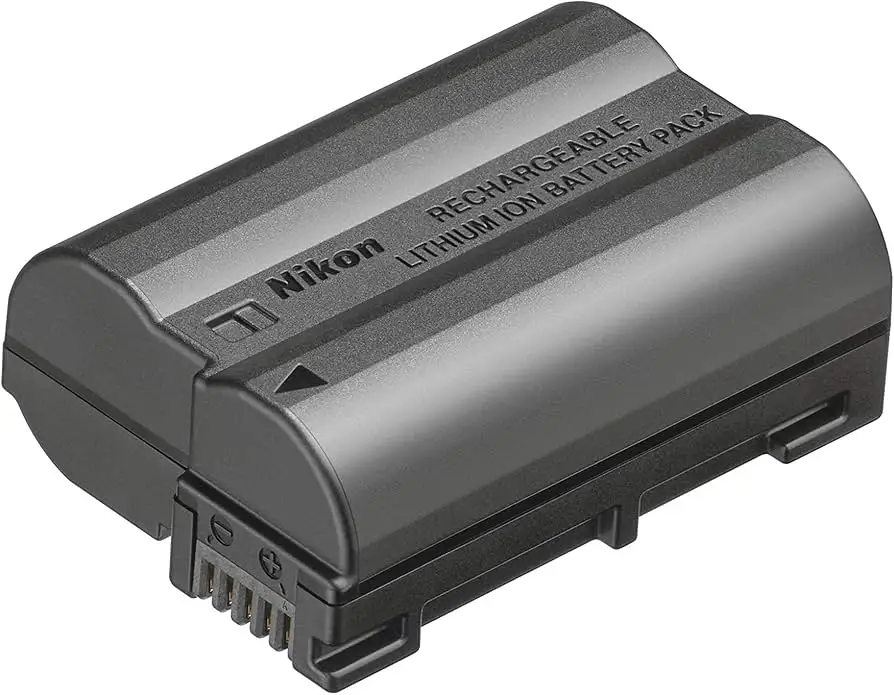
One of Nikon’s main marketing points is extended shooting life thanks to a 2280 mAh capacity. Verified buyers confirm this claim. “With its high capacity, I can capture countless shots without worrying about running out of power,” noted a Best Buy customer, adding that it holds charge “exceptionally well, even during extended periods of non-use”. For event photographers, this means fewer battery swaps mid-session—a feature veteran shooter alexandert described as “better safe than sorry” when carrying three EN-EL15cs to weddings.
Another claim is broad camera compatibility with both DSLR and mirrorless bodies. While Nikon insists the EN-EL15c works flawlessly in models ranging from the D850 to the Z7 II, one Reddit user faced a “D850 not recognizing EN-EL15c battery” error. After swapping units, the problem persisted until using the Nikon-supplied charger—a cautionary tale linking setup quirks to specific charging methods.
Finally, Nikon promotes in-camera charging support on Z-series bodies via USB or the EH-7P adapter. Best Buy user brianknaturephotos confirmed this as “the big reason to get this battery”, noting older versions “still work in new cameras, you just can’t charge them in the camera”.
Cross-Platform Consensus
Universally Praised
For professional photographers, the EN-EL15c’s endurance is transformative. Best Buy reviewer bean cracken, shooting with a D850, reported “fantastic battery life… zero issues” over months of use, with acceptable capacity loss even after five years. Z5 owner ambera said it worked “perfectly” for 1.5 years, matching the performance of bundled Nikon batteries. This longevity appeals to documentary shooters and travellers alike—tatyanae highlighted reliability “from extreme heat to cold”.
Compatibility across bodies further cements trust. jakem summed up the sentiment: “Always a must to have spare batteries and you can always trust on buying Nikon over third party options…. batteries last a long time.”
The in-camera charging support unlocks convenience for mirrorless users who rely on USB workflows. jklb called it “longer than any other variant of the EN-EL15, also can charge via USB in bodies that support it”.
Common Complaints
Price is the top sore point. makayla called it “a little steep”, though worth it for the mirrorless range’s extended lifespan. This sentiment is echoed across Amazon and Reddit, where some suggest third-party alternatives like K&F Concept or DSTE can match performance at half the cost.
Counterfeiting concerns surfaced repeatedly, particularly with Amazon orders. One Reddit user blamed “the Amazon effect… fake items, dangerous items” for their D850 compatibility issue, urging buyers to stick to authorized dealers like B&H or Adorama.
Long-term users note performance dips with aging cells. bean cracken quantified this drop as batteries holding “about 50–70% of their original charge” after five years—acceptable for some, frustrating for others. Minor discrepancies in charge indicators also emerged; a Kent Faith reviewer found their dual-battery charger reported incomplete charges despite the Nikon charger showing full.
Divisive Features
While OEM reliability is praised, value perception splits audiences. Studio shooters investing in Nikon gear see the premium as justified: wayne trusts “only market[ed] power supplies recommended by the manufacturer”. Budget-conscious hobbyists lean toward third-party high-capacity variants, especially ones like K&F Concept’s 2600 mAh model that support Type-C charging. One French reviewer lauded it as an “option less expensive… works just as well as the OEM” across Z8, Z6, and Z7 bodies.
Trust & Reliability
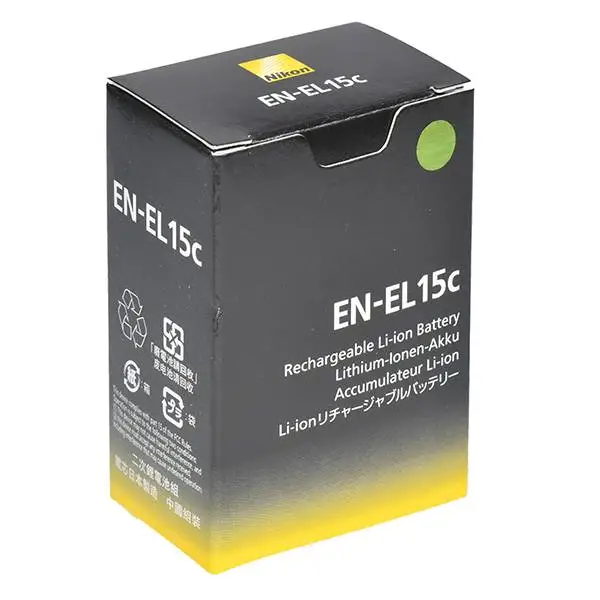
Counterfeit fears are not unfounded. Reddit threads detail batteries arriving in Nikon-sealed boxes yet failing in compatible cameras, hinting at mix-ups or “fakes before returning.” While Nikon states the EN-EL15c is broadly cross-compatible, users suggest verifying authenticity via serial numbers and packaging.
Durability stories balance the caution. Even after years of use, genuine Nikon units retain significant capacity and survive tough conditions. As pla 59 put it, “OEM is more expensive, but performs better and lasts longer… my original Nikon battery still charges and performs just as it did when I got it.”
Alternatives
Within community discussions, K&F Concept and DSTE emerge as main alternatives. The K&F Concept EN-EL15c offers 2600 mAh capacity, USB-C charging, and broad compatibility at a lower price. One Z8 user reported, “no problem… works very well without any error message.” DSTE’s model claims slightly longer life than OEM without affecting camera performance, appealing to budget shooters but lacking Nikon branding.
Price & Value
Prices range widely: OEM units hover around $66–$78 in Europe/US retail, while eBay listings dip to $39–$76 depending on seller and condition. Third parties undercut further, with some models around $21–$33. Buyers agree that while OEM commands a premium, its quality assurance and manufacturer support justify the cost for critical shoots. For resale, OEM batteries carry modest value—often bundled with body sales rather than sold separately.
FAQ
Q: Does the EN-EL15c work in older Nikon DSLRs?
A: Yes, it’s backward compatible with many older models like the D810 and D850, but without in-camera charging support on those bodies.
Q: Is in-camera USB charging available on all Nikon cameras?
A: No. It works on select mirrorless Z-series models like Z6, Z7, Z5, and newer, using the EH-7P adapter or compatible USB-C cables.
Q: How can I avoid counterfeit batteries?
A: Buy from authorized Nikon dealers and check packaging, serial numbers, and performance immediately upon arrival.
Q: What’s the lifespan of an EN-EL15c with heavy use?
A: Many users report solid performance for 4–5 years, with gradual capacity drop to 50–70% after extensive cycling.
Q: Are third-party EN-EL15c batteries safe?
A: Experiences vary. Some match OEM performance, but quality control is inconsistent. Verify brand reputation before purchase.
Final Verdict: Buy if you’re a Nikon DSLR or mirrorless owner who values OEM reliability, consistent performance, and in-camera charging convenience. Avoid if your priority is price over brand assurance or if you often shop on marketplaces prone to counterfeit mixing. Pro tip: If in doubt, charge new batteries with the original Nikon charger before first use to confirm proper function.





