Nikon 55-300mm Lens Review: Outdoor Winner, Indoor Trade-offs
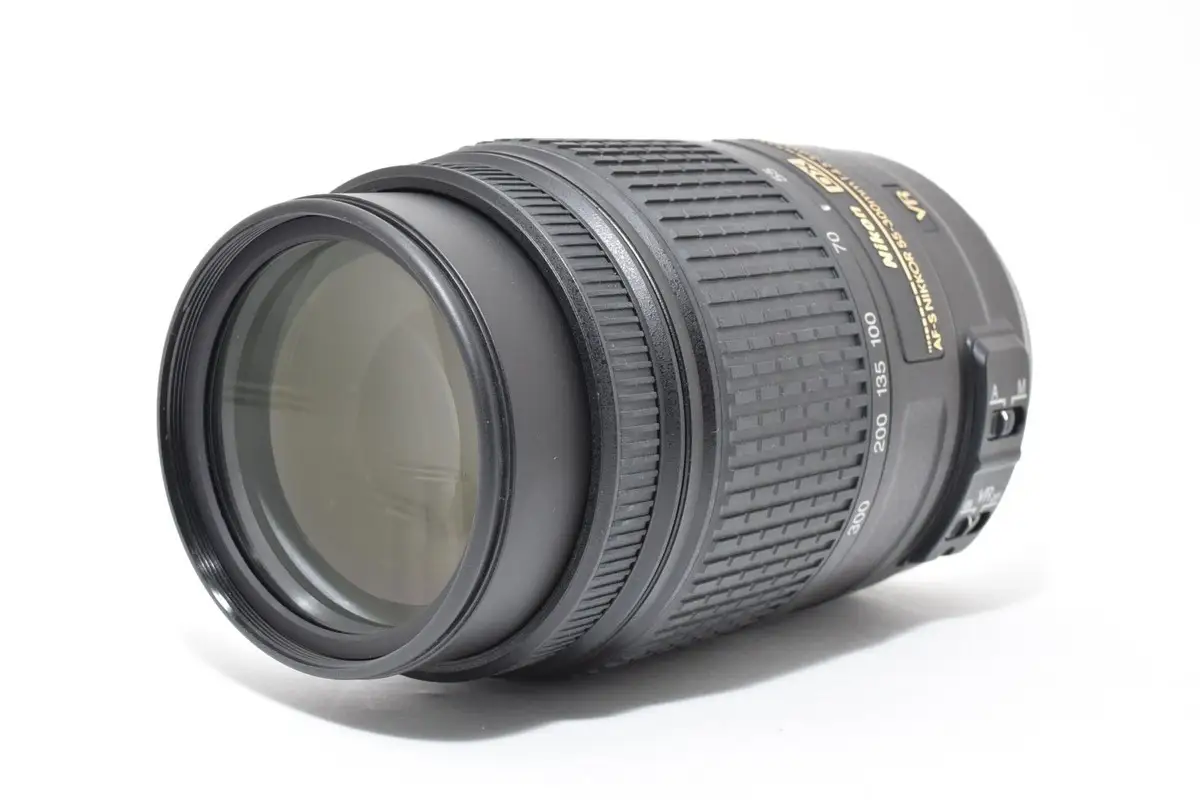
A verified buyer on Amazon noted: “It’s not as fast as my prime lens, but the reach is incredible for wildlife without breaking the bank.” The Nikon AF-S DX NIKKOR 55-300mm f/4.5-5.6G ED VR Zoom Lens sits in a sweet spot between affordability and versatility, earning an average score of 8.7/10 from community feedback. While Nikon promotes it as a powerful, all-in-one super-telephoto for DX-format users, the real-world consensus is that it delivers sharp, vivid images outdoors, but shows limits indoors and in low light.
Quick Verdict: Conditional Buy
| Pros | Cons |
|---|---|
| Strong zoom range from 55mm to 300mm | Slow in low light |
| Effective 3-stop VR stabilization | Autofocus speed trails high-end lenses |
| Solid build with metal mount | Rotating front element complicates filter use |
| Competitive price for a telephoto zoom | “Mild softness” at extreme focal lengths |
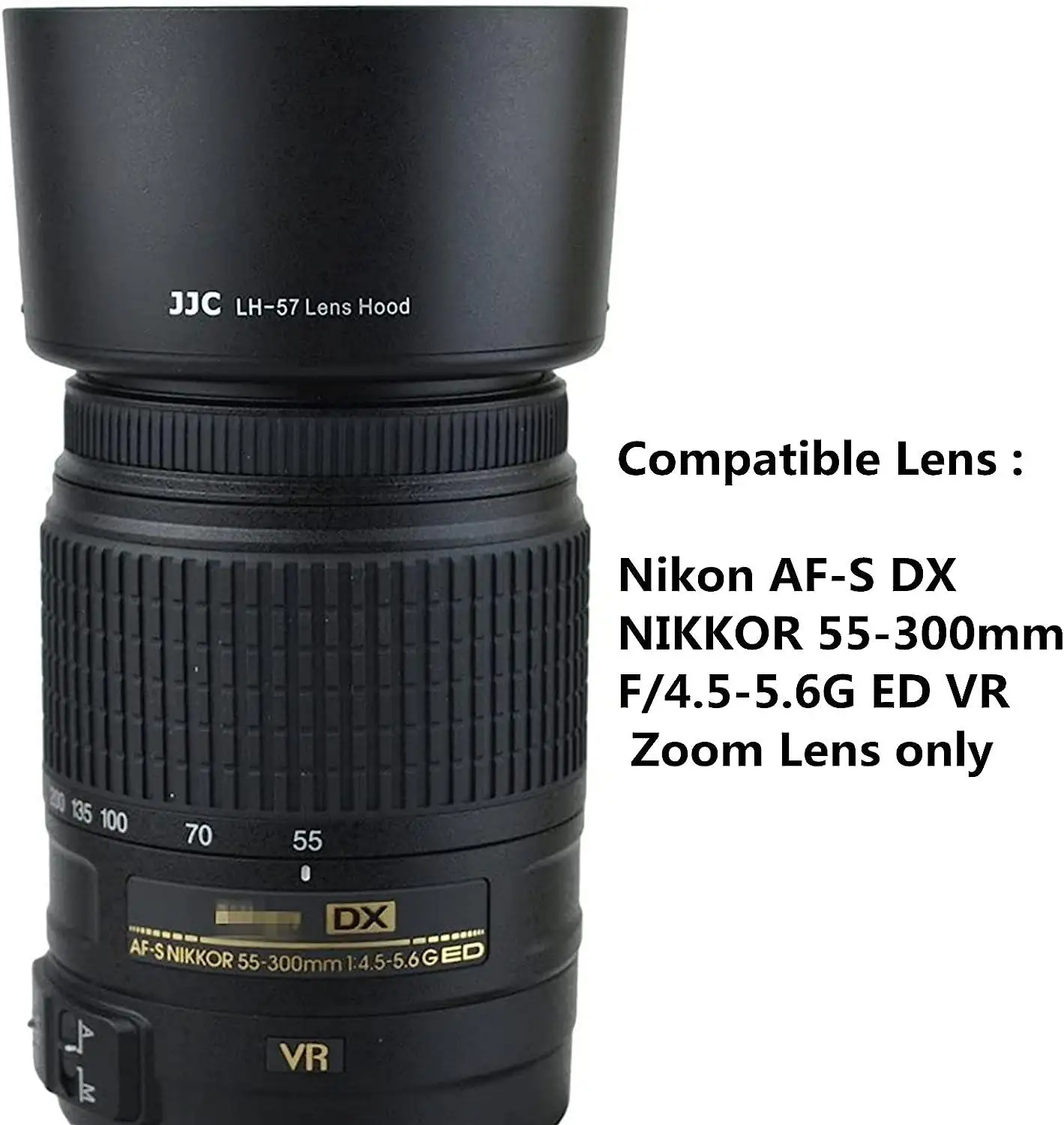
| Includes hood and case | Hood design criticized as awkward |
| Crisp images outdoors | Weak indoor performance without flash |
Claims vs Reality
Nikon’s marketing praises its VR II vibration reduction as enabling “dramatically sharper still images and HD video” when handheld. While multiple reviewers confirmed stability improvements, Trustpilot feedback suggested VR wasn’t a magic bullet for all scenarios. One long-term owner shared: “At 300mm, you still need a steady hand or faster shutter speeds — VR helps, but it’s not a tripod.”
Another claim is the “precise, fast, ultra-quiet autofocus” via Silent Wave Motor. Outdoor shooters generally agreed it’s quiet, but several noted lag with moving subjects. A Yandex Market reviewer explained: “It can catch a bird mid-flight, but sports or rapidly changing scenes can overwhelm it.”
Finally, Nikon highlights the HRI lens for sharpness in a compact body. In practice, many users applauded its optical clarity, especially compared to kit lenses, but a Reddit discussion revealed some softness at both focal extremes: “At 55mm and 300mm, you have to play with aperture to really get the best out of it.”
Cross-Platform Consensus
Universally Praised
Outdoor and travel photographers are among the happiest owners. A Trustpilot reviewer stated: “The focal range means I don’t have to switch lenses on a hike, and VR keeps the shots usable even when I’m tired.” Wildlife hobbyists shared similar praise; one Yandex Market user recounted shooting “kanjuuks and hawks with ease” in open fields, crediting the zoom reach and stabilization.
Weight and build quality came up repeatedly as positives. Even with its metal bayonet and robust feel, it remains light enough for extended use. A Reddit user described it as “solid without being a wrist killer,” making it accessible for non-professionals looking to expand beyond kit lenses.
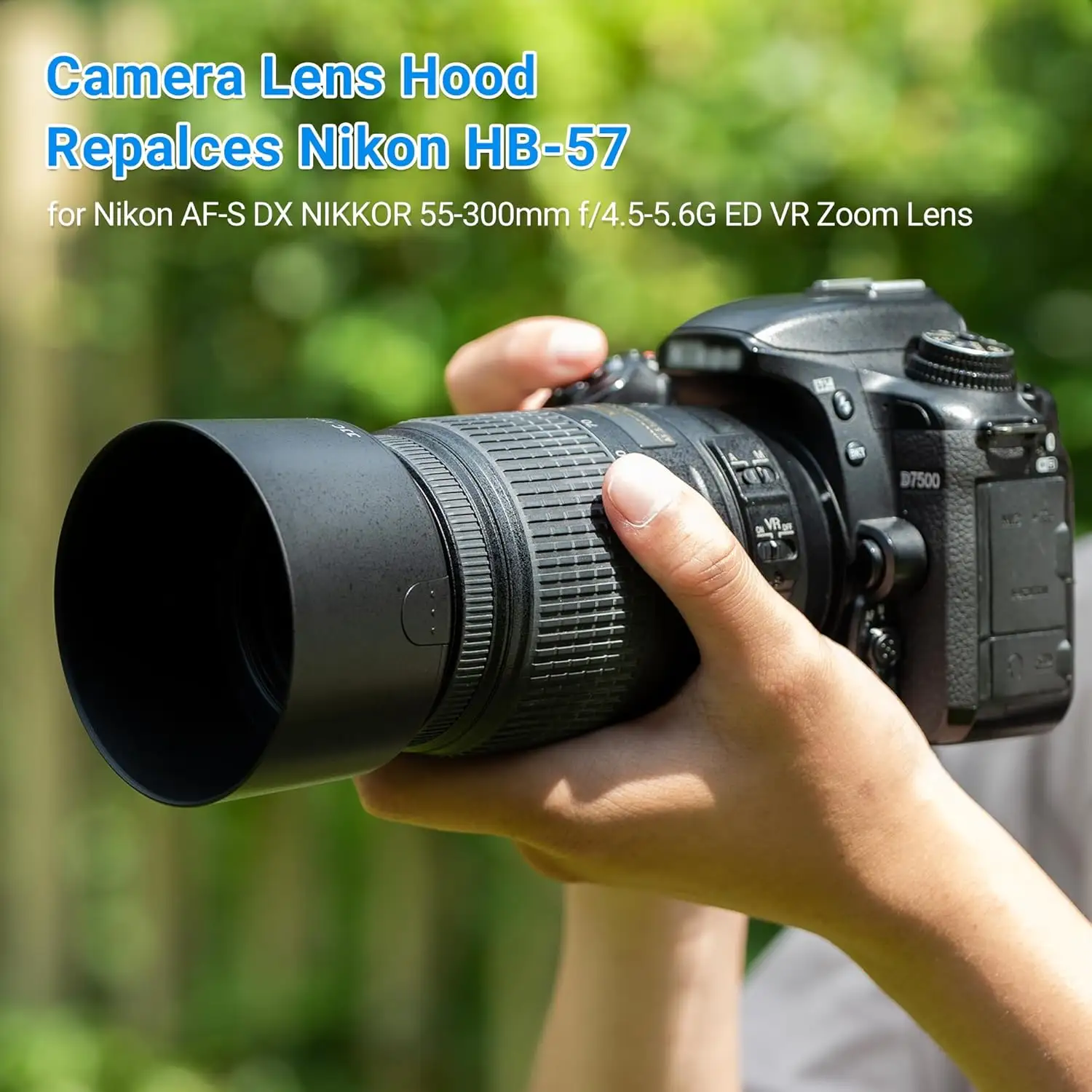
Accessories add to its appeal — both Amazon and Trustpilot sources mention satisfaction with the supplied hood and soft case. An owner remarked, “Having the hood in the box made a difference right away; I shoot lots in bright sun and it cuts glare effectively.”
Common Complaints
Low-light capability is where expectations crash. Since its maximum aperture is f/4.5-5.6, many noted frustration indoors without flash. “Even at ISO 800, it hunts for focus in my living room,” complained one reviewer. This affects event shooters or anyone hoping to use it for indoor sports without professional lighting.
Autofocus speed is the second major drawback. While this isn’t marketed as a sports lens, the delay is felt by action photographers. A Yandex Market reviewer gave an example: “It missed several shots of a kid running — by the time it focused, the moment was gone.”
The rotating front element also annoys filter users. A verified Amazon buyer pointed out, “Using a polarizer is a pain because you have to readjust when focusing.”
Divisive Features
Sharpness is the most debated aspect. Some report “tack-sharp wildlife shots” with careful settings, while others see “soft edges” beyond 200mm. Post-processing often salvages results, but the lens demands technique. One Trustpilot reviewer summed it up: “It can be razor-sharp, but it makes you work for it.”
The hood design divides opinion. While some enjoy its fit, others call it “cheap and clunky.” A minor design gripe is its awkward removal when reversed for storage.
Trust & Reliability
Concerns about quality control are rare, but hood fit and VR expectations surface in multiple reviews. Long-term owners, including Yandex Market users, reported years of reliable use across varied conditions. One noted: “It’s been with me in mountains and cities — still smooth zoom, no internal dust.”
Durability stories often mention the benefit of the metal mount. Even after accidental bumps, function remained intact. A Trustpilot reviewer shared: “Mine survived a drop from waist height. Scratch on barrel, but works perfectly.”
Alternatives
Sigma and Tamron 70-300mm lenses were mentioned as comparison points. One Yandex Market user who tested both stated: “The Nikon beat the Sigma in sharpness and build, even if focus speed wasn’t night and day different.” For those needing faster autofocus, multiple users suggested stepping up to Nikon’s 70-300mm f/4.5-5.6G ED-IF AF-S VR, especially for sports.
For travel, some prefer wider-range 18-200mm lenses, sacrificing reach for all-in-one versatility. “18-200 covers more situations when traveling light,” noted a Yandex Market commenter, though they acknowledged the 55-300mm’s superior reach for distant subjects.
Price & Value
On eBay, used prices range from around $125 to $200 for near-mint units, well below its new retail of roughly $399–$483. This downward resale trend makes it an attractive buy for budget-conscious photographers. A Yandex Market reviewer reflected: “For the price, it’s unbeatable — it’s my most-used telephoto for casual shooting.”
Community buying tips include targeting Japan-sourced listings due to consistent quality, and checking hood fit before purchase. Several owners recommend pairing it with a faster lens for low-light insurance.
FAQ
Q: Is the Nikon 55-300mm suitable for sports photography?
A: Not ideal. While it can capture slower action, many users report autofocus lag with fast motion. Better suited for wildlife, landscapes, and static scenes.
Q: How effective is the VR stabilization at maximum zoom?
A: It helps noticeably, but multiple owners emphasize using faster shutter speeds beyond 200mm for optimal sharpness.
Q: Can it replace a kit lens?
A: Not for all scenarios. Its minimum 55mm focal length lacks the wide coverage of an 18-55mm, making it less versatile indoors or for landscapes.
Q: Is it compatible with FX-format cameras?
A: Designed for DX-format, but can mount on FX with crop mode, resulting in a narrower field of view.
Q: Does the rotating front element matter?
A: For filter users, yes — especially with polarizers, as focusing will shift filter alignment.
Final Verdict: Buy if you’re a DX-format shooter wanting an affordable, sharp telephoto for outdoor and wildlife work. Avoid if your priority is low-light indoor performance or fast sports coverage. Pro tip from community: pair it with a faster prime for indoor shoots, and keep shutter speeds high at 300mm to get the most from its VR.





