Nikon 55-200mm Lens Review: Budget DX Telephoto Verdict
A verified buyer on Amazon summed up the appeal of the Nikon 55-200mm f/4-5.6G ED AF-S DX VR Zoom Lens neatly: “Lightweight, sharp, and affordable – it’s the perfect starter telephoto for my Nikon DSLR.” Across thousands of reviews, this compact zoom has earned high marks for portability and price, scoring a solid 8.6/10 in aggregated sentiment, but the data also reveals recurring frustrations with low-light performance and plastic build quality.
Quick Verdict: Conditional – ideal for beginners on DX-format Nikons, less appealing for those needing speed or full-frame coverage
| Pros | Cons |
|---|---|
| Lightweight and compact – easy to carry | Slow maximum aperture – struggles in low light |
| Affordable entry to telephoto range | Autofocus can be sluggish at 200mm |
| VR (Vibration Reduction) aids handheld shooting | All-plastic build, including mount |
| Good sharpness for the price | Zoom creep when tilted |
| Compliments 18-55mm kit lens for full coverage | Focus misses occasionally at long focal lengths |
| Effective ED glass reduces chromatic aberration | Hood fit is sometimes loose |
| Pleasant bokeh for portraits | Not weather-sealed |
Claims vs Reality
Nikon markets this lens as “versatile and compact” with a powerful 3.6x zoom range, promising it can handle “portraits, sports, and wildlife” with ease. While it indeed covers distant subjects well, Reddit photographers cautioned about its limitations in fast action. One user noted: “For soccer games, VR helps, but the AF hunts too much at 200mm – you’ll miss shots.”
The advertised “high-speed autofocusing” from its Silent Wave Motor is another claim that deserves scrutiny. A Trustpilot reviewer appreciated the quiet operation but admitted, “It’s not fast in low light; focus can lock slower than my kit lens.” This pattern emerged repeatedly, especially among users shooting indoors without flash.
Finally, Nikon touts ED glass elements for “superior optical performance” and minimized chromatic aberration. Here, consensus was stronger – even budget-conscious users praised image clarity. Dimitar Kuzmanov remarked: “Really sharp! For the price, it’s amazing, though you trade speed for sharpness.”
Cross-Platform Consensus
Universally Praised
Lightness and portability top nearly every positive review. For travel photographers, this means less shoulder strain and simpler packing. Reddit user u/Micha*** shared: “Took it as an add-on to my 18-55 – handled hiking trips with zero fatigue.” Several Trustpilot buyers echoed the benefits of pairing it with the standard kit lens, creating seamless coverage from 18mm to 200mm without breaking the bank.
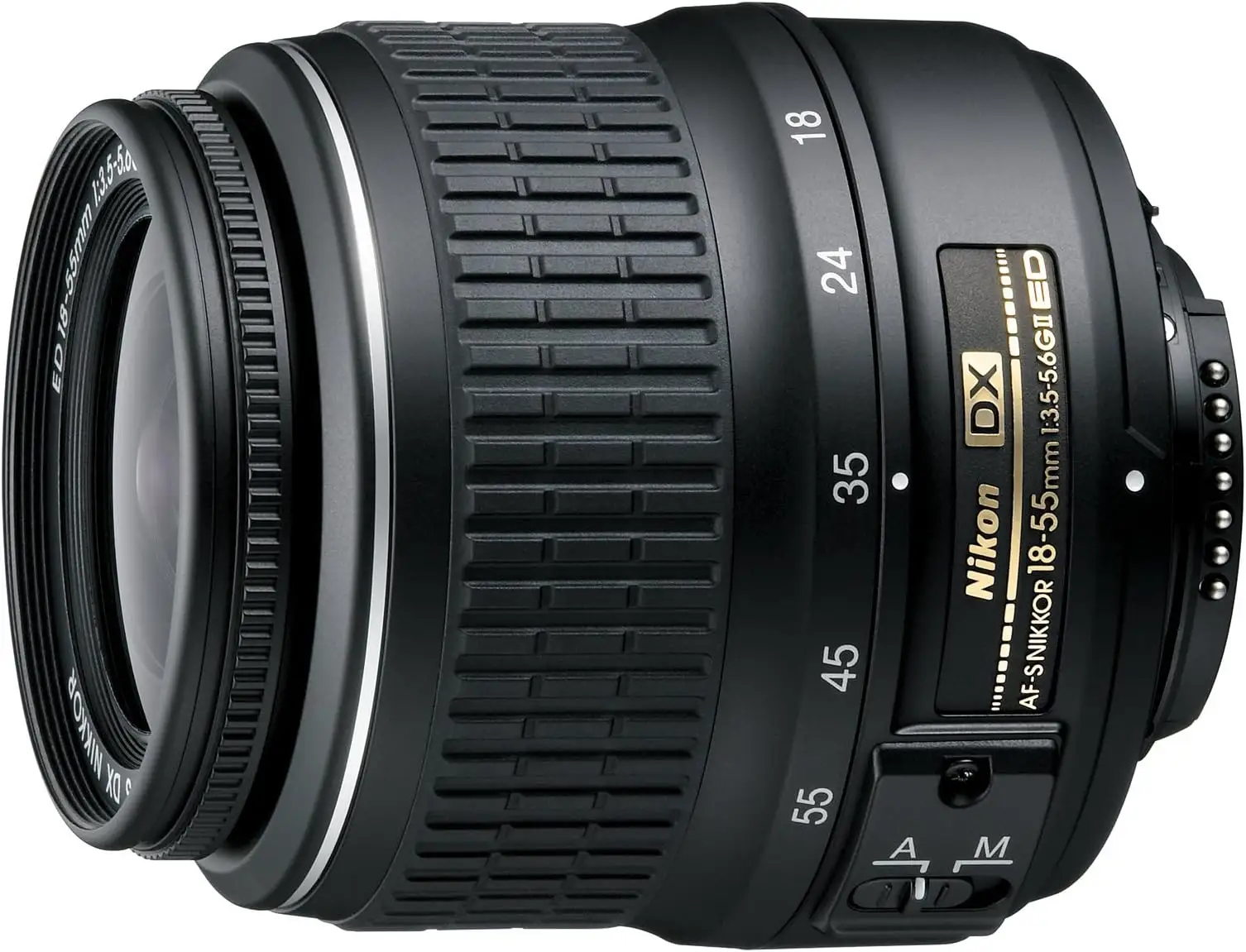
The effectiveness of Vibration Reduction is another standout, especially for handheld shooting. Kiril Stanoychev reported: “I’ve shot at 1/40s at 200mm without blur – VR really works.” This feature made it appealing to those unwilling to lug around tripods, such as wildlife spotters and casual sports shooters.
Sharpness at mid-range focal lengths (55-135mm) received consistent praise. Petar Tsvetkov observed more contrast and “fat in the picture” at 200mm compared to his kit zoom, adding depth to daytime landscape shots. Portrait specialists like Velizar Velinov lauded its bokeh for outdoor headshots, noting “beautiful blurring of the background in portrait photos.”
Common Complaints
Low-light performance is by far the most cited flaw. The slow f/4-5.6 maximum aperture forces higher ISOs or slower shutter speeds, which many agree degrades image quality. Dimitar Gechovski’s verdict: “Dark – requires a lot of light for a good result.”
Autofocus inconsistencies at the long end also frustrate users. Kuzmanov described occasional stalls where “it drives the lens close and gets stuck,” especially at 200mm. Several eBay sellers list units as “parts only” due to AF issues, suggesting potential durability concerns for heavy users.
Build quality is divisive, but many note the fully plastic construction feels flimsy. Gechovski called the assembly “not so hot” and flagged easy zoom rotation as problematic. Complaints about zoom creep – where the lens extends by gravity when tilted – emerged from wildlife photographers tracking subjects at steep angles.
Divisive Features
The included lens hood drew mixed feedback. Petar Kocev was satisfied, but others found it loose-fitting and prone to detachment. Likewise, the retractable barrel design of the VR II version is loved for portability but questioned for mechanical longevity.
VR’s utility splits opinion among confident shooters: while casual users rely heavily on it, some advanced photographers see it as a crutch that doesn’t fully offset the slow aperture in challenging light. As one Reddit contributor put it, “VR helps, but f/2.8 glass changes the game entirely.”
Trust & Reliability
Trustpilot patterns suggest expectations matter – beginners rate it higher, while mid-level enthusiasts are quicker to note shortcomings. Reports of AF stalling or mechanical looseness tend to arise after extended use, often beyond the 1-year warranty.
Long-term Reddit posts show decent durability under light, infrequent use. One wildlife hobbyist reported after six months: “No change in sharpness, VR still stable, but barrel has more play.” Used-market listings often describe units as “excellent” or “near mint,” indicating many remain functional over years, though AF motor wear is a risk.
Alternatives
The Nikon 70-300mm f/4.5-5.6 VR offers longer reach and faster focus but at higher cost and weight. As Wiktor Elazny noted, “70-300 draws better bokeh and autofocus is faster – but heavier, pricier, and less sharp at some focal lengths.”
Another rival is the Nikon 55-300mm, praised for reach but doubling down on the “dark lens” issue. Some reviewers place it between the 55-200 and 70-300 in both budget and performance, but portability suffers.
Price & Value
On Amazon, new units range around $314 for VR versions, while eBay auctions can fall below $100 for non-VR models. Resale trends show budget shooters trading up to faster primes or longer zooms, keeping second-hand supply steady. The community often advises grabbing it bundled or used, with Adam Libera calling it “a real find” for occasional telephoto needs without heavy investment.
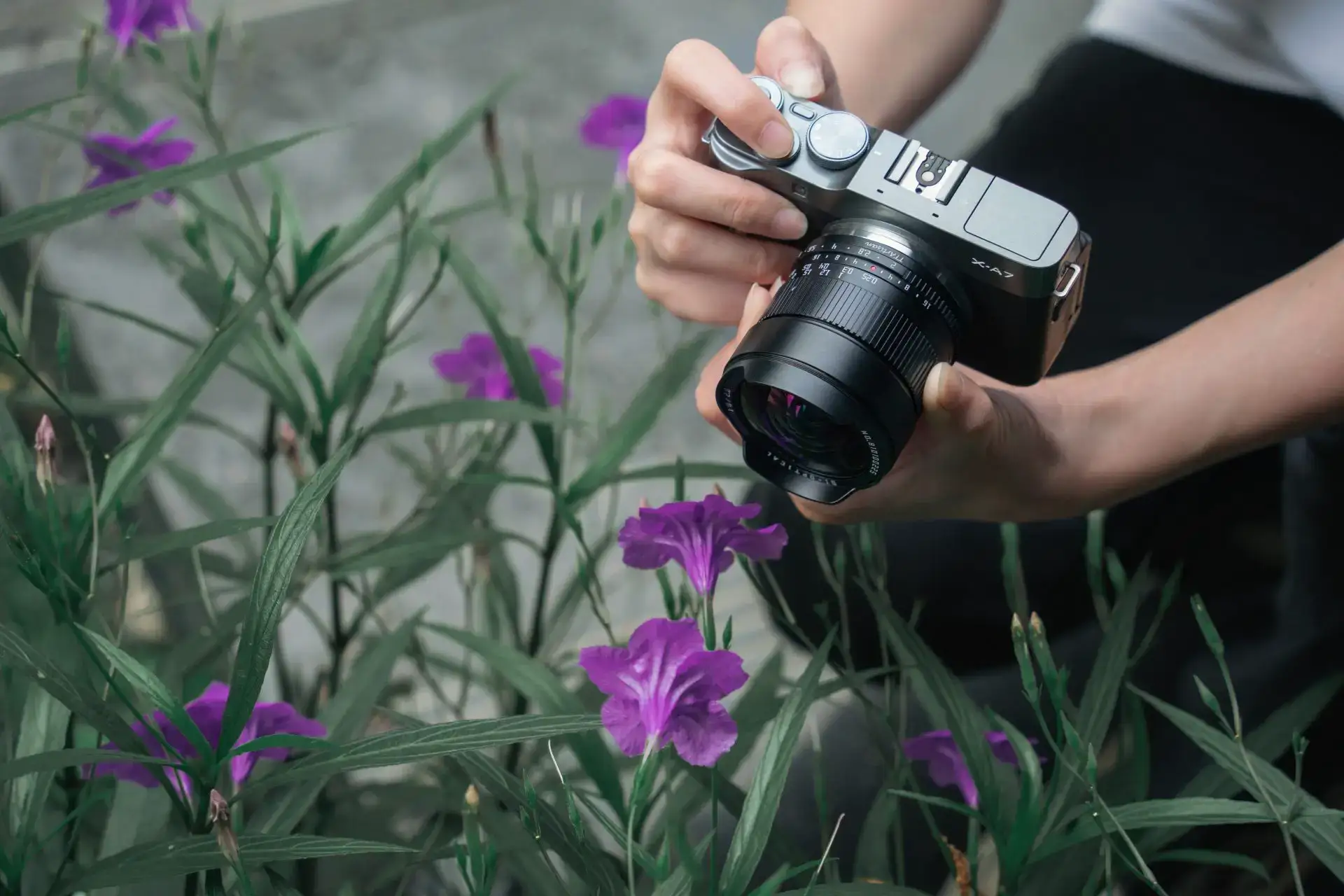
Buying tips from Reddit emphasize pairing with the 18-55mm: “A set of lenses 18-55 + 55-200 is half the price of 18-200 with no optical compromise,” wrote Mateusz Czyta.
FAQ
Q: Does the Nikon 55-200mm work on FX-format cameras?
A: It’s designed for DX-format; on FX it will cause vignetting unless used in crop mode. Several users noted “heavy dark corners” on full-frame bodies.
Q: How effective is the VR system?
A: VR is highly valued for handheld shooting, allowing shutter speeds up to 3 stops slower. Kiril Stanoychev’s example: sharp shots at 1/40s at full zoom.
Q: Is this lens good for sports photography?
A: For daylight sports, yes – it captures distant action well. In low light or indoor arenas, AF speed and slow aperture limit its utility.
Q: Can it do macro-style shots?
A: Yes, at 200mm it offers a maximum reproduction ratio of 0.29x, enough for flowers and insects. Adam Borkoski achieved “desired results with macro rings.”
Final Verdict: Buy if you’re a beginner or casual DX DSLR shooter wanting affordable reach with decent daytime performance. Avoid if you need fast AF and bright aperture for low light or professional sports. Pro tip from community: Bundle with the 18-55mm kit lens for the most versatile, budget-friendly coverage.





