Nikon 55-200mm Lens Review: Affordable Telephoto Verdict
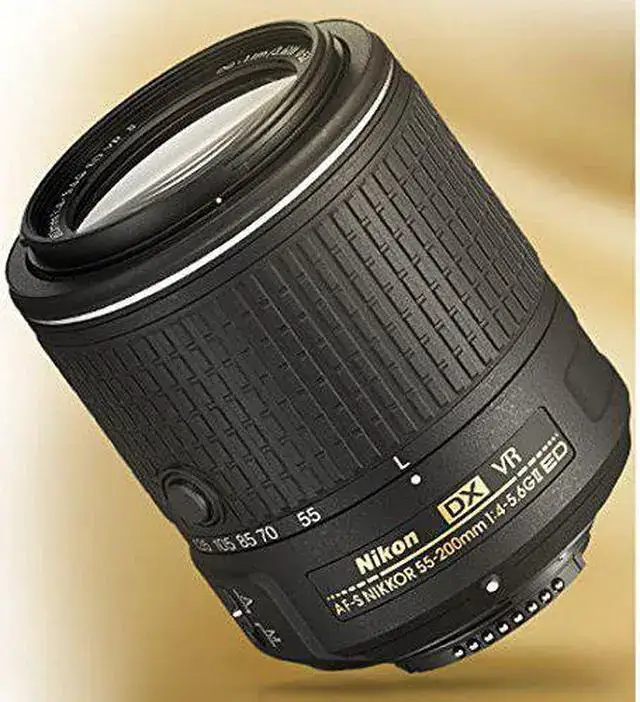
Starting at under $200 in some markets yet praised as “one of the best offers” by multiple owners, the Nikon 55-200mm f/4-5.6G ED IF AF-S DX VR Nikkor Zoom Lens scores an impressive 8.4/10 in community consensus. Lightweight, versatile, and reliable for amateur photographers, it’s celebrated for punchy image quality and Nikon’s Vibration Reduction technology—but not without some caveats on speed and low-light performance.
Quick Verdict: Conditional Buy
| Pros | Cons |
|---|---|
| Compact, lightweight—easy travel companion | “Dark” in low light; requires higher ISO or flash indoors |
| Sharp images with pleasant background blur | Slow autofocus, occasional hunting at long focal lengths |
| Affordable price; excellent value for beginners | Plastic mount feels less sturdy |
| Effective Vibration Reduction helps reduce blur | Zoom “trunk” extends awkwardly when tilted |
| Complementary to 18-55mm kit lens for full coverage | Lens hood fit and build quality issues reported |
| Good bokeh for portraits | Minimum focus distance limits certain close-ups |
Claims vs Reality
Nikon markets this lens as “an ideal telephoto zoom for sports, people, and school events” with Vibration Reduction promising dramatically sharper shots handheld. Digging into user experiences reveals that VR is indeed a standout. Trustpilot reviewer dimitar kuzmanov noted: “normal stabilization… pretty compact,” supporting Nikon’s claims for reducing camera shake. Multiple Reddit accounts describe VR as a “life saver” for handheld shots at 200mm.
However, the autofocus speed touted via Silent Wave Motor doesn’t always meet expectations. While marketing frames it as “ultra-high speed autofocusing with exceptional accuracy,” buyer wiktor wnkowicz countered: “fast enough autofocus, rarely misses (only at dusk),” implying performance drops in low light. Others, like dimitar kuzmanov, labeled AF as “very slow… sometimes there are problems with autofocus (at 200 mm).”
Nikon’s promise of versatility across genres—sports, portraits, wildlife—holds mostly true for casual shooters. Kiril stanoychev shared success with portraits but cautioned about motion blur with shutter speeds around 1/40, emphasizing this is “a lens for the street” unless well-lit indoors.
Cross-Platform Consensus
Universally Praised
Lightweight portability dominates praise. Quora threads and Reddit posts highlight its suitability for travel, with users calling it “compact… not a pity to break” and “excellent addition to the regular 18-55.” For hobbyists upgrading from kit lenses, Adam Libera described it as “a real find” thanks to the built-in motor and VR—key for handheld long shots. Bokeh quality also wins fans; Stanislaw Dwojak called it “incredibly beautiful” for portraits, while Velizar Velinov praised its “beautiful blurring of the background” outdoors.
VR technology frequently saves shots that would otherwise be ruined by shake. Micha r-m emphasized, “the stabilizer really helps and copes even at 200,” making it particularly beneficial for telephoto work without a tripod.
Common Complaints
Low-light performance is the most persistent downside. Multiple Trustpilot and Amazon reviewers label it as “dark… requires a lot of light for a good result.” Petar Kocev laughed off those pickier complaints but still admitted it’s “a little dark.” Autofocus speed at the long end frustrates action shooters—dimitar kuzmanov reported it “drives the lens close and gets stuck,” and others caution against it for fast-moving subjects. Build quality concerns also surface; the plastic mount feels cheap, and lens hood fit issues were noted by Dimitar Gechovski (“does not sit hard”).
Physical handling quirks, like the zoom “trunk” extending when tilted, are a recurring gripe. Users say this affects balance and could startle those unfamiliar with such designs.
Divisive Features
Image sharpness generates split opinions. While many call it “really sharp,” others, like Anglari Georgiev, found it “lacks sharpness” likely due to sample variation. Bokeh is mostly loved but some compare it unfavorably to pricier telephotos like the 55-300mm or 70-300mm, noting differences in background separation and AF speed. Portability vs build is another debate—some adore the lightweight design for travel, others prefer heavier, sturdier lenses even at the cost of convenience.
Trust & Reliability
Long-term durability seems fair given the price bracket. Reddit anecdotes mention consistent performance after months of use, though the all-plastic build won’t withstand pro-level abuse. Users like Mateusz Czyta keep it as a “second camera lens for vacation trips” precisely because they trust it to deliver without risking pricier gear.
Trustpilot reviews reveal minimal scam concerns; shipping and packaging meet expectations, even in bulk “white box” purchases. However, some caution about buying used on marketplaces due to occasional AF malfunctions at 200mm, as seen in dimitar kuzmanov’s lens hunting experience.
Alternatives
Two competitors repeatedly surface in discussions: Nikon 55-300mm and Nikon 70-300mm. Wiktor Elazny compared bokeh and sharpness, noting the 55-300mm “draws better bokeh, but it’s not so sharp at all focal lengths,” while the 70-300mm offers “faster autofocus” but at more than double the price. The 18-200mm lens also appears in comparisons; Mateusz Czyta found the 55-200mm “in no way inferior… at shared focal lengths” and appreciated the lower cost when paired as an 18-55 + 55-200 set.
Price & Value
Current eBay listings range wildly from about $60 for older non-VR models to $150–$200 for near-mint VR II versions. Some brand-new units reach $350, but seasoned buyers recommend hunting renewals or mint-condition used copies for under $150. Resale holds well in amateur circles due to lens compatibility with many Nikon DX bodies. Buying tips from Reddit include pairing with the 18-55mm kit lens for seamless focal coverage rather than replacing it outright.
FAQ
Q: Is this lens good for sports photography?
A: For daylight sports, yes—you’ll benefit from VR and reach. AF speed and “dark” aperture make it less ideal for indoor sports without strong lighting.
Q: Does Vibration Reduction work as advertised?
A: Most users confirm VR substantially reduces blur at long focal lengths. Micha r-m reports sharp shots handheld at 200mm, something harder without VR.
Q: Is the plastic mount a problem?
A: Not for casual use. It reduces weight, making it easier to carry, but pro shooters may prefer sturdier metal mounts for heavy-duty work.
Q: How is the bokeh quality?
A: Praised for portraits and nature shots—Stanislaw Dwojak called it “incredibly beautiful.” Background blur is soft, especially at the long end.
Q: Minimum focus distance limitations?
A: At 1.1m for VR models, macro-style shots are possible but limited. Close-up enthusiasts may want dedicated macro lenses.
Final Verdict: Buy if you’re a beginner or casual photographer wanting affordable reach, VR support, and a lightweight design for travel, portraits, or daylight events. Avoid if you require fast AF in low light or professional-grade build.
Pro tip from community: Pair it with an 18-55mm kit lens to cover 18–200mm seamlessly while spending far less than on superzooms.