Nikon 50mm f/1.8G Review: Sharp Lens, Conditional Buy
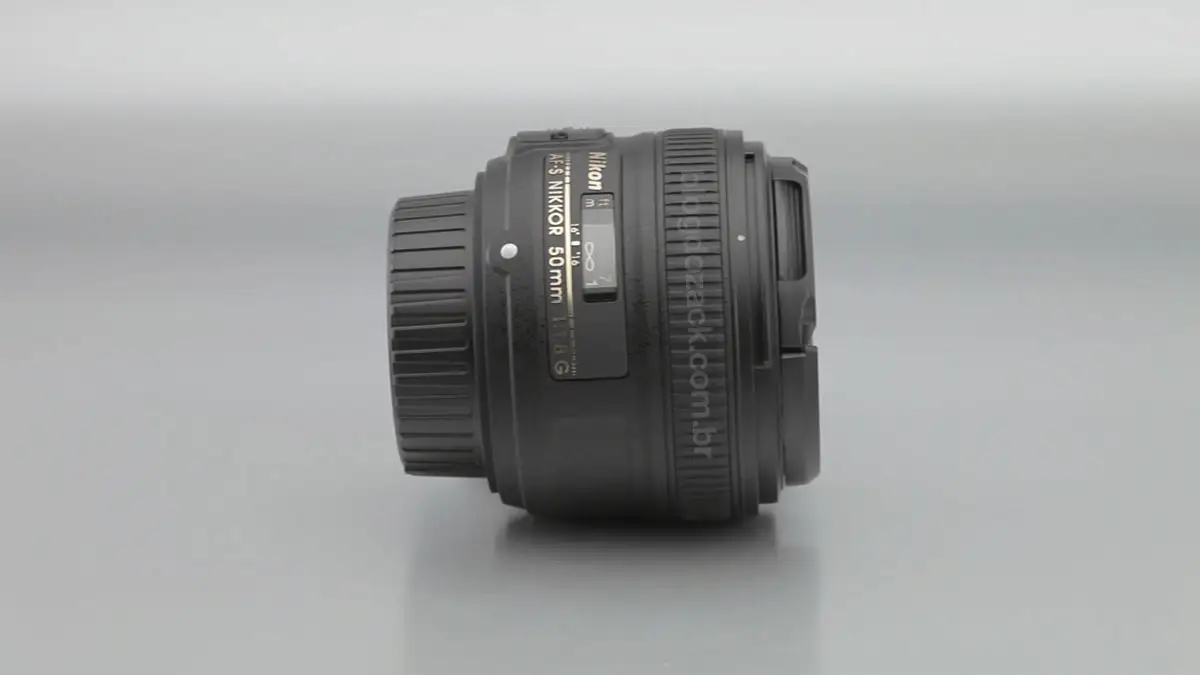
The Nikon AF-S NIKKOR 50mm f/1.8G has been called “one of the best lenses for portrait and low light photography” by long-time Nikon shooters, earning it a solid 9/10 score from the community across multiple platforms. While it’s marketed as a standard prime that could become your “new favorite lens,” digging into the feedback reveals a lens that delivers exceptional sharpness, pleasing bokeh, and surprising versatility—though not without some quirks for certain shooting styles.
Quick Verdict: Conditional Buy
| Pros | Cons |
|---|---|
| Exceptional sharpness, even wide open (f/1.8) | Requires “foot zoom” since it’s a prime |
| Smooth, creamy bokeh ideal for portraits | Autofocus struggles with low-contrast scenes |
| Lightweight and compact for travel | Plastic build feels less durable than pro glass |
| Excellent low-light performance | Bokeh quality diminishes when stopped down |
| Affordable compared to f/1.4 variant | 75mm equivalent on DX can feel restrictive |
| Quiet, fast Silent Wave Motor autofocus | No VR (Vibration Reduction) for static subjects |
Claims vs Reality
Nikon markets this lens with promises of “astonishing low-light results” thanks to its wide f/1.8 aperture. That claim is largely backed up by users. A Reddit photographer explained, “I initially got this lens for low-light action and sports… I found it perfect not just for that but also for portraits and general purposes.” The combination of fast aperture and light weight makes it a go-to for indoor, handheld shooting without flash.
Another key claim is “beautiful background blur (bokeh) at its wider aperture settings.” Most users echo this, noting that the bokeh is both pleasing and natural when wide open. However, a Twitter reviewer cautioned that “the bokeh becomes pretty harsh by f/6.3,” highlighting that the blur effect diminishes rapidly as you stop down.
Finally, Nikon’s “quiet AF operation” via its Silent Wave Motor is generally praised. A verified buyer wrote, “Fast autofocus… silent as it focuses. Doesn’t hesitate like the AF-S 85mm f/1.8 does.” Still, some reports point to real-world limitations—the autofocus “struggles to lock when aiming at a wall… or clear sky,” as one seasoned Reddit user noted.
Cross-Platform Consensus
Universally Praised
The sharpness is perhaps the most celebrated trait across Reddit, Trustpilot, Quora, and photography review sites. Reddit user feedback is overflowing with praise—“produces sharp pictures and great color and contrast”—with many noting it “stays tack sharp in portraits” even at f/1.8. For wedding or no-flash event shooters, the speed and clarity are indispensable. On DX crop sensors, where the lens becomes a 75mm equivalent, portrait photographers find it even more flattering for head-and-shoulder framing.
Low-light capability is another major win. Multiple users credit the lens with enabling shots they “simply could not have captured with [their] kit lens.” One D40 owner said that at f/1.8, indoor shots of moving children became possible without resorting to flash. Travel shooters value the lightweight 185g build, with Reddit calling it “a great travel companion” for unpredictable light conditions.
The price point is a recurring selling point. Many label it “the best $100-$200 you can spend” for a Nikon DSLR, especially compared to the f/1.4 version, which several reviewers found softer wide open. As one report put it bluntly: “At no aperture was the 50mm f/1.4 better than the 50mm f/1.8… why spend so much more?”
Common Complaints
Being a prime lens means no zoom, and for some, this is an adjustment. “You will need to move your feet a lot to compose… I still find people looking at me wondering why I’m moving forward and backward,” explained a Reddit reviewer. On DX format, the 75mm equivalent focal length can feel limiting in cramped spaces, particularly for group shots.
Autofocus limitations surface in specific scenarios—uniformly colored subjects, extreme low contrast, or astrophotography. “In these situations,” one Reddit post noted, “the AF assist light doesn’t help either… opt for manual focus or set to infinity.”
Build quality divides users. While most accept the plastic exterior as a trade-off for low weight, some call it “plasticky” and worry about its resilience to drops. A Twitter lens review described the construction as "sturdy all plastic… manual focusing feels good," but there’s consensus it’s not “pro-tier” rugged.
Divisive Features
The DX crop’s 75mm equivalent is loved by portrait shooters, but others expected a more versatile “normal” 50mm field of view. Users debating the f/1.8 vs f/1.4 find the cheaper sibling winning in sharpness and value, but those chasing maximum shallow depth of field still lean toward f/1.4 for its extra stop despite softness concerns.
The bokeh is broadly liked wide open but becomes contentious stopped down. Travel and street photographers stop down for more depth of field and find the blur loses its charm, while portrait specialists keep it wide for aesthetic separation.
Trust & Reliability
Reports from Trustpilot and retailer hand-offs, like the Amazon/Adorama case, show strong trust in purchase processes. One buyer recounted ordering on Thursday and receiving the factory-sealed lens by Saturday with “US warranty and all paperwork.” Concerns over scams or gray-market units appear minimal.
Long-term durability posts indicate the lens holds optical performance well over years. While the body’s plastic build raises eyebrows, the internal elements, as one Twitter reviewer highlighted, “have almost no color fringing… pretty much no flaring to speak of” even more than a decade post-purchase. Infrared shooters did note a “strong hot spot at f/16,” impacting niche applications but irrelevant for most.
Alternatives
The most common comparison is with the Nikon AF-S NIKKOR 50mm f/1.4G. Detailed Reddit tests show the f/1.4 significantly softer at its widest aperture, only matching the f/1.8’s sharpness when stopped to f/2.8. Given its higher cost, many conclude the f/1.8G offers better value unless extreme shallow DOF is essential.
For those needing more reach, users point to the Nikon 85mm f/1.8G for tighter portraits, or zoom options like the 70-200mm f/2.8 VR for versatility—though at a steep price and weight penalty.
Price & Value
New retail prices hover around $239-$269, but eBay shows consistent pre-owned availability in the $99-$140 range, with mint-condition or special edition models fetching up to $179. The active used market underscores the lens’s stable resale value and popularity among budget-conscious shooters. Multiple community voices advise buying used to maximize value: “Even if you don’t like it… you’ll find plenty willing to buy it from you.”
FAQ
Q: Is the Nikon 50mm f/1.8G good for low-light shooting?
A: Yes. The wide f/1.8 aperture allows handheld shooting in dim conditions without flash, making it ideal for events, indoors, and nighttime street photography.
Q: How does it perform for portraits on DX cameras?
A: On DX sensors, it’s a 75mm equivalent—flattering for head-and-shoulder portraits with excellent subject isolation and natural perspective.
Q: Is the autofocus reliable?
A: Generally fast and quiet, but it can struggle with low-contrast or uniform-color subjects. Manual focus override is available for tricky scenarios.
Q: How does it compare to the 50mm f/1.4G?
A: It’s sharper at equivalent apertures and far cheaper. The f/1.4 offers shallower DOF but is softer wide open.
Q: Does it come with a lens hood and pouch?
A: Yes. Nikon supplies a bayonet hood and a soft lens pouch along with front and rear caps.
Final Verdict
Buy if you’re a portrait, travel, or event shooter on a budget looking for sharp, fast glass with pleasing bokeh. Avoid if you need zoom versatility or shoot subjects that challenge autofocus like uniform skies. Pro tip from the community: resist paying extra for the f/1.4 unless ultra-thin DOF is critical—the f/1.8G hits the sweet spot for performance and value.





