Neenah Astrobrights Cardstock Review: Worth It? 8.7/10
A five-star chorus gets interrupted by one oddly specific gripe: “finally a true, bright white!!!” versus “it’s not bright white in color…more off white.” That tension—between “exactly what I needed” and “not quite what I expected”—runs through feedback on Neenah Astrobrights Premium Color Card Stock. Verdict: a dependable, printer-friendly cardstock for crafts and event paper goods, with thickness expectations being the main fault line. Score: 8.7/10.
Quick Verdict
Yes—conditionally (especially if you want smooth, printer-compatible 65 lb cardstock and vivid colors), but confirm your thickness needs if you’re aiming for “postcard” or “business card” rigidity.
| What buyers focus on | What they liked | What bothered some | Best for |
|---|---|---|---|
| Print + feed reliability | “worked well in printer.” | “limitations when pushing…through certain high-volume printers.” | Home/office inkjet & laser use |
| Thickness | “good thickness” / “heavy duty paper” | “not thick as i thought.” / “slightly thinner than expected” | Invitations, menus, classroom materials |
| Color/finish | “finally a true, bright white!!!” / “color matched picture.” | “more off white.” / some colors “brighter than it looks online.” | Crafts, flyers, bold projects |
| Durability | “durable even when it gets a little wet!” | Cutting needs care for clean edges | Kids’ art, handling-heavy projects |
| Value | “quality at a good price point.” | Packaging variation concerns | Repeat craft/business buying |
Claims vs Reality
The marketing language leans hard on “bold, deeply saturated colors” and “bleed-free…single and double-sided printing,” plus broad “copier, inkjet, and laser printer compatible.” Digging deeper into user remarks, most stories do back up the “easy in the printer” claim—but not universally, and not always for every machine type. In one roundup-style review, the cardstock “ran smoothly through our inkjet printer…without any jams,” yet the same source flags “limitations when pushing the cardstock through certain high-volume printers.” The gap here isn’t about basic compatibility, but about workload: occasional friction appears when users treat it like production stock.
The brand also positions 65 lb / 176 gsm as a durable “cover” weight. Real buyers frequently echo that it feels substantial compared to standard paper. An Amazon reviewer described a graduation project outcome simply: “This cardstock was just what i needed…good thickness, worked well in printer.” Another went further on sturdiness: “Heavy duty paper…used this as our menu cards for our wedding and they came out fantastic.” But thickness is also where expectations collide with reality. While some call it “thick,” others push back: “beautiful color just not thick as i thought,” and “it might be slightly thinner than expected for business cards.” For shoppers equating “card stock” with postcard-board rigidity, multiple reports suggest this can feel lighter than hoped.
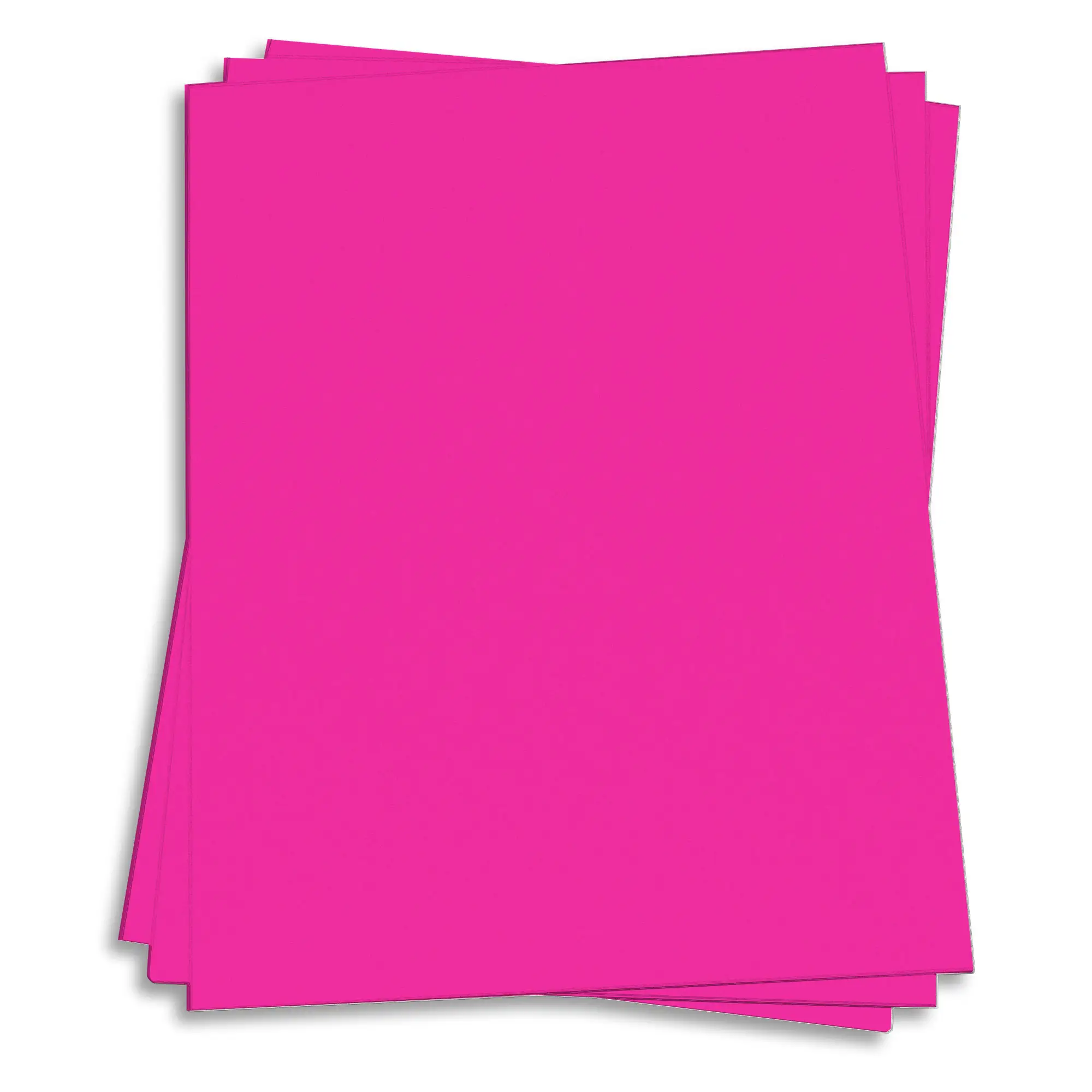
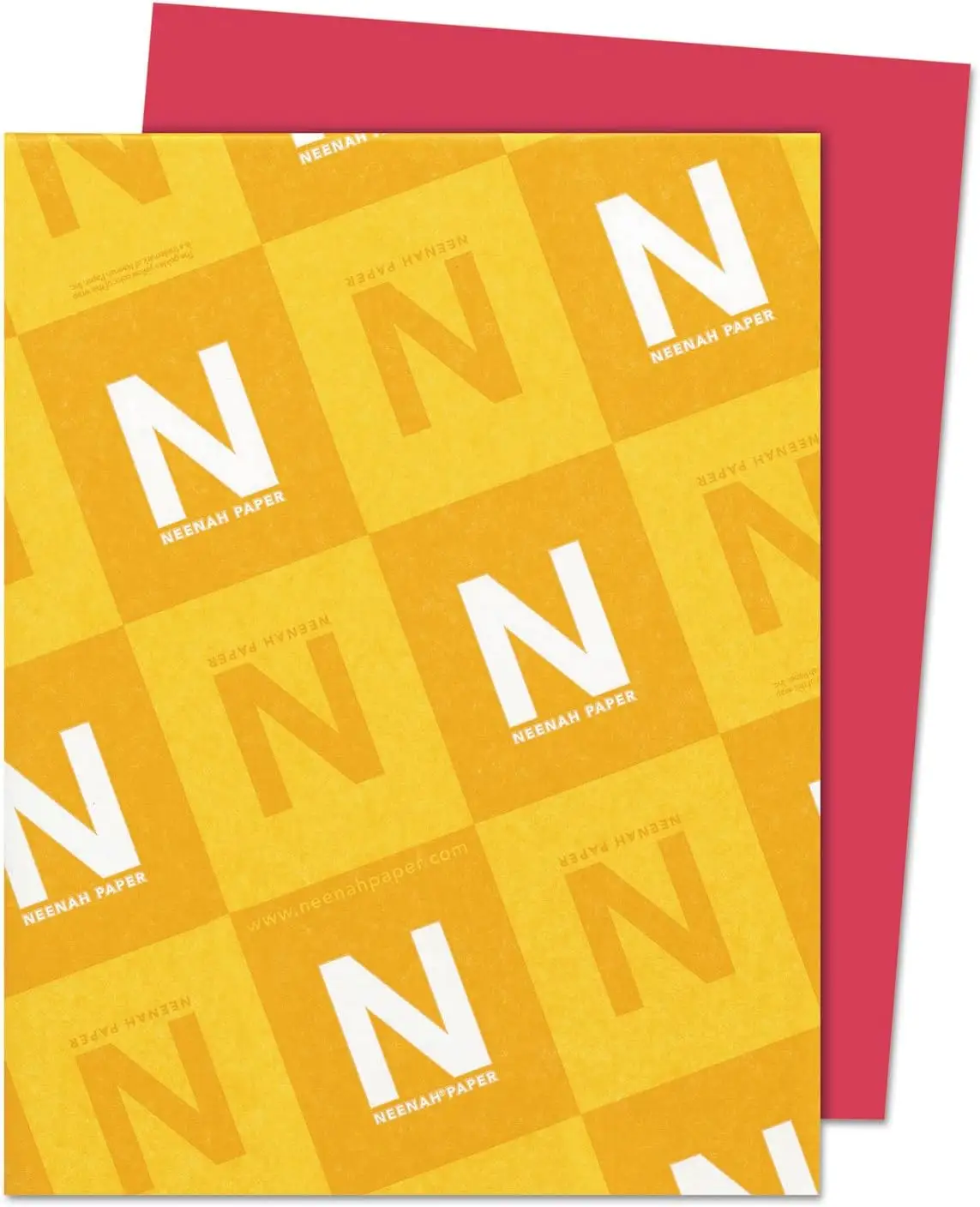
Color is another marketing anchor—especially for Astrobrights’ saturated palette (Gamma Green, Re-Entry Red, Eclipse Black, etc.). Users regularly praise vividness, but the lived experience includes “screen-to-sheet” surprises. The review aggregation includes remarks like “the orbit orange is brighter than it looks online,” and people celebrating “super bright” sheets. That can be a win for attention-grabbing flyers, but it can also complicate matching a brand color from a product photo.
Cross-Platform Consensus
Universally Praised
A recurring pattern emerged around practical, real-life projects: people buy this cardstock to make something for an event, classroom, or home craft—and many walk away relieved it behaves like “normal paper” in a printer while still feeling sturdier in hand. One Amazon reviewer making graduation advice cards said it was “just what i needed…perfect color of white, good thickness, worked well in printer.” That’s a classic use case for parents and event hosts: you need clean prints, consistent sheets, and no last-minute printer drama.
Another strong theme is “special occasion paper” where finish and stiffness matter more than archival perfection. A buyer who created playful at-home “fancy dinner reservations” and menus credited the paper for adding “that fancy detail!” Similarly, a wedding user called it “heavy duty paper” and said the menu cards “came out fantastic.” For brides, party planners, and small-batch makers, that feedback suggests Astrobrights cardstock often hits the sweet spot of looking professional without needing specialty print shops.
Durability also shows up in unexpectedly messy environments. A parent using it for kids’ painting reported: “my toddler’s favorite…durable even when it gets a little wet!” That kind of story matters for teachers and parents who need sheets that won’t instantly buckle or tear during crafts. It’s not a lab test, but it is a concrete scenario: wet paint, little hands, and a second purchase (“already ordered a second pack!”) that signals satisfaction beyond a single afternoon.
Finally, users often frame Astrobrights as a “go-to” line for repeat buying, a reliability signal that goes beyond one-off excitement. In aggregated review snippets, one person says, “astrobrights is my go-to for paper and cardstock because it is quality at a good price point.” Another Amazon reviewer put it plainly: “i love this brand of paper…will definitely keep buying this brand.” For small businesses and offices that reorder supplies, repeat purchase intent is a strong validation.
Praised most often (after stories):
- Printer performance for home projects (“worked well in printer.”)
- “Fancy” look for menus/invitations
- Durability for crafts (“durable even when it gets a little wet!”)
- Perceived value and repeat buying (“go-to”)
Common Complaints
The most consistent complaint thread isn’t about defects—it’s about expectation mismatch on thickness. People who need truly rigid stock for business cards, postcards, or heavy signage sometimes feel underwhelmed. One narrative review notes, “it might be slightly thinner than expected for business cards,” and another bluntly summarizes the letdown: “beautiful color just not thick as i thought…great color but regular weight not thick.” For Etsy sellers, boutique marketers, or anyone trying to DIY “postcard stock,” that difference matters because flimsier feel can change how premium the finished piece seems.
A second complaint angle appears around color interpretation and online photos. The review analysis includes “color matched picture,” but also warns that some hues can appear different in person: “the orbit orange is brighter than it looks online.” This affects brand-conscious buyers who need a specific shade match. Brightness can be the point of Astrobrights, yet for corporate identity programs, a “brighter than expected” result could mean reprints.
There are also hints of packaging inconsistency and delivery condition concerns in aggregated feedback categories (e.g., “ripped,” “torn,” “package”), suggesting some buyers experience shipping-related issues even when they like the paper itself. That’s less about the sheet quality and more about how it arrives—important for offices ordering reams who can’t afford crushed corners right before an event.
Lastly, cutting and finishing can demand better tools than casual crafters expect. One narrative review mentions it “can be a bit tricky to achieve clean edges without proper tools.” For scrapbookers and card makers, that means a good trimmer may be the difference between “professional” and “homemade.”
Complaints that show up repeatedly:
- Thickness feels lighter than “postcard” expectations (“not thick as i thought.”)
- Color can differ from online perception (“brighter than it looks online.”)
- Occasional packaging/delivery condition issues
- Clean cuts may require better tools
Divisive Features
“Bright white” is surprisingly polarizing in feedback around the brand’s white cardstock variant, which influences how buyers interpret “premium” and “true white.” One Amazon reviewer celebrated: “Bright white! finally a true, bright white!!!” Yet another countered: “the quality is good, but it’s not bright white in color…more off white.” For designers printing minimalist invites or photo-heavy layouts, that split suggests that “white” perception may depend on lighting, expectations, or batch variation—worth flagging if color accuracy is critical.
Similarly, sturdiness is praised by many but disputed by those expecting heavier stock. The same 65 lb weight that some call “good thickness” can read as “slightly thinner than expected” for business cards. This isn’t a contradiction in the product’s stated weight; it’s a clash in what different user groups mean by “cardstock.”
Trust & Reliability
The most concrete “trust” signal in the data comes from the sheer scale of Amazon review volume on the white cardstock listing: “4.8 out of 5” across “18,895 global ratings,” with many short, task-focused confirmations like “good quality paper.” Those aren’t detailed long-term durability diaries, but they do suggest consistent satisfaction across many buyers.
At the same time, the provided Trustpilot and social/community “platform” entries don’t contain user-generated, attributable stories—mostly brand/marketing copy and third-party “review” prose—so there isn’t a clean trail of “six months later” Reddit-style posts to validate longevity in real storage conditions. What does surface repeatedly is acid- and lignin-free positioning in product descriptions, and users valuing that implication: one narrative review points to “acid-free composition…suggests longevity without deterioration.” Still, that’s not the same as a documented long-term user update.
Alternatives
Only a few clear “alternatives” appear in the provided data set, and they’re mostly within the same Neenah/Astrobrights family rather than direct competitor brands. One obvious alternative is Neenah Astrobrights Premium Color Paper (24 lb) for people who want the vivid colors but don’t need cardstock stiffness. The 24 lb line is repeatedly framed as “sturdier than 20 pound paper” in aggregated feedback, which may suit flyers, handouts, or classroom notes where cardstock is overkill.
Another adjacent option is Neenah Bright White Cardstock (the 75-sheet pack referenced in Amazon reviews). For shoppers who mainly need white rather than colored stock, the user stories around menus, advice cards, and crafting (“prints nicely and is sturdy”) show that product filling a similar role—while also carrying the “bright white vs off white” debate.
Price & Value
Pricing varies by pack size and color, but the Amazon specs show cardstock offerings in the neighborhood of ~$0.20 per sheet for a 100-sheet pack in one listing (“$19.80…$0.20/count”) and larger 250-sheet color cardstock packs around ~$19.79 on sale in another listing. That shapes a consistent value narrative: buyers who use it for events (menus, invitations) or repeated classroom/craft work tend to see it as cost-effective versus printing on specialty stock.
Resale value trends aren’t explicitly documented in user feedback here; the closest market signals come from third-party listings (eBay prices for Astrobrights cardstock/paper). Those listings suggest it maintains a predictable commodity resale range rather than being a collectible niche. Practically, the best “buying tip” supported by the data is comparing per-sheet cost by pack size and watching for sale pricing, since multiple reviews emphasize “good price point” and repeat ordering when the price is right.
FAQ
Q: Is Neenah Astrobrights cardstock thick enough for business cards or postcards?
A: Conditional. Some buyers call it “good thickness,” but others warn it’s “slightly thinner than expected for business cards” and “not thick as i thought.” It tends to satisfy invitations, menus, and crafts more consistently than rigid postcard-style stock.
Q: Does it work in inkjet and laser printers without jamming?
A: Often yes for home and office printing. One buyer said it “worked well in printer,” and another review described it running “without any jams.” However, one source flags “limitations…through certain high-volume printers,” so heavy production use may be less predictable.
Q: Are the colors accurate compared to online photos?
A: Not always. Some feedback says “color matched picture,” but other users report surprises like “orbit orange is brighter than it looks online.” If exact shade matching matters (branding), consider ordering a smaller pack first or testing under your typical lighting.
Q: Is the white cardstock truly bright white?
A: Divisive. One Amazon reviewer celebrated “finally a true, bright white!!!” while another insisted it’s “more off white.” If you need a specific “bright white” tone for photography or formal stationery, expect subjective variation and test a sheet first.
Q: Is it good for kids’ crafts and classroom projects?
A: Yes, based on multiple use stories. A parent wrote it’s a “toddler’s favorite” and “durable even when it gets a little wet,” while others mention school and crafting uses like card making and event menus. The smooth finish is frequently linked to nice print results.
Final Verdict
Buy if you’re a crafter, teacher, event host, or small-business owner who needs smooth, vivid cardstock that usually “worked well in printer” and feels “heavy duty” for menus, invitations, and handouts. Avoid if you need truly rigid postcard/business-card stiffness or require perfectly consistent color matching from online photos. Pro tip from the community: treat “65 lb cardstock” as sturdy-but-not-board, and plan your project around that thickness expectation.