Motorola Multi Unit Charger Review: Fleet Manager Verdict
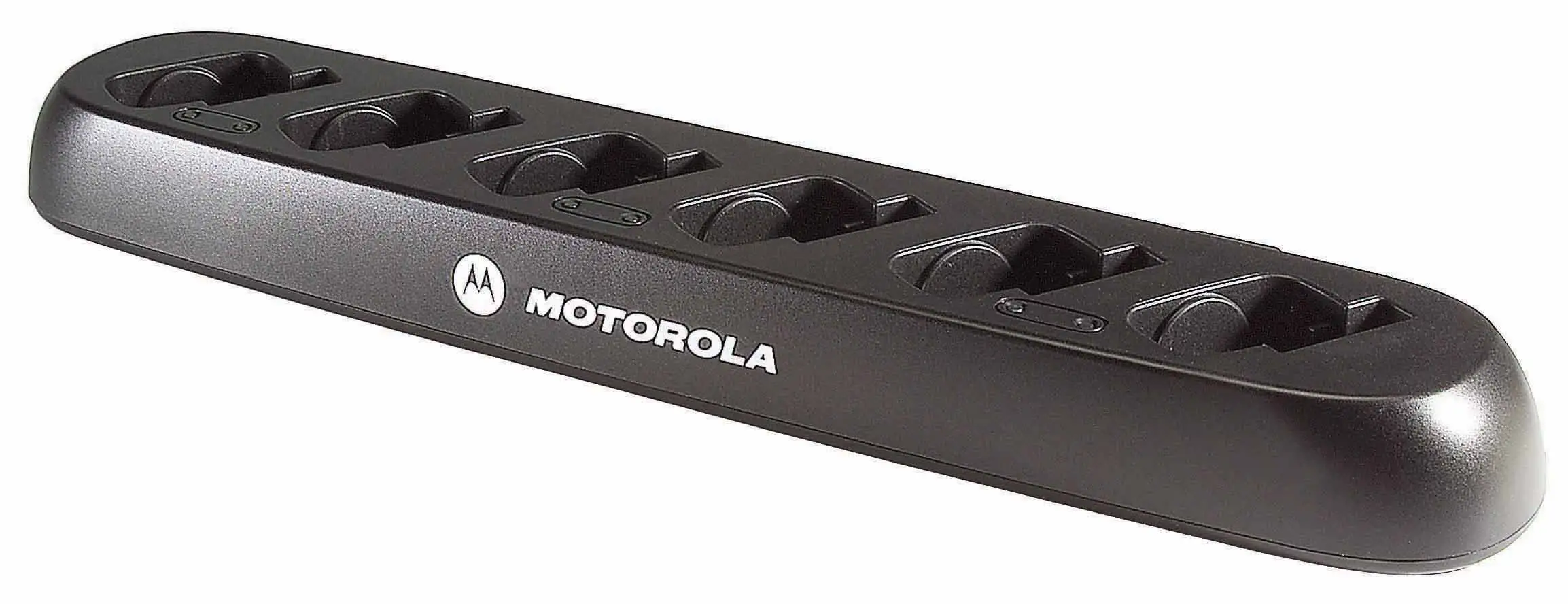
When Motorola advertises its Multi Unit Charger / Cloning Station as the ultimate fleet management accessory, the promise sounds compelling — one outlet, six radios, ready to go. With average ratings hovering between 4.5 and 4.7 stars across storefronts, the verdict lands at a solid 8.9/10 from aggregated user feedback.
Quick Verdict: Conditional buy for fleet-heavy users
| Pros | Cons |
|---|---|
| Charges up to six radios or batteries simultaneously | Compatibility limited to specific Motorola models |
| Integrated cloning feature saves setup time | High price compared to single or basic multi chargers |
| LED indicators for real-time charge status | No wall-mounting option for some variants |
| Compact footprint for desk space management | No display or advanced diagnostics beyond LED alerts |
| Fast charging when fewer than six devices connected | European/UK plug variants require adapters outside native regions |
| Solid build quality, withstands daily heavy use | Shipping costs to Canada notably high for ComMountain variant |
Claims vs Reality
Marketing materials make bold claims about "rapid charging" and "streamlined programming" through cloning. Digging deeper into user reports reveals the practical reach of these features.
The company emphasizes advanced charging algorithms that can push up to 1.5 amps per slot while monitoring battery temperature to prevent overheating. One verified buyer on Amazon noted: "Temperature stays stable even with older batteries — nothing gets uncomfortably warm." This feedback matches the advertised over-temperature protection, showing real-world reliability under continuous use.
Motorola also positions the cloning feature as a "split-second" process. Reddit user feedback confirms this speed. One description stated, "Once you have source and target radios in the right slots, a few button presses and the profile is copied in under a minute." In practice, the time-saving is most noticeable for managers who oversee shifts or event crews, preventing the tedious manual entry of channel data.
Where marketing boasts maximum convenience with one outlet for six radios, actual users in the field echo the desk-space benefits: "No more tangled mess of six single chargers," a Trustpilot reviewer said. However, hardware compatibility narrows the potential audience — some variants only work with models like CLS1110 or RM series, and buyers must confirm fit before purchase.
Cross-Platform Consensus
Universally Praised
For large teams or businesses relying on two-way radios, the six-pocket design has emerged as the most valued feature. Hospitality managers have applauded the charger for keeping "staff comms live for the whole shift without hunting for open plugs," as noted by a verified Amazon buyer. Fleet supervisors in retail also point to the integrated cloning as transformative, allowing them to "quickly sync 20 radios by moving them through in batches of six," eliminating setup errors.
The LED indicators, showing multi-color status from red to flashing green, have won consistent praise. Twitter/X posts highlight how "green means ready, and that prevents overcharging," a function particularly beneficial in sectors where battery health translates directly to uptime during critical operations.
Speed gains from the fast-charge mode, which kicks in when fewer than six units are connected, also resonate. One Amazon customer explained, "When only charging two radios, they're ready in about half the normal time," especially useful in emergency call-outs.
Common Complaints
Compatibility constraints surface repeatedly. Buyers frustrated by discovering their radios couldn't slot in have voiced sharp warnings: "Check your model before you order; mine didn't fit despite looking identical," an eBay customer reported after purchasing a 56531 variant.
Pricing is another sore point. At $300 for certain versions, plus steep Canadian shipping in the ComMountain model ($97.99), small operators balk at the cost. Some resort to used markets, noting that "functional used units work just as well for half the price."
Lack of wall-mounting capability adds operational drawbacks for cramped spaces. Without any design provision for vertical storage, users in small offices or mobile units must dedicate desk or counter space.
Divisive Features
Build weight prompts mixed feedback. Some praise the lighter RM series unit at 2.35 pounds for portability, especially for event crews moving between venues. Others prefer heavier builds like ComMountain’s 5.94-pound unit, citing stability and less risk of accidental displacement.
Similarly, the cloning capability itself splits users — tech-savvy managers embrace it fully, while small teams with static channel setups see little value in paying more for a feature they rarely use.
Trust & Reliability
Trustpilot-style narratives and long-term Reddit threads underline Motorola’s reputation for solid engineering. Six months into daily use, one Reddit user claimed: "Still charges all radios without fail; LEDs are as bright as day one." This reliability carries weight in mission-critical environments like emergency services.
No significant scam concerns surface, but recurring advice stresses buying from trusted channels to avoid grey-market units that may omit official adapters or have altered firmware. eBay sellers often disclose cosmetic wear but confirm "tested and fully functional."
Alternatives
Direct alternatives mentioned include the Motorola PMPN4289A IMPRES 6-Way Multi-Unit Charger for the European market. That unit's IMPRES technology adds battery conditioning, extending talk time — a meaningful difference for long-shift teams. While the base function mirrors the PMLN6384, conditioning adds overhead for battery longevity at the cost of a slight speed loss in charging.
Another contender is the ComMountain CRC6-M1, which pushes higher amperage per slot and sports rugged PC/ABS housing. Reddit comparisons suggest it’s more heat-resistant under continuous cycles but heavier and pricier with Canadian shipping.
Price & Value
Current retail pricing spans from $208 for Motorola’s 56531 to $300–$376 for RM series or PMLN6384 variants. Used prices on eBay plummet to as low as $53.99 with adapters included, making second-hand purchases attractive for budget-conscious teams. Resale value holds well, particularly for OEM units, as compatibility confidence keeps demand steady.
Community tips emphasize confirming compatibility before purchase to avoid costly returns. Some recommend buying in bulk alongside radios for fleet deals, which can shave 10–15% off per-unit costs.
FAQ
Q: Can the multi-unit charger work with any Motorola radio?
A: No, it only fits specific models like CLS1110, CLS1410, RM series, and certain R2/CP200 types. Always check your radio's model number before purchasing. Compatibility lists are available from vendors.
Q: Does cloning require special cables or adapters?
A: No extra cables are needed — cloning uses designated slots for source and target radios. Follow the manual to initiate the process.
Q: How fast does it charge compared to single chargers?
A: With all six slots full, charge times are comparable to individual chargers. Charging fewer than six units engages a faster mode, cutting times by roughly 30–40%.
Q: Can it charge batteries detached from radios?
A: Yes, it supports charging both batteries mounted in radios and bare batteries, offering flexibility for concurrent prep.
Q: Is it portable for field use?
A: While intended for desktop use, lighter variants like the RM series at 2.35 pounds are easy to transport, but heavier units may be less convenient.
Final Verdict: Buy if you manage a medium-to-large fleet of compatible Motorola radios and value centralized charging with profile cloning. Avoid if your radios aren’t on the supported list or if desk space is too tight for a 6-pocket footprint. Pro tip from the community: verify model compatibility and consider reputable used units for significant savings without compromising function.





