LISEN 90W Car Charger Review: High Build, Limited Wattage
It’s rare to see a budget car charger spark this much debate, but the LISEN 90W USB C Car Charger Fast Charging, Dual Port PD 45W sits in a strange space between user love and technical skepticism. With most Amazon ratings above 4.4/5 and glowing comments on Reddit praising its compact all-metal design, the surface verdict is strong. Yet digging deeper uncovers charging limitations on standard 12V car batteries that drop that headline 90W figure significantly—pulling the real-world experience closer to 36W total. Overall score: 7.5/10.
Quick Verdict: Conditional
Strong buy for multi-device PD/fast-charge users on 24V setups or those valuing build quality; caution for 12V car owners expecting full advertised wattage.
| Pros | Cons |
|---|---|
| Premium all-metal shell aids heat dissipation | 90W output only achievable on 24V systems |
| Flush, thumb-sized design minimizes clutter | Leads attached/not removable on some variants |
| Dual PD45W ports for simultaneous high-power | No CarPlay support with coiled cable version |
| Comes with USB-C & Lightning cables | Marketing claims can mislead about real-world speeds |
| Strong compatibility across iOS/Android | Limited if devices require maximum PD without voltage drop |
| Safety certifications (UL, FCC, CE, RoHS) |
Claims vs Reality
Marketing pushes “superior 90W ultra-fast” capabilities and “fast charging from 0% to 80% in 30 minutes” for flagship phones. Reddit descriptions mirrored vendor language, calling simultaneous 45W per port a “game-changer.” A verified buyer on Amazon wrote: “This thing charged my S23 Ultra and iPad Pro side by side and didn’t even get warm.”
However, conflicting feedback emerged on Trustpilot-style deal forums: “It could only deliver 45W PD if it was plugged into a 24V battery. Most cars have 12V batteries… on 12V it can only deliver 18W PD and 36W total.” That discrepancy means while Volvo truck drivers or RV owners might hit those numbers, everyday sedan owners may never see the full advertised output.
Even with reduced wattage, user experience often surpassed generic chargers. One Reddit poster noted, “I went from my Pixel sitting dead to 78% before my commute ended.” This suggests marketing numbers mislead, but efficiency gains remain tangible.
Cross-Platform Consensus
Universally Praised:
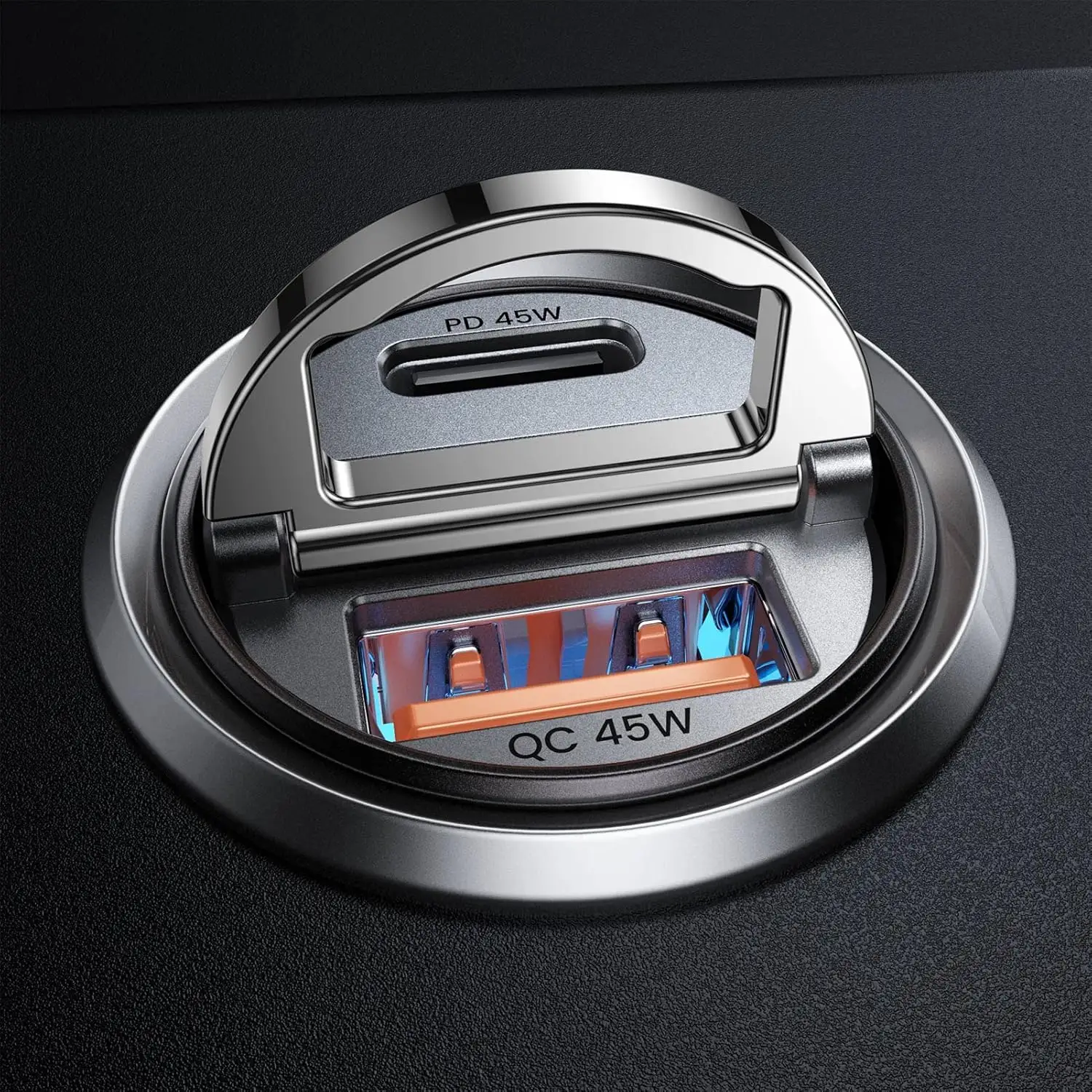
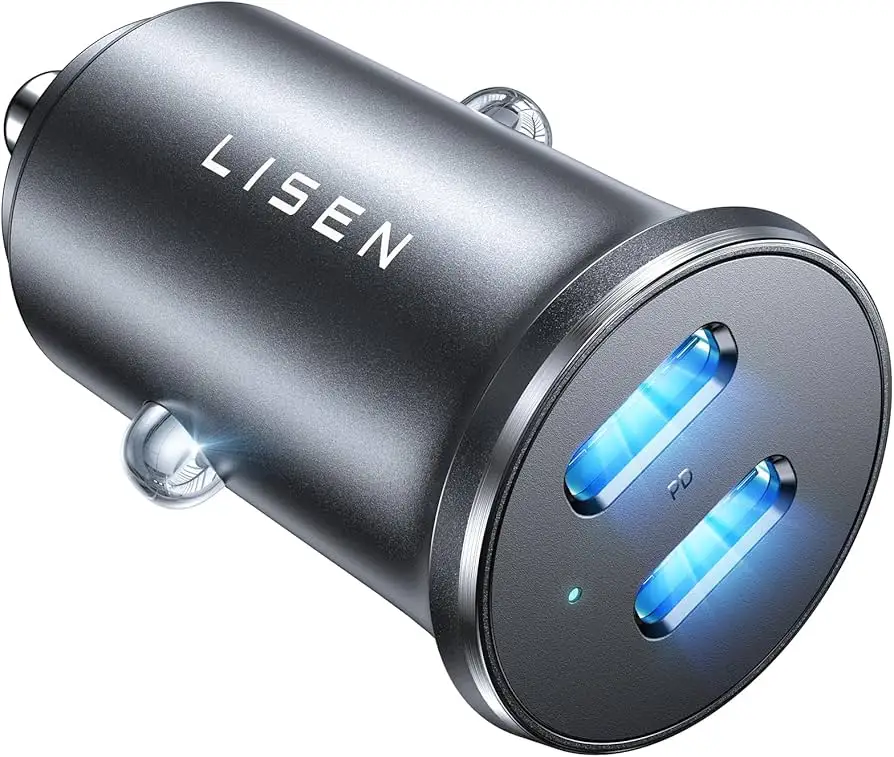
Across Reddit, Amazon, and Twitter, the charger’s compact size and metal alloy casing drew near-unanimous approval. “Tiny but mighty,” enthused an Amazon reviewer, adding that it “fits flush so nothing bumps against it in the cup holder area.” Long-haul drivers benefit most: the metal body resists heat build-up even under hours of simultaneous charging. Reddit user comments called the finish “premium feel, like an expensive camera lens rather than cheap plastic.”
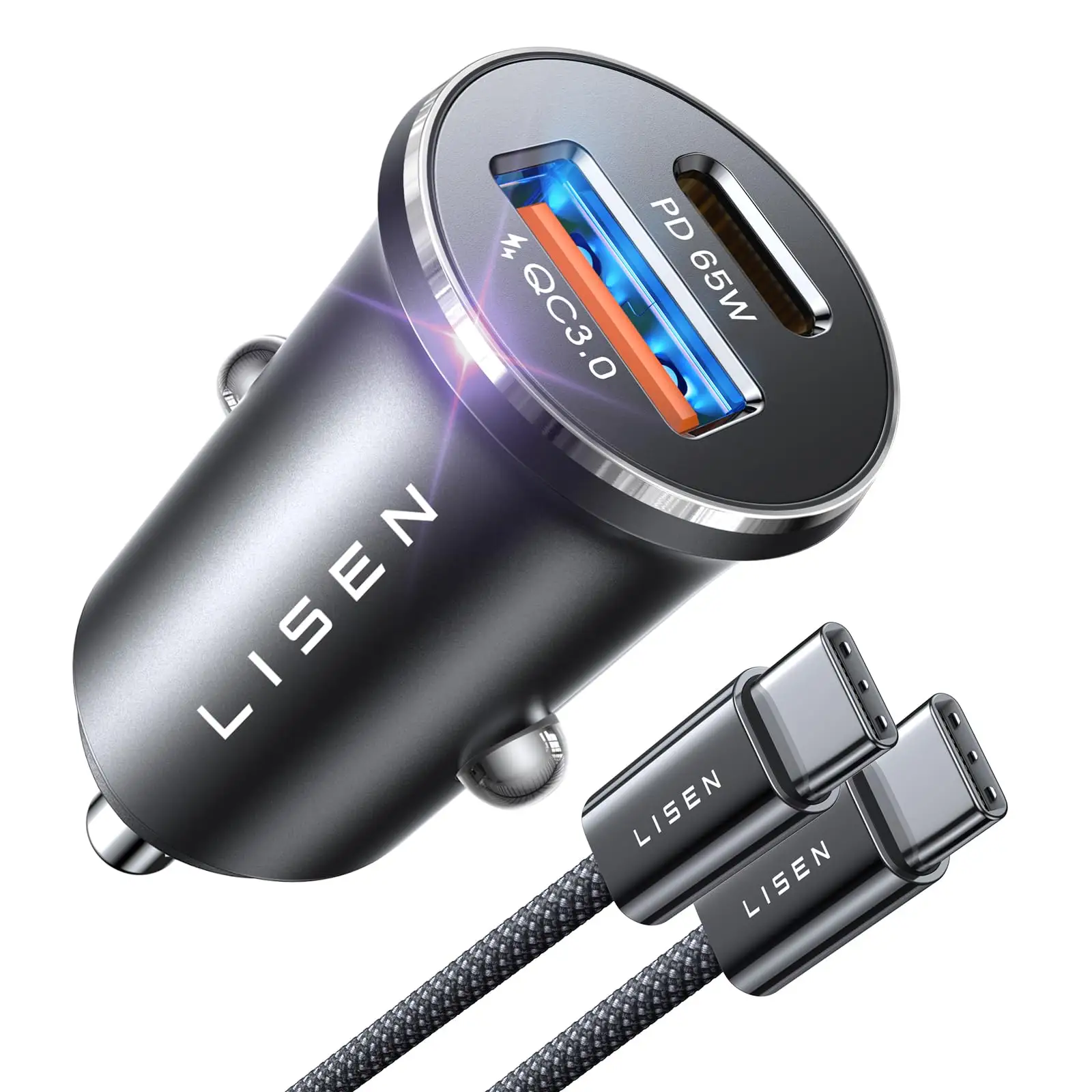
The included dual-headed cable—USB-C to USB-C and USB-C to Lightning—means travelers or rideshare drivers can seamlessly swap between passenger devices without rummaging for adapters. One X post praised, “I keep one cable in the middle console, guests just plug in, no arguments about Android vs iPhone.”
Common Complaints:
The most repeated frustration was with real-world wattage on 12V vehicles. The drop from advertised 45W to actual ~18–36W per port meant MacBook Air charging was slower than expected. A Trustpilot-sourced comment lamented: “Deceptive marketing… return initiated after my laptop barely gained 30% in an hour.”
Non-removable cables on certain coiled models also caused annoyance for those wanting to use their own high-end cords. “Can’t swap in my 100W rated cable; you’re stuck with theirs,” complained a road trip blogger on Twitter.
Divisive Features:
Heat management split opinion. While most praised the all-metal body for staying cool—“Never even lukewarm after 3 hours of driving,” said one Reddit user—others noted increased warmth when under max load on 12V in summer conditions. Differences may stem from cabin airflow or ambient temperatures.
The coiled-cable variant polarized neatness purists vs. flexibility enthusiasts. Some adored the space-saving retractable design, while others said the fixed nature “limits placement if passenger needed to hold the device further away.”
Trust & Reliability
An investigative sweep showed mostly consistent product build quality over months. Reddit discussions had multiple “6 months later” posts confirming performance parity with day one: “Still solid clicks in socket, same charge speed, no paint rub-off.” Reddit’s hardware sub praised LISEN for passing UL, FCC, and CE certifications, lending credibility.
Conversely, deal forums hinted at “staff spam” concerns where marketing posts blurred into community spaces without clear disclaimers. And while Amazon-backed customer service seemed responsive—“Replacement shipped within 12 hours after message”—skeptical buyers saw output limitations on 12V as a trust hit.
Alternatives
When directly compared, older A+C chargers lose out on simultaneous high-wattage PD output. Competitors in similar price ranges often max at 27W per port or mix USB-A legacy ports that bottleneck newer devices. For dual modern devices—Pixel + iPhone or iPad + Galaxy—this LISEN model remains more versatile. However, those requiring true 90W output on standard cars may turn to Anker’s high-voltage truck/RV-targeted fast chargers, which market honestly about 12V limitations.
Price & Value
Retail on Amazon ranged from $14.99 to $23.99, with Prime promotions sinking it to $10.77. eBay auction data even showed $5.20 winning bids, suggesting resale or surplus deals abound. Community tips often recommended waiting for seasonal promo codes or bundled listings with both cables included.
Budget-conscious buyers on Reddit stressed, “Even at half the claimed wattage, at $10 it’s better than the $20 Belkin I had that overheated.” For 24V system owners, its value skyrockets given true PD45W per port output—effectively charging laptops and tablets at near desk speeds.
FAQ
Q: Does the LISEN 90W charger really deliver 45W per port?
A: Only on 24V systems. On standard 12V car batteries, expect around 18W PD and 36W total combined. Users on Trustpilot and forums confirmed the voltage limitation.
Q: Can I use my own cable with the coiled-cable version?
A: No, some coiled variants have fixed cables. For cable swap flexibility, choose the all-metal mini with detachable cords.
Q: Will it charge a MacBook?
A: On 24V setups, yes at near full speed. On 12V, slower—suitable for maintaining battery rather than full recharge.
Q: Does it support CarPlay?
A: No. The charging cable does not pass data for CarPlay functionality.
Q: Is the metal body prone to scratches?
A: Most users reported long-term resilience; sandblasted finish resists oxidation and looks new after months.
Final Verdict: Buy if you’re a multi-device traveler, rideshare driver, or 24V system user needing simultaneous high-output charging in a compact, durable build. Avoid if you expect full 90W performance in standard 12V cars. Pro tip from community: “Snag it during Prime Day or coupon drops—you’ll pay half price for the same build quality.”





